
Neem Oil
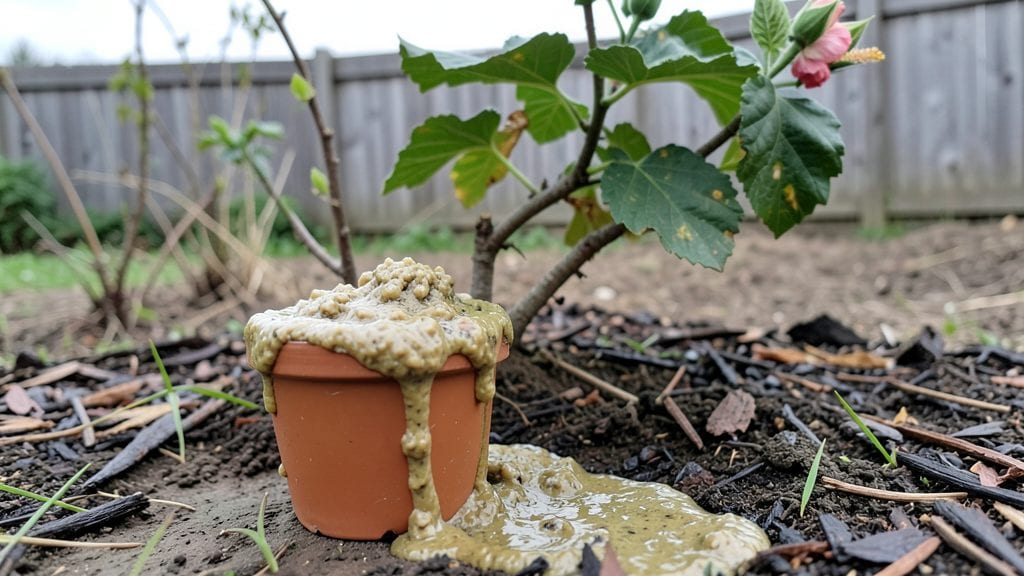
Neem oil for hibiscus plants acts as a natural fungicide and insect repellent, preventing whitefly, aphids, and powdery mildew while strengthening plant immunity through its azadirachtin compound. Dilute with water and apply during early morning or evening to avoid leaf burn.
Neem oil is a powerhouse for hibiscus care because its active compounds, like azadirachtin, disrupt pests' life cycles while also boosting the plant's natural defenses. 🌿 Unlike synthetic pesticides, it doesn't harm beneficial insects when used correctly, making it ideal for organic gardeners.
The key is consistency—applying it every 7-14 days during growing seasons helps prevent infestations before they start, especially for hibiscus plants prone to whitefly or fungal issues.
What sets neem apart is its dual action: it smothers fungal spores and repels insects through scent, while also stimulating the plant's immune response. This means healthier foliage that can better resist future attacks.
I always recommend testing a small leaf first to check for sensitivity, as some hibiscus varieties react more strongly to concentrated oils.
💡 In This Article
- How Neem Oil Fights Hibiscus Pests and Fungi
- Step-by-Step Guide to Using Neem Oil on Hibiscus
How neem oil fights hibiscus pests and fungi
Neem oil's power against hibiscus pests comes from its rich blend of bioactive compounds, with azadirachtin being the star player. This limonoid compound disrupts insects' hormonal systems, preventing them from molting properly. For spider mites—tiny pests that thrive on hibiscus—azadirachtin interferes with their ability to mature, effectively starving their populations.
The oil also contains triterpenoids like nimbin and gedunin, which act as natural fungicides by disrupting fungal cell membranes, making it tough for powdery mildew spores to colonize hibiscus leaves.
The effectiveness varies by pest: neem oil is particularly potent against hibiscus mealybugs, which it smothers with its oily texture while also repelling them through a strong, bitter scent.
For whiteflies, the oil's residual film on leaves creates an inhospitable environment that reduces egg-laying by up to 90% when applied correctly.
What's fascinating is how neem oil works at both the chemical and behavioral levels—it doesn't just kill pests outright but also confuses their mating signals, breaking their reproductive cycles.
What makes neem truly special is its ability to stimulate plant immunity. When applied to hibiscus leaves, the oil triggers the production of phenolic compounds and other defensive chemicals in the plant. This "priming" effect means your hibiscus develops thicker cuticles and stronger resistance to future fungal attacks.
Think of it like giving your plant a natural vaccine—it learns to fight off invaders more effectively over time. The best part? This systemic protection lasts weeks after application, unlike synthetic pesticides that only provide temporary relief.
For fungal issues like powdery mildew, neem oil's mechanism is slightly different. The triterpenoids in the oil create a hostile environment for fungal spores by lowering the leaf surface's pH and disrupting spore germination. Studies show that regular applications can reduce fungal growth by 70-80% when used preventatively.
The oil's antifungal properties work best when applied as a preventive measure rather than a cure, which is why gardeners see the most success when they start treatments at the first sign of stress in hibiscus plants.
Here's what most people don't realize: neem oil's effectiveness depends on proper application timing. The early morning or evening window isn't just about avoiding leaf burn—it's when hibiscus plants are least stressed and most receptive to absorbing the oil's beneficial compounds.
During these cooler periods, the oil has time to dry completely before the sun's UV rays can break down its active ingredients. This timing also helps the oil penetrate leaf surfaces more effectively, ensuring maximum contact with both pests and fungal spores.
When comparing neem oil to chemical alternatives, its safety profile stands out. Unlike synthetic fungicides that can harm beneficial insects and leave toxic residues, neem oil breaks down naturally in the environment.
For hibiscus growers, this means you can use it alongside pollinator-friendly practices without worrying about harming bees or ladybugs. The key is maintaining the proper 1-2 teaspoon per gallon dilution—any stronger, and you risk phytotoxicity, while weaker solutions may not provide sufficient protection against established infestations.