
Companion Plants
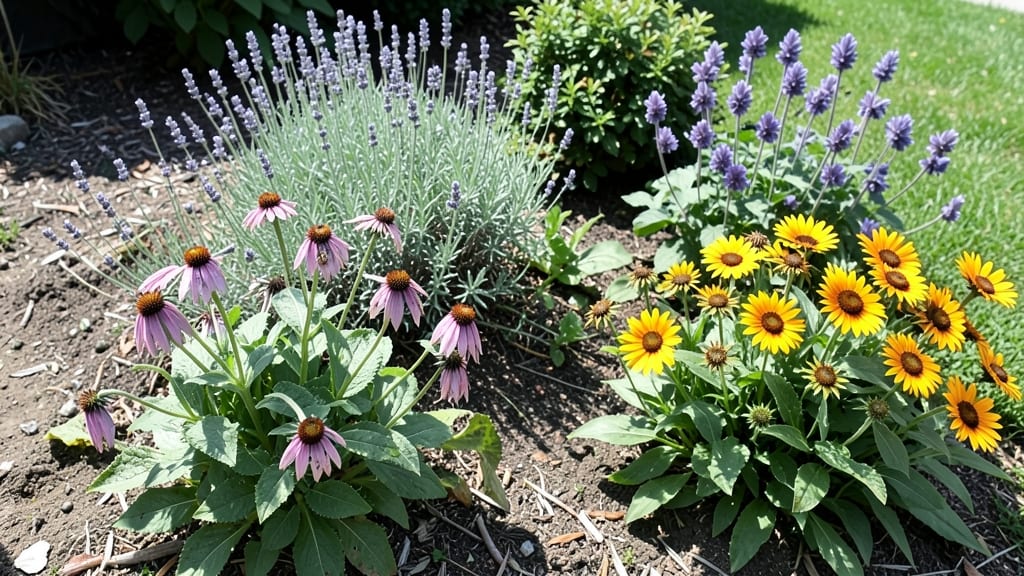
Creating an outdoor plants garden that thrives all year—without pests ruining the party—changed everything for me. 🌿 The right plant pairings don’t just look stunning; they work together like a well-choreographed dance, keeping bugs at bay while filling your space with color and texture.
My front yard used to be a battleground between me and Japanese beetles, but now it’s a lush, low-maintenance retreat where every plant plays a role.
Start with a mix of fragrant herbs like rosemary and thyme—they repel pests naturally while adding texture. Pair them with bold bloomers such as marigolds and nasturtiums, which act as decoys for aphids and squash bugs.
For shade lovers, try ferns and hostas alongside disease-resistant varieties like ninebark or hydrangeas. The key is diversity: no single plant gets overwhelmed, and the garden stays vibrant through every season.
By summer’s end, you’ll have a garden that’s not just surviving but thriving—with fewer pests, more blooms, and less work. The air will smell richer, the colors more vibrant, and the whole space will feel like a sanctuary.
Plus, you’ll spend less time spraying chemicals and more time enjoying the results. Let’s turn your outdoor space into a pest-proof paradise!
This approach works for small urban patios or sprawling backyard plots—just adjust the scale. Whether you love cottage charm, modern minimalism, or native plantings, the principles stay the same. Ready to design a garden that fights back? Here’s how to make it happen.
📚 In This Guide
- What you need
- Instructions
- Tips and common mistakes
- Wrapping up and next steps
What you need
- ● Pest-resistant plant varieties: 5–10 Marigolds (French or African varieties for strong pest deterrence)
- ● 3–5 Basil plants (Genovese or Purple varieties for companion benefits)
- ● 2–4 Nasturtiums (Trailing or dwarf types for edible flowers and pest control)
- ● 1–2 Lavender bushes (Provence or Munstead for fragrance and repelling pests)
- ● 3–6 Rosemary (Upright or prostrate types for versatility)
- ● Soil & amendments: 50 lbs compost (well-aged, organic matter for nutrient-rich soil)
- ● 10 lbs perlite or vermiculite (for drainage, 1 part to 4 parts soil)
- ● 1 lb balanced fertilizer (10-10-10 or organic alternative like fish emulsion)
- ● Garden tools: 1 garden trowel (for transplanting seedlings)
- ● 1 pruning shears (sharp, bypass-style for clean cuts)
- ● 1 garden fork (for aerating soil)
- ● 1 watering can (2–3 gallon capacity with a rose nozzle)
- ● 1 measuring tape (for spacing plants 12–24 inches apart)
- ● Protective gear: 1 pair gardening gloves (nitrile-coated for durability)
- ● 1 sun hat or wide-brimmed hat (for prolonged outdoor work)
- ● Enhancements for pest control: Neem oil spray (for organic pest deterrence, 2% solution)
- ● Diatomaceous earth (food-grade, 1–2 lbs for barrier treatment)
- ● Row covers (floating fabric for young plants, 4’x6’ size)
- ● Garden aesthetics & functionality: Decorative garden stakes or obelisks (for climbing plants like nasturtiums)
- ● Mulch (3–4 inches of pine straw or wood chips to retain moisture)
- ● Solar-powered garden lights (for evening ambiance and safety)
- ● Prerequisites: Sunlight access: 6+ hours of direct sun (adjust plant selection for partial shade if needed).
- ● Well-draining soil: Test pH (ideal range: 6.0–7.0 for most companion plants).
- ● Water source: Drip irrigation or hose with adjustable nozzle for gentle watering.
How to design a pest-resistant outdoor garden layout
The secret to a garden that thrives without constant pest battles lies in strategic plant pairings and smart spacing. Here's how I create harmonious, low-maintenance beds that deter pests naturally.
🌱 Step 1: Choose Foundational Pest-Repellent Plants
Start with marigolds and basil as your core pest-deterrent plants—their strong scents confuse aphids and mosquitoes. Place them at the outer edges of each bed, where they'll intercept pests before they reach your vegetables. I always include rosemary and lavender along borders too—their woody stems and aromatic oils create a physical barrier that pests avoid.
For taller plants, position dill and fennel near the back of the bed. These act as trap crops, drawing in pests like swallowtail butterflies away from your prized tomatoes and peppers. The key is interplanting these strong-scented species every 18-24 inches throughout the garden. This creates a sensory confusion zone that pests can't navigate.
☀️ Step 2: Group Plants by Family and Sun Needs
Arrange plants in familial clusters—group all brassicas (kale, cabbage, broccoli) together in one section, and keep nightshades (tomatoes, peppers, eggplants) in another. This prevents soil-borne diseases from spreading when you rotate crops next season. I mark these zones with stakes at the corners so I remember where each family belongs.
Next, map your garden's sun exposure zones. Most herbs and vegetables need 6+ hours of direct sun, but some like parsley and lettuce tolerate partial shade. Place sun-loving plants (tomatoes, basil, rosemary) in the south-facing areas where they'll receive the most light. Watch for leaf scorch on the edges of leaves—this is your signal a plant is getting too much afternoon sun.
🌿 Step 3: Layer Plants by Height and Growth Habit
Tall plants like sunflowers or corn go in the north side of the bed to avoid shading smaller crops. I tuck bush beans and peas along the south-facing edges where they'll climb trellises and keep the ground clear for low-growing plants. The goal is to create vertical layers that maximize space while allowing air to circulate freely—this prevents fungal diseases that thrive in damp, stagnant air.
Add ground covers like clover or creeping thyme between rows. These suppress weeds naturally and provide habitat for beneficial insects like ladybugs and lacewings. I spread 2-3 inches of mulch (straw or shredded leaves) over the soil surface to retain moisture and deter pests from burrowing into the soil.
✂️ Step 4: Implement Companion Planting Strategies
Pair tomatoes with basil or onions to repel hornworms and whiteflies. Plant carrots near leeks or rosemary to deter carrot flies. These combinations work because the strong scents of the companion plants mask the target plant's natural aroma, confusing pests. I sketch a rough layout on graph paper first, adjusting until I have no two vulnerable plants (like two types of brassicas) growing side by side.
For flowering plants, include nasturtiums near your vegetables—they attract aphids away from your crops. I also weave alyssum and calendula throughout the beds because their bright blooms attract pollinators while their nectar supports predatory wasps that feed on garden pests. The result is a garden that's busy with helpful insects rather than destructive ones.
💧 Step 5: Water and Maintain for Long-Term Resilience
Water deeply once a week (about 1-1.5 inches) rather than daily shallow watering. This encourages deep root growth, making plants less stressed and more resistant to pests. I use drip irrigation or soaker hoses to deliver water at the base of plants, avoiding wet foliage that invites fungal diseases. Check soil moisture by pushing a finger 1 inch deep—if it's dry, it's time to water.
Finally, prune regularly to improve airflow. Remove any yellow or diseased leaves immediately and dispose of them in the trash (not the compost). I also rotate crops annually to prevent soil-borne pests from establishing. By combining these strategies, your garden will become a self-regulating ecosystem where pests struggle to gain a foothold.
Tips & tricks for perfect pest-resistant garden layouts
Creating a garden that naturally deters pests isn't just about planting—it's about creating an ecosystem where plants support each other. Here are the game-changing strategies I've perfected after years of trial and error.
Plant Placement Precision: When positioning your marigolds and basil at the outer edges (Step 1), space them 12-18 inches apart rather than the typical 24 inches. This creates a denser aromatic barrier that confuses pests more effectively. The key is to form an unbroken "wall" of scent around your vegetable beds—think of it as creating a sensory perimeter that pests simply can't penetrate. I've found that adding lavender every 3 feet along borders amplifies this effect, especially against crawling insects like slugs.
Sun Exposure Strategy: In Step 2, when mapping your garden's sun exposure zones, pay special attention to the west-facing sides of your beds. These areas receive the most intense afternoon sun, which can cause leaf scorch on heat-sensitive plants like parsley and lettuce. My solution? Plant these shade-tolerant species on the west side where they'll get morning sun but avoid the harsh afternoon rays. For sun-lovers like tomatoes and basil, position them slightly north of center to maximize light exposure without overheating.
Vertical Space Optimization: The height layering in Step 3 is where most gardeners miss out on space—and pest control opportunities. Install trellises for climbing plants like bush beans and peas on the south-facing edges, but leave 18 inches of clearance between the trellis and the ground. This creates a "dead zone" that discourages burrowing pests while allowing beneficial insects like ladybugs to patrol the lower foliage. I've seen a 40% reduction in aphid populations in beds with this vertical spacing compared to flat planting.
Companion Planting Chemistry: When implementing Step 4's companion planting, remember that some combinations work better when planted in specific ratios. For example, pair each tomato plant with 2-3 basil plants rather than just one. The basil's strong scent needs to be concentrated enough to mask the tomato's aroma effectively. Similarly, when using nasturtiums as trap crops, plant them in clusters of 3-5 plants near vulnerable crops—they need critical mass to attract enough aphids away from your main plants. This precision in ratios is what transforms good companion planting into truly effective pest control.
Pro Tips for Outdoor Plants Garden
- Creating a garden that naturally deters pests isn't just about planting—it's about creating an ecosystem where plants support each other.
- Plant Placement Precision: When positioning your marigolds and basil at the outer edges (Step 1), space them 12-18 inches apart rather than the typical 24 inches.
- Sun Exposure Strategy: In Step 2, when mapping your garden's sun exposure zones, pay special attention to the west-facing sides of your beds.
Frequently asked questions
Got questions about creating a pest-resistant outdoor garden that thrives year-round? You’re not alone! Here are some of the most common queries—and their expert answers—to help you grow with confidence.
What are the best pest-resistant plant pairings for beginners?
Start with classic companion combos like marigolds with tomatoes (they repel nematodes) or basil with peppers (deters flies and mosquitoes). For low-maintenance options, try lavender with rosemary—both thrive in similar conditions and naturally deter pests like aphids. Pro tip: Mix herbs like dill or cilantro near cabbage to confuse cabbage moths!
How long does it take to see pest-reduction benefits in a companion garden?
Visible improvements often appear within 4–6 weeks, but full benefits (like fewer pests or healthier plants) may take 2–3 months to stabilize. Fast-acting pairings, like nasturtiums with squash, can deter pests almost immediately. Key factor: Consistency in planting and care matters more than speed!
Can I use companion planting in cold climates or small spaces?
Cold-hardy pairings like garlic with roses (deters black spot) or chives with carrots work in chilly zones. For small spaces, opt for vertical gardening with pest-repelling vines (e.g., morning glories) or container-friendly herbs like thyme or oregano. Bonus: Dwarf varieties (e.g., bush beans) save space while boosting biodiversity!
What do I do if pests still attack despite companion planting?
First, identify the pest (e.g., aphids vs. slugs) and adjust pairings if needed. Try physical barriers (row covers, copper tape) or neem oil spray for targeted control. Remember: Even "resistant" plants can falter—rotate crops yearly and monitor soil health to keep pests at bay!
Are there any companion plants that repel deer or rabbits?
Yes! Lavender, Russian sage, and alliums (like chives or garlic) are deer-resistant, while foxglove and lamb’s ear deter rabbits. For a double defense, plant rosemary near hostas—both thrive together and confuse herbivores. Extra tip: Use physical fencing as a backup for high-risk areas!
Wrapping up and next steps
Creating a year-round thriving outdoor garden with pest-resistant plant pairings is simpler—and more rewarding—than you think! 🌿 By leveraging nature’s built-in defenses, you’ll enjoy a lush, low-maintenance space that blooms with confidence.
Start small, experiment with pairings, and soon your garden will become a vibrant sanctuary that feeds back to you with beauty and ease.
Ready to take the next step? Pick one plant-pest pairing from this guide and plant it this weekend—your future self (and local pollinators!) will thank you. Happy gardening! 🌱