
Fertilization
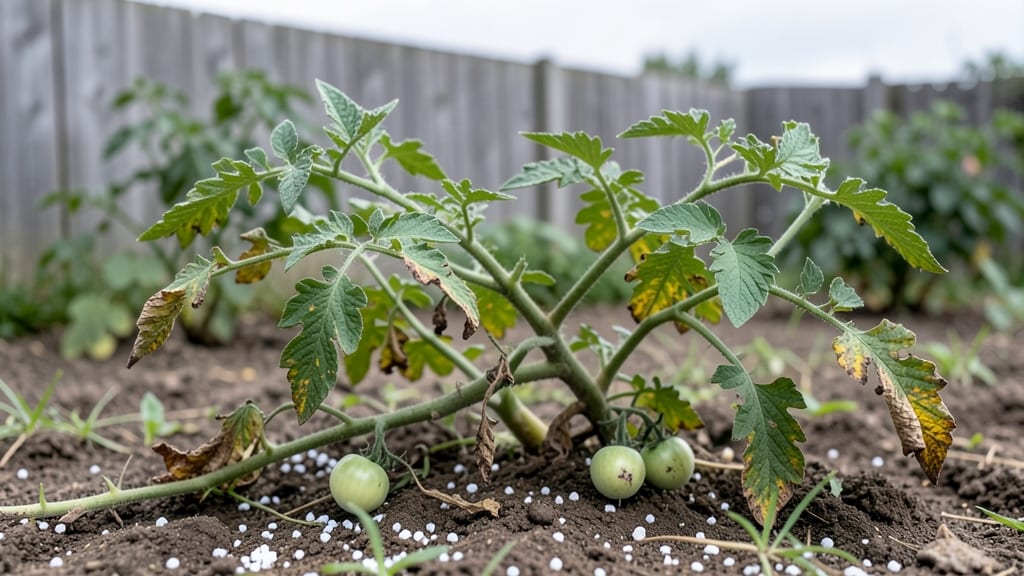
When your plant’s leaves turn crispy brown and the soil looks like salted caramel, you’ve got an over-fertilized plant on your hands. 🌱 I’ve nursed back more than a few from this exact mess—crusty soil, burnt roots, and all—using a simple water flush that saves the plant and your sanity.
The problem starts when fertilizer salts build up faster than roots can process them. You’ll spot white crust on the soil surface or see leaves curling like they’re begging for mercy.
My snake plant once looked like it’d been through a desert storm, but after a thorough flush, it bounced back within weeks. The key is acting fast before roots give up entirely.
By the end of the flush, your plant will start drinking water normally again. New growth appears within 2-3 weeks, and the soil returns to its natural crumbly texture.
You’ll know it’s working when those crispy edges soften and leaves perk up like they just got a drink of cold water.
This fix works for houseplants, vegetables, and even overzealous lawns. The secret? Patience and consistent watering—no more guessing how much fertilizer to use. Let’s get those roots breathing easy again.
Why it happens
Overdoing it with fertilizer might seem like a gardener’s shortcut to lush growth, but when plants get too much of a good thing, their roots can literally burn from the excess nutrients.
Understanding the root causes—literally—helps you avoid this common mistake and keep your plants thriving. Here’s why it happens, broken down into the most frequent culprits:
🔬 Overloading with Synthetic Fertilizers
Synthetic fertilizers are designed to deliver high concentrations of nitrogen (N), phosphorus (P), and potassium (K) in a fast-release form. While this can boost growth quickly, the salinity (salt content) in these fertilizers can overwhelm plant roots.
When soil becomes too salty, it disrupts the plant’s ability to absorb water and essential nutrients, leading to:
- Osmotic stress: Excess salts create a hypertonic environment, forcing water out of root cells and dehydrating them—even if the soil looks moist.
- Toxic buildup: High levels of ammonium (NH₄⁺) or nitrate (NO₃⁻) can accumulate in the root zone, poisoning delicate root hairs.
- pH imbalance: Many synthetic fertilizers are acidic or alkaline, shifting soil pH away from the ideal range (usually 6.0–7.0 for most plants). This locks out micronutrients like iron, manganese, and zinc.
Actionable insight: Always follow package instructions for application rates. For container plants, halve the recommended dose—they have less soil to dilute nutrients.
🌱 Ignoring Soil Type and Drainage
Not all soils handle fertilizer the same way. Clay soils, for example, bind nutrients tightly, preventing them from leaching away, while sandy soils drain so quickly that nutrients wash out—but over-fertilizing either type can backfire:
- Compacted soils: Poor drainage traps excess salts and fertilizers near the roots, creating a "salt crust" that blocks water uptake.
- Organic matter deficiency: Soil with low compost or humus lacks the microbial activity to break down fertilizers gradually. Without microbes to "buffer" nutrients, spikes in availability can burn roots.
- Container gardening risks: Potted plants have limited soil volume, so nutrients concentrate faster. Without regular leaching (flushing with water), salts build up in the root zone.
Actionable insight: Test your soil’s cation exchange capacity (CEC) and pH before fertilizing. Amend heavy clay with perlite or sand, and sandy soils with coconut coir or peat moss.
⏳ Frequent or Improper Timing
Plants have specific nutritional needs tied to their growth stages. Applying fertilizer too often or at the wrong time can overwhelm them:
- Over-fertilizing dormant plants: During winter or dry seasons, roots are less active. Excess nutrients sit in the soil, increasing salinity and risk of burn.
- Post-transplant shock: Newly planted seedlings or cuttings are still establishing roots. Fertilizing them immediately stresses their delicate systems.
- Heatwaves or drought: High temperatures accelerate nutrient uptake, but if the plant can’t absorb water fast enough, salts concentrate around roots.
Actionable insight: Follow a seasonal schedule—light applications in spring, heavier feeds during active growth, and none in fall/winter for temperate climates. Always water thoroughly after fertilizing to help nutrients penetrate deeper.
🧪 Using the Wrong Fertilizer Type
Not all fertilizers are created equal. Some deliver nutrients in forms that plants can’t handle in excess:
- High-ammonium fertilizers: These (like urea or ammonium sulfate) can acidify soil rapidly, harming beneficial microbes and making micronutrients unavailable.
- Slow-release vs. quick-release: Quick-release fertilizers (like water-soluble powders) spike nutrient levels immediately, while slow-release (coated granules) provide steady feeding. Mixing both can cause nutrient overload.
- Micronutrient overload: Trace minerals like boron or copper are needed in tiny amounts. Overapplying them can cause toxic buildup, even if the plant shows no immediate signs of deficiency.
Actionable insight: Choose fertilizers labeled for your plant type (e.g., tomatoes need more potassium; leafy greens crave nitrogen). For containers, opt for controlled-release or organic options like fish emulsion or worm castings.
💡 Pro Tip: Watch for These Early Warnings
Before roots burn, plants often show subtle signs of stress:
- ✅ Yellowing leaves (especially older ones) or crispy leaf edges—a sign of salt buildup.
- ✅ Stunted growth despite lush foliage (roots are struggling to absorb water).
- ✅ White crust on soil surface (visible salt deposits).
- ✅ Wilting even when soil is wet (osmotic stress blocking water uptake).
If you spot these, flush the soil immediately (more on how in the next section!). Prevention is easier than recovery—always err on the side of under-fertilizing rather than overdoing it.
Revive Your Plants: Step-by-Step Fixes
Overdoing it with fertilizer can feel like a gardening nightmare, but don’t panic—your plants can bounce back with the right care. The key is to flush out excess salts and nutrients while supporting recovery.
Below, we’ll tackle the most common causes of over-fertilization and match them with practical solutions, plus tips to keep your greens thriving long-term.
Symptoms: Crispy leaf edges, yellowing, or a white crust on soil. Fix: Give your plant a deep water flush to wash away accumulated salts.
- 🍳 Prepare a Clean Water Solution
- Use room-temperature, distilled, or rainwater (tap water can add more minerals).
- Avoid softened water (high in sodium).
- 👨🍳 Water Slowly and Thoroughly
- Water the soil until it drains completely from the bottom (check the saucer or pot’s drainage holes).
- Repeat 2–3 times over 2–3 days to ensure salts exit the root zone.
- ⏰ Monitor and Adjust
- After flushing, hold off on fertilizing for 2–4 weeks to let roots recover.
- If using hydroponics, replace 50% of the nutrient solution with fresh water.
💡 Pro Tip: For potted plants, place them in a sink or shallow tray to catch runoff while flushing.
Symptoms: Wilting despite wet soil, blackened or mushy roots, stunted growth. Fix: Dilute the soil’s potency and encourage root recovery.
- 🔪 Trim Damaged Roots (If Repotting)
- Gently remove the plant from its pot and rinse the roots with clean water.
- Snip off black, mushy, or slimy roots with sterilized scissors.
- Replant in fresh, sterile potting mix (avoid compost-heavy blends temporarily).
- 🌡️ Create a Recovery Environment
- Move the plant to a shady spot (bright, indirect light is ideal).
- Keep the soil moist but not soggy—stick your finger in to check the top 1–2 inches.
- Skip fertilizer for 4–6 weeks to let roots heal.
- ✨ Boost Microbial Life
- Add a beneficial fungus like Mycorrhizae or a mild compost tea (1 part compost to 10 parts water) to help roots regenerate.
💡 Pro Tip: If repotting isn’t an option, top-dress with 1–2 inches of fresh potting mix to dilute the affected layer.
Symptoms: Leaf drop, brown spots, or a "fertilizer burn" smell (like ammonia). Fix: Reset the nutrient balance and adjust feeding habits.
- 🥗 Switch to a Gentle Fertilizer
- Use a diluted, organic fertilizer (like fish emulsion or seaweed extract) at half-strength.
- Follow the label’s instructions for frequency—most houseplants only need feeding every 4–6 weeks in spring/summer.
- 🍎 Hydrate with Care
- Over-fertilized plants often need more water to flush out excess nutrients.
- Water deeply until water runs out the drainage holes, then empty the saucer to prevent root rot.
- 🎯 Prevent Future Overfeeding
- Less is more! Many plants thrive on monthly or bimonthly feeding during active growth.
- Stop fertilizing in fall/winter when growth slows.
💡 Pro Tip: If your plant is still struggling, try a foliar spray with diluted kelp or aloe vera juice to reduce stress.
Avoid future mishaps with these easy-to-follow rules:
- 📊 Check the Soil First: Before fertilizing, test soil moisture and pH (kits are cheap and save headaches).
- 🔄 Follow the "Rule of Thumb": If you’re unsure, under-fertilize—plants can recover from too little, but not always from too much.
- ⏳ Slow-Release is Your Friend: Use osmocote granules or spikes for steady, low-dose feeding.
- 🌧️ Rainwater > Tapwater: If your tap water is hard or treated with chemicals, opt for rainwater or filtered water for fertilizing.
- 📅 Keep a Fertilizing Calendar: Mark feeding dates on your calendar to avoid accidental overuse.
Remember: Patience is key—some plants take weeks to months to fully recover. With these steps, your over-fertilized plant will be back to its lush best in no time! 🌱
Frequently asked questions
What are the first signs my plant has too much fertilizer?
Watch for crispy brown leaf edges, yellowing leaves (especially older ones), or a white crust on the soil surface—these are classic salt buildup clues. You might also notice stunted growth or leaves curling inward, even if the soil looks moist. Act fast by flushing the soil immediately to prevent root damage.
How long does it take for a plant to recover from over-fertilizing?
Recovery time varies, but most plants show improvement within 2-4 weeks after a thorough flush and reduced feeding. For severely damaged roots, it may take 6-8 weeks. Focus on deep watering, indirect light, and avoiding fertilizer during this period to help roots heal.
Can I use coffee grounds to fix over-fertilized soil?
Yes, but use them carefully! Coffee grounds help dilute salts and improve soil structure, but add them sparingly—1/4 cup per gallon of soil is plenty. Mix them into the top layer and water thoroughly to prevent mold. For best results, combine with a flush and hold off on other fertilizers for 2-3 weeks.
Why does my plant wilt even when the soil is wet after over-fertilizing?
Excess salts create osmotic stress, forcing water out of root cells even when soil looks moist. The roots can't absorb water properly, causing wilting. Flush the soil immediately and repot if needed—this breaks the salt concentration and restores the plant's ability to hydrate.
Is it safe to fertilize my plant again after recovery?
Wait at least 4-6 weeks before resuming fertilization, and start with a half-strength dose of organic fertilizer. Monitor for early signs of stress (like leaf yellowing) and use slow-release options moving forward to prevent future overfeeding.