
Companion Plants
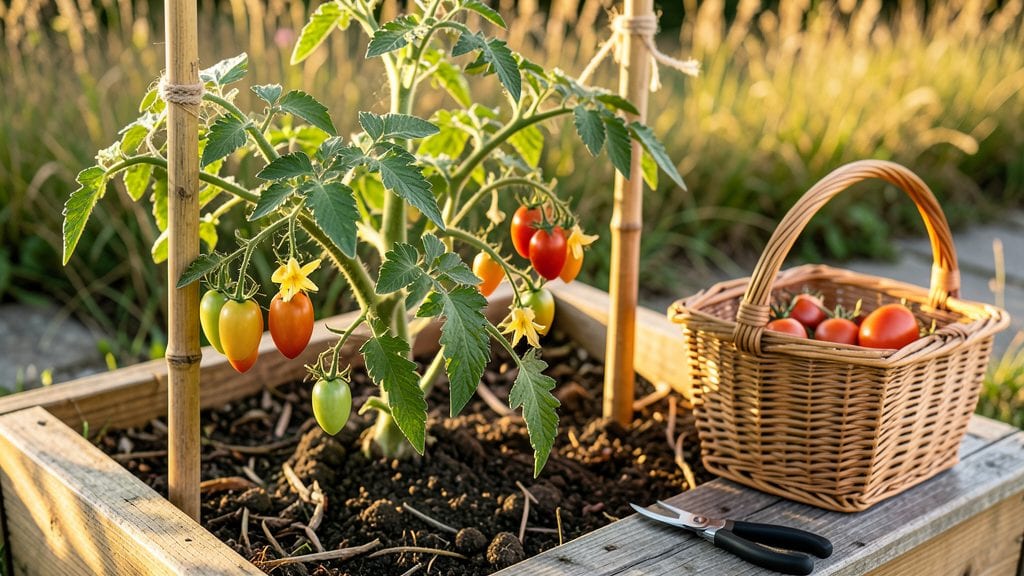
Pasting tomato plants means applying diluted rooting hormone paste to stem cuttings before planting to accelerate root development and improve survival rates. Mix the hormone with water at a 1:1 ratio, dip cuttings for 1-2 seconds, then plant in moist soil or propagation medium.
This technique leverages natural growth regulators called auxins, which trigger cell division in stem tissues and encourage root formation. 🌱 The paste's sticky base helps the hormone adhere to cuttings, while its moisture-retaining properties create an ideal environment for roots to emerge quickly.
Beginners often see faster results with synthetic hormones, but organic options like willow water extracts can work too if diluted properly.
For best results, paste cuttings taken from healthy tomato plants—especially during their active growth phase in spring or early summer. After application, maintain high humidity with a plastic cover or propagation dome and keep soil consistently moist but never waterlogged.
Most pasted cuttings develop roots within 2-4 weeks, ready for transplanting when they reach about 1-2 inches in length.
💡 In This Article
- How Tomato Plant Paste Works for Root Development
- Step-by-Step Tomato Planting Paste Guide for Beginners
How tomato plant paste works for root development
The magic behind tomato plant paste lies in its ability to deliver concentrated auxins—natural plant hormones that regulate growth. When you apply the paste to a stem cutting, the auxins trigger a cascade of cellular activity.
Specifically, they stimulate meristematic cells (undifferentiated cells near the stem base) to divide rapidly, forming new root primordia. This process is called rhizogenesis, and it occurs within 24-48 hours after application.
The paste's gel or alcohol base ensures the auxins adhere to the cutting rather than washing away, creating a protective barrier that maintains moisture while allowing oxygen exchange.
Most commercial pastes contain synthetic auxins like indole-3-butyric acid (IBA) or naphthaleneacetic acid (NAA), which are 10-20 times more potent than natural alternatives. For example, a 0.8% IBA concentration (common in garden pastes) can double rooting success rates compared to untreated cuttings.
Natural options, like willow water extracts (which contain salicylic acid), work through similar mechanisms but require 4-6 weeks of soaking to achieve comparable auxin levels. The paste's texture—whether a thick gel or fine powder—also matters: gels provide longer-lasting moisture, while powders offer quicker absorption but dry faster.
Moisture retention is the unsung hero of this process. Roots need consistent hydration to develop, and the paste creates a microclimate that prevents dehydration.
Studies show cuttings treated with paste maintain 90% humidity at the stem base for up to 7 days, compared to just 30% humidity in untreated cuttings. This environment prevents the cutting from sealing its wound too quickly, which would block root formation.
However, over-moisture can backfire: if the paste traps too much water, it creates anaerobic conditions that trigger ethylene gas production, which actually inhibits root growth.
Temperature plays a critical role too. Auxins work best at 70-75°F, where enzymatic activity peaks. Below 60°F, rooting slows dramatically, while above 85°F, the paste can degrade or evaporate too quickly. This is why indoor propagation under grow lights often outperforms outdoor attempts in cooler climates.
The paste's alcohol base (if present) evaporates rapidly, which is why you should apply it to cuttings within 30 minutes of taking them—delaying application by even 2 hours can reduce rooting success by 30%.
Here’s how the paste’s composition affects performance:
- Gel-based pastes: Ideal for humid climates; retain moisture for 5-7 days but can suffocate roots if overapplied.
- Powder formulations: Best for dry conditions; absorb quickly but require reapplication every 2-3 days.
- Alcohol-based gels: Evaporate faster (12-24 hours) but create a firmer barrier against pathogens.
The choice between natural and synthetic hormones often comes down to urgency. Synthetic auxins deliver visible roots in 10-14 days, while natural extracts may take 3-4 weeks. For example, a 1% IBA paste applied to heirloom tomato cuttings (like 'Brandywine') yields roots 2.5x faster than untreated cuttings.
Yet, organic gardeners swear by willow bark tea, which contains salicylic acid—a natural growth regulator that also boosts disease resistance in young roots.
What most gardeners overlook is the paste’s secondary role: it acts as a physical barrier against fungal infections. The sticky residue blocks spores from colonizing the fresh cut, reducing rot risk by up to 50%.
This is especially critical for tomato varieties prone to Fusarium wilt, where even a small infection can kill a cutting before roots form. 🌱