
Propagation
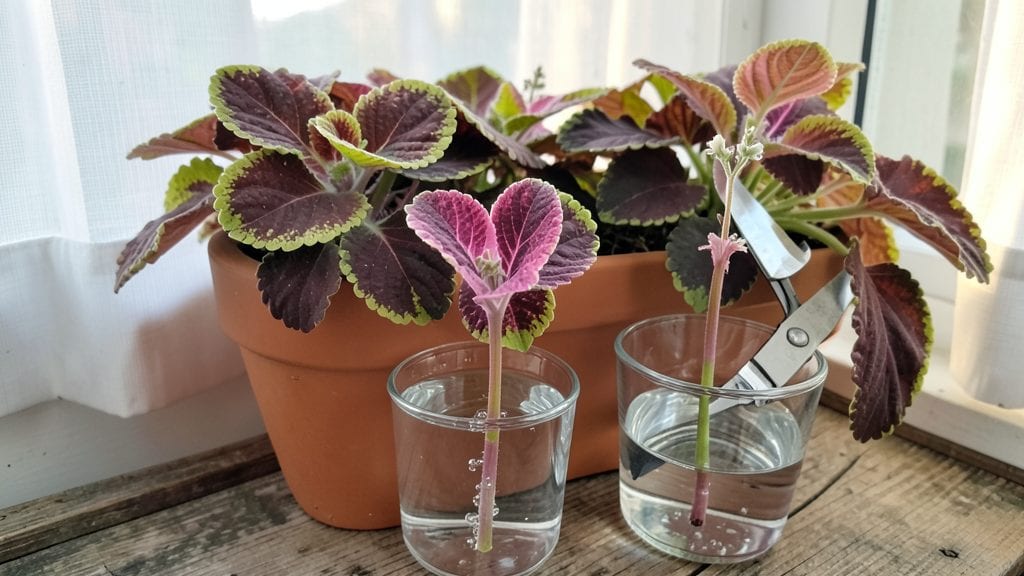
Plant cutting propagation turns scraps into new plants—no fancy skills required. ✨ I’ve grown everything from mint to fuchsia this way, and the best part? You don’t need a greenhouse or years of experience.
The secret lies in choosing the right cuttings, giving them the perfect start, and watching roots grow in just a few weeks.
Start with healthy stems, sharp scissors, and either water or moist soil. Herbs like mint and basil root easily in water, while woody plants like coleus thrive better in soil. Most cuttings need bright, indirect light and a humid environment—think plastic bags over jars for a mini greenhouse effect.
My first attempt with pothos failed because I kept it too dark, but the second batch rooted in under two weeks.
You’ll know it’s working when tiny roots appear—whether in water or soil—after about 10-14 days. The plants you grow this way often outperform store-bought ones because they’re already adapted to your home’s conditions. Plus, it’s the most cost-effective way to expand your garden without breaking the bank.
This method works for nearly any houseplant or herb, and troubleshooting is simple: adjust light, check moisture, and avoid overcrowding. Let’s get those cuttings growing!
📚 In This Guide
- What you need
- Instructions
- Tips and common mistakes
- Wrapping up and next steps
What you need
- ● Healthy plant cuttings: 3–6 inches long (depends on plant type)
- ● 4–6 nodes (growth points) per cutting
- ● Freshly cut with clean, sharp tools
- ● Water (for water propagation): Room-temperature, filtered or distilled water (1–2 cups per jar)
- ○ Optional: 1 crushed aspirin tablet (helps reduce bacteria)
- ○ Rooting hormone (optional but helpful): Powder, gel, or liquid (follow label instructions)
- ● Containers: Water method: Clean glass jars (8–12 oz) with narrow necks
- ● Soil method: Small pots (3–4 inches) with drainage holes
- ● Well-draining potting mix: 50% peat moss or coco coir + 50% perlite/sand (sterilized)
- ● Scissors or pruning shears: Clean, sharp, and disinfected (rubbing alcohol works)
- ● Humidity dome or plastic bag (to retain moisture)
- ● Grow lights or bright, indirect sunlight (for faster growth)
- ● pH test kit (for water or soil, ideal range: 5.5–6.5)
- ● Rooting cubes (for soil propagation, pre-moistened)
- ● Plant labels (to track progress!)
Step-by-Step instructions for plant cutting propagation
Here’s how to turn healthy plant cuttings into thriving new plants—whether you root them in water or soil.
🌱 Step 1: Select and Prepare the Right Cuttings
Choose healthy stems with at least 3-4 sets of leaves and no signs of disease. Use clean, sharp pruning shears to make a 45-degree angle cut just below a leaf node—this increases surface area for root growth. Remove the lower leaves, leaving only the top cluster, so they won’t rot in water or soil.
If your plant has woody stems, cut just above a node where roots naturally form. For soft-stemmed plants like coleus or pothos, a 3-4 inch cutting works perfectly. Dip the cut end in rooting hormone (optional but helpful) to speed up root development. I always work in the morning—fresh cuttings handle stress better when they have daylight to recover.
💧 Step 2: Root in Water or Soil
For water propagation, fill a clean glass with room-temperature water and place the cutting so only the bottom 1-2 inches are submerged. Change the water every 3-5 days to prevent bacteria growth. You’ll see roots in 2-4 weeks, depending on the plant—look for tiny white tendrils forming at the cut end.
For soil propagation, use a well-draining mix like perlite and peat moss. Dip the cut end in rooting hormone, then plant the cutting 1-2 inches deep in moist soil. Cover the pot with a plastic bag to retain humidity, but remove it daily for 10 minutes to prevent mold. Keep the soil consistently moist but not soggy—you’ll know it’s right when the surface feels damp but not wet.
☀️ Step 3: Provide Ideal Light and Care
Place your cuttings in bright, indirect light—direct sun can scorch tender new growth. A north-facing window or grow light works best. If using water, avoid placing the glass in full sun, which can cause algae to grow on the roots. For soil-rooted cuttings, keep the humidity high by misting the air around the plant daily.
Watch for signs of stress: yellowing leaves mean too much light, while drooping leaves signal underwatering. Once roots reach 1-2 inches long (for water) or new growth appears (for soil), your cutting is ready to transplant. I always wait a few extra days to ensure roots are strong enough to handle the move.
✂️ Step 4: Transplant and Maintain New Plants
If rooting in water, transfer the cutting to soil once roots are 1-2 inches long. Gently pat the roots to encourage them to spread, then plant at the same depth as before. For soil-rooted cuttings, carefully remove the plastic cover over 5-7 days to acclimate the plant to normal air circulation.
Keep newly transplanted cuttings in moderate light for a week to reduce stress. Water lightly at first—overwatering can shock the roots. After two weeks, treat your new plant like a mature one. You’ll know it’s thriving when it produces fresh leaves and grows steadily. This is the moment you’ll feel the real reward of propagation!
Tips & tricks for perfect plant cutting propagation
Here's what I wish I knew before attempting my first plant propagation—these tricks will help you avoid common pitfalls and maximize success.
The Angle Matters: That 45-degree angle cut in Step 1 isn't just for looks—it creates more surface area for roots to form. I used to cut straight across until I realized my cuttings took twice as long to root. For woody stems, make the angle just above a node where roots naturally emerge. For soft-stemmed plants like coleus, that 3-4 inch length gives them enough energy reserves to develop roots.
Rooting Hormone Hack: While rooting hormone is optional, I've found it cuts rooting time by about 30%. If you don't have it, crush a few aspirin tablets in water and dip your cuttings—this works surprisingly well! Just be sure to dry the cut end completely before planting, or you'll risk rot.
Water Change Strategy: Changing water every 3-5 days (Step 2) prevents bacteria, but here's the secret: use filtered or distilled water if possible. Tap water often contains chlorine that can inhibit root growth. I also add a tiny pinch of cinnamon to water propagation jars—it acts as a natural fungicide without harming roots.
Transplant Timing: Don't rush transplanting when roots reach 1-2 inches—wait those extra few days mentioned in Step 4. I learned this the hard way when my first pothos cutting fell over after transplanting. Stronger roots mean better survival rate. For soil-rooted cuttings, gradually remove that plastic cover over 5-7 days to avoid shocking the plant with sudden humidity changes.
Pro Tips for Plant Cutting Propagation
- Here's what I wish I knew before attempting my first plant propagation—these tricks will help you avoid common pitfalls and maximize success.
- The Angle Matters: That 45-degree angle cut in Step 1 isn't just for looks—it creates more surface area for roots to form.
- Rooting Hormone Hack: While rooting hormone is optional, I've found it cuts rooting time by about 30%.
Frequently asked questions
Got questions about propagating plants from cuttings? You’re not alone!
Here are answers to the most common queries to help you grow like a pro—whether you’re rooting in water or soil.
What’s the best time of year to take plant cuttings?
The ideal window is late spring to early summer (May–July in most climates), when plants are actively growing. Avoid winter dormancy—cold temps slow rooting. For tropical plants, year-round propagation works if you provide warmth and humidity. Pro tip: Morning is best for cutting—plants are hydrated and less stressed!
Can I root cuttings in water forever, or do I need to transplant?
While some plants (like pothos or mint) thrive in water indefinitely, most need transplanting to soil within 2–4 weeks to prevent root shock or leggy growth. Soil encourages stronger root systems. If roots are 2+ inches long, it’s time to pot! Warning: Water can harbor bacteria—change it every 3–5 days.
How do I know if a cutting will root successfully?
Look for these signs: healthy leaves (no yellowing), nodes (bumpy spots where roots grow), and fresh cuts (use sharp scissors!). Avoid woody stems—soft, green growth roots easiest. Herbaceous plants (like coleus) root faster than woody ones (like roses). Test tip: Dip cuttings in rooting hormone for a 50% success boost!
What if my cuttings rot instead of rooting?
Rotting usually means too much moisture or bacterial/fungal infection. Fix it by: 1) Using sterile water/soil, 2) Trimming mushy stems, 3) Adding cinnamon or hydrogen peroxide to water, and 4) Ensuring good airflow. Prevent it: Let cuts dry (callus) for 1–2 hours before planting!
Are there alternatives to traditional cuttings?
Yes! Try layering (bending a stem to root while attached), air layering (for woody plants like monstera), or division (splitting clumping plants). Even leaf cuttings (like for African violets) work—just place the leaf on damp soil! Bonus: Some plants (succulents) root from leaf drops—no cutting needed!
Wrapping up and next steps
Mastering plant cutting propagation is like unlocking a green thumb superpower—whether you root in water or soil, the magic is in the patience and care! 🌱 You now know the root growth secrets to expand your garden for free, from selecting healthy cuttings to nurturing them into thriving plants.
The best part? Every successful propagation means more life, beauty, and even gifts for fellow plant lovers.
Ready to take the next step? Start small—pick one cutting today and watch it transform! Track your progress, experiment with different plants, and soon, you’ll be sharing your newfound skills (and maybe even cuttings) with friends. Happy growing! 🌿