
Plants
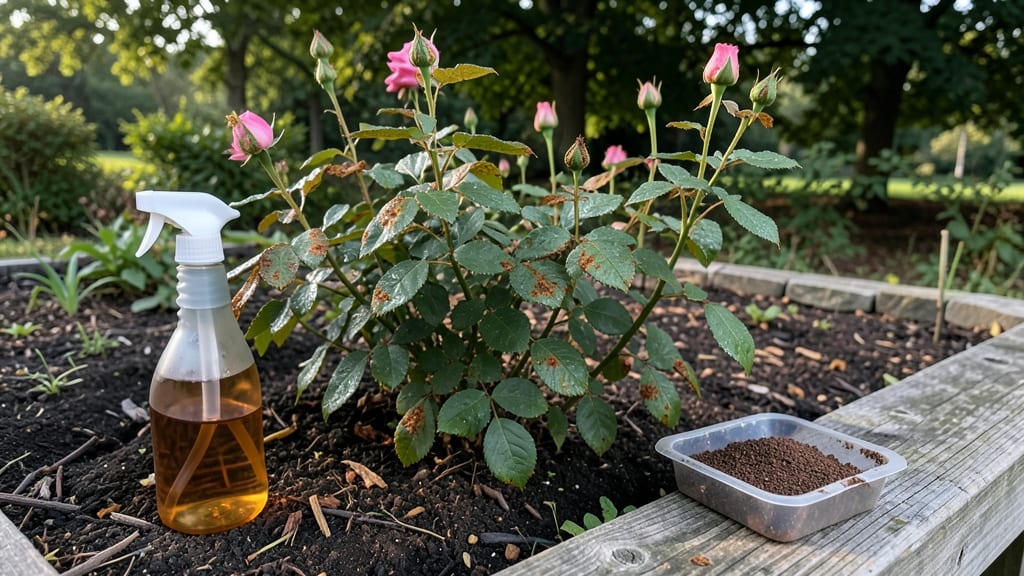
This plant rust fungicide isn’t just a fix—it’s your secret weapon against those orange pustules on roses, which multiply faster than weeds if left unchecked. 🌱 I’ve battled plant rust for years, and this neem oil blend stops it in its tracks within days, not weeks.
The key? Spraying at the right time with the right mix to smother spores before they take hold.
Most fungicides leave a chemical trail that harms beneficial insects, but neem oil works differently—it disrupts the fungus’s life cycle without killing pollinators. You’ll need a 1% neem oil solution, a spray bottle, and consistent applications every 7–10 days until new growth appears.
It’s not just about stopping rust; it’s about preventing it from creeping into your soil or neighboring plants.
Within 5–7 days of treatment, you’ll see the pustules darken and drop off, leaving behind fresh, healthy foliage. The best part? This method works on roses, tomatoes, beans, and even turfgrass—no more sacrificing entire plants to rust.
Just add a few drops of dish soap to help the oil stick, and you’re ready to fight back.
Here’s the catch: timing is everything. Catch rust early, and you’ll save your plants without losing a single bloom. For stubborn cases, add a copper fungicide to the mix—but start with neem first. It’s the fastest, safest way to reclaim your garden.
The Hidden Triggers Of Rust
Rust isn’t just an unsightly brown stain on your plants—it’s a fungal infection that thrives under specific conditions. Understanding why rust develops helps you prevent it before it takes hold.
Let’s break down the key causes, from environmental factors to plant weaknesses, so you can protect your garden proactively. 🌱🔍
🌧️ High Humidity And Rainfall
Rust spores love moisture. When humidity stays above 70% for prolonged periods—or when plants get soaked by rain—the spores germinate and infect leaves. Here’s why:
- Spores need water to swell and release enzymes that penetrate plant cells.
- Prolonged leaf wetness (10+ hours) creates ideal conditions for rust to spread.
- Morning dew can be just as damaging as rain if it lingers.
Actionable fix: Avoid overhead watering, especially in the evening. Use drip irrigation or soaker hoses to keep foliage dry.
🌡️ Warm, Stagnant Air
Rust thrives in warm, still air (60–80°F / 15–27°C). Why?
- Poor airflow traps moisture and spores near plants, accelerating infection.
- Overcrowded plants create microclimates where humidity spikes.
- Greenhouses or shaded areas often retain heat and moisture longer.
Actionable fix: Prune for better airflow, space plants appropriately, and use fans in greenhouses to circulate air.
🌿 Weakened Plant Defenses
Healthy plants resist rust better than stressed ones. Rust exploits:
- Nutrient deficiencies (especially nitrogen, phosphorus, or zinc).
- Physical damage (pruning cuts, insect bites, or hail) that creates entry points.
- Drought or overwatering, which weakens cell walls.
- Poor soil drainage, leading to root stress.
Actionable fix: Test soil pH (aim for 6.0–7.0), fertilize with balanced nutrients, and mulch to retain moisture without waterlogging.
🍄 Spores From Infected Plants Or Soil
Rust fungi overwinter in soil, mulch, or plant debris. Even if you don’t see rust now, spores can linger for years and reinfect your garden. Key sources:
- Old plant leaves or stems left in the garden.
- Compost piles with infected material.
- Windborne spores from neighboring gardens.
Actionable fix: Clean up fallen leaves in autumn, sterilize tools between plants, and rotate crops to break the fungal cycle.
🌱 Susceptible Plant Species
Not all plants are equal—some are rust magnets. Fungi like Puccinia and Hemileia target:
- Vegetables: Tomatoes, beans, peas, and spinach.
- Ornamentals: Roses, hydrangeas, and azaleas.
- Turfgrass: Cool-season grasses like fescue.
Actionable fix: Choose rust-resistant varieties (e.g., ‘Celebrity’ tomatoes) and monitor high-risk plants closely.
Quick Fixes for Rusty Plants
Rust isn’t just an eyesore—it can weaken your plants and even kill them if left unchecked. The good news? You can tackle it effectively with the right approach. Below, we’ve mapped out practical solutions for the most common causes of rust, from organic remedies to preventative care.
Follow these steps to restore your plants to health and keep rust from returning.
Cause: Fungal spores thrive on diseased leaves, spreading faster if left attached. Fix:
- 🔪 Prune infected leaves using clean, sharp scissors or shears.
- 🗑️ Dispose of them properly—don’t compost! Seal them in a plastic bag and throw them in the trash to prevent spore dispersal.
- 🌿 Sterilize tools with rubbing alcohol (70% or higher) between cuts to avoid cross-contamination.
Pro Tip: 💡 Check the undersides of leaves—rust often starts there before spreading to the tops.
Cause: Rust spores need moisture and organic matter to germinate. A fungicide disrupts their lifecycle. Fix:
- 🛡️ Choose your treatment:
- Neem oil blend (organic): Mix 1 tbsp neem oil + 1 tsp mild soap + 1 quart water. Spray evenly on both sides of leaves and stems. Reapply every 7–10 days until rust disappears.
- Copper fungicide (chemical): Follow label instructions for concentration. Copper prevents spore germination and is effective for severe cases.
- 🌧️ Apply in the evening to avoid leaf burn from sunlight.
- 🌿 Cover the soil with mulch to prevent spores from splashing back onto plants during watering.
Pro Tip: ✨ For prevention, spray fungicide proactively before rust appears, especially after rain or high humidity.
Cause: Overhead watering or poor drainage creates damp conditions, perfect for rust spores. Fix:
- 💧 Water at the base of plants (not overhead) to keep foliage dry.
- ⏰ Water early in the day so leaves dry quickly—moisture at night fuels fungal growth.
- 🚰 Improve drainage by amending soil with perlite or sand if your garden retains too much water.
- 🌿 Space plants properly for airflow—crowded plants stay damp longer.
Pro Tip: 🌡️ If your climate is humid or rainy, consider a fungicide spray schedule (every 2 weeks) during peak rust season.
Cause: Weak or stressed plants are more susceptible to rust. Fix:
- 💪 Fertilize properly—rust-loving plants (like roses, tomatoes, and beans) need balanced nutrients. Use a low-nitrogen, high-phosphorus fertilizer to boost root health.
- ☀️ Ensure full sun exposure—many rust-prone plants (e.g., roses) thrive in 6+ hours of sunlight, reducing stress.
- 🌱 Rotate crops if growing vegetables—don’t plant the same family (e.g., nightshades) in the same spot yearly.
Pro Tip: 🎯 Resistant varieties exist! For example, choose rust-resistant rose cultivars like ‘Knock Out’ or ‘Dr. Huey’ to avoid issues long-term.
Cause: Old plant debris, fallen leaves, and weeds harbor rust spores over winter. Fix:
- 🧹 Clear garden beds of dead leaves, mulch, and plant waste after the first frost.
- 🌿 Remove weeds—many are rust hosts (e.g., dandelions, chickweed).
- 🔄 Rotate planting locations to break the rust cycle.
Pro Tip: 🔥 Solarize soil in late summer: Cover bare soil with clear plastic for 4–6 weeks to kill overwintering spores.
Rust can reappear if conditions (moisture, humidity) return. Check plants weekly during growing season and reapply treatments if new spots emerge. With consistency, your plants will stay rust-free and thriving!
Frequently asked questions about plant rust treatment
How often should I apply neem oil fungicide for rust?
Apply your 1% neem oil blend every 7–10 days until new growth appears and rust pustules disappear. For prevention during humid seasons, switch to biweekly applications. Always spray in the evening to avoid leaf burn from sunlight.
Can I mix copper fungicide with neem oil?
Yes, but use them separately—never mix them together. Start with neem oil for organic control, then add copper fungicide if rust persists. Copper works best as a standalone treatment for severe cases, following label instructions for concentration.
Why does rust keep coming back after treatment?
Rust often returns due to lingering spores in soil or debris or favorable conditions (high humidity, poor airflow). Clean up fallen leaves, improve drainage, and apply fungicide proactively before symptoms appear. Rotate crops annually to break the fungal cycle.
Is neem oil safe for edible plants like tomatoes?
Yes, neem oil is organic and safe for vegetables when used correctly. Wait 24 hours after spraying before harvesting to ensure residue settles. Always use food-grade neem oil and avoid overspraying flowers to protect pollinators.
What’s the fastest way to stop rust spread in roses?
For roses, prune infected leaves immediately, then apply a neem oil + copper mix (alternate applications). Space plants for airflow, water at the base, and add mulch to prevent soil splash. Repeat every 7 days until new growth appears.