Trees
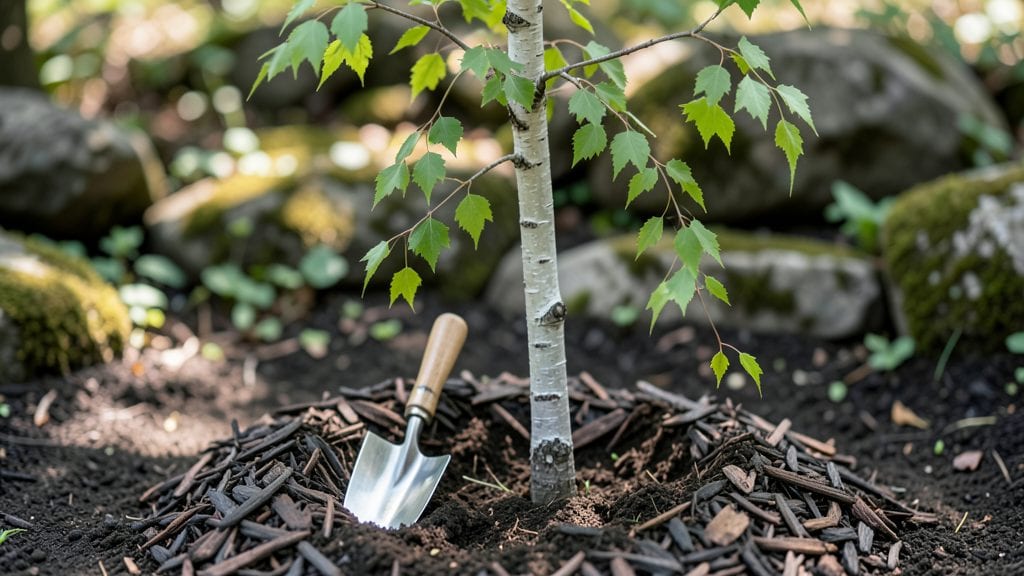
Fast-growing birch trees turn bare spots into shady, elegant escapes within just a few years. 🌿 I planted mine last spring, and by summer, their delicate branches already cast dappled shadows where my patio used to bake.
The key isn't just digging a hole—it's matching their needs for moist, well-drained soil and that perfect balance of sun and shade.
Birches thrive when you give them space to stretch their legs—think 15 to 25 feet apart for mature trees, depending on the variety. They love slightly acidic soil but won’t fuss if it’s neutral, and their roots appreciate staying damp, especially in hot months.
The real secret? Planting them in early spring or fall when the ground is cool but workable, not when it’s frozen or scorching.
You’ll see those signature white bark peeling like paper within a year, and the leaves will unfurl into heart-shaped greenery by midsummer.
With proper watering—deep soaks once a week for the first year—and a thick layer of mulch to keep roots cool, they’ll grow taller than your house before you know it.
Here’s where it gets interesting: birches handle wet soils better than most trees, making them perfect for low spots or near ponds. Just watch for bronze birch borer—those little pests love stressed trees. A quick inspection every spring keeps them at bay. Ready to plant yours?
📚 In This Guide
- What you need
- Instructions
- Tips and common mistakes
- Wrapping up and next steps
What you need
- ● Birch tree seedlings or saplings: 1–3 trees (depending on spacing needs; paper birch or yellow birch are popular choices).
- ● Size: 1–3 feet tall (young saplings root faster but may take longer to mature).
- ● Shovel or trowel: For digging holes (size depends on root ball—typically 2–3 times wider than the root ball).
- ○ Compost or well-aged manure: 5–10 gallons to enrich soil (optional but highly recommended for nutrient-poor soils).
- ● Mulch (wood chips or straw): 2–3 inches thick (keep 3–4 inches away from the trunk to prevent rot).
- ● Watering can or hose with a gentle spray nozzle: For consistent moisture (birch trees love water!).
- ● Garden gloves: To protect your hands from thorns (some varieties) and rough soil.
- ○ Stakes and twine (optional but helpful): For young trees in windy areas (1–2 stakes per tree).
- ● Soil test kit: To check pH (birch trees prefer slightly acidic to neutral soil, 5.0–7.0).
- ● Tree fertilizer (slow-release): Apply in early spring for a nutrient boost.
- ● Tree guard or protective wrap: To shield young trunks from pests or sun scorch.
- ● Pruning shears: For shaping or removing dead branches (sterilize with rubbing alcohol!).
- ● Drip irrigation system: For automated watering (great for larger plantings!).
Step-by-Step instructions for planting birch trees
Here's how to get your birch trees growing strong in no time—ideal for quick shade and natural privacy.
🌱 Step 1: Choose the Right Time and Location
Birch trees thrive when planted in early spring or fall, when soil temperatures are cool but not frozen. Avoid planting in extreme heat or drought conditions—they establish best when stress is minimal. Select a spot with partial shade to full sun (6+ hours daily), though younger trees appreciate afternoon shade in hotter climates.
Birches love well-draining soil with a slightly acidic pH (5.0–6.5). If your soil is heavy clay or compacted, amend it with 2–3 inches of compost mixed into the top 12 inches of soil. Test drainage by digging a 12-inch hole—if water pools after 30 minutes, raise the planting area or improve drainage with organic matter.
🪴 Step 2: Prepare the Planting Hole and Tree
Dig a hole twice as wide as the tree’s root ball but no deeper—birch roots are shallow and sensitive to burial. Loosen the sides of the hole with a shovel to encourage root spread. If planting bare-root trees (common for birches), soak the roots in water for 1–2 hours before handling to prevent drying.
Gently remove the tree from its container or burlap wrap, teasing apart any circling roots with your fingers. Place the tree in the hole so the top of the root ball sits 1–2 inches above ground level. This prevents soil from settling and suffocating the trunk. Birches hate being planted too deep—it causes rot and weak growth.
💧 Step 3: Backfill and Water Thoroughly
Fill the hole with the native soil you removed, tamping lightly every 2–3 inches to eliminate air pockets. Avoid compacting the soil too firmly—birch roots need loose, oxygen-rich soil to establish quickly. Once the hole is half-filled, create a watering basin around the base by mounding soil outward in a 6-inch-wide ring.
Water deeply (about 5 gallons) to settle the soil and eliminate air gaps. The goal is to moisten the entire root zone without creating a soggy mess. Mulch the basin with 2–3 inches of wood chips or bark, keeping mulch 6 inches away from the trunk to prevent rot. Water again after mulching to help it settle and retain moisture.
☀️ Step 4: Stake and Protect Young Trees
Birch trees have shallow but wide-spreading roots, so staking is optional but helpful in windy areas. If staking, use two stakes placed 6 inches from the trunk on opposite sides, tied loosely with soft fabric strips (never wire—it cuts into bark). The stakes should only provide light support while the tree establishes; remove them after 1–2 years to avoid girdling.
Protect young birches from deer, rabbits, and voles with a tree guard (available at nurseries) or a wire cage wrapped around the trunk. These pests love tender birch bark, and a single chew can kill a small tree. Water once a week during the first growing season, aiming for 1–2 inches of water per week—more in extreme heat. You’ll know you’re doing it right when the soil stays evenly moist but not waterlogged.
⏰ Step 5: Monitor and Maintain for Fast Growth
Birches grow fast—expect 1–2 feet of height gain per year under ideal conditions. Fertilize lightly in early spring with a balanced 10-10-10 fertilizer (follow package rates), but skip fertilizer in the first year if your soil is amended. Over-fertilizing stresses young trees and attracts pests.
Prune only to remove dead, broken, or crossing branches in late winter or early spring. Never "top" a birch—this practice invites disease and weakens the tree’s natural shape. Watch for yellowing leaves, which often signal overwatering or poor drainage. Adjust your watering if leaves stay soggy or wilt despite moisture. With proper care, your birch will provide elegant shade and privacy in just a few years.
Tips & tricks for planting birch trees
Here's what I've learned from planting dozens of birch trees—these tricks will help you avoid common mistakes and get your trees off to a flying start.
The 30-Minute Drainage Test: That 30-minute water test in Step 1 is your best friend. If water pools after 30 minutes, you've got drainage issues that birches hate. To fix it fast, mix in coarse sand or perlite with your compost—this creates instant drainage channels. I've seen birches struggle in heavy clay, but with this tweak, they thrive.
Root Ball Placement Secret: In Step 2, when positioning your tree, don't just eyeball it—use a level tool to ensure the top of the root ball sits exactly 1-2 inches above ground level. I learned this the hard way when my first birch developed rot from being planted too deep. A simple level makes all the difference for long-term health.
Watering Wisdom: The 5-gallon deep watering in Step 3 should feel like a gentle rain, not a flood. I like to use a hose with a slow setting to avoid disturbing the soil. For the first 2 weeks, check soil moisture by sticking your finger 2 inches deep—it should feel damp but not wet. Overwatering is the #1 killer of young birches.
Mulch Magic: That 2-3 inches of mulch in Step 3 isn't just decoration—it's insulation. Apply it right after watering so it settles properly. I've found that pine straw works better than wood chips for birches because it stays loose and allows better air circulation at the roots. Just remember to keep it 6 inches away from the trunk to prevent moisture buildup.
Pro Tips for Planting Birch Trees
- Here's what I've learned from planting dozens of birch trees—these tricks will help you avoid common mistakes and get your trees off to a flying start.
- The 30-Minute Drainage Test: That 30-minute water test in Step 1 is your best friend.
- Root Ball Placement Secret: In Step 2, when positioning your tree, don't just eyeball it—use a level tool to ensure the top of the root ball sits exactly 1-2 inches above ground level.
Frequently asked questions
Got questions about planting birch trees? You’re not alone! Here are answers to the most common concerns—from timing to troubleshooting—to help you grow a stunning birch grove with confidence.
When is the best time to plant birch trees?
Spring (after the last frost) or early fall (4-6 weeks before the first frost) are ideal. Birches establish roots quickly in cooler soil, reducing stress. Avoid planting in extreme heat or winter—young trees need time to adapt!
How far apart should I space birch trees for privacy?
For a dense, fast-growing screen, plant birches 10–15 feet apart. Paper birches (like Betula papyrifera) grow 40–60 feet tall but stay narrow, while yellow birches (Betula alleghaniensis) spread wider. Adjust spacing based on your desired maturity height!
Why are my birch tree leaves turning yellow or brown?
Yellowing leaves often signal overwatering, nutrient deficiency (like iron or nitrogen), or fungal diseases (e.g., birch leaf spot). Check soil drainage, mulch properly, and fertilize in early spring. If spots appear, prune affected branches and treat with fungicide if needed.
Can I plant birch trees in containers or small yards?
Yes! Dwarf varieties like Betula nigra ‘Heritage’ (river birch) or Betula pendula ‘Fastigiata’ (weeping birch) thrive in containers (15–20 gallon pots) or tight spaces. Ensure pots have drainage holes and use well-draining soil. Just know they’ll need repotting every 2–3 years.
Are birch trees deer-resistant?
Not exactly! Young birch saplings are a deer delicacy. Protect them with tree guards or repellent sprays. Mature birches are less appealing, but deer may still browse in winter. Consider fencing or companion planting with deer-resistant shrubs like boxwood or barberry.
How do I revive a struggling birch tree?
Start by watering deeply but infrequently (birches hate soggy roots). Aerate compacted soil, add organic mulch (2–3 inches), and fertilize with a balanced 10-10-10 mix in spring. Prune dead branches and watch for pests like bronze birch borers—treat infestations early with insecticidal soap.
Still unsure? Drop your birch-tree questions in the comments—we’re happy to help!
Wrapping up and next steps
Planting birch trees is a rewarding way to add fast-growing beauty and natural privacy to your landscape—whether you’re a seasoned gardener or just starting out. 🌳 Their delicate trunks, vibrant foliage, and shade benefits make them a standout choice for both aesthetics and practicality.
With the right preparation, soil, and care, you’ll soon enjoy their elegant presence while reaping the long-term rewards of a thriving, low-maintenance addition to your outdoor space.
Ready to get started? Mark your calendar for early spring or fall—when conditions are perfect—and take that first step toward a greener, more serene yard. Happy planting! 🌱