
Vegetables
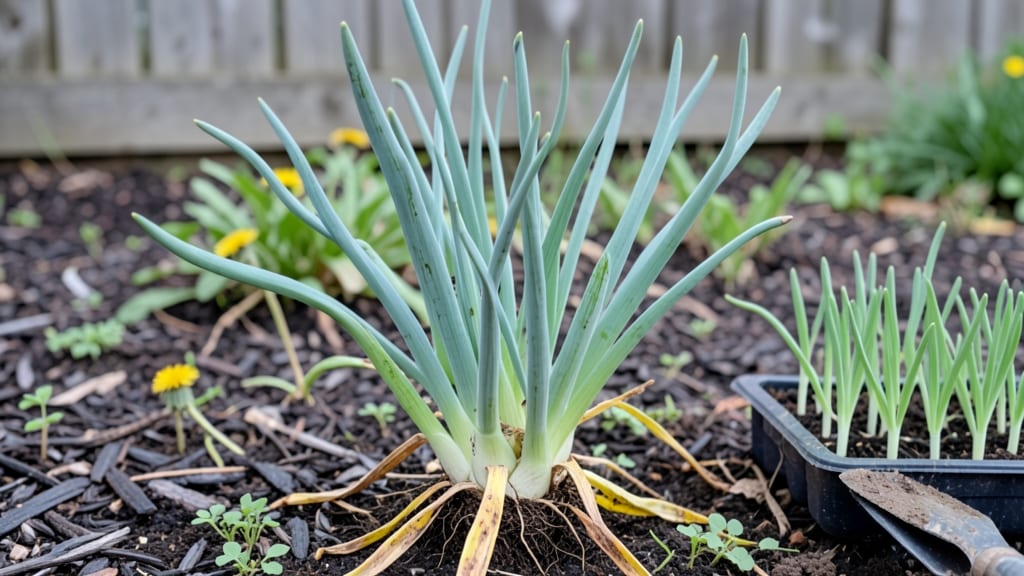
Planting bunching onions is the fastest way to get fresh, mild greens on your table in just 30 days—no waiting months for bulbs to mature. I’ve grown them every spring for quick salads, and they’re shockingly resilient once you get the spacing right.
The secret lies in loose soil and consistent moisture, not fancy techniques.
You’ll need a sunny spot with at least 6 hours of light, a packet of seeds or starts, and a soil mix that drains well but holds moisture.
Plant them ½ inch deep and 2 inches apart—crowding them too close leads to weak stems. Water gently after planting, and you’ll see sprouts in 5-7 days.
By day 30, you’ll have 12-inch-tall green bundles ready to harvest. The flavor stays mild and sweet if you snip outer stalks first, letting the center grow thicker. These grow so fast that even beginners can’t mess them up—just keep the soil damp and pull weeds early.
Perfect for succession planting every 2 weeks through summer. They thrive in cool weather but bolt quickly in heat, so time your last planting 6 weeks before your first frost. The greens stay crisp even after cutting, making them a kitchen workhorse.
📚 In This Guide
- What you need
- Instructions
- Tips and common mistakes
- Wrapping up and next steps
What you need
- ● Bunching onion seeds: 1–2 packets (about 200–400 seeds, depending on desired yield). Opt for varieties like Evergreen Hardy White or Tokyo Long White for quick harvests.
- ● Growing containers or garden bed: Containers: 5–10-inch deep pots (3–5 plants per pot) or a raised bed (12" deep). Use at least 1 container per 4–6 plants.
- ● Garden bed: Well-draining soil in a sunny spot (6+ hours of light daily). Avoid soggy soil!
- ● Potting mix: 1–2 bags of seed-starting mix or well-draining garden soil (sterilized if reusing). Avoid heavy clay soil.
- ○ Fertilizer: Optional but helpful: Balanced 10-10-10 or fish emulsion (diluted to half-strength) for transplanting.
- ● Slow-release option: Granular compost or worm castings mixed into soil.
- ● Watering can or hose: With a gentle spray nozzle to avoid displacing seeds.
- ● Plant labels: Small stakes or markers to track varieties (if growing multiple types).
- ● Sunlight: Full sun (6+ hours/day). Partial shade (4–6 hours) works but may slow growth.
- ● Temperature: Ideal germination range: 50–85°F (10–29°C). Start indoors if temps dip below 40°F (4°C).
- ● Spacing: Containers: 2–3 inches apart.
- ● Garden beds: 4–6 inches apart in rows spaced 12 inches apart.
- ● Watering routine: Keep soil consistently moist (not waterlogged) until harvest. Drip irrigation or soaker hoses work well.
- ○ 🌱 Soak seeds overnight in water to speed up germination (optional but handy for faster sprouts!).
- ● 🔄 Test your soil—bunching onions prefer a pH of 6.0–7.0. Adjust with lime (to raise pH) or sulfur (to lower) if needed.
- ● 🛡️ Use row covers if pests (like onion flies) are a problem in your area.
Step-by-Step instructions for planting bunching onions
Here's how to grow these quick-harvesting greens in just 30 days with minimal effort.
Prepare the Soil for Optimal Growth
Bunching onions thrive in loose, nutrient-rich soil that drains well. Work the first 6 inches of soil with a garden fork to break up compaction and improve aeration. If your soil is heavy clay, mix in 2 gallons of compost per 4 square feet to lighten the texture and boost fertility. These greens are shallow-rooted, so focus on the topsoil quality—they won’t tolerate soggy conditions.
Test the soil pH with a simple kit; aim for a range of 6.0 to 7.0. If your soil is too acidic, sprinkle 1 cup of garden lime per 10 square feet and work it in a week before planting. Avoid fresh manure, which can burn tender onion roots. Instead, use well-aged compost or a balanced 10-10-10 fertilizer at ½ pound per 100 square feet for a gentle nutrient boost.
Plant Seeds or Transplants at the Right Depth
For seeds, sow them ¼ inch deep, spacing them 1 inch apart in rows 12 inches apart. Press the soil lightly over the seeds to ensure good seed-to-soil contact, but don’t compact it. If using transplants, dig holes just deep enough to cover the roots without burying the base of the green tops. Bunching onions grow best when their tops aren’t smothered—keep them slightly exposed to light immediately after planting.
Water gently but thoroughly right after planting to settle the soil around the seeds or roots. Use a fine-mesh spray nozzle to avoid dislodging small seeds. Mulch with 1 inch of straw to retain moisture and suppress weeds, but keep the mulch 2 inches away from the plant bases to prevent rot. This layer also moderates soil temperature, which speeds up germination and early growth.
Maintain Consistent Moisture and Light
Keep the soil evenly moist but never waterlogged—bunching onions are drought-tolerant once established, but young plants need steady moisture. Water 1 inch per week, adjusting for rainfall. Let the top ½ inch of soil dry out between waterings to prevent fungal diseases like onion rot. Early morning watering minimizes evaporation and gives leaves time to dry before nightfall.
Place bunching onions in a spot with full sun (6+ hours daily) for the fastest growth. If your climate is hot, provide afternoon shade during peak summer months to prevent bolting—the unwanted flowering that turns greens bitter. You’ll notice leaves growing 1-2 inches per week under ideal conditions. Harvest outer leaves as needed, but leave the center to keep producing.
Thin and Harvest for Continuous Production
When seedlings reach 2 inches tall, thin them to 3 inches apart in rows. Use sharp scissors to cut unwanted plants at soil level rather than pulling, which disturbs nearby roots. This reduces competition and ensures stronger, larger bunches. Thin in stages over 2 weeks to avoid shocking the remaining plants.
Harvest outer leaves when they reach 6-8 inches long, cutting them ½ inch above the base with clean shears. This encourages the center to produce more greens. You’ll get 3-4 harvests per season from a single planting. If the entire bunch yellows or bolts, pull it and compost it—don’t let it go to seed, as it’ll reduce next year’s crop quality.
Extend the Season with Simple Techniques
For a fall harvest, plant seeds 8-10 weeks before your first frost date. Use row covers to protect young plants from light frosts, which actually sweeten the flavor. In spring, start a second crop 4-6 weeks before your last frost for early greens. Succession planting every 2 weeks ensures a steady supply all season long.
To overwinter bunching onions in cold climates, mulch heavily with 3 inches of straw after the ground freezes. This insulates roots and keeps greens producing until snow covers the bed. In warmer zones, they’ll grow year-round with consistent moisture. The key to fast, continuous harvests is thinning early, watering wisely, and harvesting regularly—no fancy tricks needed.
Tips & tricks for perfect bunching onion planting
Fast-growing greens in just 30 days means timing and technique are everything—here's how to maximize your harvest without the guesswork.
Soil Preparation is Non-Negotiable: The 6 inches of aerated soil in Step 1 isn't just about drainage—it's about creating the perfect environment for those shallow roots. I've found that adding a thin layer of coarse sand (about ½ inch) mixed into the top 2 inches of soil helps prevent compaction even further. This mimics the loose texture bunching onions crave, and you'll notice seedlings emerge more uniformly when you follow this step. The key is working the soil while it's slightly moist, not bone-dry or muddy.
Seed Placement Precision: Those ¼-inch deep seed placements in Step 2 require gentle hands—press the soil lightly enough to maintain contact but firmly enough to anchor seeds. I use my thumb to create small dimples for each seed, then cover with a fine sift of soil. This method prevents seeds from being buried too deeply, which can delay germination. For transplants, resist the urge to bury them too deeply—the green tops need immediate light exposure to prevent legginess.
Watering Strategy for Speed: The 1 inch per week guideline in Step 3 is perfect, but timing matters more than quantity. I water deeply in the morning every other day (½ inch each time) rather than daily shallow waterings. This encourages roots to grow deeper faster, which translates to faster leaf production. The top ½ inch drying rule is critical—it prevents fungal issues while still maintaining moisture for those rapid 1-2 inch weekly growth spurts you'll see under ideal conditions.
Thinning Technique Matters: When thinning to 3 inches apart in Step 4, don't rush this process. I wait until seedlings are 2 inches tall but still have soft stems—this makes cutting easier and reduces shock to remaining plants. Use sharp scissors to cut at soil level rather than pulling, which disturbs nearby roots. The 2-week thinning window gives you flexibility, but don't drag it out longer than necessary as crowded plants compete for nutrients, slowing your 30-day growth goal.
Pro Tips for Planting Bunching Onions
- Fast-growing greens in just 30 days means timing and technique are everything—here's how to maximize your harvest without the guesswork.
- Soil Preparation is Non-Negotiable: The 6 inches of aerated soil in Step 1 isn't just about drainage—it's about creating the perfect environment for those shallow roots.
- Seed Placement Precision: Those ¼-inch deep seed placements in Step 2 require gentle hands—press the soil lightly enough to maintain contact but firmly enough to anchor seeds.
Frequently asked questions
Got questions about growing bunching onions? You’re not alone! Here are some of the most common concerns—and their easy answers—to help you grow lush, fast greens in no time.
How close together can I plant bunching onions?
Space them 2–3 inches apart in rows that are 12–18 inches apart. This gives them enough room to grow without competing for nutrients. If you’re planting in containers, aim for 1 plant per 1–2 inches of space—they’ll bunch up beautifully!
Can I plant bunching onions in late summer or fall?
Yes! They’re cold-hardy and can be planted up to 6–8 weeks before your first frost. In fact, many gardeners swear by a fall harvest for sweeter, milder greens. Just avoid planting too close to winter—you’ll want at least 4–6 weeks of growth before cold sets in.
What if my bunching onions bolt (go to seed) early?
Bolting happens when they sense long days + heat. To prevent it:
- Choose slow-bolting varieties like ‘Evergreen Hardy White’ or ‘Tokyo Long White.
- Plant in partial shade if summers are scorching.
- Harvest outer leaves first to keep the center growing.
Are bunching onions the same as green onions or scallions?
Yes and no! They’re all the same plant (Allium fistulosum), but the terms vary by region:
- Bunching onions: Grown for their long, hollow leaves (no bulb).
- Green onions/scallions: Often refer to young plants with tiny bulbs.
- Spring onions: Typically have a small bulb.
Can I grow bunching onions in containers or indoors?
They thrive in containers 6+ inches deep with well-draining soil. For indoors:
- Use a sunny windowsill (6+ hours of light).
- Add a grow light if natural light is weak.
- Harvest leaves as needed—they’ll keep producing!
Wrapping up and next steps
Planting bunching onions is a rewarding and fast-growing way to add fresh, flavorful greens to your garden in just 30 days! 🌱 Whether you’re a beginner or a seasoned gardener, their low-maintenance nature makes them perfect for small spaces, containers, or even kitchen windowsills.
With the right soil, spacing, and care, you’ll soon enjoy a steady harvest of crisp, mild onions to elevate your meals.
Ready to dive in? Start today by gathering your seeds, prepping your growing area, and watch your garden transform into a lush, green harvest in no time!