
Trees
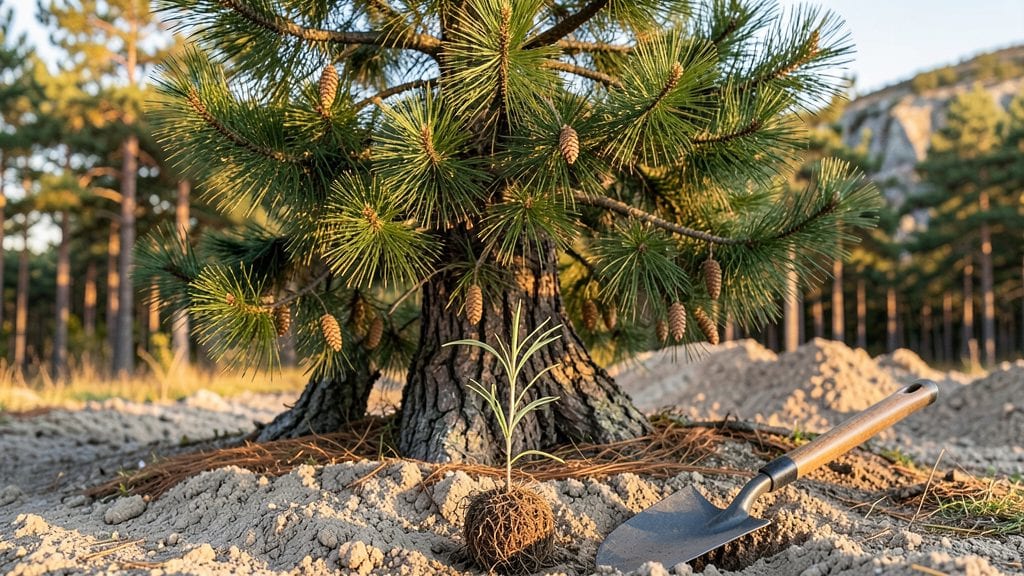
Planting evergreen trees the right way means they’ll stand strong for decades—no wobbly roots or early decline. 🌲 I learned the hard way when my first pine leaned after just three years, and the fix came down to soil layers that mimic its natural forest home.
The secret isn’t just digging a hole—it’s creating a root-friendly foundation that holds moisture, drains well, and stays stable through storms.
Start with a hole twice as wide as the root ball but no deeper—evergreens hate sitting too low. Mix the native soil with 1/3 compost and a handful of slow-release fertilizer, then mound it in the bottom of the hole.
This layered approach prevents root rot while giving young roots room to spread. For sandy soils, add a bit of peat moss to hold moisture; for clay, work in perlite to improve drainage.
Most evergreens—pines, spruces, firs—thrive when planted in fall or early spring, when temperatures are cool but not freezing.
After planting, water deeply until the soil settles, then create a 4-inch-high berm of soil around the root zone to direct water where it’s needed. Mulch with 2-3 inches of wood chips, keeping it 6 inches away from the trunk to prevent rot.
Your tree will thank you with faster establishment and fewer brown needles next summer. The key is patience—evergreens grow slowly, but with the right soil setup, they’ll reward you for years.
This method works for almost any evergreen, from dwarf Japanese black pines to towering Douglas firs. Just adjust the hole size and soil mix based on your tree’s mature height—taller varieties need deeper, wider planting zones. Stick with these basics, and your evergreens will outlast your mailbox.
📚 In This Guide
- What you need
- Instructions
- Tips and common mistakes
- Wrapping up and next steps
What you need
- ● Evergreen tree saplings: Choose 1–3 healthy, well-rooted trees (species-specific to your climate).
- ● Shovel or digging spade: 1 medium-sized (16–20 inches wide) for planting holes.
- ● Garden gloves: 1 pair (heavy-duty, water-resistant for comfort).
- ● Watering can or hose: With a gentle spray nozzle (or 5+ gallons of water per tree).
- ● Mulch (pine straw, wood chips, or shredded bark): 2–3 bags (3–4 cubic feet each).
- ○ Soil amendments (optional but recommended): Compost (1–2 bags, 4–6 cubic feet total).
- ● Organic fertilizer (e.g., 10-10-10 or slow-release granules, 1–2 lbs per tree).
- ● Staking supplies (if needed): 2–3 wooden or metal stakes (4–5 feet tall).
- ● Soft tree ties or rubber stakes (3–5 per tree).
- ● Soil test kit: To check pH and nutrient levels (ideal pH for evergreens: 5.0–7.0).
- ● Root stimulator: Powder or gel to boost root growth (follow label instructions).
- ● Pruning shears: For trimming dead branches post-planting.
- ● Drip irrigation system: For consistent watering (especially in dry climates).
- ● Weed barrier fabric: To suppress weeds around the base (lay under mulch).
Step-by-Step guide for planting evergreen trees
Here's my foolproof method for planting evergreens that thrive for decades—not just years.
🌱 Step 1: Choose the Right Spot and Dig the Hole
Select a location with 6+ hours of sunlight daily and space for mature growth—evergreens hate crowded roots. I dig the hole twice as wide as the root ball but only as deep as the container's height. This prevents burying the trunk too deep, which causes rot.
Loosen the soil at the bottom with a shovel or your hands. Evergreens need good drainage, so if your soil feels compacted, mix in a handful of sand or grit. I always check for buried rocks—removing them now saves future root damage.
💧 Step 2: Prepare the Root Ball and Soil
Remove the tree from its container and gently loosen the roots around the edges with your fingers. If roots are circling tightly, make 2-3 vertical cuts to encourage outward growth. This step is critical—root-bound trees struggle for years.
Fill the hole with a mix of native soil and compost or aged manure (about 1/3 compost to 2/3 soil). Evergreens love slightly acidic soil, so if yours is alkaline, add a handful of peat moss. Water this mix until it's damp but not soggy.
🪴 Step 3: Plant and Backfill with Layered Soil
Place the tree in the hole so the top of the root ball sits 1-2 inches above ground level. Fill the hole halfway with soil, then water deeply to settle it. This layered approach prevents air pockets that strangle roots.
Finish filling the hole, tamping soil gently as you go. Avoid compacting it—evergreen roots need air. Once planted, create a 2-inch-deep watering basin around the base to direct irrigation.
☀️ Step 4: Mulch and Water for Long-Term Health
Spread 3-4 inches of mulch (wood chips or bark) around the base, keeping it 6 inches away from the trunk. Mulch retains moisture and regulates soil temperature, but too close causes rot. I always water deeply right after mulching to help it settle.
Water once a week for the first month, then taper to every 2-3 weeks once established. Evergreens need consistent moisture but hate soggy roots. You'll know it's right when the top inch of soil feels damp—not wet.
⏰ Step 5: Stake and Protect for First Year
If your tree is tall or top-heavy, use 2 stakes placed diagonally from the trunk. Tie loosely with soft fabric strips—tight ties cut into bark as the tree grows. This gives young evergreens stability without restricting growth.
Protect newly planted trees from deer or rabbits with a wire mesh cage around the base. I've seen too many healthy saplings decimated overnight. After the first winter, your tree will be strong enough to handle pests on its own.
Tips & tricks for perfect evergreen tree planting
A few key tricks will help your evergreens establish strong roots and thrive for decades. Here's what I've learned from years of trial and error in the garden.
Soil Preparation is Everything: In Step 1, when you're digging that hole twice as wide as the root ball, take an extra moment to test the soil drainage. Fill the hole with water and watch how quickly it drains—if it pools for more than 15 minutes, mix in extra sand or grit to improve drainage. Evergreens despise soggy roots, and this simple test prevents years of root rot down the road.
Root Ball Rescue Technique: During Step 2, when you're loosening those roots, don't just poke around the edges—look for any roots that have completely circled the container. These are the ones that will strangle your tree's growth if left unchecked. Make 2-3 vertical cuts with a sharp knife to encourage outward growth. I've seen trees with roots circling 3-4 times around the container—these need immediate attention to prevent stunted growth.
Layered Soil Science: The half-and-half backfilling method in Step 3 isn't just about preventing air pockets—it's about creating the perfect environment for root expansion. When you fill halfway and water deeply, you're actually teaching the roots where to grow. The settled soil creates a natural barrier that guides roots outward rather than upward. This technique has given me evergreens with root systems that spread like a web, not just grow downward.
Mulch Placement Matters: When you spread that 3-4 inches of mulch in Step 4, resist the urge to pile it right against the trunk. That 6-inch gap isn't arbitrary—it prevents moisture buildup that leads to rot. Think of it like creating a donut shape around your tree, with the trunk as the hole. This simple adjustment has saved me from losing multiple trees to trunk rot over the years.
Pro Tips for Planting Evergreen Trees
- A few key tricks will help your evergreens establish strong roots and thrive for decades.
- Soil Preparation is Everything: In Step 1, when you're digging that hole twice as wide as the root ball, take an extra moment to test the soil drainage.
- Root Ball Rescue Technique: During Step 2, when you're loosening those roots, don't just poke around the edges—look for any roots that have completely circled the container.
Frequently asked questions
Got questions about planting evergreen trees?
You’re not alone! Here are answers to the most common concerns—from timing to troubleshooting—so you can plant with confidence.
When is the best time to plant evergreen trees?
The ideal window is late fall to early spring (October–March in most climates). This avoids extreme heat or drought stress. If planting in summer, do it in early morning or late evening and water deeply. Evergreens planted in fall also benefit from winter’s natural watering (snow!).
How deep should I plant an evergreen tree?
Dig a hole twice as wide as the root ball but no deeper than it was in the nursery. The top of the root flare (where roots meet the trunk) should sit just above ground level. Over-planting suffocates roots; under-planting exposes them to drying winds. Use a level tool to check!
How often should I water newly planted evergreens?
Water deeply 2–3 times per week for the first year (or daily in extreme heat). Aim for 1–1.5 inches of water per session. After establishment, reduce to once a week (more in drought). Mulch 3–4 inches deep (keep it away from the trunk) to retain moisture and regulate soil temperature.
Can I plant evergreens in containers instead of the ground?
Yes! Use a large container (minimum 5-gallon for small trees) with drainage holes and well-draining soil. Choose dwarf varieties (like ‘Blue Rug’ juniper) for long-term success. Repot every 2–3 years and fertilize monthly in growing season. Note: Container-grown evergreens may need winter protection in cold climates.
Why are my evergreen needles turning brown after planting?
Brown needles often signal transplant shock, over/under-watering, or root damage. Check these fixes:
- Watering: Too much = soggy roots; too little = drought stress. Adjust frequency.
- Soil: Amend heavy clay with compost or sand for better drainage.
- Location: Ensure 6+ hours of sunlight (most evergreens need full sun).
- Fertilizer: Wait 3–6 months before fertilizing to avoid burning roots.
If browning persists, test for pests (like spider mites) or fungal issues (e.g., needle cast).
Are there evergreen alternatives for small yards or urban spaces?
Opt for compact or columnar varieties like:
- ‘Emerald Green’ arborvitae (3–4 ft tall, 2–3 ft wide)
- ‘Sky Pencil’ holly (20–30 ft tall, 3–4 ft wide)
- ‘Dwarf Alberta Spruce’ (3–5 ft tall, 2–3 ft wide)
- ‘Little Gem’ magnolia (20–25 ft tall, 10–12 ft wide)
These thrive in tight spaces and require minimal pruning. Pro tip: Check mature size labels before buying!
Wrapping up and next steps
Planting evergreen trees isn’t just about aesthetics—it’s an investment in long-term root health and a thriving landscape. By mastering layered soil secrets, proper spacing, and seasonal timing, you’ll set your trees up for decades of lush, vibrant growth.
Whether you’re a seasoned gardener or a beginner, the key is patience and preparation!
Ready to transform your yard? Start by assessing your soil, gathering the right tools, and marking your planting spots. Then, take the first step—dig in and plant your evergreens with confidence! 🌲✨