
Propagation
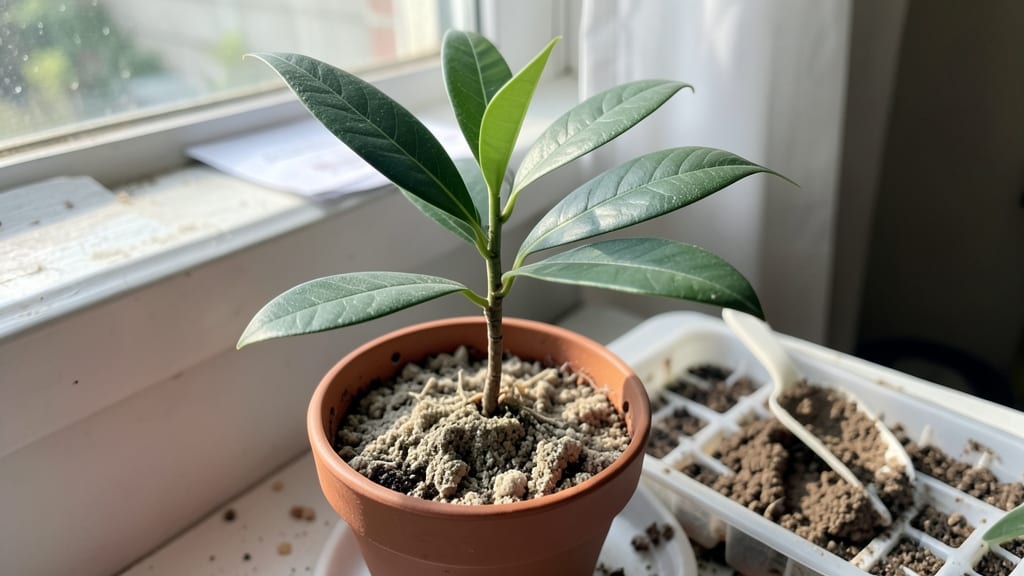
Planting frangipani seeds unlocks that intoxicating tropical scent in your own garden—if you know the tricks. 🌿 I’ve wrestled with stubborn frangipani seeds for years, and the key isn’t forcing them but mimicking their jungle home.
These slow starters need warmth, humidity, and a little patience that rewards you with glossy leaves and eventually those signature fragrant blooms.
The secret starts with pre-soaking seeds for 24 hours in warm water to crack their tough outer shell—most beginners skip this step and wonder why nothing sprouts. You’ll need a warm spot (75–85°F), a mix of 50% perlite and 50% peat moss, and a humidity dome (plastic wrap works).
Germination can take 4–12 weeks, so don’t give up too soon.
Once those first pale green shoots break through, you’ll feel like a tropical plant whisperer. Keep them in bright, indirect light and mist daily until they’re sturdy enough to handle.
The real magic happens when you move them outside—where they’ll eventually grow into a fragrant, sun-loving shrub that smells like a Hawaiian vacation.
Perfect for warm climates (zones 10–11), but even cooler gardeners can try them in containers and bring them indoors in winter. The payoff? A plant that turns heads—and noses—every summer. Let’s get those seeds sprouting!
📚 In This Guide
- What you need
- Instructions
- Tips and common mistakes
- Wrapping up and next steps
What you need
- ● Frangipani seeds: 5–10 fresh, plump seeds (preferably from a healthy, mature tree). Pro tip: 💡 Seeds lose viability quickly—use them within 2–3 weeks of collection!
- ● Well-draining potting mix: 2–3 cups of a blend like cactus/succulent mix (or 50% peat moss + 50% perlite/sand). Why? Frangipani hates soggy roots!
- ● Small pots or seed trays: 4–6" diameter pots (or a tray with drainage holes) for each seed. Sterilize with a 10% bleach solution if reusing.
- ● Plastic wrap or humidity dome: To create a cozy greenhouse effect. A clear plastic bag works too!
- ● Spray bottle: For gentle watering (avoid drowning your seeds!).
- ● Grow lights or sunny windowsill: Frangipani seeds need bright, indirect light (6+ hours/day). A south-facing window or LED grow light is ideal.
- ● Seedling heat mat: Keeps soil warm (75–85°F) to speed up germination. Bonus: 🌡️ Mimics tropical conditions!
- ● Fertilizer (balanced, water-soluble): Diluted to half-strength (e.g., 5-5-5 NPK) for seedlings after 4–6 weeks.
- ● Humidity tray: A shallow tray with pebbles and water to boost moisture levels.
- ● Pruning shears: For trimming leggy seedlings later.
- ● Label markers: To track seed varieties (e.g., "Plumeria rubra" vs. "Plumeria obtusa").
Step-by-step instructions for planting frangipani seeds
Here's the straightforward method I've used to coax fragrant frangipani from stubborn seeds—no fancy equipment needed.
🌱 Step 1: Extract and Prepare the Seeds
Frangipani seeds need a head start, so begin by removing them from the pod once it turns brown and papery. Wear gloves—latex sap can irritate skin. The seeds are encased in a hard, waxy coating that slows germination, so soak them in lukewarm water for 24 hours to soften it. Place them in a small bowl and let them sit until the coating looks slightly wrinkled and less glossy.
After soaking, gently rub the seeds between your fingers or with fine sandpaper to break through the outer layer without damaging the seed itself. You'll see a faint greenish tint emerge—this is your cue that the seed is ready for planting. Real talk: Don't rush this step. If the coating isn't fully compromised, germination will be slow or uneven.
💧 Step 2: Plant in Moist, Well-Draining Medium
Use the sterile seed-starting mix to fill small pots or a seed tray with drainage holes. The mix should be moist but not soggy—squeeze a handful to check. If water drips out, it's too wet. Frangipani seeds despise waterlogged conditions, so ensure your containers have drainage.
Plant the seeds ½ inch deep, spacing them 2 inches apart to avoid overcrowding. Cover lightly with additional mix and mist the surface with a spray bottle until evenly damp. Place the pots in a warm, shaded spot—75-80°F is ideal. You'll see tiny sprouts in 2-4 weeks, but be patient if your home runs cooler.
☀️ Step 3: Provide Humidity and Gradual Sunlight
Once sprouts emerge, group the pots together and cover them with a clear plastic bag to maintain high humidity. Secure the bag loosely with a rubber band, leaving a small gap for airflow. Keep the seedlings in bright, indirect light—direct sun at this stage will scorch the delicate leaves. You'll notice the seedlings stretch toward the light; rotate the pots weekly so they grow straight.
After 4-6 weeks, when seedlings have 3-4 true leaves, gradually introduce direct morning sunlight for 1-2 hours daily. Increase exposure over 2 weeks until they tolerate full sun. This slow transition prevents leaf burn. Here's the thing—frangipani seedlings grow slowly, so don't expect rapid progress. Patience here ensures strong, healthy plants that'll reward you with fragrance in 2-3 years.
Tips & tricks for perfect frangipani seed germination
Frangipani seeds have a reputation for being stubborn, but these simple tricks will help you break through their tough exterior and coax those fragrant blooms into life.
The Soaking Secret: That 24-hour lukewarm water soak isn't just about softening the waxy coating—it's also a hydration test. After soaking, if your seeds still feel rock-hard when you press them gently, extend the soak by another 12 hours. The goal is to see that faint greenish tint beneath the surface, which signals the seed's readiness to break dormancy. I've found that using distilled or filtered water prevents mineral buildup that can further harden the coating.
Seed Scrubbing Technique: When you're gently rubbing the seeds to break through that waxy layer, think of it like removing a tough fruit's skin—not scraping away the flesh underneath. Use fine-grit sandpaper (around 220-grit) or even a clean nail file, and work in circular motions. You'll know you've done enough when you can see the seed's natural color starting to peek through in patches. Between us, I've ruined perfectly good seeds by being too aggressive—just enough pressure to break through, not grind down.
Temperature Control: That ideal 75-80°F range for your seedling environment isn't just a suggestion—it's critical. Frangipani seeds are tropical and won't germinate well below 70°F. If your home runs cooler, consider using a seedling heat mat (set to low) beneath your pots. I've seen germination rates drop by 50% when seeds sit in temperatures below 72°F. Pro tip: Place your seed tray on top of your refrigerator (not inside) for a gentle, consistent warmth source without overheating.
Humidity Management: The plastic bag trick works wonders, but here's what nobody tells you—you need to create a mini greenhouse with airflow. That small gap you leave when securing the bag is crucial; it prevents mold growth from trapped moisture. I like to prop open one corner with a toothpick to create a tiny vent. Also, avoid misting the leaves once they emerge—focus on keeping the soil moist, not the foliage. Too much leaf moisture leads to fungal issues that can kill young seedlings before they even get a chance to grow.
Pro Tips for Planting Frangipani Seeds
- Frangipani seeds have a reputation for being stubborn, but these simple tricks will help you break through their tough exterior and coax those fragrant blooms into life.
- The Soaking Secret: That 24-hour lukewarm water soak isn't just about softening the waxy coating—it's also a hydration test.
- Seed Scrubbing Technique: When you're gently rubbing the seeds to break through that waxy layer, think of it like removing a tough fruit's skin—not scraping away the flesh underneath.
Frequently asked questions
Got questions about growing fragrant frangipani from seeds? You’re not alone—this tropical beauty has a few quirks! Here are answers to the most common queries to help you succeed.
How long does it take for frangipani seeds to germinate?
Patience is key! Frangipani seeds can take anywhere from 2 weeks to 2 months to sprout, depending on temperature, humidity, and seed freshness. Keep the soil moist and warm (around 70–80°F) to speed things up. If nothing appears after 3 months, the seeds may be non-viable—try fresh ones!
Can I plant frangipani seeds directly in the ground?
While possible in warm, frost-free climates (USDA Zones 10–12), direct sowing is riskier. Seeds need consistent warmth and moisture to germinate, and young seedlings are vulnerable to pests or cold snaps. Start indoors in pots for better control, then transplant outdoors once established (6+ inches tall).
Why aren’t my frangipani seeds sprouting?
Frangipani seeds are notoriously finicky—here’s a quick troubleshooting list:
Cold soil? Move pots to a warmer spot (like near a sunny window or under grow lights).
Too dry/wet? Keep soil consistently moist (not soggy) and use a humidity dome or plastic wrap.
Old seeds? Fresh seeds (from ripe pods) germinate best. If yours are dried out, soak them in warm water for 24 hours before replanting.
No light? Seeds need indirect light to sprout—avoid deep burial (max ½ inch deep).
If all else fails, try layering (rooting a stem cutting) as a backup!Can I grow frangipani indoors from seeds?
Frangipani thrives indoors with the right care. Use a well-draining potting mix and place near a south-facing window (or under grow lights for 12+ hours/day). Keep humidity high (mist leaves or use a pebble tray) and fertilize lightly every 2–3 months. Just know: Indoor plants may stay smaller and flower less than outdoor varieties.
Will my seed-grown frangipani produce fragrant flowers?
Yes—but it takes time! Seed-grown frangipani may take 3–5 years to bloom, and the first flowers might not be as fragrant as grafted trees. For faster results, opt for grafted nursery plants (like ‘Mary Palmer’ or ‘Mango’ varieties), which often flower in 1–2 years and have stronger scents. Patience pays off, though—homegrown frangipani is a reward!
Wrapping up and next steps
Growing frangipani from seeds is a rewarding journey that brings a touch of tropical beauty to your space! With patience and the right care—like warm soil, consistent moisture, and plenty of sunlight—you’ll soon enjoy fragrant blooms that brighten any garden or patio.
Once your seedlings sprout, transplant them carefully and watch them thrive.
Ready to take the next step? Start with just one seed—your future fragrant paradise begins now! 🌱✨