
Trees
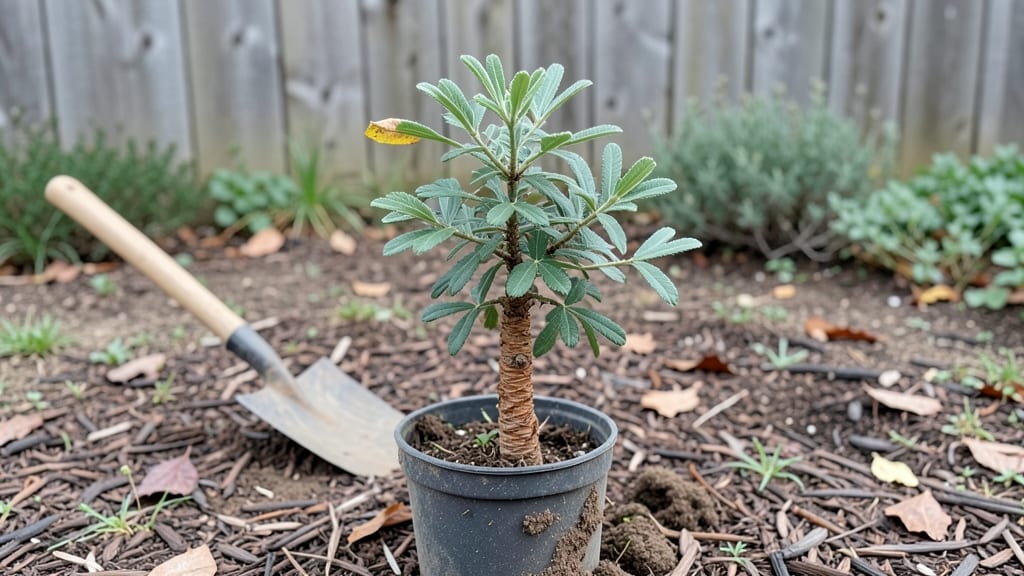
Planting giant sequoias from seedlings is the ultimate long-term gardening project—imagine a 200-foot-tall living monument growing from your backyard. 🌿 These trees aren’t just impressive; they’re a legacy, requiring patience, space, and the right conditions to thrive.
I’ve nurtured my own sequoia seedlings for over a decade, and the key starts with understanding their exact needs before you even dig the first hole.
The real challenge isn’t just the size—it’s the slow start. Sequoias grow just 1-2 feet per year for their first decade, but once established, they become nearly indestructible.
You’ll need well-draining soil, full sun, and plenty of space—at least 30 feet between trees if you’re planting more than one.
Most gardeners give up here, but the payoff is worth it: a tree that could live for thousands of years and reach heights most of us can’t even fathom.
By the time your sequoia hits 20 feet, you’ll have a living centerpiece that outshines anything else in your landscape. The bark develops that signature reddish-brown texture, and the scent of fresh pine needles becomes part of your daily routine.
This isn’t a quick project—it’s a commitment to something bigger than a single growing season.
If you’re in USDA Zones 5-7 with deep, moist soil and protection from strong winds, you’re in the right place. For everyone else, this might be a dream for public gardens or larger estates. Here’s how to get started without killing your seedlings before they even begin to grow.
📚 In This Guide
- What you need
- Instructions
- Tips and common mistakes
- Wrapping up and next steps
What you need
- ● Giant sequoia seedlings or bare-root saplings: 1–3 seedlings (purchased from a reputable nursery specializing in conifers)
- ● Size: 1–3 feet tall (younger trees adapt better to transplantation)
- ● Well-draining, acidic soil mix (pH 5.0–7.0): 50% peat moss or coco coir
- ● 30% pine bark fines or compost
- ● 20% sand (for drainage)
- ● Container or planting hole: For container growing: 10+ gallon pot with drainage holes
- ● For outdoor planting: Hole 3x wider and 2x deeper than the root ball
- ● Hand trowel or spade (for digging)
- ● Garden gloves (to protect hands from sharp roots)
- ● Watering can or hose with gentle spray nozzle
- ● Mulch (3–4 inches of wood chips or pine straw)
- ○ Fertilizer (optional but helpful): Slow-release conifer fertilizer (e.g., 10-10-10 NPK)
- ● Apply lightly at planting (follow label instructions)
- ● Climate & Location: Giant sequoias thrive in USDA Hardiness Zones 6–9
- ● Full sun exposure (6+ hours/day)
- ● Protect from winds (young trees are sensitive)
- ● Water Access: Ensure a drip irrigation system or consistent watering schedule (especially in the first year).
- ● Patience! Giant sequoias grow slowly—expect 1–2 feet per year in ideal conditions.
Step-by-step instructions for planting giant sequoia trees
Here's how to nurture these majestic giants from tiny seeds into towering forest sentinels.
🌱 Step 1: Stratify and Germinate Sequoia Seeds
Giant sequoia seeds require 90-120 days of cold stratification to break dormancy. Place seeds in a sealed container with slightly damp peat moss and refrigerate at 35-40°F. I like to check moisture weekly—seeds should feel damp but not soggy. After stratification, sow seeds in a sterile seed-starting mix in 4-inch pots at ¼-inch depth.
Germination can take 30-90 days in warm conditions (70-75°F). Be patient—these seeds don’t rush. Once sprouts appear, move pots to a bright, indirect light spot. You’ll notice the first true leaves emerging in 4-6 weeks, signaling it’s time to increase light exposure gradually.
🪴 Step 2: Choose the Right Growing Conditions
Sequoias thrive in well-draining, slightly acidic soil (pH 5.0-7.0). Use a mix of 50% potting soil, 30% perlite, and 20% compost for optimal root development. These trees hate soggy roots—ensure pots have drainage holes and never let them sit in water.
Young sequoias need 6-8 hours of sunlight daily, but avoid harsh afternoon sun until they’re established. I place mine near an east-facing window or under a shade cloth (50% coverage) for the first year. Watch for yellowing leaves—a sign of too much light or poor drainage.
☀️ Step 3: Transplant to a Permanent Location
Once seedlings reach 12-18 inches tall (usually 2-3 years old), they’re ready for outdoor planting. Choose a spot with partial shade and protection from wind. Dig a hole twice as wide as the root ball but no deeper. Sequoias dislike disturbed roots, so handle the root ball gently.
Amend the native soil with organic matter (like compost) to improve drainage. Water deeply after planting to settle the soil around roots. Mulch with 2-3 inches of wood chips to retain moisture and suppress weeds. Keep the mulch 6 inches away from the trunk to prevent rot.
💧 Step 4: Water and Fertilize Strategically
Young sequoias need deep watering once weekly during the first growing season. Check soil moisture by sticking your finger 2 inches deep—water when dry. Overwatering is the biggest killer of young sequoias, so let the top 1-2 inches of soil dry out between waterings.
Fertilize lightly in spring with a balanced, slow-release fertilizer (10-10-10). Too much nitrogen causes weak growth. I apply fertilizer only once a year—these trees grow slow and steady, not fast and flimsy. You’ll see new growth in spring as a reward for patience.
✂️ Step 5: Prune and Protect for Long-Term Growth
Sequoias rarely need pruning, but remove dead or diseased branches as needed. Use sterilized pruning shears to make clean cuts just above a healthy bud. Avoid heavy pruning—these trees grow best when left alone. Focus on shaping only if branches rub together or block sunlight.
Protect young trees from deer and rodents with a tree guard or wire mesh. Sequoias grow slowly but can reach 30 feet in 20 years with proper care. Monitor for pests like bark beetles—early intervention prevents long-term damage. Your reward? A living monument that will outlive you by centuries.
Tips & tricks for perfect giant sequoia tree planting
Growing these ancient giants from seed takes time and precision—here's how to maximize your success at every stage.
Cold Stratification Precision: The 90-120 days of cold stratification at 35-40°F is non-negotiable for breaking dormancy. I use a small plastic container with drainage holes to prevent soggy conditions while maintaining consistent moisture. Place a small thermometer inside to monitor temperature—fluctuations above 45°F can break dormancy prematurely and reduce germination rates.
Germination Patience: Those 30-90 days of germination at 70-75°F can feel like an eternity, but rushing the process is the fastest way to failure. I place a humidity dome over my seed trays to maintain moisture levels without creating anaerobic conditions. The first true leaves appearing in 4-6 weeks is your signal to gradually increase light exposure—start with 4 hours of indirect light daily and increase by 1 hour every 3 days.
Soil Science: The 50-30-20 mix of potting soil, perlite, and compost creates the perfect balance for young sequoias. I always test my pH before planting—sequoias prefer slightly acidic soil (5.0-7.0). If your native soil is too alkaline, amend with sulfur or peat moss before transplanting. Remember, these trees hate soggy roots, so never use containers without drainage holes or plant in areas where water pools.
Transplant Timing: Waiting until seedlings reach 12-18 inches (typically 2-3 years old) ensures they have strong enough root systems for outdoor survival. I transplant in early spring when soil temperatures reach 55°F—this gives roots time to establish before summer heat. The key is handling the root ball gently; sequoias dislike disturbed roots, so I wrap the root ball in burlap before moving to minimize root damage.
Pro Tips for Planting Giant Sequoia Trees
- Growing these ancient giants from seed takes time and precision—here's how to maximize your success at every stage.
- Cold Stratification Precision: The 90-120 days of cold stratification at 35-40°F is non-negotiable for breaking dormancy.
- Germination Patience: Those 30-90 days of germination at 70-75°F can feel like an eternity, but rushing the process is the fastest way to failure.
Frequently asked questions
Got questions about growing these ancient giants?
Here are answers to the most common ones—from spacing to survival tips!
How much space do giant sequoia trees need to thrive?
Giant sequoias are massive—they need at least 20–30 feet (6–9 meters) of space between trees to avoid root competition. In urban areas, consider dwarf varieties or container planting if space is limited. Always check local regulations before planting near structures!
How long does it take for a giant sequoia to grow to maturity?
Patience is key! These trees grow only 1–2 feet (0.3–0.6 meters) per year in ideal conditions. It takes centuries to reach their full 200–300-foot (60–90-meter) height. Start with young seedlings (3–5 years old) for faster (but still slow) progress!
Can I grow a giant sequoia in a container or small yard?
Yes, but with limits! Use large containers (5+ gallons) with drainage and dwarf cultivars like 'Monument Valley' or 'Pendulum.' Expect slower growth and prune regularly. For small yards, prioritize Sequoiadendron giganteum over the even taller coast redwoods.
Why is my sequoia seedling dying? Common issues and fixes.
Check these fixes if your seedling wilts:
- Overwatering: Sequoias hate soggy roots—water deeply but infrequently (once a week in dry climates).
- Underwatering: Drooping needles? Water thoroughly until soil is moist 6 inches down.
- Pests: Watch for bark beetles or aphids. Spray with neem oil if infested.
- Sunburn: Young trees need partial shade in hot climates.
Pro tip: Mulch heavily (3–4 inches) to retain moisture and protect roots!
What’s the best climate for planting giant sequoias?
Giant sequoias thrive in USDA Zones 5–7, with:
- Cool summers (60–75°F / 15–24°C).
- Cold winters (down to -15°F / -26°C).
- High humidity and well-draining, acidic soil (pH 5.0–6.5).
If you’re outside this range, opt for dwarf varieties or microclimate spots (e.g., near water features).
Wrapping up and next steps
Planting giant sequoia trees is a rewarding journey that connects you to nature’s grandeur—one seedling at a time! 🌳 These majestic trees thrive with patience, the right conditions, and a little care, offering shade, beauty, and a legacy for future generations.
Whether you’re a seasoned gardener or a curious beginner, start small: research your climate, gather supplies, and take that first step toward nurturing a future giant.
Ready to grow? Visit your local nursery or trusted seed supplier today—your sequoia’s adventure begins with you! 🌱