
Trees
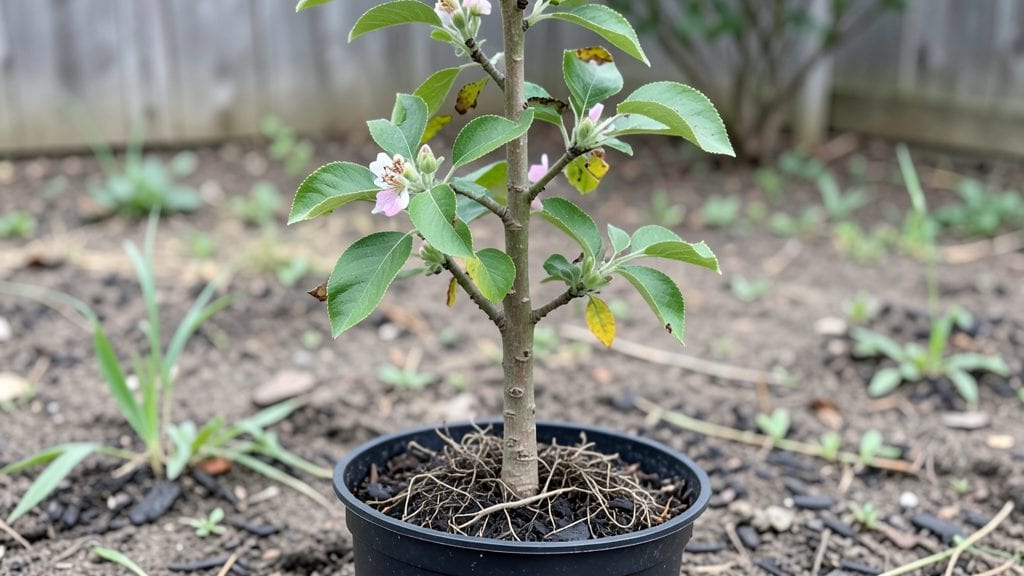
Planting Honeycrisp apple trees means sweet, crisp fruit that tastes like summer in every bite—if you get the site and soil right. I learned the hard way that planting in the wrong spot turns a $60 sapling into a $60 bush that never bears fruit.
The secret starts with choosing a location where the tree gets at least 6-8 hours of sunlight daily and where winter temps drop below -10°F—Honeycrisp needs those cold snaps to set fruit properly.
You’ll need a 5-6 foot deep hole dug twice as wide as the root ball, plus a 5-gallon bucket of bone meal mixed into the backfill soil for extra phosphorus. Most beginners skip this step and wonder why their tree stays small.
The root system needs room to spread, and the bone meal jumpstarts growth. Water the hole deeply before planting—this prevents air pockets that strangle roots.
Once planted, mulch with 3-4 inches of wood chips (keep it 6 inches away from the trunk) to lock in moisture and block weeds. The first year is all about deep watering once a week—not light sprinkles that evaporate.
A mature Honeycrisp tree drinks 50-70 gallons per week in summer, but young trees need patience. By year three, you’ll see the first blossoms, and by year five, those famous Honeycrisp apples will start falling into your hands.
This variety thrives in USDA Zones 3-7, but southern gardeners can still grow it with afternoon shade in peak summer. The key is fall planting—saplings establish roots before winter’s chill sets in. Now, grab your shovel and let’s get that tree in the ground before the next frost.
📚 In This Guide
- What you need
- Instructions
- Tips and common mistakes
- Wrapping up and next steps
What you need
- ● Honeycrisp apple tree saplings – 1-2 bare-root or container-grown trees (check rootstock compatibility for your climate zone).
- ● Shovel or trowel – For digging planting holes (12–18" wide and deep).
- ● Compost or well-aged manure – 2–3 gallons per tree to enrich soil.
- ● Mulch (straw, wood chips, or pine needles) – 2–3 inches to retain moisture and suppress weeds.
- ● Watering can or hose with a gentle nozzle – For deep, consistent watering (10–15 gallons per tree initially).
- ○ Tree stakes (optional but helpful) – 2–3 stakes (2–3 ft tall) + soft ties to support young trees.
- ● Pruning shears – For shaping and removing dead branches (sterilize with rubbing alcohol).
- ● Soil pH test kit – Ideal pH for Honeycrisp: 6.0–7.0 (adjust with lime or sulfur if needed).
- ● Fruit tree fertilizer – Balanced 10-10-10 or organic options like fish emulsion.
- ● Tree guard or wire cage – Protects young trees from deer or rabbits.
- ● Drip irrigation system – Saves time and ensures consistent moisture (especially in dry climates).
- ● Pest/disease monitor traps – Early detection for aphids, codling moths, or fungal risks.
Instructions for planting Honeycrisp apple trees
Here’s the straightforward method I use to plant Honeycrisp apple trees successfully—perfect for cold climates and long-term fruit production.
Choose the Right Location and Prepare the Soil
Honeycrisp apple trees thrive in full sun with at least 6-8 hours of direct sunlight daily. Pick a spot with good air circulation to prevent fungal diseases. Avoid low areas where cold air settles, as these trees need cold-hardy conditions to produce fruit.
Before planting, test your soil’s pH—Honeycrisp apples prefer slightly acidic soil between 6.0 and 6.5. If your soil is too alkaline, amend it with sulfur or peat moss (about 1 pound per 100 square feet) a few weeks before planting. Loosen the soil to a depth of 18-24 inches to encourage deep root growth.
Dig the Planting Hole and Set the Tree
Dig a hole twice as wide as the root ball but no deeper—this prevents soil compaction around the roots. The top of the root ball should sit 2-3 inches above ground level to allow for settling. If your soil is heavy clay, mix in 2-3 inches of compost into the bottom of the hole to improve drainage.
Gently remove the tree from its container and inspect the roots. If they’re circling or tightly bound, loosen them carefully with your fingers. Place the tree in the hole, ensuring the graft union (the bump where the scion was attached) is 2-3 inches above soil level. This protects the tree from potential rot.
Backfill and Water Thoroughly
Fill the hole with the native soil, pressing lightly to remove air pockets but avoiding compaction. Water the tree deeply to settle the soil around the roots. After watering, the soil should be evenly moist but not soggy. Mulch the base with 2-3 inches of organic mulch, keeping it 6 inches away from the trunk to prevent rot.
Water the tree once a week for the first month, providing 10-15 gallons of water each time. This helps the roots establish firmly before winter. Avoid overwatering—Honeycrisp trees dislike waterlogged roots, which can lead to root rot.
Prune and Protect for the First Year
Prune the tree lightly at planting to remove any broken or crossing branches. Focus on shaping the tree into an open-center form, which allows sunlight and air to reach the center. Remove no more than 25% of the foliage to avoid stressing the young tree.
In colder climates, wrap the trunk with tree guard or burlap in late fall to protect it from winter sunscald and rodent damage. Remove the wrap in early spring once new growth begins. Honeycrisp trees are cold-hardy, but young trees benefit from extra protection during their first winter.
Monitor and Maintain for Long-Term Growth
Fertilize the tree in early spring with a balanced 10-10-10 fertilizer, applying 1 pound per inch of trunk diameter. For a 3-inch trunk, that’s about 3 pounds of fertilizer. Water deeply after applying to help nutrients reach the roots.
Watch for signs of stress, such as yellowing leaves (often a sign of overwatering or nutrient deficiency) or wilting branches (a sign of underwatering). Honeycrisp trees typically bear fruit in 4-5 years, so be patient—proper care now ensures a bountiful harvest for decades.
Tips & tricks for planting Honeycrisp apple trees
Planting a Honeycrisp apple tree is a long-term investment, and these tips will help you set it up for success from the very beginning.
Soil Preparation Matters: When loosening the soil to a depth of 18-24 inches in Step 1, don't rush this process. Use a broadfork or digging fork to break up compacted layers without turning the soil over completely. This preserves the natural soil structure while improving drainage. If your soil is particularly dense, consider adding a layer of coarse sand or perlite to the bottom of the hole to further enhance drainage during Step 2.
Root Care During Planting: In Step 2, take extra care when handling the roots. If you notice any roots growing in tight circles around the root ball, gently tease them apart with your fingers rather than cutting them. This encourages outward root growth rather than creating a root-bound tree. The 2-3 inches above ground level for the graft union is critical—this protects against potential rot while still allowing the tree to develop properly.
Watering Strategy: The once-a-week watering schedule in Step 3 might seem straightforward, but consistency is key. Use a rain gauge or measuring container to ensure you're delivering exactly 10-15 gallons each time. Water slowly at the base of the tree to allow thorough absorption, and avoid wetting the leaves to prevent fungal diseases. Consider installing a drip irrigation system for more precise watering control during the first month.
Long-Term Planning: While the instructions mention a 4-5 year wait for fruit production, you can accelerate this slightly by choosing a slightly larger tree (3-4 years old) at planting. These trees may bear fruit in 2-3 years instead, but they'll require more immediate care. Either way, mark your planting location with a stake to avoid disturbing the roots during future maintenance.
Pro Tips for Planting Honeycrisp Apple Trees
- Planting a Honeycrisp apple tree is a long-term investment, and these tips will help you set it up for success from the very beginning.
- Soil Preparation Matters: When loosening the soil to a depth of 18-24 inches in Step 1, don't rush this process.
- Root Care During Planting: In Step 2, take extra care when handling the roots.
Frequently asked questions
Got questions about planting your own Honeycrisp apple trees? You’re not alone—this cold-hardy variety is a favorite, but it comes with a few nuances. Here are answers to the most common queries to help you grow with confidence!
When is the best time to plant Honeycrisp apple trees?
Plant in early spring (after the last frost) or fall (4-6 weeks before the first frost). Spring planting gives roots time to establish before summer heat, while fall planting allows them to settle before winter dormancy. Avoid planting in extreme heat or freezing conditions.
How far apart should I space Honeycrisp apple trees?
Space trees 12-20 feet apart for proper airflow and sunlight. If planting in a row, leave 20-25 feet between rows to accommodate future growth. Dwarf varieties can be spaced closer (6-10 feet), but they’ll still need room for pruning and maintenance.
Do Honeycrisp apple trees need a pollinator?
Yes! Honeycrisp is self-unfruitful—it needs a pollinator like Gala, Fuji, or Golden Delicious planted nearby (within 50 feet). Choose a variety that blooms at the same time for the best cross-pollination. Check your tree’s tag for compatibility recommendations.
What pests or diseases should I watch for with Honeycrisp trees?
Common issues include apple scab, cedar apple rust, and codling moths. Prevent problems with proper pruning, fungicides (like copper spray), and row covers. Inspect leaves and fruit regularly, and remove fallen apples to reduce pest habitats.
How cold-hardy are Honeycrisp apple trees?
Honeycrisp thrives in USDA Zones 3-7, tolerating winters down to -30°F (-34°C). Young trees may need winter protection (like mulch or burlap wraps) in colder climates. Ensure they’re planted in well-draining soil to avoid root damage from frost.
Pro Tip:
For bigger harvests, plant two Honeycrisp trees (or one Honeycrisp + one compatible pollinator) instead of just one. This doubles your chances of fruit set and ensures a sweeter, more abundant yield!
Wrapping up and next steps
Planting Honeycrisp apple trees is a rewarding journey that leads to sweet, crisp rewards—if you’ve got the patience and care to nurture them! 🍏 From selecting the perfect location to pruning for optimal growth, each step ensures your trees thrive in your climate.
With the right soil, sunlight, and a little TLC, you’ll soon enjoy a homegrown harvest that’s worth every effort.
Ready to take the next step? Mark your calendar for planting season, gather your tools, and get your hands dirty—your future orchard awaits! 🌱 For extra guidance, check out local gardening resources or connect with fellow apple enthusiasts for tips and tricks.