
Trees
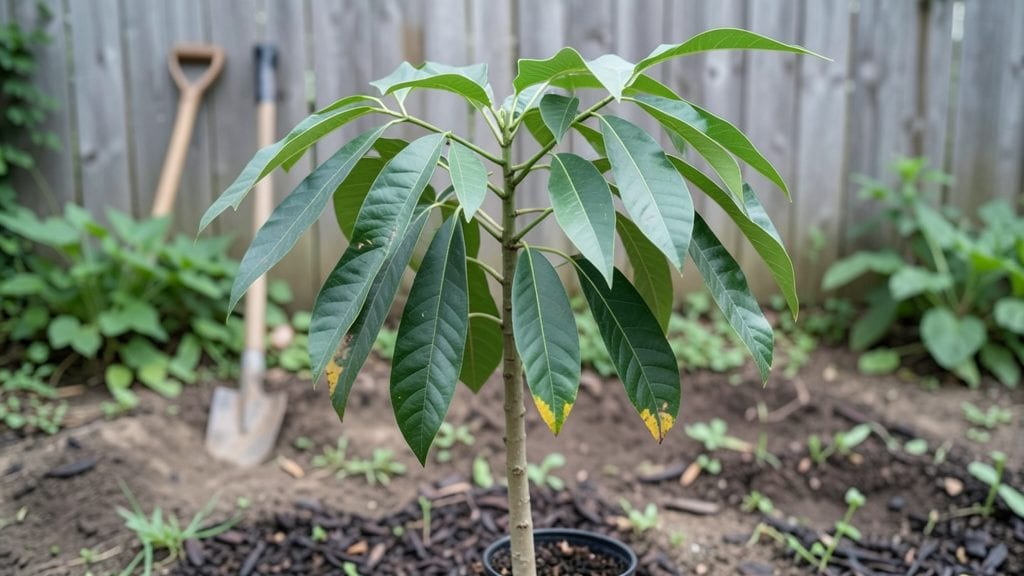
Planting mango trees in sunny climates isn't just about fruit—it's about transforming your yard into a tropical paradise with glossy leaves and fragrant blossoms. 🌿 I've learned the hard way that mangoes demand patience and the right conditions, but when they thrive, the reward is worth every effort.
The key starts with choosing a variety suited to your region, whether you're in Florida's heat or California's coastal zones.
You'll need a spot with full sun, well-draining soil, and protection from cold snaps—mangoes hate frost. For planting, grafted trees (not seeds) give you fruit faster, though seed-grown trees have their own charm.
Dig a hole twice as wide as the root ball but no deeper, then mix in compost to give those roots a nutrient boost right from the start.
The first year is all about establishing strong roots. Water deeply every 3-4 days during dry spells, but avoid soggy soil—mangoes hate wet feet. Within months, you'll see new growth, and by year three, you might just get your first harvest.
The sweet, juicy payoff makes every early season of care feel like a victory.
Works best in USDA zones 10-11, but some cold-hardy varieties like 'Julie' or 'Ice Cream' can handle brief dips to 28°F. For subtropical areas, mulch heavily in winter to protect young trees. Here's how to get them growing strong from day one.
📚 In This Guide
- What you need
- Instructions
- Tips and common mistakes
- Wrapping up and next steps
What you need
- ● Mango Sapling: 1 healthy, disease-free grafted or seedling variety (e.g., Alphonso, Keitt, or Tommy Atkins), aged 1–2 years.
- ● Planting Hole: 2–3 times wider and as deep as the root ball; amend soil with organic compost (5–10 lbs) or well-rotted manure.
- ● Well-Draining Soil: Mix topsoil (50%), sand (25%), and compost (25%) for sandy or clay-heavy soils.
- ● Watering Supplies: 5–10 gallons of lukewarm water (for initial planting).
- ● Drip irrigation system or hose with a gentle spray nozzle (for ongoing care).
- ● Fertilizer: Balanced 6-6-6 or 8-3-9 (1 cup per tree) + micronutrients (zinc, manganese) for young trees.
- ● Mulch: 2–3 inches of wood chips or straw to retain moisture and suppress weeds.
- ○ Support Stake (Optional but Recommended): 1 4–6 ft bamboo or metal stake + soft tie-downs (for young trees in windy areas).
- ● Hand Trowel or Spade (for digging and soil amendments).
- ● Garden Gloves (to protect hands from thorns and soil).
- ● Pruning Shears (for shaping and removing dead branches).
- ● pH Test Kit (ideal range: 5.0–7.0; adjust with lime or sulfur if needed).
- ○ Sunlight Meter (Optional) (ensure 6+ hours of direct sun daily).
- ● Climate: Tropical/subtropical zones (USDA Hardiness Zones 10–11); cold-hardy varieties (e.g., ‘Julie’ or ‘Cogshall’) for Zones 8–9.
- ● Location: Full sun, sheltered from strong winds, and drainage slope (avoid low-lying areas).
- ● Timing: Plant in spring (after last frost) or early summer for optimal root establishment.
- ● Patience: Mango trees take 3–5 years to bear fruit (grafted varieties may fruit sooner).
Step-by-step instructions for planting mango trees
Here's how to plant mango trees for a thriving tropical fruit harvest in your warm climate.
🌱 Step 1: Choose the Right Location and Prepare the Soil
Mango trees demand full sun—at least 6-8 hours daily—so pick a spot with unobstructed southern or western exposure. Avoid low-lying areas where cold air pools, as mangoes hate frost. The soil should drain well but retain moisture; amending heavy clay with 3-4 inches of compost improves aeration while providing nutrients.
Dig a hole twice as wide as the root ball but no deeper. Loosen the sides of the hole to encourage root spread. If your soil is sandy, mix in 1 cubic yard of organic matter (like aged manure or coconut coir) to help retain moisture. Test the hole depth by placing the tree—it should sit 1-2 inches higher than the surrounding soil to prevent waterlogging.
🪴 Step 2: Plant the Tree and Water Deeply
Gently remove the tree from its container and tease apart any circling roots with your fingers. Position it in the hole so the root flare (where roots meet the trunk) sits just above soil level. Backfill with the native soil, pressing lightly to eliminate air pockets but avoiding compaction. For 4 trees, use the 3 cubic yards of soil you’ve amended to fill all holes evenly.
Water deeply right after planting—10-15 gallons per tree—to settle the soil and eliminate air gaps. Mulch the base with 2-3 inches of wood chips, keeping it 6 inches away from the trunk to prevent rot. This mulch layer helps retain moisture and regulates soil temperature, which is critical in hot climates.
☀️ Step 3: Provide Support and Monitor Growth
Young mango trees need stability, especially in windy areas. Install a stake for each tree, driving it 12-18 inches deep into the soil. Tie the trunk loosely to the stake with soft tree ties, adjusting as the tree grows to avoid girdling. Avoid tight bindings—they restrict trunk expansion and can damage the bark as the tree thickens.
Water twice weekly for the first month, then taper to once weekly once leaves appear. Mango trees are drought-tolerant once established, but young trees need consistent moisture. Watch for yellowing leaves—this signals either overwatering or nutrient deficiency. If leaves curl or drop, reduce watering and check for pests like aphids or scale.
✂️ Step 4: Prune and Fertilize for Strong Growth
Wait 6-12 months before pruning—this gives the tree time to establish its root system. When you do prune, remove only dead, diseased, or crossing branches, using clean, sharp pruners to make cuts just outside the branch collar. Avoid heavy pruning; mango trees fruit on new growth, and aggressive cuts can reduce yield. For 4 trees, use 1 pound of balanced fertilizer (10-10-10) applied 3 times a year—spring, summer, and fall.
Apply fertilizer 6 inches away from the trunk and water it in immediately to prevent root burn. Young trees benefit from monthly applications of compost tea to build soil microbes. By year 3, you’ll see flower clusters—this is your signal that the tree is mature enough for regular pruning to shape the canopy and improve air circulation.
Tips & tricks for planting mango trees
Here's what I've learned from years of growing these tropical beauties—these tricks make all the difference between a struggling tree and a thriving fruit producer.
Location is Everything: That 6-8 hours of daily sun isn't just a suggestion—it's non-negotiable. I've seen mango trees wither in partial shade, no matter how well you care for them. If your yard doesn't get full sun, consider planting near a south-facing wall or using containers that can be moved to sunny spots. Also, test your soil pH—mangoes prefer slightly acidic soil (6.0-7.5), and you can adjust with sulfur if needed.
Root Care Matters: When teasing apart those circling roots in Step 2, be gentle but thorough. I learned this the hard way after seeing a tree struggle because I didn't fully separate the roots. Use your fingers to work them out like you're untangling headphones. For container-grown trees, soak the root ball in water for 10-15 minutes before planting to reduce transplant shock. This simple step can make the difference between a tree that thrives and one that takes months to recover.
Watering Wisdom: Those 10-15 gallons per tree right after planting aren't just for show—they're essential for settling the soil and eliminating air pockets. I recommend using a garden hose with a gentle spray nozzle to water deeply and slowly, allowing the water to soak in rather than run off. For the first month, check moisture by sticking your finger 2 inches into the soil—it should feel damp but not soggy. Overwatering is just as damaging as underwatering for young mango trees.
Pruning Precision: When you finally reach the 6-12 month mark for pruning, remember that less is more. I've seen beginners take off too many branches, thinking they're helping the tree. Focus only on dead, diseased, or crossing branches, and always cut just outside the branch collar. This technique encourages new growth where you want it—at the ends of branches, which is where those delicious mangoes will form. Use clean, sharp pruners to make smooth cuts that heal quickly.
Pro Tips for Planting Mango Trees
- Here's what I've learned from years of growing these tropical beauties—these tricks make all the difference between a struggling tree and a thriving fruit producer.
- Location is Everything: That 6-8 hours of daily sun isn't just a suggestion—it's non-negotiable.
- Root Care Matters: When teasing apart those circling roots in Step 2, be gentle but thorough.
Frequently asked questions
When is the best time to plant mango trees?
The ideal time is during the dormant season—late winter or early spring (before new growth starts). In tropical climates, planting after the rainy season (when soil is moist but not waterlogged) also works well. Avoid extreme heat or frost, as young trees are sensitive to temperature shocks.
Can I grow a mango tree in a pot?
Yes! Dwarf varieties like ‘Cogshall’ or ‘Julie’ thrive in large containers (at least 20 gallons). Use well-draining soil, place in full sun, and fertilize regularly. Just remember: Potted trees may produce smaller fruit and need repotting every 2–3 years as they grow.
What pests or diseases should I watch for?
Common issues include aphids, fruit flies, and powdery mildew. Inspect leaves regularly for holes or discoloration. Use neem oil for pests and ensure good airflow to prevent fungal growth. Overwatering can lead to root rot—always plant in well-draining soil and avoid soggy conditions.
How long does it take for a mango tree to bear fruit?
Patience is key! Dwarf varieties may fruit in 3–5 years, while standard trees can take 5–10 years. Factors like climate, soil quality, and care impact timing. Young trees focus on root and leaf growth first—don’t rush them! Provide consistent sunlight and nutrients for the best results.
What’s the best way to pollinate mango flowers?
Mango trees are self-pollinating, but cross-pollination can boost yields. Use a soft brush to transfer pollen between flowers on different trees (or the same tree) during peak bloom. Bees and other pollinators help too—plant nearby flowering species to attract them!
Wrapping up and next steps
Planting mango trees is a rewarding journey that brings sweet, tropical flavors right to your backyard! 🌱 Whether you're a seasoned gardener or a beginner, the key is patience, the right climate, and a little love.
With the proper soil, sunlight, and care, your mango tree could thrive—and soon, you’ll be enjoying homegrown fruit that tastes like a vacation.
Now that you’re ready to take the first step, pick your spot, gather your supplies, and get planting! Share your progress with fellow gardeners or tag us—we’d love to see your mango tree grow. 🌳✨