
Planting
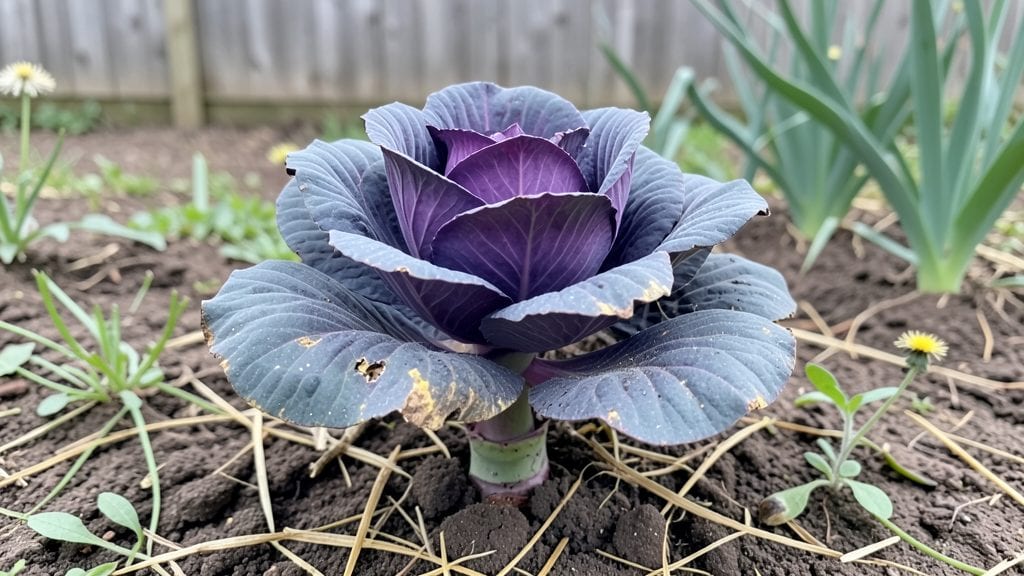
Planting purple cabbage gives you a dramatic harvest that outshines the grocery store any day. 🌿 The deep violet leaves aren't just pretty—they're packed with antioxidants too, and they mature faster than you'd expect.
I've grown this variety for three seasons now, and the first time I pulled a head straight from the soil, I couldn't believe how vibrant it was.
Start with well-draining soil rich in organic matter, and keep it consistently moist but not soggy. Purple cabbage thrives in cooler weather, so aim for spring or fall planting in most zones.
The seeds or seedlings need full sun (6+ hours daily) and about 18 inches between plants to give them room to bulk up. Unlike green cabbage, the purple variety holds its color best when harvested early—don't wait until the heads get too large.
You'll see baby leaves in about 3 weeks, and by day 70, you'll be harvesting heads that weigh 2-3 pounds each. The flavor is slightly sweeter than green cabbage, and the color stays stunning even when cooked.
The key is regular watering—about 1-2 inches per week—and removing any yellowing outer leaves to keep the center tight.
Works in containers too if you choose compact varieties, and the purple hue makes it a showstopper in salads or roasted dishes. Here's how to get those striking plants growing strong from day one.
📚 In This Guide
- What you need
- Instructions
- Tips and common mistakes
- Wrapping up and next steps
What you need
- ● Purple cabbage seeds – 1 packet (200-300 seeds, non-GMO recommended for best color).
- ● Well-draining potting mix – 5-10 gallons (sterilized, organic blend with compost).
- ● Containers or garden bed – Containers: 5-6” deep pots (1 per plant) or raised beds (12” deep, 18” spacing).
- ● Garden bed: Full sun (6+ hours/day) with loose, fertile soil (pH 6.0-7.0).
- ● Watering can or hose with a gentle spray nozzle.
- ● Fertilizer – Balanced organic (10-10-10) or compost tea (apply at planting and mid-growth).
- ● Garden trowel or transplanter (for seedlings).
- ● Mulch (straw or shredded leaves to retain moisture).
- ○ Row cover or shade cloth (optional for early planting in cold climates).
- ● Pest deterrents – Neem oil or diatomaceous earth (prevents cabbage worms).
- ● Gloves & knee pads (because gardening is hard work!).
Step-by-step instructions for planting purple cabbage
Here’s how to grow vibrant purple cabbage with minimal fuss—ready for harvest in 70 days.
🌱 Step 1: Pick the Perfect Spot and Prep Soil
Purple cabbage thrives in full sun—at least 6-8 hours daily—so choose a location with unobstructed light. I like to plant mine where tomatoes or beans grew last year; cabbage does well after legumes but struggles after other brassicas like broccoli or kale.
Loosen the soil to 12 inches deep with a garden fork, breaking up any clumps. The goal is airy, crumbly soil that drains well. Mix in 2-3 inches of compost from the list—this feeds roots without overwhelming them. Avoid fresh manure; it can scorch tender cabbage seedlings. Test the soil pH if possible—purple cabbage prefers 6.0-7.0. If your soil runs acidic, sprinkle dolomitic lime lightly and work it in.
🌱 Step 2: Plant Seeds or Transplants at the Right Time
For a 70-day harvest, start seeds indoors 4-6 weeks before your last frost date or buy sturdy transplants. If sowing directly, wait until soil reaches 50°F—cold soil slows germination. Plant seeds ¼ inch deep, spacing them 1 inch apart in rows 18 inches apart. Thin seedlings to 12 inches apart once they have 2-3 true leaves; use scissors to avoid disturbing roots.
If using transplants, dig holes slightly deeper than the root ball and place them so the first set of leaves sits ½ inch below soil level. This encourages strong root growth. Water deeply right after planting—1 gallon per plant—to settle the soil and remove air pockets. Mulch with 2 inches of straw to retain moisture and suppress weeds. Purple cabbage hates competition, so keep the area weed-free.
☀️ Step 3: Water and Feed for Vibrant Growth
Keep the soil consistently moist but not soggy—purple cabbage heads form best with steady hydration. Water deeply every 2-3 days, aiming for 1-1½ inches of water per week. Use a drip irrigation system or water at the base to avoid wetting leaves, which can cause disease. You’ll know moisture is right when the top 1 inch of soil feels damp but not heavy.
Feed plants every 3-4 weeks with a balanced fertilizer (like 10-10-10) mixed at half-strength. Purple cabbage grows fast, and heads need plenty of nutrients. Stop fertilizing 4-6 weeks before harvest—too much nitrogen late in the game makes heads loose and leafy. Watch for yellowing leaves; this often signals overwatering or nutrient deficiency. Adjust accordingly.
✂️ Step 4: Protect and Harvest for Perfect Heads
Purple cabbage attracts pests like cabbage worms and aphids. Cover young plants with floating row fabric if pests are a problem in your area. Remove fabric once heads form to avoid stunting growth. You’ll know it’s time to harvest when heads feel firm and heavy for their size—usually 70-80 days after planting. Use a sharp knife to cut the stem 1-2 inches below the head, leaving the outer leaves intact.
Store harvested heads in the fridge for up to 2 weeks or ferment them for sauerkraut. If a few outer leaves yellow or wilt before harvest, don’t worry—it’s normal. Focus on the tight, compact inner head; that’s where the bold purple color peaks. For a second crop, succession plant seeds every 2 weeks after the first harvest for continuous yields.
Tips & tricks for perfect purple cabbage planting
Here's what I've learned after growing purple cabbage for years—these tricks make all the difference between a decent harvest and a stunning one.
The Sunlight Secret: Purple cabbage needs those 6-8 hours of full sun daily, but not just any sun. I've found that morning sun and afternoon shade works best in hot climates—it prevents the leaves from scorching while still giving them enough light to develop that vibrant purple color. If your garden gets intense afternoon sun, consider planting near taller plants that can provide natural shade during the hottest hours.
Soil Prep Game-Changer: Don't just loosen the soil to 12 inches—think about the texture. I like to mix in 2-3 inches of compost and then add a handful of perlite or coarse sand to improve drainage. Purple cabbage roots need air, and compacted soil can lead to rot. If your soil feels heavy or clay-like, add an extra inch of compost and work it in thoroughly. The goal is soil that crumbles easily between your fingers when slightly moist.
Watering Wisdom: That 1-1½ inches of water per week guideline is perfect, but timing matters just as much. I water deeply in the morning so the leaves have time to dry before evening. Wet leaves overnight invite disease. Also, use a moisture meter to check that top inch of soil—it should feel like a damp sponge, not a soaked rag. Overwatering is the #1 reason purple cabbage heads turn loose and leafy instead of tight and compact.
Fertilizer Timing: The instructions say to stop fertilizing 4-6 weeks before harvest, but here's the thing: I actually cut back to half-strength fertilizer 8 weeks before harvest. This gradual reduction helps the plant focus on head formation rather than leafy growth. Too much nitrogen late in the game is what makes those beautiful purple heads turn into loose, open structures. Think of it like dieting—you need to taper off the heavy feeding before the big event!
Pro Tips for Planting Purple Cabbage
- Here's what I've learned after growing purple cabbage for years—these tricks make all the difference between a decent harvest and a stunning one.
- The Sunlight Secret: Purple cabbage needs those 6-8 hours of full sun daily, but not just any sun.
- Soil Prep Game-Changer: Don't just loosen the soil to 12 inches—think about the texture.
Frequently asked questions
Got questions about growing purple cabbage? You’re not alone—this vibrant veggie is a gardener’s favorite for its stunning color and crisp texture. Here are some of the most common queries, answered simply for your success!
When’s the best time to plant purple cabbage?
Start seeds indoors 6–8 weeks before your last frost date (typically March–April in most climates). For direct sowing, wait until soil temps reach 50°F (10°C) and all danger of frost has passed. Purple cabbage thrives in cool weather—plant it early spring or late summer for fall harvests!
Can I grow purple cabbage from store-bought cabbage?
While you can try regrowing cabbage from store-bought heads, it’s not foolproof. The roots may not be healthy enough to regenerate a full plant. For best results, buy seeds or transplants from a reputable nursery—your harvest will be bigger and more reliable!
What if my purple cabbage leaves turn yellow or bolt?
Yellowing leaves often mean overwatering, nutrient deficiency (like nitrogen), or pests. Bolted cabbage (going to seed) usually happens if temps rise above 80°F (27°C). Fix overwatering by checking soil moisture, fertilize lightly, and provide shade in hot weather.
Are there any low-maintenance purple cabbage varieties?
Try these easy-care varieties for beginners:
- ‘Red Express’ – Fast-growing (60–70 days) and disease-resistant.
- ‘Ruby Perfection’ – Compact and great for containers.
- ‘Purple Rib’ – Sweet flavor and cold-hardy.
What pests should I watch out for?
Purple cabbage attracts cabbage worms, aphids, and flea beetles. Keep them at bay with:
- Row covers to block pests.
- Neem oil sprays for infestations.
- Encouraging beneficial insects like ladybugs.
Wrapping up and next steps
Growing purple cabbage is a rewarding journey that brings vibrant color and nutrition to your garden in just 70 days! Whether you're a seasoned gardener or a beginner, this bold, easy-to-grow vegetable adds flair to meals and landscapes alike.
With the right soil, sunlight, and care, you’ll enjoy a bountiful harvest—perfect for salads, stir-fries, or even decorative arrangements.
Ready to dive in? Start by gathering your supplies and mark your calendar for planting—your future purple harvest is waiting! 🌱✨