
Companion Plants
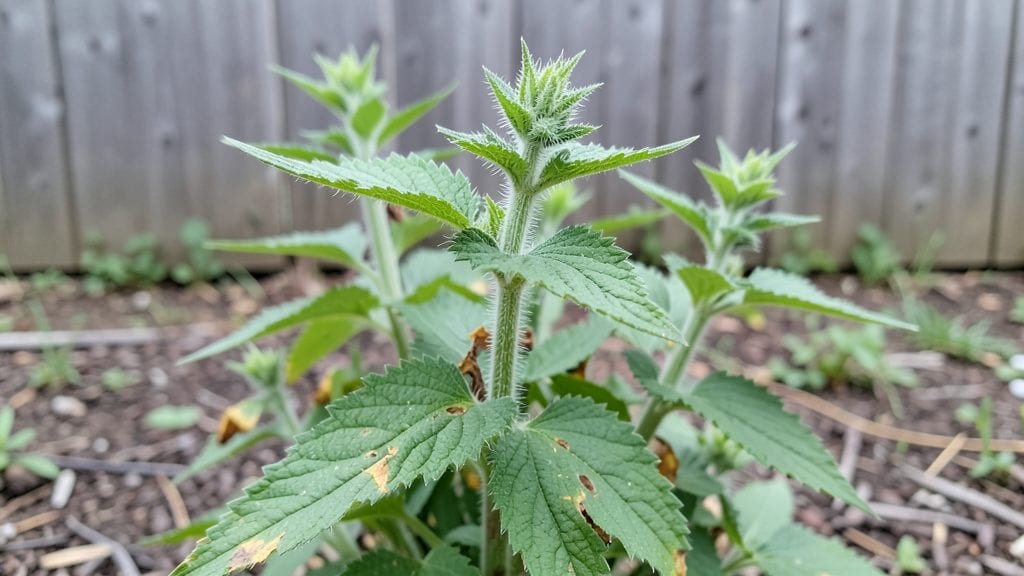
When you feel a burning itch after gardening, you’re not imagining things—some plants cause blisters and rashes that can ruin your day. ✨ I’ve had my share of painful surprises, especially with poison ivy and citrus sap, and I’ve learned the hard way which ones to watch for.
The good news? Knowing how to spot them and handle them safely can save you from days of discomfort.
Poison ivy, stinging nettles, and even citrus trees like lemons and oranges top the list of skin irritants. Poison ivy’s classic "leaves of three" rule is well-known, but nettles look innocent until you brush against them, and citrus sap can trigger reactions in sensitive skin.
The key is recognizing their appearance early—before you touch them—and keeping them out of your garden or workspace.
If you’ve already come into contact, act fast: wash the area with cold water and soap immediately, then apply hydrocortisone cream or calamine lotion to ease the itch.
For severe reactions, over-the-counter antihistamines or even a doctor’s visit might be needed. Prevention is easier than treatment, though—gloves, long sleeves, and learning to identify these troublemakers first.
Even experienced gardeners slip up, but now you’ll spot these plants before they spot you. Keep reading for a full list of culprits, how to remove them safely, and what to do if you’ve already gotten too close. Your skin will thank you.
📚 In This Guide
- What you need
- Instructions
- Tips and common mistakes
- Wrapping up and next steps
What you need
- ● Gloves (nitrile or rubber): A pair of thick, chemical-resistant gloves (e.g., Ansell ProFlex or MCR Safety brands) to protect your hands from sap, spines, or irritants. Quantity: 1-2 pairs.
- ● Safety goggles: To shield your eyes from sap splashes or debris. Example: DeWalt DPG82-11B.
- ● Handheld magnifying glass (10x magnification): For closely inspecting plant structures like hairs, spines, or blister-causing compounds. Example: OTC 4650.
- ● Petroleum jelly (Vaseline) or skin barrier cream: Like Zinc oxide-based creams (e.g., Desitin) to apply to exposed skin as a preventive measure.
- ● First-aid kit: Include hydrocortisone cream (1%), calamine lotion, antihistamines (Benadryl), and sterile gauze for reactions.
- ● Spray bottle with water: For rinsing off sap or irritants immediately.
- ● Notebook and pen: To log observations (e.g., plant names, reaction symptoms, or locations).
- ● Plant identification guide or app: Such as iNaturalist or PictureThis for on-the-go species verification.
- ● Long sleeves and pants: Lightweight, breathable fabric (e.g., moisture-wicking materials) to cover skin.
- ● Face mask (N95 or dust mask): For handling plants with fine, irritating hairs (e.g., stinging nettle).
- ● Portable UV flashlight: To inspect plants under UV light for hidden irritants (some compounds fluoresce).
- ● Digital camera: To document reactions or plant details for later reference.
- ● Earplugs: If working with loud tools (e.g., trimmers) near prickly plants.
How to protect your skin from blister-causing plants
Some plants pack a stinging surprise—here's how to recognize and handle them safely.
🌿 Step 1: Identify Common Blister-Producing Plants
First, know your troublemakers. Plants like stinging nettle, poison ivy, and giant hogweed contain irritating compounds that cause blisters, rashes, or welts when touched. Stinging nettle has fine hairs that inject formic acid, while poison ivy triggers an allergic reaction in most people. Giant hogweed's sap can even cause burns in sunlight.
I always check for these before gardening: serrated leaves (poison ivy), hairy stems (stinging nettle), or large umbel-shaped flowers (giant hogweed). If you're unsure, snap a photo and compare it to a reliable plant database—never guess with skin at risk.
✂️ Step 2: Use Protective Gear When Handling Unknown Plants
When removing or inspecting suspicious plants, I never go bare-handed. Wear long sleeves, gloves, and closed-toe shoes to minimize exposure. For stubborn plants, I use a long-handled pruner or grabbers to avoid direct contact entirely.
If you must touch a plant you suspect might irritate, first check for sap or sticky residue on the stems. Giant hogweed's sap is clear but can cause severe reactions—wash immediately if exposed. Keep a small bottle of rubbing alcohol handy to clean tools after use, as residual oils can linger.
💧 Step 3: Wash Skin Immediately After Exposure
If you brush against a suspicious plant, act fast. Wash the affected area with cold water and mild soap for at least 10-15 minutes. Scrub gently between fingers and under nails, where irritants often hide. I keep a travel-sized soap in my gardening bag for emergencies.
For stinging nettle, I find rinsing with vinegar or baking soda water helps neutralize the formic acid. If blisters form, avoid popping them—let them heal naturally. Apply a hydrocortisone cream or calamine lotion to reduce itching, but never use these on broken skin.
☀️ Step 4: Monitor for Reactions and Seek Help if Needed
Watch the area for 24-48 hours for signs of irritation: redness, swelling, or blisters. If symptoms spread beyond the initial contact site or you develop fever/chills, seek medical attention immediately—these could signal an allergic reaction or infection.
I keep a first-aid kit stocked with antihistamines, antibiotic ointment, and sterile gauze} in case of severe reactions. For known irritants like poison ivy, I have oral steroids} prescribed just in case. Prevention is key, but knowing how to respond makes all the difference.
🌱 Step 5: Create a Safe Garden Alternative
If you love gardening but worry about irritants, focus on non-toxic plants like sunflowers, marigolds, or basil. These won't cause blisters and add beauty to your space. I designate a "safe zone" in my garden for sensitive plants and keep irritants in a separate, clearly marked area.
For existing irritants you can't remove, I install physical barriers like fences or mulch to discourage contact. Labeling plants with their names and any known hazards helps everyone in the household stay safe. A little planning goes a long way in keeping your garden enjoyable and your skin blister-free.
Tips & tricks for handling blister-causing plants safely
Real talk: Even the most careful gardeners can end up with blisters from unexpected plants. Here's what I've learned after dealing with my fair share of stinging surprises.
Visual Cues Matter: In Step 1, when you're identifying plants, pay special attention to leaf arrangements and stem textures. Poison ivy's leaves grow in groups of three (remember "leaves of three, let it be"), while stinging nettle has jagged edges and fine hairs that feel like sandpaper. Giant hogweed's stems are thick with purple spots—these visual clues can prevent painful mistakes. I keep a small notepad in my gardening bag to jot down plant characteristics I'm unsure about.
Gear Up Before You Go: In Step 2, don't wait until you're already touching a suspicious plant to put on gloves. I keep my gardening gloves and long sleeves right by the garden gate so I can throw them on immediately. For giant hogweed specifically, I use heavy-duty rubber gloves—they're the only thing that protects against its sap. And here's the thing: if you're using a long-handled pruner, make sure it's clean. I always wipe mine down with rubbing alcohol after each use, especially when dealing with sap-producing plants.
Wash Like Your Skin Depends On It: When you get to Step 3, those 10-15 minutes of washing might feel tedious, but trust me on this—it's worth it. I've seen people rush this step and end up with blisters anyway. Pro tip: Keep a small bucket of cold water and soap near your gardening area. I also add a splash of vinegar to the wash water for stinging nettle—it helps neutralize the formic acid faster. And never forget to wash under your nails where irritants can hide!
Monitoring is Non-Negotiable: In Step 4, when you're watching for reactions, set a reminder on your phone for the 24-48 hour mark. I've had cases where reactions didn't appear until 36 hours after exposure. Keep a small mirror handy to check hard-to-see areas like your back or between fingers. If you notice any spreading redness or swelling beyond the initial contact site, that's your cue to see a doctor immediately—don't wait for it to get worse.
Pro Tips for Plants Causing Blisters
- Real talk: Even the most careful gardeners can end up with blisters from unexpected plants.
- Visual Cues Matter: In Step 1, when you're identifying plants, pay special attention to leaf arrangements and stem textures.
- Gear Up Before You Go: In Step 2, don't wait until you're already touching a suspicious plant to put on gloves.
Frequently asked questions
Got questions about plants that cause blisters? You’re not alone—these skin-irritating species can be tricky to spot! Here are some of the most common concerns people have, along with quick answers to keep you safe and informed.
What are the most common plants that cause blisters?
Some of the top culprits include giant hogweed, poison ivy, stinging nettle, and rushes. Even some ornamental plants like lily of the valley or foxglove can irritate skin. Always research before handling unfamiliar plants—when in doubt, wear gloves!
How long does it take for blisters to appear after contact?
Reaction times vary. Some plants, like poison ivy, cause blisters within 12 to 48 hours, while others (e.g., giant hogweed) may take 24 to 72 hours. If you suspect exposure, wash the area immediately with soap and water and monitor for redness or itching.
What’s the best way to protect myself from these plants?
Wear long sleeves, pants, and thick gloves when gardening or hiking. Spraying plants with a mild vinegar solution (1:1 ratio) can also help neutralize irritants. If you’re allergic, consider antihistamines or calamine lotion as a precaution.
Are there any safe alternatives to these blister-causing plants?
Swap risky plants for non-toxic companions like lavender, marigolds, or sunflowers. If you love foliage, opt for coleus or dusty miller, which are skin-friendly. Always check a plant’s USDA or botanical database before adding it to your garden.
What should I do if I already have blisters from a plant?
First, stop touching the area to avoid spreading irritation. Cleanse with cool water and mild soap, then apply a hydrocortisone cream (1%) or aloe vera to soothe. If blisters worsen or spread, see a doctor—especially if you develop fever or swelling, as this could signal a severe reaction.
Still unsure about a plant? Snap a photo and use an app like PictureThis or PlantNet to confirm its identity before contact. Stay safe out there!
Wrapping up and next steps
Now that you’re armed with the knowledge to spot and steer clear of blister-causing plants, you can enjoy gardening—or even a stroll in nature—with confidence! 🌿✨ Remember, awareness is your best defense, and a little caution goes a long way in keeping your skin happy and healthy.
Ready to take action? Start by inspecting your garden or local green spaces for these troublemakers, and share your findings with fellow plant lovers to spread the word. Stay safe, stay curious, and keep exploring the wonders of the plant world—blister-free!