
Pruning
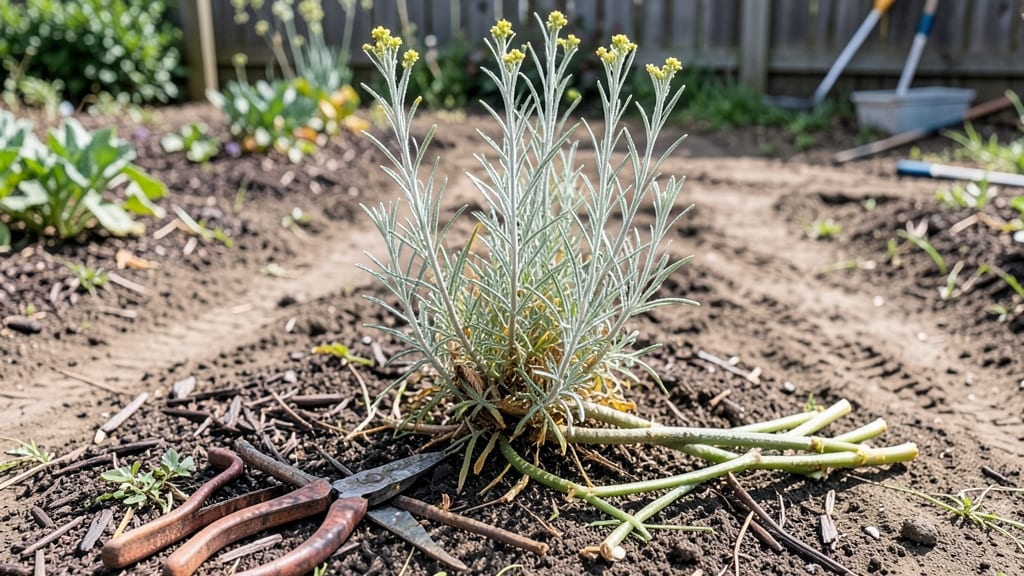
Pruning tarragon plants keeps them productive for years, and I’ve learned the three cuts that make all the difference. 🌿 That first spring trim in early April—right after the last frost—sets the tone for the whole season.
Too late, and you’ll miss the sweetest flavor; too early, and you risk stunting new growth.
The real secret is timing: cut back after harvests in June and again in September to encourage fresh, fragrant regrowth. I’ve seen tarragon go from sparse and leggy to a dense, bushy plant with just these three strategic trims.
The flavor actually improves with proper pruning—more anise notes, less bitter edge.
You’ll end up with a plant that’s easier to harvest, more resistant to pests, and packed with flavor. The first flush of new growth after each trim is the most aromatic, perfect for snipping fresh throughout summer.
Just avoid heavy pruning in fall—tarragon’s a tender perennial, and it needs time to harden off.
Works for both in-ground plants and container-grown tarragon, though potted plants need slightly more frequent trimming. Here’s how to do it right without sacrificing next year’s harvest.
📚 In This Guide
- What you need
- Instructions
- Tips and common mistakes
- Wrapping up and next steps
What you need
- ● Sharp pruning shears – Bypass pruners (4-6 inch blades) for clean cuts without crushing stems.
- ● Garden gloves – Nitrile-coated for grip and protection against sap (tarragon is non-toxic but can be sticky!).
- ● Disinfectant (70% isopropyl alcohol or bleach solution) – To sterilize tools between cuts and prevent disease.
- ○ Compost bin or bag – For collecting pruned stems (optional but eco-friendly!).
- ● Watering can or hose – To hydrate the plant post-pruning.
- ● Hand pruners – For smaller, more precise trims (especially for delicate new growth).
- ● Plant marker or label – To track pruning dates if you’re experimenting with schedules.
- ● Organic mulch – Straw or wood chips to retain moisture and protect roots after pruning.
- ● Spray bottle with water – For misting leaves if your tarragon is in a dry environment.
How to prune tarragon for lush, flavorful growth
This three-part approach keeps your tarragon bushy, productive, and thriving year after year.
✂️ Step 1: Spring Pruning to Encourage New Growth
Start in early spring, just as new shoots begin to emerge from the base. Tarragon grows from the ground up, so you'll see fresh green leaves pushing through the soil or low on the stems. Use sharp pruning shears to trim back any dead or brown stems—these won’t regrow and just take energy from the plant.
Next, cut back any leggy or overly long stems by about one-third of their length. This encourages the plant to branch out and grow fuller. Focus on the outer stems first, leaving the center untouched unless it’s also leggy. You’ll know you’ve done it right when you see multiple new shoots forming at the base within 2-3 weeks.
✂️ Step 2: Mid-Summer Pruning for Harvest and Shape
By mid-summer, your tarragon will be lush and full. This is the time to prune for both harvest and shape. Snip off the top 2-3 inches of each stem, focusing on the outer growth first. Tarragon grows in a bushy, upright manner, so trimming the tops helps maintain its shape while encouraging more leaf production.
Here’s the thing—tarragon doesn’t like being sheared too close to the ground, so always leave at least 4-6 inches of stem. If you harvest stems for cooking, cut them just above a leaf node (the small bump where leaves grow). This ensures the plant keeps growing downward and doesn’t get too woody. You’ll notice new growth appearing within 7-10 days—that’s your sign the pruning worked.
✂️ Step 3: Late Fall or Early Winter Pruning for Winter Prep
As temperatures drop and growth slows, it’s time for the final prune of the year. In late fall or early winter, trim back any dead or damaged stems completely. Tarragon is a perennial in USDA zones 3-9, so it will regrow in spring, but a clean prune now helps prevent disease and pests from hiding in dead foliage.
Don’t cut back healthy stems too drastically—just remove anything that looks brown, mushy, or diseased. You can also lightly trim the outer growth to shape the plant, but avoid heavy pruning. This keeps the plant tidy and ready to burst back to life in spring. Mulch around the base with 2-3 inches of organic mulch (like shredded leaves or straw) to protect the roots over winter.
⏰ Step 4: Year-Round Maintenance Checks
Tarragon grows slowly, so you don’t need to prune constantly, but keep an eye out for any stems that grow too long or leggy. A quick trim here and there throughout the year keeps the plant healthy and productive. If you notice any yellowing leaves, that’s often a sign of overwatering—tarragon prefers well-draining soil and hates soggy roots.
Real talk: tarragon can live for 10+ years with proper care, but it does get woody over time. If your plant starts looking more like a stick than a bush, it might be time to propagate a cutting and start fresh. The key is consistency—stick to these three pruning times, and you’ll have a tarragon plant that’s always ready for harvest.
Tips & tricks for pruning tarragon like a pro
Tarragon thrives with the right pruning approach—and these tricks will help you avoid common mistakes that can stunt growth or even kill your plant.
Timing is Everything: In Step 1, don't rush spring pruning—wait until you see those fresh green shoots emerging from the base. I've made the mistake of pruning too early when the plant is still dormant, and it just stressed the tarragon instead of encouraging new growth. Those 2-3 weeks for new shoots to appear are critical; if you don't see them, wait a few more days before pruning again.
Tool Matters More Than You Think: Use sharp pruning shears or clean scissors—not dull tools or your kitchen shears. I learned this the hard way after using dull scissors that crushed stems instead of making clean cuts. Always sterilize your tools with rubbing alcohol between cuts to prevent spreading disease. For Step 2, those clean cuts at 2-3 inches above leaf nodes make all the difference in how quickly your plant responds.
The One-Third Rule: When cutting back leggy stems in Step 1, measure first—cutting too much can shock the plant. I recommend using a ruler or measuring tape to mark one-third of each stem before cutting. This encourages branching while maintaining the plant's energy balance. For woody stems, you might need to cut back slightly more, but never take more than half the stem length.
Winter Prep Secret: In Step 3, that 2-3 inches of mulch around the base is non-negotiable for winter protection. I've seen tarragon plants survive harsh winters with this simple layer, while others without mulch struggled. Use straw or shredded leaves—they break down slowly and provide insulation while improving soil structure. This is especially important if you're in USDA zones 3-9 where winters can be unpredictable.
Pro Tips for Pruning Tarragon Plant
- Tarragon thrives with the right pruning approach—and these tricks will help you avoid common mistakes that can stunt growth or even kill your plant.
- Timing is Everything: In Step 1, don't rush spring pruning—wait until you see those fresh green shoots emerging from the base.
- Tool Matters More Than You Think: Use sharp pruning shears or clean scissors—not dull tools or your kitchen shears.
Frequently asked questions
Got questions about keeping your tarragon thriving with the right pruning? Here are some of the most common concerns—and their answers—to help you grow like a pro!
When is the best time to prune tarragon?
Prune tarragon three times a year: in early spring (before new growth), mid-summer (to encourage bushiness), and late summer (to prep for winter). Avoid heavy pruning in fall—tarragon is semi-hardy but benefits from lighter trims to protect its delicate stems. Pro tip: Never cut more than ⅓ of the plant at once!
What if I prune too late in the season?
Late-season pruning (after early fall) can stress tarragon, reducing its ability to harden off for winter. If you must trim, focus on dead or damaged foliage only. Over-pruning now may lead to weak regrowth or even winter dieback. Think of it like a haircut: too late, and your plant might not bounce back!
Can I use tarragon prunings for anything else?
Fresh tarragon clippings
make excellent herb bundles (hang to dry), flavorful infusions for vinegar or oil, or even compost (chop finely first). Just avoid woody stems—save those for mulch or discard. Bonus: Freeze prunings in ice cubes for later use in soups or marinades!
Why is my tarragon turning yellow after pruning?
Yellowing can signal over-pruning, nutrient deficiency, or pests (like spider mites). Check for:
- Too many cuts at once (stick to ⅓ rule)
- Dry soil or lack of fertilizer (feed lightly with balanced NPK)
- Pests hiding under leaves (spray with neem oil if needed)
Give it time—new growth should return in 2–3 weeks if conditions are right!
Does tarragon need winter pruning?
Tarragon is semi-hardy (USDA zones 5–9), so minimal winter care is key. In cold climates, trim back by ⅓ in late fall to reduce stress, but avoid heavy cuts. Mulch the base with straw or leaves to insulate roots. Spring surprise: You might see new growth peeking through early—don’t prune until after last frost!
Wrapping up and next steps
Pruning your tarragon plant isn’t just about keeping it tidy—it’s the secret to stronger growth, richer flavor, and a bountiful harvest all year round! 🌿 With just three strategic trims—spring, summer, and late fall—you’ll encourage bushier foliage and prevent woody stems.
Now that you’re armed with the when, how, and why of pruning, there’s no better time to roll up your sleeves and give your tarragon the TLC it deserves.
Ready to level up your herb garden? Start by grabbing your pruners and scheduling your first trim—your taste buds (and future dishes!) will thank you. Happy pruning! ✂️