Planting
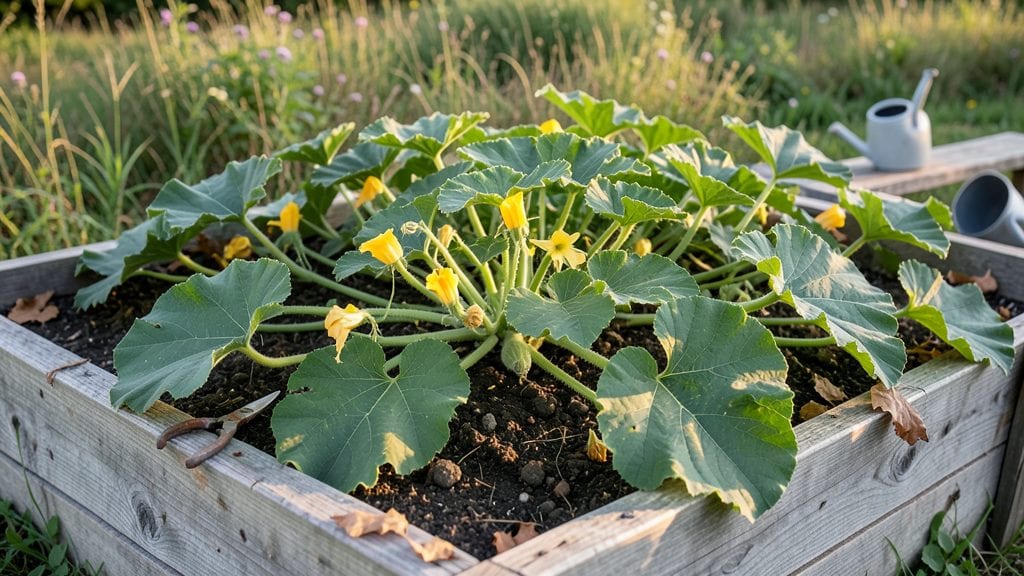
Those tiny pumpkin plant buds are where your harvest begins—ignore them at your peril. 🌱 I’ve watched my biggest vines flop because I didn’t understand how to guide those early buds into strong fruit.
The difference between a handful of small gourds and a patch of 20-pound monsters comes down to what you do in these first weeks.
Here’s the thing—pumpkin plants throw out hundreds of buds, but only a fraction will turn into fruit. The trick is pruning strategically to keep the plant focused on quality over quantity. You’ll need sharp pruners, a sunny spot, and patience as the vines spread.
Start by removing weak, yellowing leaves near the base—they’re just stealing energy from the buds you want to grow.
By mid-summer, your vines will be heavy with fruit, not just leaves. The buds you save now will turn into pumpkins that outshine anything from a store shelf—deep orange, firm, and ready for carving or baking by October.
The key is timing: prune in the morning when the plant’s full of energy, and always leave at least three strong buds per vine to ensure pollination.
This works for both bush and vining varieties, though sprawling types need extra support. Once you master the bud stage, you’ll never settle for small harvests again. Let’s get those vines producing like champs.
📚 In This Guide
- What you need
- Instructions
- Tips and common mistakes
- Wrapping up and next steps
What you need
- ● Pumpkin seeds or seedlings: Choose disease-resistant varieties like Howden, Jack Be Little, or Cinderella. If starting from seed, plant 3–5 seeds per hill (they’ll germinate in 7–10 days).
- ● Well-draining soil: A mix of 60% topsoil, 30% compost, and 10% perlite/sand (pH 6.0–6.8). Test soil fertility beforehand!
- ● Organic fertilizer: 5-10-10 NPK ratio (e.g., 1 lb per 100 sq ft) or composted manure (aged 6+ months).
- ● Mulch: Straw or black plastic (3–4 inches thick) to retain moisture and suppress weeds.
- ● Watering can or drip irrigation: 1–2 gallons per plant daily during flowering (early morning is best!).
- ● Pruning shears: Bypass pruners (sharp, 5–6 inch blades) for clean cuts without crushing stems.
- ○ Garden twine or stakes: 3–4 ft wooden stakes + soft twine to train vines (optional but helpful for space-saving).
- ● Plant supports: Trellis or cages (for smaller varieties like Sugar Pie).
- ● Epsom salt: 1 tbsp dissolved in 1 gallon of water (spray on leaves weekly for magnesium boost).
- ● Neem oil or copper fungicide: For prevention of powdery mildew (mix 1 tbsp neem oil + 1 tsp dish soap per gallon of water).
- ● Garden gloves: To protect hands during thorny pruning sessions!
Step-by-step guide to pruning pumpkin plant buds
Here's how I manage pumpkin vines to maximize fruit production—no guesswork, just proven techniques.
🌿 Step 1: Identify Male and Female Flowers
Start by spotting the difference between male and female buds. Male flowers grow on long, slender stems and appear first—ignore these for now. Female buds, however, have a tiny pumpkin-shaped swelling at their base, about the size of a marble. These are the ones you'll focus on preserving.
I check my vines daily after the first male flowers open. The female buds usually appear 7-10 days later, so mark them with a small stake or ribbon if you're unsure. This ensures you don't accidentally prune off potential fruit later.
✂️ Step 2: Prune Aggressively on Male Flowers
Once male flowers fully open, prune them completely. Use sharp pruning shears to cut the stem ½ inch above the next leaf node. This redirects the plant's energy toward female flowers and fruit development. I prune every male flower I see—no exceptions—because each one represents wasted resources.
Don't worry about leaving stubs; pumpkin vines are resilient. The key is to make clean cuts that heal quickly. I time this step for morning hours when the plant is hydrated, reducing stress on the vine.
🌱 Step 3: Thin Female Buds Strategically
When you find female buds, keep only the strongest one per vine section. Remove weaker buds by pinching them off with your fingers—no need for shears. I look for buds with the most vigorous stems and darkest green leaves. Space remaining female buds 12-18 inches apart along the vine.
This prevents overcrowding, which leads to small, misshapen fruit. I also remove any buds that appear on side shoots near existing fruit—these will compete for nutrients. Think of it as giving each pumpkin room to grow into its full potential.
💧 Step 4: Monitor and Maintain Throughout Growth
After initial pruning, check your vines every 3-4 days for new male flowers. Keep pruning them aggressively until female flowers begin setting fruit. Once fruit forms, focus on supporting the vines with sturdy trellises or cages to prevent breakage.
Watch for signs of stress like yellowing leaves or wilting—these often mean the plant is overloaded. In that case, remove one female bud or small fruit to balance the load. I've found that pumpkin vines reward careful attention with larger, healthier harvests.
☀️ Step 5: Harvest at Peak Ripeness
When pumpkins reach full size, check for a hard rind and stem that's dried and papery. I tap the pumpkin—if it sounds hollow, it's ready. Harvest on a dry morning to prevent rot. Use a knife to cut stems, leaving 1-2 inches of stem attached to the fruit.
After harvest, prune remaining vines back by ⅓ of their length to encourage any late-season fruit. I've had success getting a second small harvest from properly maintained vines. Store pumpkins in a cool, dry place with good airflow for long-term storage.
Tips & tricks for pruning pumpkin vines like a pro
Pumpkin plants reward careful pruning with bigger, healthier fruit—here's how to avoid common mistakes and maximize your harvest.
Timing is Everything: Morning is the best time to prune because the vines are fully hydrated from overnight watering. I've found that pruning in the morning also gives the plant the entire day to recover and redirect energy to female flowers. Avoid pruning in the afternoon heat, which can stress the plant and slow down recovery.
Tool Selection Matters: Use sharp, clean pruning shears for male flowers—they make precise cuts that heal faster. For female buds, your fingers work perfectly for pinching off weaker ones. I keep my shears disinfected with rubbing alcohol between uses to prevent spreading disease. Dull tools crush stems instead of cutting cleanly, which invites infections.
Visual Cues for Female Buds: Look for that tiny pumpkin-shaped swelling at the base of the bud—it's your clear sign of a female flower. I've trained myself to spot these by comparing them to a marble's size. If you're unsure, wait a day or two—the swelling becomes more obvious as the bud matures. Marking them with small stakes helps prevent accidental pruning later.
Stress Management: Pumpkin vines are tough, but they still show signs of stress. If you notice yellowing leaves or wilting after pruning, you might have removed too much at once. In Step 4, when monitoring growth, I recommend removing only one female bud or small fruit at a time if the plant looks overloaded. This balances the load without shocking the vine.
Pro Tips for Pumpkin Plant Buds
- Pumpkin plants reward careful pruning with bigger, healthier fruit—here's how to avoid common mistakes and maximize your harvest.
- Timing is Everything: Morning is the best time to prune because the vines are fully hydrated from overnight watering.
- Tool Selection Matters: Use sharp, clean pruning shears for male flowers—they make precise cuts that heal faster.
Frequently asked questions
Got questions about pumpkin plant buds and pruning? Here are some common ones to help you grow a thriving vine!
When should I start pruning pumpkin plant buds?
Begin pruning after your pumpkin plants have established 4–6 true leaves and started vining. This usually happens 3–4 weeks after germination. Early pruning helps direct energy to fruit production instead of excessive foliage. Pro tip: Wait until the plant is at least 2 feet tall to avoid stressing it.
How do I know which buds to prune?
Focus on removing male flowers first—they’re the smaller buds that appear on long stems. Female buds (larger, with a tiny pumpkin at the base) should be preserved. Prune aggressively on the main vine but leave lateral branches with female flowers intact. Pro tip: Use sharp pruners to avoid damaging the plant.
Will pruning delay pumpkin harvest?
No—pruning actually speeds up fruit production by reducing competition for nutrients. However, if you prune too late (after flowering), you might delay harvest slightly. Aim to finish pruning by the time female flowers appear. Pro tip: Monitor your plants weekly to time pruning perfectly.
What if my pumpkin plant has too few buds?
Few buds could mean stress from heat, poor soil, or overcrowding. Ensure your plant gets 6+ hours of sunlight daily and well-draining soil rich in compost. Thin plants to 3–4 feet apart. If buds still don’t form, check for pests (like squash vine borers) or nutrient deficiencies (add a balanced fertilizer).
Can I still get pumpkins if I skip pruning?
Yes, but yields will be smaller and fruit may be lower-quality. Unpruned vines produce more leaves than fruit, leading to fewer, smaller pumpkins. Pruning isn’t mandatory, but it’s the secret weapon for bigger, healthier harvests. Pro tip: Even a light pruning (removing 1–2 male flowers) can improve results!
Wrapping up and next steps
Mastering the art of pruning pumpkin plant buds is your golden ticket to a thriving harvest! By focusing on selective pruning, you’ll boost vine health, improve fruit quality, and maximize your garden’s potential. 🌱✨
Ready to put these tips into action? Grab your pruners, head to your garden, and start shaping those vines today—your future jack-o’-lantern (or savory dish!) will thank you.