
Planting
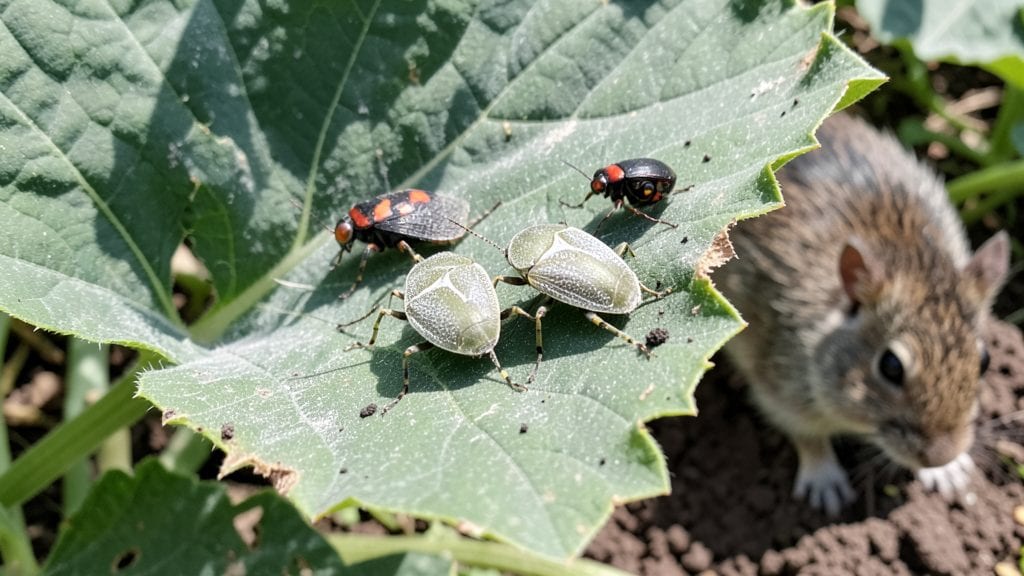
Pumpkin plants get hit hardest by insects that chew, suck, and spread disease—cucumber beetles, squash bugs, and aphids turn lush vines into skeleton leaves if you don’t act fast.
I’ve lost entire patches to these pests, but I’ve also saved harvests by spotting the early signs: jagged holes, sticky residue, or wilting that starts at the edges.
The key is catching them before they multiply, and I’ll show you exactly how to identify their damage and stop it in its tracks.
Cucumber beetles are the worst offenders—they strip leaves and carry bacterial wilt, which kills plants in days. Squash bugs hide under leaves, sucking sap and leaving brown, shriveled spots. Aphids cluster on new growth, turning it yellow and sticky.
The good news? All three respond to the same organic fixes: neem oil sprays, row covers, and hand-picking adults before they lay eggs. I’ve used these methods for five seasons now, and my pumpkins still thrive.
You’ll learn to recognize each pest’s damage pattern, then choose the right defense—whether it’s a quick spray, a physical barrier, or releasing beneficial insects like ladybugs. The goal isn’t just to save your plants; it’s to protect your harvest from scarring, rot, and early death.
By the end, you’ll have a foolproof system to keep your pumpkin patch productive, even in the buggiest summers.
This works for both backyard gardens and small-scale farms, and I’ll cover what to do if you’re already dealing with an infestation. No more guessing—just clear steps to outsmart the pests before they ruin your season.
Root Causes of Pumpkin Pest Attacks
Understanding why insects target your pumpkin plants is the first step in stopping them. These pests don’t just appear out of nowhere—they’re drawn by specific conditions in your garden. Below, we break down the key triggers that turn your pumpkin patch into an all-you-can-eat buffet for unwanted critters.
Pumpkin plants thrive when they have space to breathe, but when they’re packed too tightly, their defenses weaken. Here’s why overcrowding is a pest magnet:
- Reduced Airflow 🌬️ Tightly spaced vines create humid, shaded microclimates—perfect breeding grounds for soft-bodied insects like aphids, whiteflies, and squash bugs. Poor airflow also slows down the drying of dew, keeping pests hydrated and active longer.
- Stressed Roots & Nutrient Competition 🌿 Overcrowded plants compete for water and nutrients, making them nutritionally deficient. Weak plants produce less sap (phloem), which is less bitter and more appealing to pests like cucumber beetles and spider mites.
- Physical Damage from Vines 🪴 When vines tangle, they bruise leaves and stems, creating entry points for bacteria and fungi. This secondary damage attracts sap-sucking insects that feed on compromised tissue.
Actionable Fix: ✅ Space plants 3–5 feet apart (depending on variety) to improve airflow and sunlight penetration. ✅ Prune excess vines to reduce congestion and encourage stronger growth.
A messy garden is like a five-star hotel for insects. Leftover debris, old plant matter, and unharvested pumpkins provide shelter, food, and breeding sites for pests year-round.
- Overwintering Pests ❄️🐛 Many pumpkin pests—like squash vine borers and cucumber beetles—survive winter in plant residue, compost piles, or leaf litter. If you don’t clean up after harvest, they’ll re-infest next season.
- Weeds as Pest Magnets 🌾 Weeds like pigweed and lambsquarters host alternative food sources for aphids, flea beetles, and other pests. These insects then migrate to your pumpkins once the weeds are depleted.
- Volunteer Pumpkins & Squash 🎃 Unplanned pumpkin sprouts (from last year’s seeds) attract pests before your main crop even emerges. They also spread diseases like powdery mildew, which weakens plants and makes them more susceptible to insect attacks.
Actionable Fix: ✅ Remove all plant debris after harvest—burn, compost (hot piles only), or bag it to kill overwintering pests. ✅ Rotate crops annually to disrupt pest life cycles (avoid planting cucurbits in the same spot two years in a row). ✅ Mulch with straw or black plastic to suppress weeds and reduce hiding spots.
Pumpkins love water, but too much moisture creates the perfect conditions for fungus, bacteria, and soft-bodied insects to thrive.
- Fungal Growth Attracts Insects 🍄 Overwatered soil leads to powdery mildew, downy mildew, and bacterial leaf spot, which weaken plant tissues. Insects like thrips and spider mites are drawn to these stressed areas because the plant’s natural defenses are compromised.
- Stagnant Water Breeds Pests 💦 Poor drainage or standing water (from overwatering or low-lying areas) creates mosquitoes, fungus gnats, and slugs—all of which indirectly harm pumpkins by spreading disease or eating young seedlings.
- High Humidity Favors Sap-Suckers 🌫️ Insects like aphids and whiteflies thrive in humid conditions because they retain moisture longer, slowing down natural predators (like ladybugs) that could keep them in check.
Actionable Fix: ✅ Water at the base (not overhead) to reduce leaf wetness and fungal spores. ✅ Improve soil drainage with compost or raised beds to prevent waterlogging. ✅ Space irrigation lines to avoid creating damp microclimates near vines.
Pumpkins need balanced nutrition, but deficiencies or excesses can make them more attractive (or vulnerable) to pests.
- Nitrogen Overload = Soft, Tasty Leaves 🍃 Too much nitrogen produces lush, tender foliage—a buffet for chewing insects like squash vine borers and flea beetles. These pests prefer weak, fast-growing tissue over tough, mature leaves.
- Potassium Deficiency = Weak Cell Walls ⚡ Low potassium makes plant cells less resilient, making them easier for insects to penetrate. This is why cucumber beetles and aphids often target potassium-deficient pumpkins—they break through defenses more easily.
- Phosphorus Imbalance = Stunted Growth 🌱 Without enough phosphorus, plants struggle to develop strong roots and stems, leaving them susceptible to root-feeding pests like cutworms and squash bugs.
Actionable Fix: ✅ Test your soil (pH 6.0–6.8 is ideal for pumpkins) and amend with compost or balanced fertilizer (10-10-10 or 5-10-10). ✅ Avoid high-nitrogen fertilizers (like fresh manure) early in the season—switch to potassium-rich amendments (wood ash, banana peels) as plants mature. ✅ Use organic mulch (straw, grass clippings) to slow nitrogen release and prevent soft growth.
Pests don’t just appear—they time their attacks based on temperature, rainfall, and seasonal cues.
- Warm Springs = Early Cucumber Beetle Outbreaks 🌤️ Cucumber beetles emerge when soil temps hit 55°F (13°C). If your spring is unusually warm, they’ll hatch and feed earlier, damaging young seedlings before you even notice.
- Drought Stress Attracts Sap-Suckers 🏜️ When pumpkins wilts from drought, they produce more sugars in leaves to survive—this sweet sap attracts aphids, whiteflies, and spider mites, which are drawn to the high-sugar feast.
- Late Summer Heat = Squash Vine Borer Peak 🔥 Squash vine borers lay eggs in late summer (when temps are 80°F+ / 27°C+). Their larvae chew through stems, causing sudden wilting—often just as pumpkins are nearing harvest.
Actionable Fix: ✅ Monitor weather forecasts and time planting to avoid peak pest emergence (e.g., delay planting if early beetles are active). ✅ Use row covers in early spring to block beetles and borers until plants are established. ✅ Water deeply during droughts to reduce plant stress (but avoid overhead watering at night).
Fixing Pumpkin Plant Pest Problems
Pumpkin plants are resilient, but pests can turn a thriving garden into a battleground—fast. 🐛🌱 The good news? Most insect issues have simple, effective fixes if you act early. Below, we’ll map common pumpkin plant insect culprits to targeted solutions, plus prevention tips to keep your patch pest-free all season.
Symptoms: Wilting vines, sawdust-like frass near stems, or sudden plant collapse.
How to Fix It: ✅ 🔪 Handpick larvae – Split open stems in the morning (larvae are sluggish then) and drop them into soapy water. Check weekly during peak season (late June–July). ✅ 🌱 Use row covers – Install floating fabric row covers at planting to block adult moths. Remove when flowers appear to allow pollination. ✅ 💡 Trap crops – Plant a sacrificial row of zucchini or cucumbers near your pumpkins. Borers will target these first, giving your main crop a head start. ✅ 🌡️ Soil drenches – Apply Bt (Bacillus thuringiensis) spray every 7–10 days. This organic bacteria kills borers when they ingest it—safe for bees and humans!
Prevention:
- 🎯 Rotate crops – Avoid planting cucurbits (pumpkins, squash, melons) in the same spot yearly.
- 🌿 Plant companion herbs – Basil, marigolds, and nasturtiums repel borer moths. Tuck them around your pumpkin patch.
Symptoms: Sticky residue (honeydew), curled leaves, tiny webs, or yellowing foliage.
How to Fix It: 💦 🍳 Spray with soapy water – Mix 1 tsp mild dish soap + 1 quart water in a spray bottle. Hit both sides of leaves in the early morning (aphids are less active then). 🌿 👨🍳 Introduce predators – Ladybugs and lacewings devour aphids. Buy them online or attract them with dill, fennel, or yarrow. 🔥 🌡️ Neem oil spray – Mix 2 tbsp neem oil + 1 tsp soap + 1 quart water. Spray every 5–7 days to suffocate mites and disrupt their life cycle.
Prevention:
- 💡 Keep plants healthy – Strong vines resist pests. Water deeply (1–2 inches/week) and fertilize with compost tea for balanced growth.
- 🎯 Prune heavily infested leaves – Drop them in a sealed bag to prevent spread.
Symptoms: Jagged leaf holes, yellowing plants, or bacterial wilt (wilting despite healthy roots).
How to Fix It: 🛡️ 🔥 Yellow sticky traps – Hang yellow cards coated in petroleum jelly near plants to catch adults. 🍄 🌱 Collar young plants – Wrap cardboard or aluminum foil collars around stems to block beetles from laying eggs at the base. 💊 🌡️ Pyrethrin spray – Use organic pyrethrin spray (derived from chrysanthemums) to knock them back. Reapply after rain.
Prevention:
- 🎯 Plant late – Cucumber beetles emerge in early spring. Delay planting until after the last frost (when soil is warm).
- 🌿 Use row covers – Keep them on until flowers appear (then remove for pollination).
Symptoms: Tiny holes in leaves (like shotgun pellets), stunted growth in seedlings.
How to Fix It: 🛡️ 🔥 Floating row covers – Cover seedlings until they’re 4–6 inches tall (beetles can’t chew through fabric). 🌿 🍳 Diatomaceous earth – Sprinkle food-grade DE around the base of plants. It’s harmless to you but dehydrates beetles. 💡 🌡️ Kaolin clay spray – Mix Surround WP clay with water. It creates a protective film that beetles hate.
Prevention:
- 🎯 Choose resistant varieties – Try ‘Howden’ or ‘Waltham Butternut’ pumpkins; they tolerate flea beetles better.
- 🌱 Interplant with radishes – Flea beetles prefer radishes over pumpkins. Sacrifice a row!
💡 🌱 Rotate crops – Never plant pumpkins, squash, or melons in the same spot two years in a row. 🌿 🎯 Plant companion plants – Nasturtiums (trap aphids), basil (repels beetles), and marigolds (deter borers). 🔥 🌡️ Inspect daily – Check undersides of leaves and stem bases for eggs/larvae.
Early action = fewer pests! 🛡️ 💡 Use reflective mulch – Lay silver plastic mulch around plants to confuse flying insects.
Remember: The key to beating pumpkin plant insects is speed and prevention. A little vigilance now saves hours of damage later—and ensures your harvest stays big, healthy, and pest-free! 🎃💪
Frequently asked questions
What are the most destructive insects for pumpkin plants?
The worst offenders are cucumber beetles (they spread bacterial wilt), squash bugs (suck sap and cause wilting), and squash vine borers (larvae chew through stems). Aphids and flea beetles also cause significant damage by feeding on leaves and seedlings.
How do I know if my pumpkin plants have insect damage?
Look for jagged holes (cucumber beetles), sticky residue (aphids), yellowing leaves (squash bugs), or sudden wilting (vine borers). Check undersides of leaves for eggs and stems for sawdust-like frass. Early signs include curled leaves or tiny webs.
Are there organic ways to control pumpkin plant insects?
Yes! Use neem oil spray, Bt (Bacillus thuringiensis) for borers, or soapy water for aphids. Handpick adults, install row covers early, and introduce beneficial insects like ladybugs. Companion plants (basil, marigolds) also help deter pests naturally.
When should I start treating pumpkin plant insects?
Begin preventive measures at planting (row covers, companion plants) and monitor weekly for early signs. Treat immediately if you spot pests—especially before flowers appear. Waiting until damage is visible often means the infestation is already severe.
Can I still save my pumpkins if they're already heavily infested?
It depends on the pest. For vine borers, prune affected vines immediately. For aphids or beetles, aggressive spraying (neem oil, pyrethrin) can help. Remove heavily damaged leaves and focus on protecting healthy growth. In severe cases, consider replanting nearby areas.