
Planting
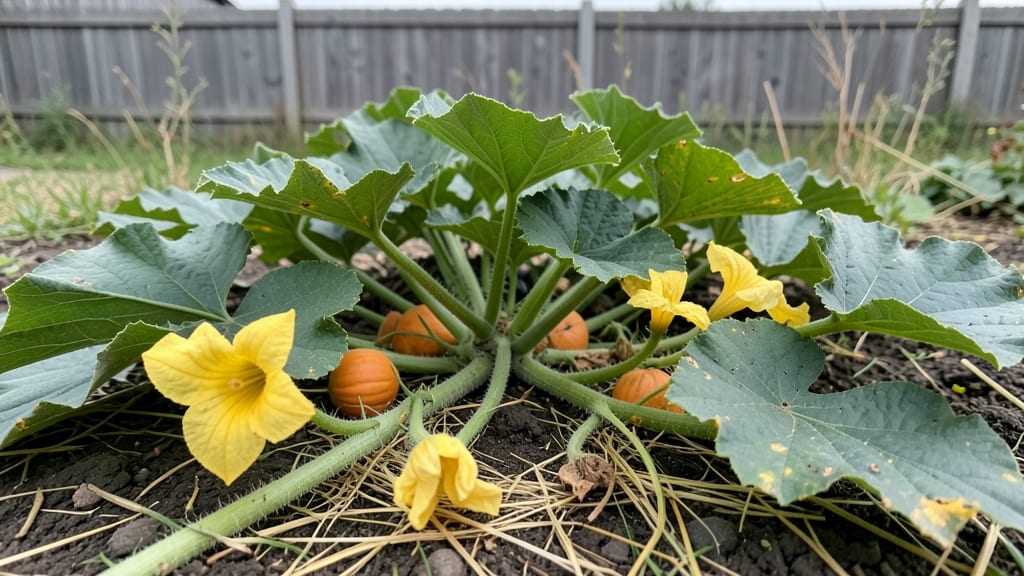
Pumpkin plant vines grow faster than you can imagine when given the right support—imagine 5-foot vines in just 2 weeks if you start them early. 🌱 I’ve watched my own pumpkin plants race up trellises like jungle vines, transforming a small corner of the garden into a lush, productive green wall.
The secret isn’t just space—it’s how you train them from day one.
You’ll need sturdy trellises (think 8-foot tall for big varieties), well-draining soil rich in compost, and a sunny spot with at least 6-8 hours of light daily. Most people underestimate how much room vines need to climb—crowding leads to tangled messes and fewer pumpkins.
But with the right setup, you’ll maximize harvests even in tight spaces.
By mid-summer, you’ll be picking pumpkins that weigh 10+ pounds each, their vines still climbing higher. The trellis keeps fruits off the ground, reducing rot and pests while making harvesting a breeze.
Plus, the vertical display turns your garden into a showstopper—neighbors will ask how you fit so much in so little room.
Works for both small patios and large gardens—just adjust trellis height and spacing. Here’s how to keep those vines growing strong and your harvests bountiful, no matter your space.
📚 In This Guide
- What you need
- Instructions
- Tips and common mistakes
- Wrapping up and next steps
What you need
- ● Pumpkin seeds: Choose heirloom or hybrid varieties (e.g., Cucurbita pepo or Cucurbita maxima) suited for trellising. Aim for 3–5 seeds per plant (thin to 1–2 strongest seedlings).
- ● Trellis or support structure: A 6–10 ft tall, sturdy frame (e.g., A-frame, wire mesh, or wooden lattice). Ensure it’s at least 3 ft wide to accommodate vine spread.
- ● Potting mix or garden soil: Well-draining, nutrient-rich soil with a pH of 6.0–6.8. Add compost (1–2 lbs per sq ft) for extra fertility.
- ● Watering can or hose: With a gentle spray nozzle to avoid damaging vines.
- ● Fertilizer: A balanced 10-10-10 or organic option (e.g., fish emulsion) for initial planting. Switch to a low-nitrogen, high-potassium (5-10-10) fertilizer when vines start climbing.
- ● Pruning shears: Bypass pruners (sharp and clean) for trimming excess vines.
- ● Plant ties or soft twine: 1–2 ft lengths (avoid plastic ties—they can girdle vines).
- ● Mulch: Straw or black plastic to suppress weeds and retain moisture.
- ● Shade cloth: 30–50% coverage for seedlings if in hot climates.
- ● Drip irrigation system: Automates watering and saves time.
- ● Row covers: Protects young plants from pests (e.g., squash bugs).
- ○ Growth regulator (optional): Paclobutrazol (follow label instructions) to promote bushier vines.
Step-by-Step guide to training pumpkin vines on a trellis
Here's how to turn sprawling pumpkin vines into vertical powerhouses—no wasted space, no tangled mess.
🪴 Step 1: Set Up Your Trellis System
Start with a sturdy 8-foot-tall trellis (or chain-link fence if you're ambitious). I like using wooden lattice panels spaced 12 inches apart—this gives vines plenty of handholds to climb. Position it in full sun where vines will get at least 6 hours of direct light daily. If your space is tight, a freestanding A-frame trellis works too, but anchor it well—pumpkins pack serious weight.
Check your trellis height: if it's shorter than 8 feet, your pumpkins may not reach full size. The goal is to guide vines upward while keeping fruits within easy reach. I also add horizontal crossbars every 2 feet to create a ladder-like structure—this prevents vines from slipping between gaps. Use zip ties or soft garden twine to secure the trellis to stakes or a fence post.
🌱 Step 2: Plant Seeds at the Right Time and Depth
Sow seeds 1-2 inches deep in well-draining soil after the last frost when soil reaches 70°F. I plant 4 seeds per hill, spacing hills 6 feet apart—this gives vines room to spread before training them upward. Water deeply right after planting to settle the soil, then keep it consistently moist until germination (7-10 days).
Here's the thing—pumpkin seeds need warmth to sprout. If your soil stays cool, cover the area with black plastic mulch for a week before planting to warm it up. Once sprouts appear, remove the mulch but keep the soil moist. You'll see first true leaves in another 7-10 days—that's your cue to start training vines.
☀️ Step 3: Train Vines Upward Early
When vines reach 12 inches tall, gently guide the strongest stem toward the trellis and secure it with soft plant ties. I avoid metal or wire ties—they can cut into tender vines. Watch for 5-7 leaf clusters before letting the vine climb freely. This early support prevents sprawl and encourages upward growth.
Don't rush this step. If you wait too long, vines will root where they touch the ground, creating a tangled mess. Instead, prune side shoots that form below the first 3 feet of the trellis—these drain energy from fruit production. You'll know you're on track when the main vine climbs 1-2 feet per day once established.
✂️ Step 4: Prune and Manage Growth Weekly
Every 7-10 days, inspect vines for suckers (small shoots at leaf junctions). Remove these aggressively—each one steals nutrients from your pumpkins. Keep only 1-2 main vines per plant climbing the trellis. If a vine grows too thick, thin it to 12 inches in diameter to improve airflow and reduce disease risk.
Here's a pro tip: pinch off male flowers (they have long stems) if you're growing smaller varieties like sugar pumpkins. Female flowers (with tiny pumpkins at their base) get priority. You'll see fruit set within 2 weeks of pollination—this is when vines need extra support. Add horizontal slings under developing pumpkins to prevent neck strain.
💧 Step 5: Water and Fertilize for Vertical Growth
Water at the base of the trellis every 2-3 days during dry spells, giving 1-2 gallons per plant. Drip irrigation works best—it keeps foliage dry and reduces disease. I also mulch heavily with straw to retain moisture and cool roots. Pumpkins on trellises dry out faster than ground plants, so check soil 1 inch deep—it should feel damp but not soggy.
Feed vines with a balanced 10-10-10 fertilizer every 4 weeks once flowers appear. I mix it into the soil at the base, then water deeply to distribute nutrients. Avoid high-nitrogen fertilizers—they promote leafy growth over fruit. You'll know your vines are thriving when they produce 5-7 female flowers per week and pumpkins grow 1-2 inches daily after pollination.
Tips & tricks for fast-growing pumpkin vines on trellises
Mastering vertical pumpkin growth takes just a few key tricks to transform sprawling vines into efficient, high-yielding climbers.
Trellis Height Matters: That 8-foot trellis isn't arbitrary—it's the minimum height needed for full-sized pumpkins. I've learned the hard way that shorter trellises (under 7 feet) often result in stunted growth. If you're growing giant varieties like Atlantic Giants, consider extending to 10 feet. The extra height gives fruits room to develop their full potential while keeping them off the ground and protected from pests.
Timing is Everything: The 7-10 day germination window is critical, but don't panic if sprouts take slightly longer in cooler conditions. What matters most is maintaining that soil temperature of 70°F—this is your speed dial for fast growth. I use a soil thermometer to monitor temperatures, especially in early spring. If your soil stays below 65°F, those black plastic mulch sheets become your best friend for warming the soil faster.
Pruning Strategy: When you're pruning those suckers every 7-10 days in Step 4, focus on keeping only the strongest main vines climbing upward. I've found that removing side shoots below the first 3 feet of the trellis gives the main vine all the energy it needs to climb that crucial 1-2 feet per day. This aggressive pruning might seem harsh, but it pays off with bigger, healthier pumpkins. Think of it as redirecting your plant's energy from bushy growth to fruit production.
Support System: Those horizontal slings under developing pumpkins in Step 4 are non-negotiable for larger varieties. I've seen pumpkins weighing 20+ pounds snap their stems when not properly supported. Use soft fabric slings or even old t-shirts tied securely to the trellis—whatever keeps the fruit cradled without constricting growth. The goal is to prevent stem breakage while allowing the pumpkin to grow unimpeded.
Pro Tips for Pumpkin Plant Vines
- Mastering vertical pumpkin growth takes just a few key tricks to transform sprawling vines into efficient, high-yielding climbers.
- Trellis Height Matters: That 8-foot trellis isn't arbitrary—it's the minimum height needed for full-sized pumpkins.
- Timing is Everything: The 7-10 day germination window is critical, but don't panic if sprouts take slightly longer in cooler conditions.
Frequently asked questions
Got questions about growing pumpkin vines?
You’re not alone! Here are answers to the most common queries about these fast-growing, vine-loving plants—so you can cultivate a thriving harvest with confidence.
How long do pumpkin vines take to grow?
Pumpkin vines are fast—expect sprouts in 3–7 days after planting seeds! Vines grow aggressively, reaching 10–20 feet in just 4–6 weeks. However, full maturity (ready for harvest) takes 75–120 days, depending on the variety. Trellising early helps manage their speed and boosts yields!
When is the best time to plant pumpkin vines?
Pumpkins thrive in warm soil (60–90°F), so wait until after the last frost when nighttime temps stay above 50°F. For most climates, this means late spring to early summer (April–June). Start seeds indoors 2–4 weeks early in cooler zones. Pro tip: Use black plastic mulch to warm soil faster!
Can pumpkin vines grow without a trellis?
Yes, but not recommended for most gardens! Untrellised vines sprawl 10–30 feet, stealing space from other plants and making fruit hard to reach. If you skip a trellis, choose bush varieties (like ‘Jack Be Little’) or dedicate a large, sunny patch. Warning: Vines can smother nearby crops—plan ahead!
Why are my pumpkin vines wilting or dying?
Wilting vines often signal overwatering, pests, or disease. Check for:
- Powdery mildew (white dust on leaves)—improve airflow and spray neem oil.
- Squash vine borers (chewed stems)—wrap stems with aluminum foil or use row covers early.
- Root rot (mushy stems)—reduce watering and ensure well-draining soil.
Act fast! Prune damaged leaves and rotate crops next season to prevent recurrence.
How do I know when pumpkins are ready to harvest?
Harvest when the vine’s nearest leaf turns yellow and dies, and the pumpkin’s rind is hard (tap it—it should sound hollow). For storage varieties, wait until 10 days after flowering (check seed packets for specifics). Pro tip: Leave a 1-inch stem to extend shelf life!
Wrapping up and next steps
Growing pumpkin plant vines on a trellis isn’t just space-smart—it’s a game-changer for maximizing your harvest while keeping your garden tidy and pest-resistant! 🌱 With the right setup, you’ll enjoy faster growth, healthier fruits, and even fewer weeds to battle.
Whether you’re a seasoned gardener or a curious beginner, these fast-growing vines reward patience with vibrant blooms and plump pumpkins.
Ready to put your newfound knowledge into action? Start by sketching your trellis design or gathering supplies—then watch your pumpkin patch transform into a vertical masterpiece! 🚀 Happy planting, and may your harvest be bountiful!