
Companion Plants
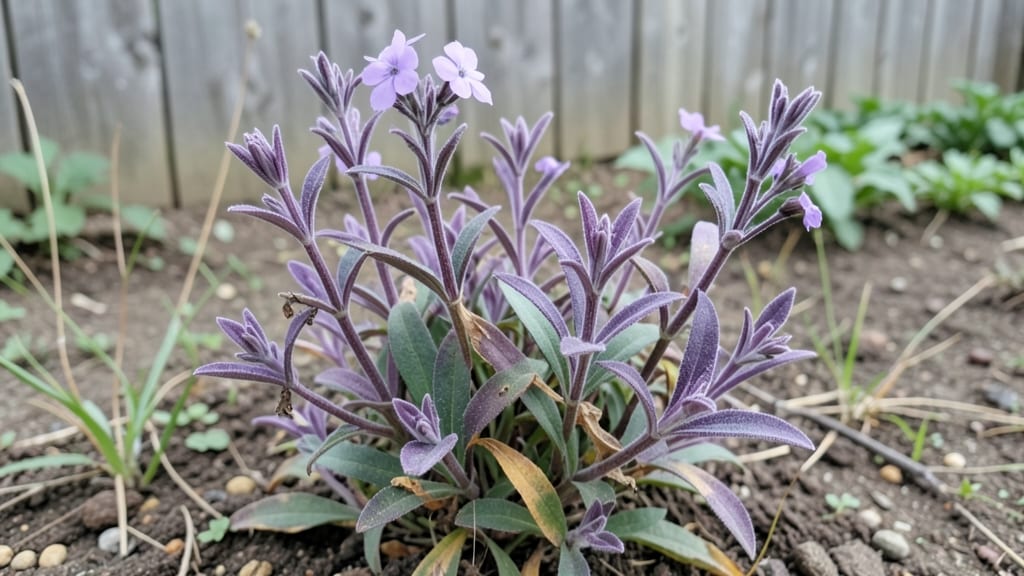
Purple evergreen plants bring drama to gardens where nothing else survives summer heat. 🌿 I remember the first time I spotted a lush purple hebe thriving in a drought-stricken border—it changed how I designed my own yard forever.
These plants don't just survive dry spells; they thrive, turning watering worries into worry-free elegance.
The best part? They work anywhere—tucked into borders, shaped as hedges, or spilling over containers. Purple foliage pairs perfectly with silver-blue plants (like lamb's ear) or bright yellow flowers (like coreopsis) for a high-contrast look that pops even in winter.
Most need full sun and well-drained soil, but once established, they barely ask for anything else.
You'll end up with year-round interest that outshines seasonal flowers. The deep purple hues of plants like 'Purple Pillar' boxwood or 'Purple Heart' hebe create focal points that never fade, while their glossy leaves add texture that feels luxurious.
These are the plants that make neighbors stop and ask, "What are those?"
Perfect for low-maintenance gardens, urban spaces, or drought-prone areas. Here's how to choose, place, and pair them for maximum impact—without the fuss.
📚 In This Guide
- What you need
- Instructions
- Tips and common mistakes
- Wrapping up and next steps
What you need
- ● Purple evergreen plants (choose from): 1–3 Hebe (e.g., 'Blue Gem' or 'Purple Haze') – mature size: 2–4 ft tall
- ● 1 Lavender (e.g., 'Grosso' or 'Hidcote') – mature size: 1–3 ft tall
- ● 1–2 Purple Sage (Salvia officinalis 'Purpurascens') – mature size: 2–3 ft tall
- ● 1 Cotoneaster (e.g., C. dammeri 'Royal Purple') – mature size: 3–5 ft tall
- ● Well-draining soil mix (50% native soil + 50% compost or cactus/succulent mix) – ~10–20 gallons, depending on container size.
- ● Containers or garden bed: Containers: 1–2 12–18" pots (with drainage holes) per plant.
- ● Garden beds: Full-sun area with 6+ hours of sunlight daily.
- ● Slow-release fertilizer (e.g., 14-14-14 or 5-10-10) – 1 tbsp per plant at planting.
- ● Mulch (gravel or organic mulch like bark) – 2–3 inches to retain moisture.
- ● Garden trowel or transplant spade (for digging).
- ● Pruning shears (for shaping or propagation).
- ● Watering can or hose with gentle nozzle (avoid overhead watering).
- ○ pH test kit (optional) – Aim for 6.0–7.0 for most purple evergreens.
- ○ Drought-resistant companion plants (optional): 1 Rosemary (for texture and fragrance).
- ● 1 Yarrow (Achillea) for pollinators.
How to select and plant purple evergreen plants for year-round color
These drought-tolerant beauties bring bold color without the fuss—here’s how to choose and plant them properly.
🌿 Step 1: Choose the Right Purple Evergreen Varieties
Start with proven drought-tolerant purple evergreens like Heuchera (coral bells), Lavender (English or Spanish), Purple Smoke Bush, or Dwarf Mondo Grass. These thrive in USDA Zones 5-9 and handle heat and dry spells once established. I always check the mature size—some like Lavender grow 3-4 feet tall, while Heuchera stays compact at 12-18 inches. Pick varieties with deep purple foliage for maximum visual impact.
If your soil drains poorly, opt for Purple Smoke Bush—it tolerates clay better than most. For containers, Dwarf Mondo Grass is ideal because it stays under 6 inches tall and spreads slowly. Avoid overwatering at this stage—these plants despise soggy roots.
🪴 Step 2: Prepare the Planting Site
Pick a spot with at least 6 hours of sunlight daily, though some like Heuchera handle morning sun and afternoon shade. Clear the area of weeds and loosen the soil to a depth of 12 inches with a garden fork. Mix in 2 inches of compost (from your materials list) to improve drainage and fertility. If your soil is heavy clay, add 1 part perlite to every 3 parts soil to prevent waterlogging.
For containers, use a well-draining potting mix (never garden soil). I like to add a slow-release fertilizer at planting time to give these drought-lovers a nutrient boost. Space plants according to their mature size—18-24 inches apart for Heuchera and 3-4 feet apart for Lavender or Purple Smoke Bush. Skimping on space leads to crowded, leggy growth.
☀️ Step 3: Plant Correctly for Longevity
Dig a hole twice as wide as the root ball but only as deep. Place the plant so the top of the root ball sits level with the surrounding soil—burying too deep suffocates roots. Gently spread the roots outward and backfill with native soil, pressing lightly to remove air pockets. Water deeply right after planting to settle the soil and remove any gaps.
Mulch with 2-3 inches of shredded bark or gravel (from your materials list) to conserve moisture and suppress weeds. Keep mulch 2 inches away from stems to prevent rot. Purple evergreens hate wet feet, so avoid mulching too thickly. You’ll see new growth within 4-6 weeks if planted correctly—that’s your signal everything’s working.
💧 Step 4: Water and Maintain for Drought Tolerance
Water deeply once a week during the first growing season to encourage deep root growth. Once established (after 12-18 months), these plants need water only every 2-3 weeks unless your area experiences extreme heat. Check soil moisture by sticking your finger 2 inches deep—if it’s dry, water; if damp, wait. Overwatering is the #1 killer of purple evergreens.
Fertilize lightly in early spring with a balanced, slow-release fertilizer (like 10-10-10). Too much nitrogen makes foliage grow fast but loses its vibrant purple hue. Prune Lavender and Purple Smoke Bush in late winter to shape them, but avoid heavy cuts—these plants resent aggressive pruning. Heuchera and Mondo Grass rarely need pruning unless dead leaves appear.
✂️ Step 5: Protect and Enjoy Year-Round
In winter, Lavender and Purple Smoke Bush may need light mulch (1-2 inches) in colder zones to protect roots from freezing. Heuchera and Mondo Grass are hardy down to Zone 5 with no extra care. If you notice leaves browning in winter, it’s usually freeze damage—new growth will emerge in spring.
These plants thrive with minimal care once established. The key is proper planting and smart watering. You’ll love how they hold their color through all four seasons—no summer wilting or winter dieback. Group them with silver foliage plants (like lamb’s ear) for a striking contrast that pops in any garden.
Tips & tricks for perfect purple evergreen plantings
Between us, these purple evergreens are the unsung heroes of low-maintenance gardens—but they need a few key tricks to really shine. Here's how to avoid common pitfalls and get the most vibrant color year-round.
Variety Selection Matters: Don't just grab any purple foliage—look for deep purple hues in the leaves, not just flowers. Heuchera varieties like 'Palace Purple' or 'Plum Pudding' maintain their color even in full sun, while Lavender varieties like 'Hidcote' have the most intense purple stems. For containers, Dwarf Mondo Grass stays compact and holds its color beautifully, but avoid varieties labeled "green" or "chartreuse"—they won't give you that signature purple punch.
Soil Preparation is Non-Negotiable: In Step 2, when you're mixing in that 2 inches of compost, don't skimp on the perlite if you have clay soil. I've seen Purple Smoke Bushes struggle in heavy clay because their roots need air—adding that 1 part perlite to 3 parts soil makes all the difference. For containers, use a mix that's at least 50% inorganic material (like perlite or pumice) to prevent soggy roots. The goal is drainage so good that water runs through like a sieve.
Planting Depth Makes or Breaks Them: That level with the surrounding soil rule in Step 3 is critical—burying too deep suffocates roots, while planting too high leaves them vulnerable to wind and temperature swings. I always check by making sure the top of the root ball sits just slightly above the surrounding soil before backfilling. For Heuchera, which has delicate stems, this is especially important since they can flop if not planted properly.
Watering Wisdom for Long-Term Success: The deeply once a week rule in Step 4 works, but here's the secret: water in the morning so leaves have time to dry before evening. Wet foliage overnight invites fungal diseases, especially in humid climates. And when you're checking soil moisture with your finger, remember that 2 inches deep means your finger should feel dry—not damp. These plants are drought-tolerant, not drought-loving.
Pro Tips for Purple Evergreen Plants
- Between us, these purple evergreens are the unsung heroes of low-maintenance gardens—but they need a few key tricks to really shine.
- Variety Selection Matters: Don't just grab any purple foliage—look for deep purple hues in the leaves, not just flowers.
- Soil Preparation is Non-Negotiable: In Step 2, when you're mixing in that 2 inches of compost, don't skimp on the perlite if you have clay soil.
Frequently asked questions
Got questions about keeping your purple evergreen plants thriving? You’re not alone! Here are answers to the most common inquiries—because even the toughest plants need a little TLC.
What’s the easiest way to care for purple evergreen plants?
Purple evergreens like Heuchera or Lavender are low-maintenance champions! Focus on well-draining soil, occasional watering (let the top inch dry out), and partial shade in hot climates. Mulch helps retain moisture and protect roots—no fancy skills required! Pro tip: Avoid soggy soil to prevent root rot.
How long does it take for purple evergreen plants to establish?
Most purple evergreens establish within 1–2 growing seasons (spring to fall). Young plants may need extra water, but once rooted, they’re drought-tolerant. Patience pays off—healthy roots mean vibrant color year-round! Watch for: New growth in spring as a sign of success.
Can purple evergreens survive winter?
Native varieties (like Cotoneaster or Pieris japonica) thrive in winter. For tender types, add a light mulch layer (2–3 inches) and protect from harsh winds. Evergreens stay lush because they’re built for cold—just avoid overwatering when the ground freezes.
Are there purple evergreen alternatives if mine struggle?
Yes! Swap in Dwarf Mondo Grass (silver-purple), Creeping Thyme (lavender-purple), or Purple Smoke Bush (drought-proof). Each offers unique textures and colors—perfect for filling gaps or adding drama. Bonus: Many are pollinator magnets!
Why are my purple evergreen leaves turning yellow or brown?
Yellowing leaves often mean overwatering or nutrient deficiency. Brown edges? Try less water and check drainage. For a quick fix, feed with a balanced fertilizer in spring. Red flag: Fungal spots? Prune affected areas and improve airflow.
Still stumped? Drop your plant’s name below—we’re happy to help troubleshoot!
Wrapping up and next steps
Purple evergreen plants are the secret weapon for adding year-round drama and resilience to your garden—no matter your climate or skill level! 🌿 From hardy shrubs like Abelia to striking perennials such as Heuchera, these plants offer color, texture, and drought-defying charm that keeps your landscape vibrant through every season.
Whether you're a seasoned gardener or just starting, their low-maintenance nature makes them a perfect choice for effortless elegance.
Ready to transform your outdoor space? Start small—pick one purple evergreen to test in a sunny or shaded spot, then expand your collection as you fall in love with their beauty. Your garden (and future visitors!) will thank you for the stunning, worry-free upgrade. 🌸