
Planting
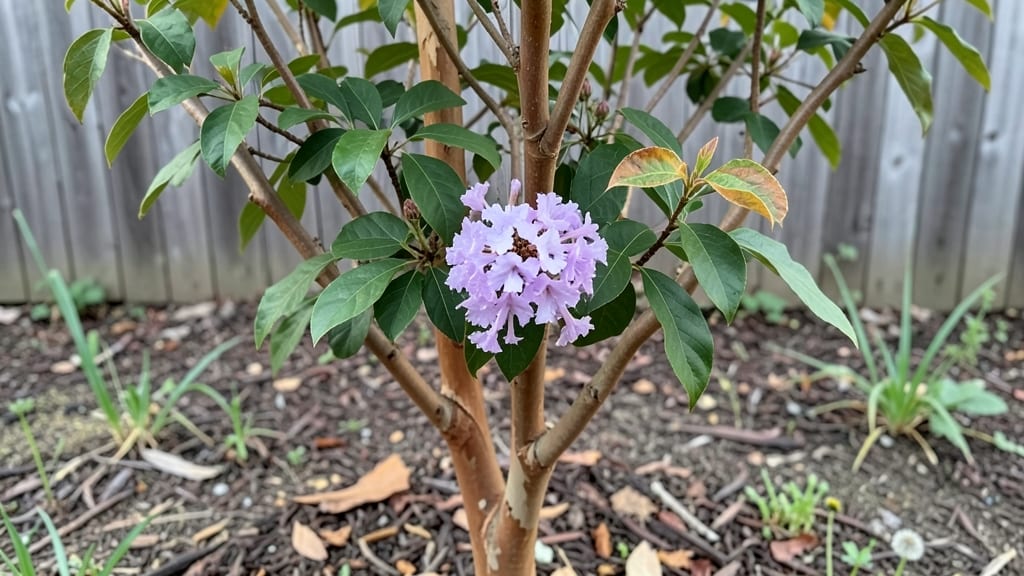
Transforming your yard with a purple plant tree starts with the right choice—one that delivers lush foliage, fragrant blooms, and year-round privacy. 🌿 I planted a Purple Smoke Bush last spring, and its deep violet leaves now create a stunning backdrop for my garden, while the tiny summer flowers smell like honey.
The best part? It thrives in full sun or partial shade, making it perfect for almost any landscape.
These trees aren’t just pretty—they’re practical. A well-placed Purple Smoke Bush or Japanese Maple can block nosy neighbors while adding dramatic color to your space.
Pair it with silver-leaved plants like lamb’s ear or white blooms like hydrangeas, and you’ll create a high-contrast, eye-catching display that stands out in any season. Even the bark adds texture in winter, so you never lose interest.
Caring for them is easier than you’d think. Most purple foliage trees need well-draining soil, regular watering until established, and minimal pruning to keep their shape. In return, you get a fragrant, fragrant privacy screen that smells amazing in summer and stays beautiful all year.
The key is choosing the right spot—some prefer sun, others tolerate shade—and giving them room to grow.
Here’s the secret: these trees work as focal points, hedges, or even small orchard-style plantings. Whether you’re filling a bare corner or adding drama to an existing garden, a purple plant tree will be the star. Ready to make your yard unforgettable?
📚 In This Guide
- What you need
- Instructions
- Tips and common mistakes
- Wrapping up and next steps
What you need
- ● Purple plant tree: 1–3 Lagerstroemia (crape myrtle) or Cercis (redbud) saplings (3–5 ft tall for faster results)
- ● OR 5–10 seeds (if starting from scratch—germination can take 2+ weeks)
- ● Soil: 50 lbs well-draining garden soil (amended with compost)
- ○ Optional: 10 lbs sand or perlite (for sandy/heavy clay soils)
- ● Fertilizer: 1 lb balanced 10-10-10 fertilizer (or slow-release granules)
- ○ 1 cup bone meal (for root development, optional but helpful)
- ● Tools: 1 shovel or trowel (for digging)
- ● 1 pruning shears (to trim dead branches)
- ● 1 watering can or hose (with a gentle spray nozzle)
- ● 1 measuring tape (to space plants 6–10 ft apart)
- ● Mulch (3–4 inches of wood chips or pine straw to retain moisture)
- ● Tree stakes (2–4, if planting in windy areas)
- ● Organic mycorrhizal fungi (boosts root growth)
- ● Slow-release osmocote fertilizer (for low-maintenance care)
- ● Purple plant tree care guide (for variety-specific tips)
How to plant and care for a purple plant tree for year-round privacy
This fragrant, evergreen beauty thrives with minimal fuss once you nail a few key steps.
🌱 Step 1: Choose the Right Location and Dig the Hole
Select a spot with 6+ hours of sunlight daily—purple plant trees adore full sun but tolerate partial shade if you live in a hot climate. The hole should be twice as wide as the root ball but only as deep. This prevents root suffocation while giving roots room to spread.
Loosen the soil at the bottom with your hands or a trowel. Avoid compacting it—purple plant trees hate soggy roots. If your soil drains poorly, mix in a handful of sand or perlite to improve aeration. I always check drainage by digging a small test hole first—if water pools after 30 minutes, amend the soil.
🪴 Step 2: Plant the Tree and Water Deeply
Gently remove the tree from its container and loosen any circling roots with your fingers. Place it in the hole so the top of the root ball sits 1 inch above ground level. This prevents rot from sitting water. Fill around the roots with native soil, pressing lightly to eliminate air pockets.
Water immediately with 5 gallons of water—enough to settle the soil and encourage roots to spread. You’ll see the soil sink slightly as it absorbs moisture. Mulch the base with 2 inches of organic mulch (like shredded bark) to retain moisture and suppress weeds. Keep mulch 6 inches away from the trunk to prevent rot.
☀️ Step 3: Provide Consistent Water and Sunlight
Water once weekly during the first year, giving 10 gallons each time to encourage deep root growth. After that, water only when the top 2 inches of soil feel dry. Purple plant trees are drought-tolerant once established, but young trees need steady moisture. I check soil moisture by sticking my finger in—if it’s dry at 2 inches, it’s time to water.
Fertilize in early spring with a balanced 10-10-10 fertilizer (about ½ cup per tree). Avoid high-nitrogen fertilizers—they promote leafy growth at the expense of fragrant blooms. You’ll notice new growth within 3-4 weeks if the fertilizer is working. Too much fertilizer causes yellow leaves, so follow package instructions precisely.
✂️ Step 4: Prune for Shape and Health
Prune in late winter or early spring before new growth begins. Remove any dead, diseased, or crossing branches first—these compete with healthy growth. Shape the tree by cutting back overgrown branches to maintain an open canopy. Purple plant trees bloom on old wood, so avoid heavy pruning after summer.
Use clean, sharp pruners to make cuts just above a leaf bud or branch collar. Never leave stubs—they invite disease. You’ll see fresh green growth within weeks of pruning, signaling the tree is recovering well. If you notice brown, crispy leaves, it’s a sign of underwatering or too much sun—adjust care accordingly.
🌿 Step 5: Maintain Year-Round for Privacy and Fragrance
Purple plant trees stay lush all year, but they need a little extra care in winter. If temperatures drop below 20°F, wrap the trunk with burlap or use a tree guard to protect it from frost. You’ll notice new buds forming in early spring—this is your cue that the tree is healthy and ready for another growing season.
Monitor for pests like spider mites or scale insects. Spray affected areas with a mix of water and mild dish soap if you spot webbing or sticky residue. A healthy purple plant tree should have glossy leaves and a sweet fragrance when blooms appear in late spring. If the scent fades, it may need more sunlight or fertilizer.
Tips & tricks for perfect purple plant tree growth
A few key tricks will help your purple plant tree thrive and create that lush, fragrant privacy screen you're dreaming of.
Drainage Test: The 30-minute drainage check in Step 1 is non-negotiable. I've seen too many trees fail because people skipped this step. After digging your test hole, pour 2 gallons of water into it. If water remains after 30 minutes, you absolutely need to amend your soil with sand or perlite. Purple plant trees have shallow roots that need excellent drainage to prevent root rot—this is their Achilles' heel.
Watering Wisdom: Those first-year watering instructions are crucial for establishing strong roots. I recommend using a soaker hose for the 10-gallon weekly waterings—it delivers water directly to the root zone without wetting the leaves. After the first year, let the top 2 inches of soil dry out completely before watering again. You'll know you're doing it right when you see new growth appearing within 2-3 weeks of consistent care.
Fertilizer Timing: The 3-4 week window for noticing new growth after fertilizing is your feedback mechanism. If you don't see this response, either your fertilizer isn't working or you're applying too much. I've found that splitting the ½ cup of 10-10-10 fertilizer into two applications—once in early spring and again in early summer—gives even better results without risking over-fertilization. Always apply fertilizer when the soil is moist to prevent root burn.
Winter Protection: When temperatures drop below 20°F, don't just wrap the trunk—consider wrapping the entire lower trunk and root zone with burlap. I've seen severe frost damage occur when only the trunk is protected. You'll know your winter protection worked when you see those first spring buds forming in early March. This is your tree's way of telling you it survived winter in great shape.
Pro Tips for Purple Plant Tree
- A few key tricks will help your purple plant tree thrive and create that lush, fragrant privacy screen you're dreaming of.
- Drainage Test: The 30-minute drainage check in Step 1 is non-negotiable.
- Watering Wisdom: Those first-year watering instructions are crucial for establishing strong roots.
Frequently asked questions
about growing and maintaining a purple plant tree (like Lagerstroemia indica, or crape myrtle) can help you make the best decisions for your landscape. Here are some common queries answered!What’s the best time of year to plant a purple plant tree?
The ideal time to plant is in early spring or fall when temperatures are mild (50–70°F). Avoid extreme heat or frost—root establishment is easier in cooler weather. If you must plant in summer, provide extra water and shade to reduce stress. Pro tip: Use mulch to retain moisture and protect roots during the first year.
How much sunlight does a purple plant tree need?
These trees thrive in full sun (6+ hours daily), but they tolerate partial shade (4–6 hours). Too little light can reduce vibrant purple blooms and leaf color. For year-round privacy, plant in a sunny spot to maximize foliage density and fragrant flowers.
Do I need to prune my purple plant tree, and when?
Pruning is key! Trim in late winter or early spring before new growth starts. Remove dead, crossing, or overcrowded branches to improve airflow and shape. Avoid heavy pruning in fall—it can stimulate late growth vulnerable to frost. Pro tip: Prune 1/3 of the tree’s oldest wood every few years to rejuvenate blooms.
How often should I water a newly planted purple plant tree?
Water deeply 2–3 times per week for the first year, ensuring soil stays moist (1–2 inches deep). After establishment, water 1–2 times weekly during dry spells—adjust based on rainfall. Overwatering can cause root rot, so let the top 2 inches of soil dry between waterings. Pro tip: Use a soaker hose to deliver water slowly at the base.
Are purple plant trees prone to pests or diseases?
They’re generally hardy but may face aphids, scale, or powdery mildew in humid climates. Inspect leaves regularly—spray with neem oil for pests or fungicide for mildew. Ensure good airflow by pruning and avoid overhead watering. Most issues stem from stress (over/under-watering, poor soil), so keep conditions balanced!
Can I grow a purple plant tree in a container?
Yes, but they need large pots (minimum 24" diameter) and dwarf varieties like ‘Natchez’ or ‘Tonto’. Use well-draining soil and repot every 2–3 years. Containers dry out faster, so monitor soil moisture closely. Pro tip: Place pots in full sun and fertilize monthly during growing season for best results.
Wrapping up and next steps
The purple plant tree isn’t just a stunning addition to your landscape—it’s a year-round solution for privacy, fragrance, and beauty. With its low-maintenance nature and versatile growing conditions, it’s perfect for gardeners of all levels.
Whether you’re drawn to its vibrant blooms or its lush greenery, this tree promises to elevate your outdoor space effortlessly.
Ready to transform your yard? Start by choosing the right variety—like the Crapemyrtle or Lagerstroemia—and plant with confidence! 🌿 With the right care, your purple plant tree will thrive for years, offering shade, scent, and serenity. Grab your tools and get growing!