
Companion Plants
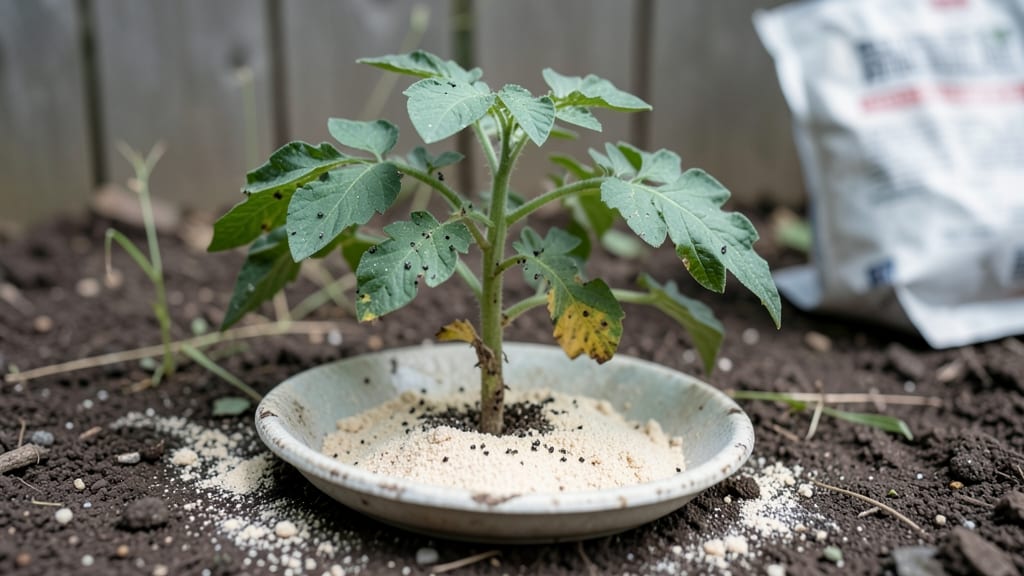
Pyrethrin for plants serves as a botanical pesticide made from chrysanthemum extracts, targeting common garden pests like aphids, mites, and caterpillars while decomposing rapidly when exposed to sunlight. For best results, apply it during cooler morning or evening hours to protect beneficial insects and maintain effectiveness.
This natural compound works by overstimulating insect nerve cells, leading to paralysis and death within minutes. 🔥 Unlike synthetic pesticides, pyrethrin breaks down quickly in sunlight, reducing environmental persistence and making it safer for organic gardening.
I’ve found it especially effective against soft-bodied insects, though some pests like beetles may develop resistance over time. Always dilute according to package instructions—overapplication can harm plants while underuse leaves pests unchecked.
For gardeners using pyrethrin, timing matters just as much as concentration. Spraying when bees and butterflies are less active (early morning or late evening) helps preserve pollinator populations. I recommend storing the solution in a cool, dark place to prevent degradation, and reapplying every 7-10 days during peak pest seasons.
Pair it with companion plants like marigolds or basil to enhance its pest-repelling effects naturally.
💡 In This Article
- How Pyrethrin Disrupts Insect Nervous Systems
- Safe Application Tips for Pyrethrin in Gardens
How pyrethrin disrupts insect nervous systems
Pyrethrin works by hijacking an insect's nervous system at the cellular level. When sprayed, the compound binds to voltage-gated sodium channels in neuron membranes, preventing them from closing properly after opening. This creates a continuous influx of sodium ions, causing neurons to fire uncontrollably—a condition called "repetitive nerve firing."
Within minutes, this overload leads to muscle spasms, paralysis, and death. 🔥 The effect is particularly devastating for soft-bodied insects like aphids and caterpillars, whose nervous systems lack the protective mechanisms found in mammals.
The key difference between pyrethrin's impact on pests versus beneficial insects lies in exposure duration and nervous system sensitivity. Most garden pests (aphids, mites, whiteflies) have rapid metabolism and die within 15-30 minutes of exposure.
Bees, however, possess a detoxification enzyme called P450 oxidase that breaks down pyrethrin more efficiently, making them more resistant. This is why application timing matters—spraying when bees aren't actively foraging (early morning or late evening) gives the chemical time to degrade before pollinators return.
Sunlight plays a crucial role in pyrethrin's environmental safety profile. The compound contains a cyclopropane ring that oxidizes rapidly when exposed to UV light, breaking down into harmless byproducts within 24-48 hours. This photodegradation process prevents accumulation in soil or water systems.
In contrast, synthetic pyrethroids (like permethrin) contain chlorine atoms that make them 100-1000 times more persistent in the environment, lingering for weeks or months.
What most gardeners don't realize is how pyrethrin's mechanism varies by insect species. For example, caterpillars experience rapid knockdown (paralysis within minutes) because their nervous systems are highly sensitive to sodium channel disruption.
Beetles, however, often show delayed effects or partial resistance due to their thicker exoskeletons and more robust detox pathways. This species-specific response explains why some pests may survive initial applications—requiring precise timing and concentration to achieve full control. ✨
The environmental impact extends beyond just sunlight degradation. Pyrethrin's low toxicity to mammals comes from our species' ability to metabolize it efficiently through different sodium channel subtypes (TTX-resistant channels). Insects, lacking these alternative pathways, suffer the full neurological impact.
When applied correctly, pyrethrin creates a short-term ecological disruption rather than long-term damage, making it ideal for integrated pest management systems where preserving biodiversity is a priority.
For gardeners using pyrethrin, understanding this mechanism helps explain why some pests reappear after treatment. The chemical kills adult insects on contact but doesn't affect eggs or larvae. This is why reapplication every 7-10 days during pest outbreaks is critical—it interrupts the life cycle before new generations emerge.
The temporary nature of pyrethrin's effects also means it should be used as part of a broader strategy that includes cultural controls (like companion planting) and biological controls (like ladybugs). 💫