
Planting
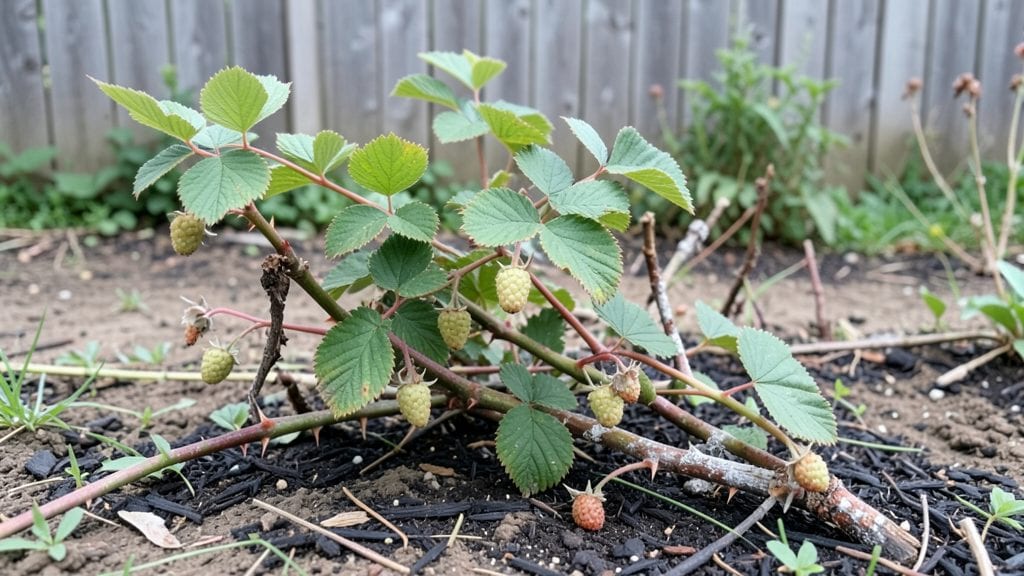
Raspberry plant problems can turn your sweet harvest into a frustrating mystery—until you know what to look for. 🌱 I’ve spent three summers diagnosing everything from fuzzy leaves to wilted canes, and the fixes are simpler than you’d think once you spot the clues.
Most issues boil down to three culprits: pests hiding on the undersides of leaves, fungal spores thriving in damp soil, or nutrient gaps showing up as yellowing fronds. The good news? Each problem has a targeted solution—whether it’s a spray, a soil tweak, or just adjusting when you water.
You’ll learn to spot cane blight before it spreads, outsmart spider mites without harsh chemicals, and revive wilting plants in under an hour. The key is acting fast when you see the first signs—no more guessing games by harvest time.
Perfect for gardeners who’ve lost patience with raspberry mysteries or want to protect their bushes before problems start. Let’s get those canes thriving again.
Root Causes Behind Raspberry Struggles
Raspberry plants are hardy but not invincible—understanding why they falter is half the battle. These issues often stem from environmental mismatches, biological attacks, or simple human errors.
Below, we break down the science behind the most common raspberry plant problems, so you can spot the red flags early and act fast.
Raspberries thrive in moderate climates (USDA Zones 5–8), but extreme heat or cold throws them into survival mode. Here’s how it happens:
- Heat Shock: Temperatures above 90°F (32°C) for prolonged periods cause wilting, leaf scorch, or fruit sunburn. High heat disrupts photosynthesis by closing stomata (leaf pores), reducing water uptake and nutrient absorption. 🌡️ Pro Tip: Mulch with straw or wood chips to keep roots cool and retain moisture.
- Cold Damage: Below 20°F (-7°C), raspberry canes suffer freeze injury—cells rupture, and buds die back. Evergreen varieties (like ‘Boyne’) handle cold better, but all raspberries need winter protection in Zone 4 or colder. ❄️ Action Step: Pile mulch 4–6 inches deep around the base before the first frost.
- Frost Burn: Early spring frosts after buds swell can kill blossoms before fruiting. This is common in Zone 5+ when warm days trick plants into blooming too soon. 🌸 Fix It: Use frost cloth or a row cover to shield plants during temperature swings.
Raspberries are thirsty but hate soggy roots. Water-related problems arise from inconsistent moisture or poor drainage:
- Underwatering: Dry soil triggers leaf curling, yellowing, or fruit shriveling. Raspberries need 1–1.5 inches of water per week (more in fruit-bearing season). Drought stress weakens plants, making them susceptible to pests like spider mites. 💦 Quick Fix: Water deeply at the base (not overhead) in the early morning to reduce evaporation.
- Overwatering: Waterlogged soil cuts off oxygen, leading to root rot (Phytophthora) or fungal diseases like Botrytis. Poor drainage is the #1 culprit—raspberries hate “wet feet.” 🏞️ Solution: Amend clay soil with compost or plant on a slight mound to improve drainage.
- Inconsistent Moisture: Fluctuating soil moisture causes blossom end rot (black, mushy fruit tips) or weak canes. Raspberries prefer even moisture—drip irrigation or soaker hoses work best. 🔄 Prevent It: Mulch to lock in moisture and reduce evaporation.
Raspberries are heavy feeders and demand balanced nutrition. Problems arise when soil lacks key nutrients or pH is off:
| Symptom | Likely Cause | Science Behind It |
|---|---|---|
| Yellow leaves (pale green veins) | Nitrogen deficiency | Nitrogen is critical for chlorophyll. Poor soil or leaching (common in sandy soil) starves plants, stunting growth and reducing fruiting. 🌿 Fix: Apply composted manure or a balanced fertilizer (10-10-10) in early spring. |
| Purple or red leaf undersides | Phosphorus deficiency | Phosphorus fuels root and fruit development. Cold, compacted, or highly acidic soil ( |
| Weak, spindly canes | Potassium or magnesium deficiency | Potassium regulates water and disease resistance; magnesium is central to chlorophyll. Over-fertilizing with nitrogen (without K/Mg) throws off the balance. ✨ Boost It: Use wood ash (for potassium) or Epsom salt (for magnesium) sparingly. |
Raspberries attract pests and pathogens like a buffet. These invaders exploit weak plants or ideal conditions:
- Japanese Beetles & Spider Mites: These pests skeletonize leaves or suck sap, causing stippling. They thrive in hot, dry weather and weak plants (like those stressed by underwatering). 🐜 Combat Them: Spray with neem oil or introduce beneficial nematodes.
- Cane Borers: Larvae burrow into canes, creating sawdust-like frass and killing the plant. They target stressed or injured canes. 🪰 Stop Them: Prune out infested canes in late winter and treat stumps with pruning paint.
- Fungal Diseases (Botrytis, Powdery Mildew): High humidity + poor airflow = fungal feasts. Botrytis causes gray mold on fruit, while powdery mildew leaves white, powdery patches. 🍄 Prevent Spread: Space plants 2–3 feet apart, prune for airflow, and avoid overhead watering.
- Verticillium Wilt: A soil-borne fungus that clogs water vessels, causing yellowing, wilting, and cane dieback. It spreads via contaminated tools or infected plants. ⚠️ Warning: Remove infected plants immediately and rotate crops for 3+ years.
Raspberries rely on proper pruning for airflow, sunlight, and energy focus. Mistakes here lead to:
- Over-Pruning: Cutting back more than 1/3 of the canes reduces next year’s fruit. Raspberries fruit on second-year canes—aggressive pruning removes potential harvests. ✂️ Rule of Thumb: Remove only dead, diseased, or weak canes; keep 6–8 strong canes per plant.
- Under-Pruning: Letting old canes linger crowds the plant, increasing humidity and disease risk. After harvest, prune out last year’s fruited canes at ground level. 🌱 Timing Matters: Prune in late winter/early spring (before new growth starts).
- Improper Support: Floppy canes break under fruit weight or bend into disease-prone tangles. Raspberries need sturdy trellises or wires to stand upright. 🪜 DIY Fix: Use T-posts with 3–4 horizontal wires (2–3 feet apart) for vertical growth.
Quick Fixes for Raspberry Plant Woes
Got a raspberry plant acting up? Don’t panic—most issues have simple, effective solutions. Below, we break down cause-specific fixes with step-by-step instructions and prevention tips to keep your berries thriving. 🍓✨
Fix it fast:
- Check the soil moisture 💧—stick your finger 1–2 inches deep. If soggy, your plant’s roots are drowning.
- Action: Reduce watering immediately and let the topsoil dry out between sessions.
- Test for nutrients 🧪—yellowing leaves (especially older ones) often signal nitrogen deficiency.
- Action: Apply a balanced fertilizer (10-10-10) or compost tea every 4–6 weeks during growing season.
- Drainage check 🔧—if water pools in the pot or ground, amend soil with perlite or sand to improve airflow.
Prevent it:
- Water deeply but infrequently—raspberries hate "wet feet."
- Mulch with straw or wood chips to retain moisture without suffocating roots.
- Rotate crops every 3–4 years to avoid nutrient depletion.
Crush the critters:
- Spot the culprits 🔍—check undersides of leaves for:
- Spider mites (tiny webs, speckled leaves).
- Aphids (sticky residue, curled leaves).
- Japanese beetles (skeletonized foliage).
- Blast them off 💦—spray plants with a strong stream of water to dislodge pests.
- Natural remedies 🌿:
- Neem oil spray (1 tsp neem oil + 1 quart water + drop of dish soap; spray every 5–7 days).
- Insecticidal soap (follow label instructions).
- Release ladybugs (their natural predators!) for aphids.
- For beetles: Handpick adults into soapy water or use milky spore powder (organic bacteria that targets grubs).
Prevent it:
- Prune regularly to remove infested leaves.
- Encourage beneficial insects with dill, marigolds, or yarrow planted nearby.
- Use row covers early in the season to block beetles.
Boost production:
- Check pollination 🐝—raspberries need bees or wind to pollinate.
- Action: Plant companion flowers (like lavender or clover) to attract pollinators.
- For greenhouse growers: Gently shake plants or use a small brush to transfer pollen.
- Adjust sunlight ☀️—raspberries need 6+ hours of direct sun daily.
- Action: Move potted plants to sunnier spots or thin nearby shade trees.
- Fertilize for fruit 🍇—lack of phosphorus (P) = small berries.
- Action: Switch to a high-phosphorus fertilizer (like 5-10-10) at flowering time.
Prevent it:
- Prune canes in late winter to improve airflow and energy focus on fruit.
- Water consistently—drought stress = fewer berries.
- Harvest promptly—overripe raspberries signal the plant to stop producing.
Fight fungal infections:
- Identify the issue 🦠:
- Gray mold (Botrytis): Gray fuzzy spots on berries/leaves.
- Rust: Orange pustules on undersides of leaves.
- Remove infected parts ⚡—snip off diseased canes or leaves immediately and dispose of them (don’t compost!).
- Improve airflow 🌬️—thin canes to reduce humidity buildup.
- Apply fungicide 🛡️:
- Baking soda spray (1 tsp baking soda + 1 quart water + drop of soap; spray every 10 days).
- Copper fungicide (follow label for organic options).
Prevent it:
- Water at the base (avoid wetting leaves).
- Space plants 18–24 inches apart for airflow.
- Rotate crops if fungal issues persist.
Cool them down:
- Provide shade 🌳—use shade cloth (30–50%) during peak afternoon sun (12–4 PM).
- Mulch heavily 🍂—add 3–4 inches of straw to retain moisture and cool roots.
- Water deeply in the morning 💦—raspberries need 1–1.5 inches of water weekly.
Prevent it:
- Choose heat-tolerant varieties (e.g., ‘Heritage,’ ‘Boyne,’ or ‘Nova’).
- Avoid planting in hot, dry microclimates (e.g., south-facing walls).
- Use drip irrigation to keep leaves dry.
Revitalize your plant: 1. Test soil pH 📊—raspberries thrive in slightly acidic soil (pH 5.5–6.5). - Action: Add sulfur or peat moss to lower pH if needed.
- Fertilize for growth 💪—use a low-nitrogen, high-potassium fertilizer (like 5-5-10) in early spring.
- Prune for structure ✂️—cut back overly long canes to encourage bushier growth.
Prevent it:
- Plant in well-draining soil with compost mixed in.
- Avoid over-fertilizing with nitrogen—it promotes leafy growth but weakens fruit production.
Pro Tip: 💡 Keep a plant journal! Note when you fertilize, prune, or water—patterns will help you spot issues before they worsen. Happy growing! 🌿🍓
Frequently asked questions about raspberry plant problems
Why are my raspberry leaves turning yellow?
Yellowing raspberry leaves usually signal nutrient deficiency (often nitrogen) or overwatering. Check older leaves first—if veins stay green, it’s nitrogen. For younger leaves turning yellow, roots may be drowning. Adjust watering and test soil pH (5.5–6.5 is ideal). A balanced fertilizer (10-10-10) can revive growth in 2–3 weeks.
How do I stop raspberry canes from breaking under fruit weight?
Install a support system immediately—use T-posts with 3–4 horizontal wires (2–3 feet apart) for vertical growth. Prune canes to 6–8 strong stems and remove weak or crossing branches. Mulch heavily to prevent wind damage, and harvest berries every 2–3 days to lighten the load.
What should I do if my raspberries have gray mold (Botrytis)?
Remove all infected berries and leaves immediately (don’t compost them!). Improve airflow by thinning canes and water at the base (avoid wetting leaves). Apply a baking soda spray (1 tsp baking soda + 1 quart water + drop of soap) every 10 days for prevention. Copper fungicide works too.
Can I save my raspberry plant if it’s completely wilted?
Check soil moisture first—wilting can mean root rot (overwatering) or drought stress (underwatering). If soil is soggy, let it dry out completely and repot in fresh, well-draining soil. For drought stress, water deeply at the base and mulch. If canes feel mushy, the plant may be beyond saving—start fresh with healthy cuttings.
Why aren’t my raspberries producing fruit?
Lack of fruit often stems from poor pollination, nutrient gaps, or pruning mistakes. Plant companion flowers (like lavender) to attract bees, switch to a high-phosphorus fertilizer (5-10-10) at flowering time, and ensure canes get 6+ hours of sun. Avoid over-pruning—raspberries fruit on second-year canes.