
Companion Plants
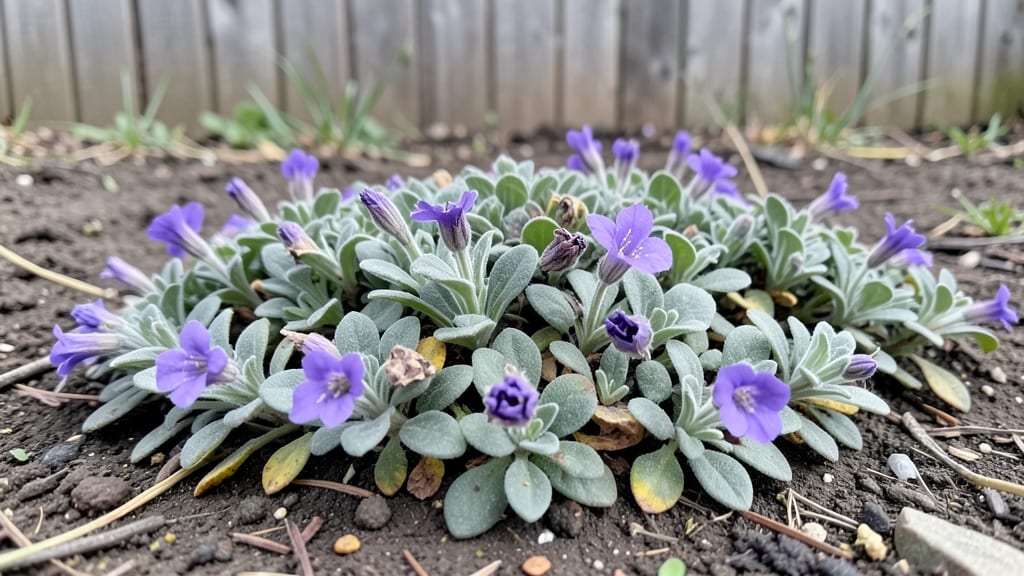
Growing red Aubrieta plants unlocks a drought-proof splash of color that thrives where other flowers give up. 🌿 I’ve watched mine spill over rock walls and container edges for years, needing almost no water once established—just full sun and good drainage.
The secret lies in mimicking its Mediterranean roots: dry soil, hot conditions, and minimal fuss.
Start with well-draining soil mixed with coarse sand or gravel to prevent rot. Plant in spring after the last frost or early fall, spacing them 6–8 inches apart for that lush, cascading effect.
They’ll spread quickly but stay compact, perfect for slopes, window boxes, or as a ground cover under trees. Just don’t overwater—once they’re settled, they’ll bounce back from dry spells like nothing happened.
By late spring, you’ll see a sea of tiny red flowers hugging the stems, followed by seed pods that add texture even after blooming ends. Prune lightly after flowering to encourage a second flush, but otherwise, let them do their thing.
The fragrance? Subtle but sweet—like a whisper of spring all summer long.
Works in zones 4–9, though they’ll go dormant in harsh winters. Pair them with lavender, sedum, or thyme for a Mediterranean vibe that’s low-maintenance and high-impact. Here’s how to keep them thriving year after year without the guesswork.
📚 In This Guide
- What you need
- Instructions
- Tips and common mistakes
- Wrapping up and next steps
What you need
- ● Red Aubrieta plants: 10–20 mature plants (for full coverage in a 3’x3’ area)
- ● OR 1–2 lbs of Aubrieta seeds (if starting from scratch)
- ● Well-draining soil: Mix equal parts of garden soil, coarse sand, and compost (10–15 gallons per planting area).
- ● Rocky or gravelly soil amendments: Add 5–10 lbs of pebbles or crushed granite to improve drainage.
- ● Organic mulch: 2–3 inches of gravel or pine bark (to retain moisture and deter weeds).
- ● Garden trowel or spade (for planting holes)
- ● Hand pruners or shears (for shaping and deadheading)
- ● Watering can or hose with a gentle spray nozzle
- ● Garden gloves (to protect hands from prickly stems)
- ○ Optional: Soil pH tester (ideal range: 6.0–7.0)
- ● Slow-release fertilizer (balanced 10-10-10, 1–2 lbs per 10 sq ft)
- ● Erosion-control fabric (for slopes or steep areas)
- ● Sunny location: 6+ hours of direct sunlight daily (Aubrieta thrives in full sun!).
- ● Drought-tolerant zone: Plant in USDA Hardiness Zones 5–9.
- ● Timing: Seeds: Sow in early spring (after last frost) or late summer.
- ● Plants: Transplant in spring or early fall.
Step-by-step instructions for planting and caring for red aubrieta
Here's how to create lush, drought-resistant cascades that bloom vibrant red year after year.
🌱 Step 1: Choose the Perfect Sunny Spot
Red aubrieta thrives in full sun—at least 6-8 hours of direct sunlight daily. Scan your garden for a south- or west-facing location where plants can soak up warmth without afternoon shade blocking their view. Avoid low spots where cold air settles, as aubrieta dislikes winter moisture sitting on its foliage.
Test the site by placing a small pot of aubrieta there for a week. If the leaves stay crisp and green without wilting, you’ve found the ideal spot. I’ve seen aubrieta struggle in partial shade—stems stretch and flowers become sparse. This plant rewards full sun with dense, vibrant blooms.
🪴 Step 2: Prepare Well-Draining Soil
Aubrieta’s secret weapon is its drought tolerance, but that starts with fast-draining soil. Mix 1 part native soil with 2 parts coarse sand or gravel to improve drainage. If your soil is heavy clay, amend it with 1 part perlite or pumice per pot or garden bed.
Dig a hole twice as wide as the root ball but only as deep. Loosen the soil at the bottom to encourage roots to spread outward. Press the plant in gently, then water deeply to settle the soil. Aubrieta hates soggy roots—if water pools after watering, you’ve gone too heavy on the clay.
💧 Step 3: Plant and Water Sparingly
Space plants 8-12 inches apart in beds or let them spill over edges in containers. For a cascading effect, plant in tiers—higher at the back, lower toward the front. Water immediately after planting, then let the soil dry completely before watering again. Aubrieta’s thick, fleshy leaves store moisture, so overwatering is the fastest way to kill it.
After the first week, reduce watering to once every 7-10 days, unless your area experiences extreme heat. Check soil moisture by sticking your finger 1 inch deep—if it’s dry, water lightly. Too much moisture causes root rot, which turns leaves yellow and mushy.
☀️ Step 4: Prune for Continuous Blooms
Deadhead spent flowers by snipping stems back to fresh growth in early summer. This encourages a second flush of blooms by late summer. Avoid cutting into old wood—always leave at least ½ inch of green growth on each stem. I prune lightly after each major bloom cycle to keep plants compact and bushy.
In early spring, trim back any leggy growth by ⅓ of the plant’s height. This rejuvenates aubrieta and prevents it from looking tired. Wear gloves—this plant has tiny hairs that can irritate skin. After pruning, water lightly to help the plant recover.
✂️ Step 5: Overwinter for Next Year’s Color
Red aubrieta is evergreen in mild climates but may drop leaves in freezing temperatures. Mulch with 2-3 inches of shredded bark or pine needles in late fall to protect roots. In zones with hard freezes (15°F or lower), cover plants with a breathable frost blanket until spring.
Resist the urge to fertilize in winter—dormant plants need rest. In early spring, remove old mulch and check for signs of pests like aphids. A light application of balanced fertilizer (10-10-10) in early spring jumpstarts growth, but too much nitrogen makes leaves lush at the expense of flowers.
Tips & tricks for perfect red aubrieta planting
These simple strategies will help you create thriving red aubrieta cascades that stay vibrant and healthy through every season.
Sunlight Secret: I can't stress enough how critical those 6-8 hours of direct sunlight are. If your garden doesn't get full sun, consider planting aubrieta in containers that you can move to sunny spots throughout the day. I've seen aubrieta in partial shade grow leggy and sparse—it's worth the effort to find the sunniest location possible.
Soil Mixing Tip: When preparing your soil mix, don't skimp on the coarse sand or gravel. I've learned the hard way that using too much native soil can lead to poor drainage, which is a death sentence for aubrieta. Aim for that 1:2 ratio of native soil to sand/gravel—this ensures water drains away quickly and roots stay healthy. For containers, I like to use a mix of 50% cactus/succulent mix and 50% perlite for even better drainage.
Watering Wisdom: The 7-10 day watering schedule might seem extreme, but trust me on this—it's what makes aubrieta so drought-tolerant. After the initial planting water, let the soil dry completely before watering again. You'll know you're doing it right when the top inch of soil feels dry to the touch. Overwatering is the #1 reason aubrieta fails, so resist the urge to keep the soil moist like you would with other plants.
Pruning Pro Tip: When deadheading in early summer, use clean, sharp pruners to avoid damaging the stems. I like to make my cuts just above a set of leaves to encourage new growth. For the spring trim, don't be afraid to get aggressive—cutting back by ⅓ of the plant's height might look drastic, but it always results in bushier, more vibrant plants. Just remember to wear gloves—the tiny hairs on aubrieta can be irritating to sensitive skin.
Pro Tips for Red Aubrieta Plants
- These simple strategies will help you create thriving red aubrieta cascades that stay vibrant and healthy through every season.
- Sunlight Secret: I can't stress enough how critical those 6-8 hours of direct sunlight are.
- Soil Mixing Tip: When preparing your soil mix, don't skimp on the coarse sand or gravel.
Frequently asked questions
Got questions about growing red aubrieta? We’ve got answers!
Whether you're a seasoned gardener or a newbie to drought-tolerant plants, these FAQs will help you cultivate stunning cascades of red blooms with ease.
When is the best time to plant red aubrieta?
Plant red aubrieta in early spring or fall for the best results. This timing allows roots to establish before extreme heat or cold. If planting in summer, water deeply and mulch to reduce stress—just avoid peak afternoon sun for the first few weeks!
How long does it take for red aubrieta to bloom?
With proper care, red aubrieta typically blooms 6–8 weeks after planting. For year-round color, deadhead spent flowers (remove faded blooms) to encourage continuous blooming. In mild climates, it may even rebloom lightly in fall!
Is red aubrieta really drought-tolerant?
Yes! Once established, red aubrieta thrives on minimal watering—just 1 inch per week during dry spells. However, newly planted seedlings need consistent moisture. Mulching helps retain soil moisture and keeps roots cool.
What pests or diseases should I watch for?
Red aubrieta is generally pest-resistant, but watch for aphids or slugs, especially in damp conditions. Treat aphids with soapy water, and deter slugs with copper barriers or diatomaceous earth. Overwatering can lead to fungal issues, so ensure well-draining soil.
Can I grow red aubrieta in containers?
Red aubrieta thrives in hanging baskets or containers with well-draining potting mix. Choose shallow pots (6+ inches deep) and place them in full sun. Water more frequently than in-ground plants, as containers dry out faster.
What’s a great companion plant for red aubrieta?
Pair red aubrieta with lavender, thyme, or sedum for a low-maintenance, drought-resistant border. It also pairs beautifully with roses or ornamental grasses for a striking contrast. Just avoid heavy feeders like impatiens, which compete for nutrients.
Wrapping up and next steps
Ready to transform your sun-drenched garden into a vibrant, low-maintenance paradise? Red Aubrieta is your secret weapon—packed with drought tolerance, bold color, and effortless charm. Whether you’re lining a slope, spilling over walls, or adding texture to rock gardens, these cascading beauties deliver year after year with minimal fuss.
🌱 Next steps: Grab your seeds or seedlings, prep your sunny spot, and let nature do the rest! Start small with a container or a patch of ground, then expand as you fall in love with their resilience. Happy gardening—your future garden will thank you! 💛