
Companion Plants
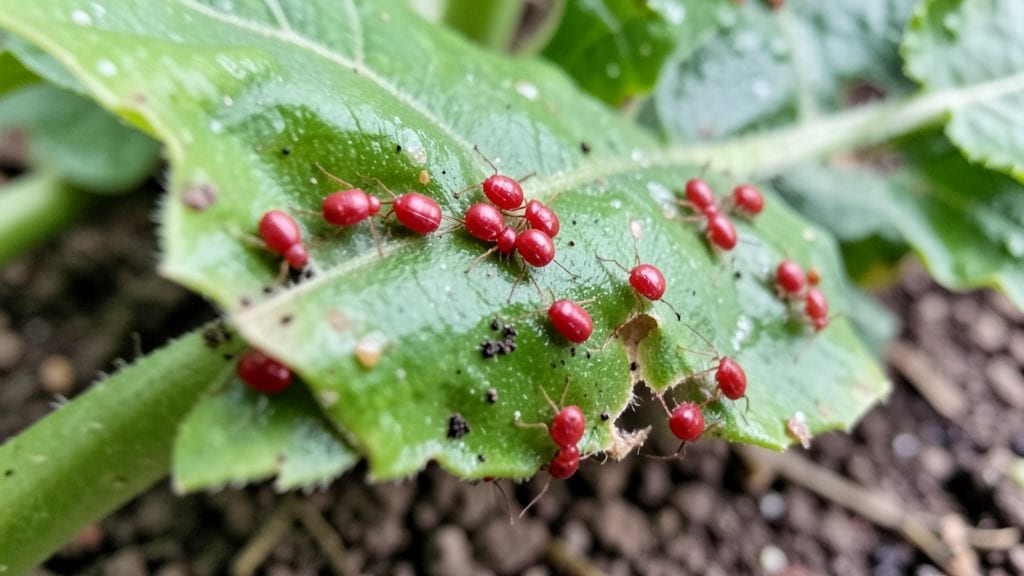
Red bugs on your jalapeno plant mean it's time to act—before they turn your peppers into a skeleton. 🌿 I’ve seen these tiny invaders strip plants bare in just days, but the right organic spray can stop them in their tracks within 72 hours.
The key is identifying whether they’re spider mites, aphids, or something else, because each needs a slightly different approach.
Most red bugs you’ll find on jalapenos are aphids or spider mites, both of which thrive in hot, dry weather. Aphids cluster on new growth, leaving sticky residue, while spider mites create fine webbing on the undersides of leaves.
The good news? Both respond quickly to neem oil or soapy water sprays—no harsh chemicals needed. I’ve used these methods for years, and my plants bounce back faster than you’d expect.
You’ll notice a difference after the first treatment: fewer bugs, less damage, and peppers that keep growing instead of wilting. The secret is consistency—spray every 3-4 days until the pests disappear completely. Plus, these solutions won’t harm your plants or the peppers you’re growing for spicy dishes later.
Prevention is just as important as treatment. Introduce marigolds nearby to repel pests naturally, and keep your jalapenos well-watered to discourage mites. Once you’ve tackled the infestation, your plants will reward you with bold, healthy peppers—and the satisfaction of knowing you did it organically.
Root Causes Of Tiny Invaders
If your jalapeño plant is suddenly hosting red bugs, don’t panic—these critters are usually drawn by specific conditions in your garden. Understanding why they’re there is the first step to kicking them out for good.
Below, we break down the most common culprits, their behaviors, and what’s really attracting them to your peppers. 🌱🐛
Jalapeños thrive in warm climates, but when temperatures soar or soil dries out, your plants become stressed. This stress triggers a chemical change in the plant—it produces more sugary sap, which acts like a neon "eat me" sign for pests like chili thrips or aphids.
These bugs aren’t just random visitors; they’re hunting for an easy meal.
Why it matters:
- Overheating soil (above 90°F) weakens plant defenses.
- Shallow watering (only the top inch of soil stays moist) forces roots to scramble, leaving the plant vulnerable.
- Lack of mulch accelerates evaporation, making drought stress worse.
Actionable fix: Water deeply twice weekly (or daily in extreme heat) and apply 2–3 inches of mulch (straw or wood chips) to retain moisture. 💧
Jalapeños need space to breathe. When plants are packed too closely together, airflow stalls, creating a humid, sticky microclimate that red bugs love.
Poor airflow also slows down the plant’s ability to recover from damage, making it an easier target for pests like red spider mites or whiteflies.
Why it matters:
- Competition for nutrients weakens individual plants, making them more susceptible to infestations.
- Fungal growth (from trapped moisture) can attract secondary pests that hitchhike with the red bugs.
- Stressed foliage produces less resin, a natural pest repellent.
Actionable fix:
- Space jalapeños 18–24 inches apart in the ground or 12 inches apart in containers.
- Prune yellowing or crowded leaves to improve airflow.
- Rotate crops annually to prevent soil-borne stress.
While some plants repel pests (like basil or marigolds), others can attract them—especially if they’re in the same family as jalapeños (nightshades). For example:
| Attractive Plants | Pests They Lure | Why It Happens |
|---|---|---|
| Tomatoes | Chili thrips, aphids | Shared scent compounds (volatile organic chemicals) signal pests to the area. |
| Peppers (bell, habanero) | Spider mites, whiteflies | Overlap in host preferences—bugs see a "buffet" and stay. |
| Weeds (e.g., lambsquarters) | Aphids, flea beetles | Weeds act as pest nurseries, then bugs migrate to healthier plants. |
Actionable fix:
- Avoid planting jalapeños next to tomatoes or other peppers unless you’re monitoring for pests.
- Use repellent companions like:
- Basil (confuses pests with its scent)
- Marigolds (release alpha-terthienyl, a natural insect repellent)
- Garlic or onions (contain sulfur compounds that deter bugs)
- Remove weeds within a 3-foot radius of your jalapeños.
Red bugs often target plants with nutrient deficiencies or excessive fertilizers. Here’s how it plays out:
- Nitrogen deficiency: Leaves turn yellow, and the plant can’t produce enough resin to repel pests.
- Phosphorus overload: Encourages soft, tender growth that aphids and thrips adore.
- Potassium deficiency: Weakens cell walls, making it easier for mites to pierce and feed.
Actionable fix:
- Test your soil annually (use a DIY kit or send to a lab).
- Amend with:
- Compost (for balanced nutrients)
- Wood ash (for potassium, but use sparingly—it raises pH)
- Avoid synthetic fertilizers with high phosphorus (look for a low-middle-high NPK ratio, like 5-5-5).
Pro Tip: 💡 If you’ve ruled out stress, crowding, and soil issues but still see red bugs, check for hidden predators like ladybugs or lacewings—their presence means the bugs are already part of your garden’s ecosystem! (More on this in the organic control section.)
Quick Fixes for Pesky Plant Invaders
If you’ve spotted red bugs (likely chili thrips, red spider mites, or red spider beetles) feasting on your jalapeño plant, don’t panic—these critters are beatable with the right approach!
Below, we’ll break down targeted solutions based on the most common culprits, along with preventive tips to keep your peppers thriving. 🌱💥
Before treating, confirm the bug type—each requires a slightly different fix:
- Chili Thrips (tiny, fast-moving red bugs): Leave silvery streaks on leaves.
- Red Spider Mites (tiny red dots, webbing): Cause yellowing leaves and stippling.
- Red Spider Beetles (larger, oval, red): Less common but still destructive.
Pro Tip: 🔍 Use a hand lens or magnifying glass to inspect leaves closely. If you’re unsure, snap a photo and compare it to online guides.
1. Chili Thrips & Spider Mites: The Double-Threat Tactic
🔥 Step 1: Knock ‘Em Off with Water - Morning spray attack: Use a strong stream of water from your hose to dislodge bugs.
Repeat every 2–3 days for 2 weeks. - Why? Thrips and mites hate moisture and are weak swimmers.
🍳 Step 2: DIY Neem Oil Spray (Best for Soft-Bodied Bugs) Mix:
- 1 tbsp neem oil
- 1 tsp mild soap (like Castile)
- 1 quart water
- 1 tsp horticultural oil (optional, for extra stickiness)
How to apply:
- Shake well before spraying.
- Coat both sides of leaves thoroughly.
- Spray early morning or late evening (avoid direct sunlight—it burns leaves).
- Reapply every 5–7 days until bugs vanish.
✨ Pro Tip: 🌡️ Warm the spray slightly (not boiling) to enhance effectiveness—bugs can’t handle the heat!
👨🍳 Step 3: Companion Plant Defense Plant basil, marigolds, or nasturtiums nearby—these repel thrips naturally with their strong scents.
2.
Red Spider Beetles: The Tougher Nuts These beetles burrow into soil and munch on roots. Prevention is key! 🔪 Step 1: Manual Removal (Best for Small Infestations) - Handpick adults from leaves and drop them into soapy water (they’re slow-moving). - Check under leaves daily—early action prevents eggs from hatching.
🌱 Step 2: Soil Treatment with Diatomaceous Earth (DE)
- Sprinkle food-grade DE around the base of the plant (avoid overwatering afterward—DE needs dryness to work).
- Why? DE creates tiny glass shards that dehydrate beetles and larvae.
🚫 Step 3: Barrier Method with Copper Tape
- Wrap copper tape around the pot’s rim—beetles hate copper and won’t crawl over it.
Once your jalapeños are pest-free, lock in their safety with these habits: - 💡 Regular Inspections: Check plants weekly (undersides of leaves are bug hotspots). - 🌿 Prune & Clean: Remove yellow/damaged leaves—bugs love weak spots. - 🌡️ Balance Humidity: Thrips thrive in dry air.
Use a humidifier nearby or mist leaves lightly. - 🍅 Rotate Crops: Avoid planting peppers in the same spot yearly—beetles overwinter in soil. - 🌱 Beneficial Insects: Release lacewings or ladybugs—they eat thrips and mites for you!
If bugs persist after 2–3 weeks of treatment:
- Try a commercial organic insecticide like pyrethrin-based sprays (derived from chrysanthemums).
- For severe infestations, consider re-potting the plant in sterilized soil to break the bug life cycle.
Final Reminder: Patience is key! Organic methods take 1–2 weeks to show full results. Stick with it, and your jalapeños will bounce back bigger and spicier than ever! 🌶️💪
Frequently asked questions
What are the most common red bugs found on jalapeno plants?
The tiny red invaders you’re likely seeing are chili thrips or red spider mites. Chili thrips leave silvery streaks on leaves while spider mites create fine webbing and cause yellowing spots. Less commonly, you might spot red spider beetles, which are larger and burrow near roots.
How do I tell if red bugs are harming my jalapeno plant?
Check for stunted growth, yellowing leaves, or sticky residue (aphid honeydew). Spider mites create fine webbing on leaf undersides, while thrips leave scratched or silvered leaf surfaces. If you see these signs, act fast—bugs can weaken plants before you notice.
Will neem oil kill red bugs on my jalapenos?
Yes! A neem oil spray (1 tbsp neem + 1 tsp soap per quart of water) disrupts bug life cycles and works well against soft-bodied pests like spider mites and thrips. Spray both leaf sides every 5-7 days for best results. For tougher beetles, combine with diatomaceous earth around the base.
Can I still harvest jalapenos if there are red bugs?
Yes, but only eat fully mature peppers that have formed a thick skin. Avoid harvesting new growth or leaves—bugs may have contaminated them. After treatment, your plant should recover, and new peppers will be safe. Always wash peppers thoroughly before eating.
How can I prevent red bugs from coming back next season?
Start with crop rotation—don’t plant peppers in the same spot yearly. Use companion plants like marigolds or basil, and maintain good airflow by spacing plants properly. Regularly inspect leaves and remove weeds that attract pests.