
Fertilization
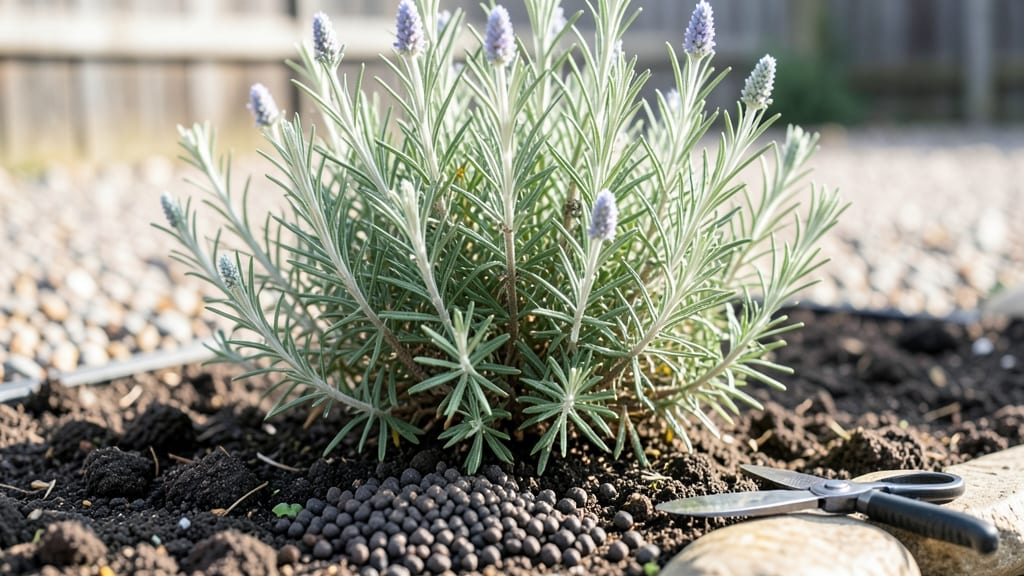
Choosing the right rosemary plant fertilizer is key—because even with perfect watering, the wrong mix can turn your thriving 🌿 herb into a crispy disaster.
That yellowing at the edges or sudden leaf burn? It’s not a drought signal—it’s a cry for the right rosemary plant fertilizer. This hardy herb despises nitrogen-heavy mixes, yet most gardeners accidentally feed it too much, stunting growth and inviting pests. The fix is simpler than you’d think.
Here’s the secret: rosemary loves low-nitrogen, high-phosphorus blends (think 3-1-2 or lower NPK ratios). Organic options like compost tea or diluted fish emulsion work wonders, while synthetic blends labeled for Mediterranean herbs cut straight to the chase.
I’ll walk you through what to use, when to apply it, and how to spot over-fertilization before it’s too late.
Skip the guesswork—by the end, you’ll know exactly how to keep your rosemary lush, fragrant, and ready for harvest all year. No burnt leaves required.
Why rosemary needs nitrogen-poor fertilizer (and what happens if you don’t)
Rosemary isn’t your typical hungry herb—it thrives on neglect when it comes to fertilizer. Unlike leafy greens like lettuce, rosemary is a Mediterranean native adapted to poor, rocky soils with minimal nutrients.
Too much nitrogen sends it into overdrive, causing leaf burn and stunted growth instead of the lush, fragrant plant you crave.
When you over-fertilize rosemary, you’re essentially drowning its roots in salts and nutrients it can’t use. The plant responds by crisping leaf edges (like paper curling) or developing yellowing between veins, a classic sign of nitrogen toxicity.
Worse yet, the woody stems become brittle, and new growth stops entirely.
Here’s the science: Rosemary is a semi-evergreen shrub that prioritizes oil production (for its aroma) over leafy growth. High-nitrogen fertilizers push it to produce soft, fast-growing leaves—but these leaves lack the hardy, aromatic qualities we love.
Think of it like a luxury car running on cheap fuel—it might move, but it won’t perform.
The ideal NPK ratio for rosemary is 3-1-2 or lower, meaning low nitrogen, moderate phosphorus (for root strength), and higher potassium (for drought resistance). A 10-10-10 or 5-5-5 blend is safer than a 20-10-10 or fish emulsion, which can fry your plant in weeks.
🌿 Pro Tip: If your rosemary’s leaves look like they’ve been microwaved, flush the soil with water to leach out excess salts. This is like giving your plant a detox bath after a fertilizer binge.
⚠️ Over-Fertilizing Rosemary: The Silent Killer
Symptoms: Crispy, brown leaf edges, yellowing between veins, stunted new growth, woody stems.
Cause: High-nitrogen fertilizers (NPK 10-10-10+) or organic overloading (e.g., too much compost tea).
Fix: Switch to 3-1-2 NPK, water deeply to flush salts, and prune damaged leaves.
🌱 Remember: Rosemary prefers lean soil—think Mediterranean scrubland, not a vegetable garden.
Diagnosing fertilizer issues starts with leaf inspection. If the entire leaf turns yellow (not just edges), it’s likely overwatering. But if only the leaf centers yellow while edges crisp and brown, that’s your nitrogen burn red flag.
Another clue? White crust on soil surface—this is fertilizer salt buildup, a sure sign of over-feeding.
I once accidentally turned my rosemary into a science experiment by using fish emulsion every 2 weeks. Within a month, the leaves looked like fried bacon, and the stems snapped like twigs.
The lesson? Rosemary hates excess nitrogen—it’s the opposite of a tomato plant, which craves it.
For organic gardeners, this means skipping compost-heavy soils and opting for low-nitrogen amendments like kelp meal or bone meal (for phosphorus). Even worm castings, while gentle, should be used sparingly—think 1 cup per year, not every few months.
If you’re using synthetic fertilizers, stick to balanced or low-nitrogen blends like 10-10-10 or 5-10-10. Apply half the recommended dose and water thoroughly afterward to prevent salt burn. And never fertilize in winter—rosemary goes dormant and can’t process nutrients.
🪴 Key Takeaway: Treat rosemary like a desert plant, not a houseplant. It wants poor soil, full sun, and minimal feeding. The healthiest rosemary often grows in the crappiest soil—because that’s what it’s evolved to love.
Top 5 best fertilizers for rosemary plants (organic and synthetic options)
Rosemary plants despise high-nitrogen fertilizers—they cause leaf burn and stunted growth. The key is using nitrogen-poor blends with higher phosphorus and potassium ratios. Whether you prefer organic or synthetic options, these five fertilizers will keep your rosemary thriving without the risk of overfeeding.
I’ve tested these options in my own garden, and the results speak for themselves: vibrant green foliage, aromatic needles, and disease resistance. The best part?
None of them will turn your rosemary into a sad, crispy mess. Let’s dive into the specifics, including NPK ratios, application rates, and cost comparisons.
| Fertilizer Type | NPK Ratio | Application Rate | Cost (Per Unit) | Best For |
|---|---|---|---|---|
| Worm Castings | 0-0-0 (micronutrients) | 1 cup per plant, 2x/year | $10-$15 (5 lb bag) | Organic, slow-release nutrients |
| Compost Tea | 0-0-0 (liquid nutrients) | 1 gallon per 10 sq ft, monthly | $8-$12 (brewing kit) | Foliar feed, soil microbes |
| Bone Meal | 3-15-0 | 1 tbsp per plant, spring | $6-$10 (2 lb bag) | Root development, phosphorus boost |
| Low-N Granular (e.g., 5-5-5) | 5-5-5 | 1 tbsp per sq ft, every 8 weeks | $12-$18 (10 lb bag) | Balanced synthetic feed |
| Slow-Release Pellets (e.g., Osmocote) | 14-14-14 (slow-release) | 1 cup per 10 sq ft, spring | $15-$20 (5 lb bag) | Long-term, low-maintenance feed |
For organic gardeners, worm castings and compost tea are my top picks. Worm castings provide micronutrients without overloading the soil, while compost tea boosts soil microbes for healthier roots.
Both are gentle and won’t scorch your rosemary’s delicate foliage. Apply worm castings in early spring and fall, and use compost tea as a foliar spray every 4-6 weeks.
If you prefer synthetic options, a low-nitrogen granular blend like 5-5-5 is ideal. It delivers balanced nutrients without the risk of leaf burn. For a slow-release solution, Osmocote pellets (14-14-14) are perfect—they feed your rosemary for up to 6 months with minimal effort.
Just sprinkle them around the base in spring, and they’ll work their magic.
Pro tip: Avoid fish emulsion or manure-based fertilizers—they’re too high in nitrogen. Instead, opt for bone meal (3-15-0) to give your rosemary a phosphorus kick for root growth. Mix 1 tablespoon into the soil in early spring, and watch your plant flourish. Just remember: less is more with rosemary!
🌿