
Shrubs
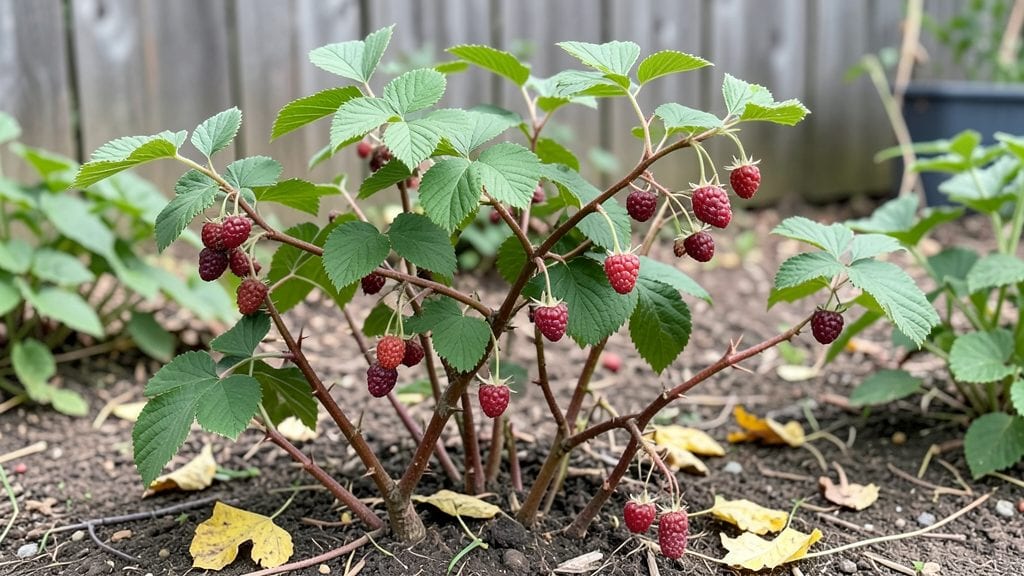
Growing a Royal Raspberry plant 🍓 is like unlocking a berry treasure chest—when done right, you’ll feast on two harvests a year instead of one.
But here’s the catch: without the right pruning, you’ll end up with a tangled mess of canes and a fraction of the fruit you could be enjoying. I’ve seen gardeners with perfectly healthy plants still scratching their heads over why their yields stay small—it’s all about the timing and technique.
This guide cuts through the confusion with a step-by-step pruning plan tailored for Zone 6a climates, so you can turn your Royal Raspberry into a year-round berry machine. No more guessing, just big, sweet harvests twice as often.
Ready to transform your patch from "meh" to "magnificent"? Let’s get started with the secrets that’ll have your neighbors asking for cuttings.
Royal Raspberry plant pruning schedule: when and how to Trim for maximum fruit
Your Royal Raspberry plant thrives on strategic pruning—it’s the secret to year-round harvests and lush, healthy canes. Unlike other berries, this variety produces fruit on second-year canes, so timing and technique matter.
Prune at the wrong time, and you’ll sacrifice next year’s crop. Let’s break down the seasonal pruning schedule to keep your plant productive and vigorous.
First, understand the two types of canes: primocanes (current year’s growth) and floricanes (last year’s canes that bore fruit). Summer-bearing varieties like Royal Raspberry rely on this cycle.
Your goal is to remove dead canes, thin overcrowded growth, and encourage new primocanes for future harvests. Let’s dive into the step-by-step process for each season.
Seasonal Pruning Guide for Royal Raspberry
-
Late Winter (Before Bud Break)
Remove all dead or diseased canes down to the ground. Cut back any weak or thin canes that won’t produce well. Leave 6-8 of the strongest floricanes (last year’s canes) for fruiting this summer.
-
Spring (After Harvest)
Trim any overgrown primocanes to encourage bushier growth. Remove any suckers growing outside the plant’s base to prevent competition. Thin canes to 12-15 inches apart for better airflow and sunlight penetration.
-
Summer (Mid-Season)
Monitor for weak or spindly primocanes and prune them back by 1/3 to promote branching. Remove any diseased leaves or canes immediately to prevent spread. Avoid heavy pruning during fruiting to protect the crop.
-
Fall (After First Frost)
Cut back all floricanes that bore fruit to the ground. Leave 2-3 of the strongest primocanes for next year’s harvest. Mulch around the base to protect roots during winter dormancy.
💡 Pro Tip: Use clean, sharp pruners to avoid damaging canes. Disinfect tools with rubbing alcohol between cuts to prevent disease spread.
Now that you know the seasonal timeline, let’s tackle the tools and techniques. A bypass pruner is ideal for clean cuts, while loppers handle thicker canes. Always cut at a 45-degree angle just above a bud or lateral branch to encourage new growth.
Avoid leaving stubs, as they can trap moisture and invite disease.
Identifying productive vs. unproductive canes is key. Look for thick, sturdy canes with a reddish-brown hue—these are last year’s floricanes that will fruit. Thin, green primocanes are this year’s growth and should be retained for next year’s harvest.
If a cane is hollow, brittle, or covered in spots, it’s time to prune it out entirely.
In colder climates (USDA Zones 5-6), adjust your fall pruning slightly. Wait until late winter to prune, just as buds begin to swell. This prevents winter dieback and ensures canes are ready to fruit in summer.
If you live in a warmer zone (7+), you can prune more aggressively in early spring to encourage vigorous growth.
One common mistake is over-pruning in spring, which removes too many canes and reduces fruiting potential. Aim to leave at least 6-8 canes for harvest. Another pitfall is pruning at the wrong time, like cutting back floricanes before they fruit.
Always prioritize floricanes first, then focus on primocanes for next year.
After pruning, give your Royal Raspberry a balanced fertilizer (10-10-10) to support new growth. Water deeply at the base to help roots recover. Mulch with organic matter like straw or wood chips to retain moisture and suppress weeds.
This combo ensures your plant rebounds quickly and sets the stage for a bountiful next harvest.
With this seasonal pruning schedule, your Royal Raspberry will reward you with juicy, flavorful berries twice a year. The key is consistency—stick to the timeline, and you’ll enjoy maximum fruit production for years to come. Happy pruning! 🌱
Common pruning mistakes that kill Royal Raspberry yields (and how to fix them)
Even experienced gardeners can accidentally sabotage their Royal Raspberry yields with pruning blunders. The good news? These mistakes are fixable. The bad news? They often lead to reduced fruit production or even plant stress.
I’ve seen overzealous pruning turn a thriving patch into a shadow of its former self—let’s avoid that together.
Your Royal Raspberry relies on a delicate balance between floricanes (fruit-bearing canes) and primocanes (next year’s growth). Cut too aggressively, and you’ll starve your plant of fruiting potential. Worse, pruning at the wrong time can trigger dormancy issues in colder climates, leaving your canes vulnerable to winter dieback.
⚠️ Critical Pruning Mistake: Late Winter Pruning in Cold Climates
Pruning your Royal Raspberry too early in USDA Zones 5-6 can expose canes to frost damage before they’ve hardened off. Always wait until buds begin to swell (late February to early March) to avoid triggering winter dieback. In warmer zones (7+), early spring pruning is fine—but never cut back floricanes before their harvest!
Let’s start with the biggest yield-killer: over-pruning in spring. I’ve seen gardeners remove more than 50% of canes at once, thinking they’re "cleaning up" their patch. But Royal Raspberries need 6-8 strong floricanes to produce well.
If you prune too aggressively, your plant will focus energy on regrowing canes instead of fruiting. The fix? Leave at least 6-8 canes after pruning, prioritizing thick, healthy floricanes.
Another common error is pruning at the wrong time. Many gardeners cut back floricanes after harvest, assuming they’re done for the year. But these canes are still photosynthesizing and feeding roots—removing them too soon reduces next year’s harvest.
The solution? Wait until after the first frost to prune floricanes, then leave 2-3 strong primocanes for next season’s growth.
Don’t overlook summer maintenance, either. Weak, spindly primocanes left unchecked will steal nutrients from fruiting canes. Prune them back by 1/3 in mid-summer to encourage bushier growth.
I’ve seen neglected summer pruning reduce yields by 30-40%—don’t let that happen to your patch! Remove any diseased leaves or canes immediately to prevent spread.
For colder climates (Zones 5-6), adjust your approach: delay fall pruning until late winter. Pruning too early can expose canes to winter winds, causing cane dieback. Instead, wait until buds swell, then prune floricanes to the ground and leave primocanes for next year.
This timing ensures your plant enters dormancy strong and rebounds quickly in spring.
Finally, never skip summer thinning. Even healthy canes can become overcrowded, leading to poor airflow and disease pressure. Thin canes to 12-15 inches apart for maximum sunlight exposure. After pruning, fertilize lightly (10-10-10) and water deeply to help your plant recover.
With these fixes, your Royal Raspberry will bounce back stronger than ever, ready for two bountiful harvests next year. 🌱