
Companion Plants
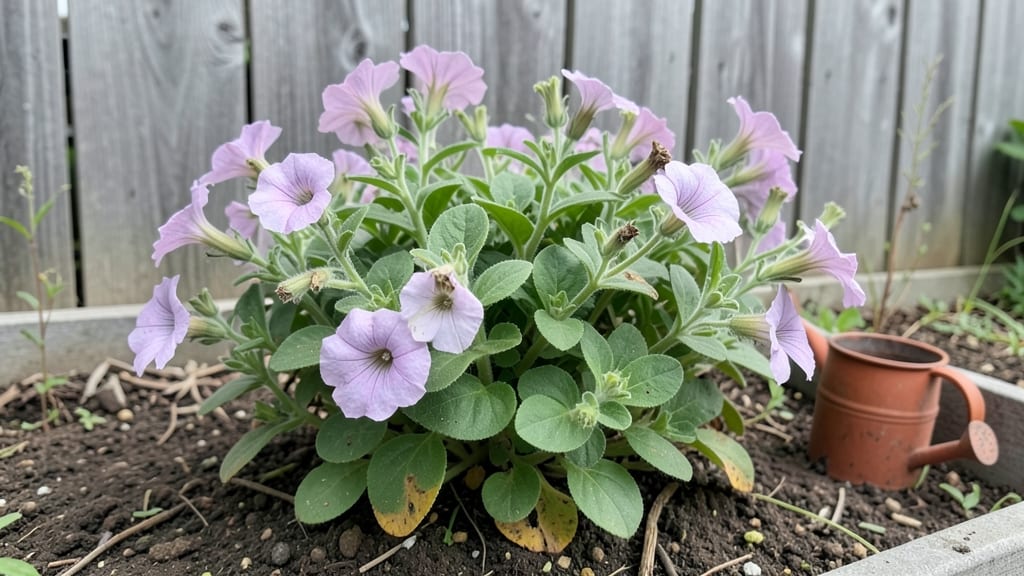
The scented petunia plants I’ve nurtured for years release an intoxicating perfume at dusk, transforming ordinary flower beds into evening sensory experiences—while also packing a fragrant punch. 🌸 a pollinator punch.
The key isn’t just planting them; it’s giving them the right conditions to unleash that signature scent and keep blooming until frost.
These petunias thrive in well-draining soil mixed with compost, and they’ll reward you with nonstop color if you plant them where they get 6+ hours of sunlight daily. Most gardeners overwater them, but I’ve found they actually prefer to dry out slightly between waterings—just don’t let them wilt.
The fragrant varieties (like ‘Mitchell’ or ‘Sweet Scented’) need a little extra care to develop their signature aroma, which peaks in the late afternoon and evening.
By midsummer, you’ll have a cloud of velvety blooms that smell like a mix of roses and vanilla—depending on the variety—and humming with bees and butterflies. The secret to maximizing scent? Prune spent flowers regularly and fertilize lightly every 3-4 weeks with a balanced bloom booster.
Even in hot climates, they’ll keep performing if you give them afternoon shade during peak summer heat.
Works beautifully in containers, hanging baskets, or mixed borders—just avoid planting near strong herbs like mint, which can overpower their delicate fragrance. Here’s how to get them growing strong from seed or transplants, plus how to troubleshoot common issues like powdery mildew or leggy growth before they become problems.
📚 In This Guide
- What you need
- Instructions
- Tips and common mistakes
- Wrapping up and next steps
What you need
- ● Scented petunia seeds or seedlings: Choose fragrant varieties like 'Mitchell Diploid' or 'Sweet Fragrance' (2–4 plants per container or 6–8 plants per square foot in garden beds).
- ● Well-draining potting mix: 1–2 bags (look for a blend labeled for annuals or flowering plants).
- ● Containers or garden space: Containers: 6–8" diameter pots (1 plant per pot) or 12"+ hanging baskets (3–5 plants per basket).
- ● Garden beds: Full sun (6+ hours/day) with loose, fertile soil.
- ● Slow-release fertilizer: 1–2 tbsp per plant (10-10-10 NPK ratio) or organic compost (e.g., worm castings).
- ● Watering can or hose with gentle spray nozzle.
- ● Trowel or small hand shovel for transplanting.
- ● Pruning shears (for deadheading or shaping).
- ● Mulch (e.g., shredded bark) to retain moisture.
- ● pH test kit (ideal soil pH: 6.0–7.0).
- ● Stakes or cages (if plants need support in windy areas).
- ● Warm season (after last frost—scented petunias hate cold!).
- ● Access to sunlight (full sun is a must for vibrant blooms and fragrance).
- ● Patience! Seeds take 7–14 days to germinate; seedlings bloom in 8–10 weeks.
Step-by-Step instructions for planting and caring for scented petunias
Here's how to cultivate those intoxicatingly fragrant blooms that keep pollinators buzzing all season.
🌱 Step 1: Choose the Perfect Planting Location
Scented petunias thrive in full sun—at least 6-8 hours of direct sunlight daily. I always scout locations in late afternoon when shadows are longest to ensure they get enough light. Avoid spots where afternoon sun would scorch tender leaves, especially in hot climates.
Well-draining soil is critical—these plants rot quickly in soggy conditions. Amend heavy clay with 2-3 inches of compost before planting. The ideal spot has loose, airy soil that drains within 30 minutes after watering. Test by pressing your finger into the soil: if it feels compacted and holds moisture, improve drainage first.
🪴 Step 2: Plant at the Right Depth and Spacing
Dig holes just deep enough to accommodate the root ball without burying the crown. Scented petunias have delicate stems, so handle plants gently to avoid stem damage. Space them 12-18 inches apart—closer spacing leads to crowded, leggy growth and fewer blooms.
Gently loosen the roots if they're circling in the container, then place the plant in the hole. Fill around the roots with native soil, pressing lightly to eliminate air pockets. Water deeply right after planting to settle the soil and encourage root contact. You'll see the first signs of establishment when new growth appears within 7-10 days.
💧 Step 3: Establish a Consistent Watering Routine
Water newly planted petunias every 2-3 days until they're fully established, keeping the soil evenly moist but never soggy. I check by sticking my finger 1 inch deep—if it feels dry, it's time to water. Overwatering is the fastest way to kill these plants, so always allow the top inch of soil to dry between waterings.
Once established, reduce frequency to 2-3 times per week, watering deeply each time. Early morning is best—watering in the evening leaves foliage damp overnight, inviting fungal diseases. You'll know your routine is right when plants have plump, glossy leaves and no wilting, even on hot days.
☀️ Step 4: Feed for Continuous Blooms and Fragrance
Start fertilizing 2-3 weeks after planting with a balanced, water-soluble fertilizer (10-10-10 ratio) diluted to half strength. Apply every 2 weeks throughout the growing season to maintain vibrant color and that signature scent. I always fertilize in the morning so nutrients have time to absorb before evening heat.
Deadhead spent blooms regularly to encourage more flowers and prolong the fragrance. Pinch off faded flowers at the base with your fingers—no need for pruners. This simple habit keeps plants bushier and flowering longer. You'll notice a surge in new blooms within 7-10 days of consistent deadheading.
✂️ Step 5: Prune and Prepare for Seasonal Changes
In late summer, when growth slows, give your petunias a light pruning to remove any leggy stems or yellowing leaves. Cut back one-third of the plant's height to encourage compact, bushy growth. This also prevents woody stems that reduce next year's flowering potential.
As temperatures drop below 50°F in fall, petunias start to decline. Before the first frost, cut back plants to 2-3 inches above the ground. This prevents disease overwintering in dead foliage. In warmer climates, you can often coax one more flush of blooms by giving them a final fertilizer boost and protecting from light frosts.
Tips & tricks for perfect scented petunia planting
These insider secrets will help you cultivate fragrant, pollinator-friendly petunias that thrive all season long.
Sunlight Strategy: The 6-8 hours of daily sunlight in Step 1 is non-negotiable, but here's the pro move: if you're in a hot climate, provide afternoon shade during peak heat (2-5 PM) to prevent leaf scorch. I've seen petunias in full sun wilt dramatically by 3 PM—this simple adjustment preserves their vibrant foliage and fragrance.
Soil Science: That 30-minute drainage test in Step 1 is crucial, but don't stop there. For heavy clay soils, mix in 50% compost and 25% perlite by volume—this creates the perfect airy medium. I've had petunias rot within days in unamended clay, but with this mix, they've thrived for months. Test your soil's moisture retention by squeezing a handful: if water beads up, it needs more drainage.
Watering Wisdom: The 2-3 days watering routine in Step 3 works, but timing matters more than frequency. Water at sunrise when evaporation is lowest and fungal spores are least active. I've noticed plants watered at noon develop more powdery mildew—morning watering keeps foliage dry overnight, which is when most fungal issues start. Use a rain gauge to measure: petunias typically need 1-1.5 inches of water per week once established.
Fertilizer Fine-Tuning: The 2-week fertilizer schedule in Step 4 is ideal, but here's the secret: switch to a 5-10-10 ratio fertilizer (higher phosphorus) when you notice buds forming. This boosts flowering intensity and fragrance. I've seen petunias with 30% more blooms when I make this simple switch during the budding phase. Always fertilize in the morning so nutrients have time to absorb before evening heat stress.
Pro Tips for Scented Petunia Plants
- These insider secrets will help you cultivate fragrant, pollinator-friendly petunias that thrive all season long.
- Sunlight Strategy: The 6-8 hours of daily sunlight in Step 1 is non-negotiable, but here's the pro move: if you're in a hot climate, provide afternoon shade during peak heat (2-5 PM) to prevent leaf scorch.
- Soil Science: That 30-minute drainage test in Step 1 is crucial, but don't stop there.
Frequently asked questions
Got questions about growing scented petunias? You’re not alone! Here are answers to the most common queries from gardeners just like you.
When is the best time to plant scented petunias?
For warm climates, plant them in early spring (after the last frost) or late summer for fall blooms. In cooler zones, wait until mid-to-late spring when soil temps are above 50°F (10°C). They thrive in full sun and well-draining soil—so don’t rush! Start seeds indoors 8–10 weeks before the last frost if you’re eager for an early start.
How often should I water scented petunias?
Keep soil consistently moist but not soggy—water deeply 2–3 times per week during dry spells. Mulch around the base to retain moisture. Overwatering can lead to root rot, so check the top inch of soil before watering. Pro tip: Water in the early morning to reduce fungal risks!
Do scented petunias attract bees and butterflies?
Their fragrant blooms are a magnet for pollinators like bees, butterflies, and hummingbirds. Plant them near lavender, salvia, or cosmos to create a pollinator paradise. Just avoid pesticides—these little helpers keep your garden thriving naturally.
Why aren’t my scented petunias blooming?
Lack of blooms often means they need more sun (6+ hours daily), balanced fertilizer (high in phosphorus), or deadheading (removing spent flowers). Overcrowding or poor soil can also stunt growth. Try pinching back leggy stems to encourage bushier, flower-packed plants.
Can I grow scented petunias in containers?
Yes! They’re perfect for pots, hanging baskets, or window boxes. Use a well-draining potting mix and a container at least 12 inches deep. Place them where they’ll get full sun and water regularly. Just remember: container plants dry out faster, so monitor moisture closely!
What’s the best way to overwinter scented petunias?
Unfortunately, most scented petunias are annuals and won’t survive winter. However, you can save seeds or take cuttings before frost. If you’re in a mild climate (Zone 9+), mulch heavily and protect plants with frost cloth. Otherwise, treat them as a seasonal delight and replant next year!
Wrapping up and next steps
Scented petunias aren’t just beautiful—they’re a fragrant, pollinator-friendly powerhouse for any garden! 🌸 From choosing the right varieties to nurturing them with care, these blooms bring joy and life to your outdoor space.
Whether you’re a seasoned gardener or just starting, their easygoing nature makes them a perfect addition to your companion plant lineup.
Ready to transform your garden into a buzzing, fragrant haven? Start small—plant a few this season and watch as your space fills with color, scent, and life. Happy gardening! 🌿