
Pests
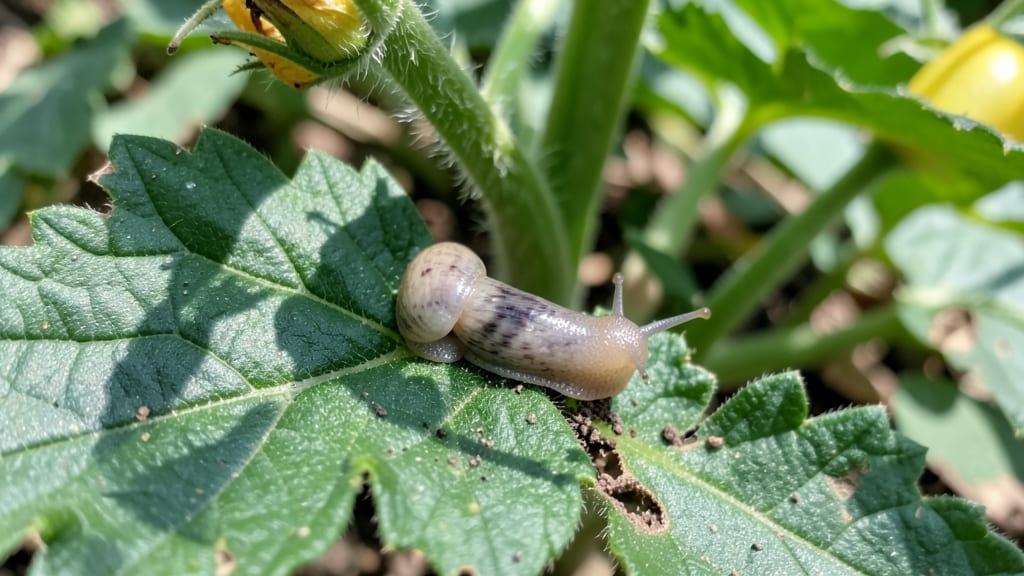
Slugs on tomato plants turn your lush vines into skeleton leaves overnight—until you learn these organic barrier tricks that actually stop them. 🌱 I’ve seen firsthand how a single night can leave your plants looking like lace curtains, but the right defenses make all the difference.
The key isn’t just reacting to damage—it’s creating a garden where slugs never even get a foothold.
Most people reach for chemical sprays first, but those can harm pollinators and leave residues on your tomatoes. Instead, we focus on physical barriers—copper tape, diatomaceous earth, and even crushed eggshells—that slugs can’t cross.
Combined with a little strategic mulching and companion planting (like thyme or marigolds), you’ll see fewer slimy invaders and more robust plants by midsummer. The best part? These methods work whether you’re growing in raised beds or containers.
By the time your tomatoes start ripening, you’ll be harvesting plump, undamaged fruit without a single chewed leaf in sight. The secret is consistency—check your barriers after rain, rotate your traps, and keep your garden floor as dry as possible.
Slugs thrive in damp, shady spots, so a few simple adjustments can make your tomato patch their last stop.
This approach works for backyard gardens, raised beds, and even container setups—no matter how slugs find your plants, these tricks keep them at bay. Let’s get your tomatoes growing strong and your garden looking like the slug-free paradise it should be.
Root Causes Of Slug Infestations
Slugs don’t just randomly decide to feast on your tomato plants—they’re drawn by a mix of environmental factors, plant attractants, and even human habits. Understanding why these slimy pests target your garden is the first step to stopping them before they cause serious damage.
Let’s break down the key reasons slugs invade your tomato patch and how they exploit your garden’s weaknesses.
Slugs thrive in damp, humid environments because their slimy bodies lose moisture quickly in dry air. If your tomato plants are growing in:
- Shady spots – Slugs avoid direct sunlight, which dries them out. Dense foliage or nearby structures (like fences or sheds) create perfect hiding spots.
- Poor drainage – Overwatered soil or clay-heavy gardens retain moisture, making it easier for slugs to lay eggs and survive. Pro tip: 🌡️ Test your soil’s moisture by squeezing a handful—if water drips out, it’s too wet.
- Morning dew or evening humidity – Slugs are most active at night and in the early morning when moisture levels are high.
Actionable fix: Improve airflow around plants, space them properly, and water at the base (not overhead) to reduce lingering dampness.
Slugs aren’t picky eaters, but they love young, soft tomato leaves and fruit. Here’s why your plants are a buffet:
- High moisture content – Tomato leaves retain water, making them juicy and easy to consume. Slugs prefer plants that are already stressed by overwatering or poor soil.
- Sweet, tender new growth – Young shoots and flowers are especially vulnerable because their cell walls are softer and packed with sugars.
- Decaying organic matter nearby – Slugs are attracted to rotting leaves, mulch, or compost piles adjacent to your tomato plants. These spots provide both food and shelter.
Actionable fix: 🎯 Remove fallen leaves and debris from around plants, and avoid over-fertilizing with nitrogen-heavy feeds, which can make foliage even more appealing.
In a balanced ecosystem, slugs face threats from birds, frogs, ground beetles, and even chickens. But if your garden lacks these predators, slug populations explode. Common reasons include:
- Pesticide use – Chemical sprays kill beneficial insects (like ladybugs) that would otherwise keep slug numbers in check.
- Monoculture planting – Gardens with only tomatoes (or other slug-loved crops) offer no diversity for predator species to thrive.
- Urban or suburban settings – Fewer wild predators (like toads or hedgehogs) exist in manicured lawns compared to natural habitats.
Actionable fix: ✨ Introduce predator-friendly plants (like marigolds or dill) and avoid broad-spectrum pesticides. Even a small birdbath can attract slug-hunting birds!
Sometimes, the way you manage your garden accidentally creates a slug paradise. Watch for these mistakes:
- Over-mulching with organic matter – Thick layers of straw or wood chips create humid microclimates perfect for slugs to hide and breed.
- Ignoring garden edges – Slugs migrate from lawns, sidewalks, or nearby wooded areas. A 3-foot "slug-free" barrier (like copper tape or diatomaceous earth) can stop their advance.
- Planting slug magnets nearby – Crops like lettuce, hostas, or impatiens attract slugs, which then spread to tomatoes. Pro tip: 💡 Use these as "trap crops" away from your tomato patch.
Actionable fix: 🔥 Audit your garden layout—remove slug hotspots and create physical barriers to disrupt their movement patterns.
Slugs are opportunistic, but their invasion isn’t random. By addressing moisture, plant selection, predator balance, and garden habits, you can make your tomato plants far less appealing—and far more protected.
Quick Fixes for Slug Damage
Slugs on your tomato plants can feel like a sneaky, slimy invasion, but the good news? You don’t need harsh chemicals to win this battle. Below are practical, organic solutions tailored to the most common causes of slug infestations—plus tips to keep them away for good.
Let’s roll up our sleeves and get those tomatoes thriving again!
If slugs are munching on young seedlings or tender leaves, block their access with these easy, DIY solutions:
- 🔥 Copper Tape or Wire Slugs hate the electrical charge copper creates when they crawl over it.
Wrap a copper tape (available at garden centers) around pots or create a copper wire barrier around raised beds. Pro tip: Bend the wire slightly upward to make it harder for slugs to climb over.
- 🍳 Coffee Grounds or Eggshells Sprinkle used coffee grounds (caffeine repels slugs) or crushed eggshells around the base of tomato plants. The sharp edges deter slugs, and the gritty texture makes it uncomfortable for them to crawl. Refresh every few days after rain.
- 👨🍳 DIY Beer Traps Bury a shallow dish (like a yogurt cup) filled with beer (any kind) near your plants. Slugs are attracted to the yeast, fall in, and drown. Pro tip: Add a little dish soap to break the surface tension so they can’t climb out.
Slugs are most active at dusk and night, so a quick evening check can save your plants:
- 🔪 Handpick the Pests Grab a flashlight and gloves (slugs leave a slimy trail—eww!). Pick slugs off plants and drop them in soapy water (instant slug euthanasia). Do this for 10-15 minutes around your garden at night for best results.
- 🥘 Iron Phosphate Bait (Safe & Effective) Use organic slug baits like Sluggo or Escargot Pour-On, which contain iron phosphate. Slugs eat it, stop feeding, and die within 48 hours. Bonus: It’s pet- and plant-safe once dry.
Stop slugs before they start with these low-maintenance strategies:
- 💡 Mulch Smartly Avoid thick, damp mulch (slugs love hiding under it). Instead, use straw or pine needles, which are drier and less appealing. Keep mulch 2-3 inches away from plant stems to reduce moisture buildup.
- 🌡️ Adjust Watering Habits Slugs thrive in moist, shaded areas. Water early in the morning so soil dries faster, and avoid overhead watering (which keeps leaves damp). Pro tip: Use drip irrigation to keep foliage dry.
- 🎯 Encourage Natural Predators Attract slug-eating allies like:
- Ground beetles (they hunt slugs at night)
- Frogs & toads (place a small water dish for them)
- Chickens or ducks (if you have space, they’ll devour slugs like snacks!)
- ✨ Plant Slug-Repelling Companions Interplant tomatoes with slug-deterring herbs and flowers, such as:
- Marigolds (strong scent)
- Garlic & chives (intense aroma)
- Thyme or oregano (slugs avoid them)
Need a fast solution? Here’s a cheat sheet based on your slug situation:
| Problem | Best Fix | Effort Level | Speed |
|---|---|---|---|
| Young seedlings being eaten | Copper tape + coffee grounds | Low | Immediate |
| Nighttime damage | Handpicking + beer traps | Medium | 1-2 nights |
| Large infestation | Iron phosphate bait + mulch changes | Medium | 3-5 days |
| Prevention for next season | Natural predators + companion planting | Low (ongoing) | Long-term |
Final Thought: Slugs may be pesky, but with these targeted, organic methods, you’ll have your tomato plants back in shape in no time. Try one or two strategies this week, and watch those slugs retreat! 🍅✨
Frequently asked questions about garden slugs on tomatoes
How do I know if slugs (not snails) are damaging my tomato plants?
Look for irregular holes with smooth edges—no jagged cuts like insects leave. Slugs prefer young leaves and fruit, often leaving a silver slime trail behind. Check under plants at dawn when they're most active.
Will copper tape really stop slugs from reaching my tomato plants?
Yes! Copper creates a mild electrical charge that slugs hate. For containers, wrap it around the rim. For garden beds, create a 3-inch wide barrier around plants. Just keep it clean—dirt buildup reduces effectiveness.
Can I use salt to kill slugs on my tomato plants?
No—salt is too harsh for your garden soil and plants. It creates toxic conditions that harm beneficial microbes and nearby vegetation. Stick to organic methods like iron phosphate bait or diatomaceous earth instead.
How often should I check for slugs if I have a serious infestation?
Inspect your tomato plants every evening for 3-5 nights, especially after rain. Slugs are most active then. Use a flashlight to spot them hiding under leaves or mulch. This early detection prevents major damage.
What's the best mulch to use if slugs keep coming back?
Use pine straw or coarse wood chips—they're drier than traditional mulch and less appealing to slugs. Keep mulch 2-3 inches away from plant stems to reduce moisture buildup where slugs thrive.