
Pests
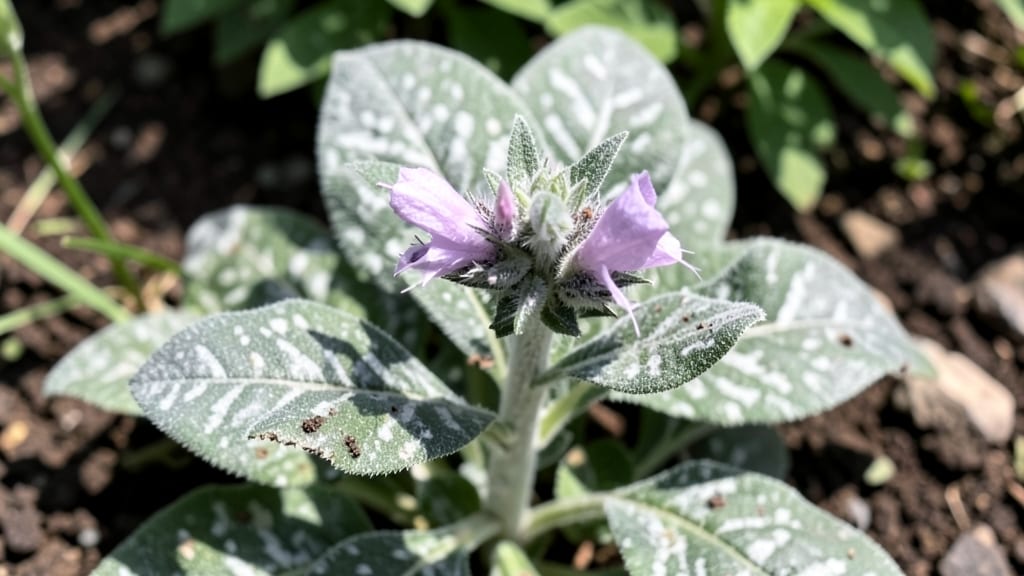
My garden’s snail-proof plants recipe starts with the right foliage—rough, aromatic, or even slightly toxic to slugs and snails. 🌿 I learned the hard way that velvety hostas and tender lettuce are a buffet, but plants like lavender, geraniums, and ferns send pests packing with their textures and scents.
The secret lies in their natural defenses: fuzzy leaves deter slimy climbers, strong fragrances mask your veggies, and some plants contain compounds snails avoid. Pair these with copper tape or crushed eggshells for extra protection—my tomato plants now stand a fighting chance against midnight raids.
You’ll end up with a garden that thrives without constant slug patrols. The lavender stays fragrant, geraniums bloom boldly, and ferns add lush greenery—all while keeping pests at bay. Plus, these plants are low-maintenance once established, making them perfect for busy gardeners.
Works in containers or beds, and adapts to sun or shade. Here’s how to mix and match for maximum snail resistance while keeping your garden looking its best—no more waking up to slime trails or half-eaten leaves.
📚 In This Guide
- What you need
- Instructions
- Tips and common mistakes
- Wrapping up and next steps
What you need
- ● Copper tape or wire: 1–2 rolls (1-inch width, 0.014-inch thickness for best results). Copper is toxic to snails and creates a natural deterrent.
- ● Diatomaceous earth (food-grade): 1–2 lbs. Sprinkle around plant bases to dehydrate snails (reapply after rain).
- ● Crushed eggshells or sharp gravel: 1–2 gallons. Creates a physical barrier snails can’t cross.
- ● Plastic or metal edging: 1–2 ft. per garden bed (e.g., 6-inch tall strips). Bury 2–3 inches deep to block burrowing.
- ○ Beer traps (optional but effective): 1–2 shallow containers (e.g., yogurt cups)
- ● 1 bottle of beer (or apple cider vinegar for a non-alcoholic option)
- ● Garden gloves: 1 pair (to handle sharp materials like eggshells or gravel).
- ● Watering can or hose: For reapplying barriers after rain.
- ● Coffee grounds: 1–2 cups. Sprinkle around plants—snails dislike the smell!
- ● Essential oil spray (e.g., citrus or clove oil): 10–15 drops per quart of water. Spray lightly around plants (test on a small area first).
- ● Sluggo or iron phosphate pellets: 1–2 lbs. A chemical-free bait option for severe infestations.
- ● Plant-based repellents: Marigolds, garlic, or thyme planted near vulnerable greens (e.g., lettuce or basil).
How to create a snail-proof garden layout
Here’s how to strategically plant and arrange your garden so slugs and snails lose interest.
🌱 Step 1: Choose Snail-Resistant Plants First
Start by selecting plants known to deter snails naturally. I always prioritize rosemary, thyme, lavender, geraniums, and marigolds—their strong fragrances and fuzzy or prickly leaves make them unappealing. These plants also attract beneficial predators like ladybugs and parasitic wasps, which help keep snail populations in check.
Plant these along borders, pathways, and near vulnerable plants. Snails avoid crossing open, aromatic ground cover, so a ring of these around your garden’s edge creates a natural barrier. Place them 6-12 inches apart to ensure full coverage without gaps.
🌿 Step 2: Layer with Spiky or Textured Plants
Add plants with rough, hairy, or spiky foliage to physically discourage snails. My go-to choices are sage, oregano, dusty miller, and lamb’s ear. These plants create an uncomfortable terrain for snails to traverse, forcing them to seek easier meals elsewhere.
Strategically place these in between vulnerable plants and high-traffic areas. For example, tuck dusty miller around hostas or lettuce beds—its silvery, fuzzy leaves make it nearly impossible for snails to climb over. Aim for 1-2 feet of coverage between your prized plants and these textured guards.
✂️ Step 3: Create Physical Barriers with Mulch and Edging
Use the copper tape or crushed eggshells as a first line of defense. Copper emits a mild electric charge that snails dislike, while eggshells create sharp edges that deter them from crossing. Apply the copper tape along container edges and garden beds, burying it 1 inch deep into the soil.
Spread the crushed eggshells in a 2-inch band around plants, especially those with soft leaves like basil or impatiens. Refresh the barrier every 2-3 weeks or after rain, as eggshells break down quickly. This creates a physical and sensory obstacle snails won’t cross.
☀️ Step 4: Optimize Plant Placement for Sun and Airflow
Snails thrive in damp, shaded areas, so design your garden to minimize their favorite conditions. Place sun-loving plants like zinnias, snapdragons, and petunias in full sun—these dry out quickly and are less appealing to snails. Group plants with similar water needs together to avoid overwatering and creating snail-friendly moisture pockets.
Ensure 3-4 feet of spacing between plants to improve airflow and reduce humidity at ground level. You’ll notice snails avoid these drier, airier zones entirely. If you must grow moisture-loving plants like ferns or astilbes, elevate them on raised beds or containers to keep them out of snail reach.
💧 Step 5: Maintain with Regular Inspections and Adjustments
Check your garden every 3-4 days, especially after rain or watering. Look for early signs of snail activity, like irregular holes in leaves or silvery slime trails. Remove any snails or slugs you spot by hand—drop them into a bucket of soapy water to prevent re-entry into your garden.
Rotate your barrier strategies seasonally. In spring, focus on copper tape and crushed eggshells. By summer, prioritize watering in the morning to allow foliage to dry quickly, and adjust plant spacing if any have outgrown their snail-proof zones. This proactive approach keeps your garden snail-free with minimal effort.
Tips & tricks for snail-proof garden layouts
A few simple strategies can transform your garden from a snail buffet into a fortress. Here's how to make the most of your snail-proof planting plan.
Layering is Key: In Step 2, when you're placing your spiky plants like dusty miller or lamb's ear, think vertically as well as horizontally. Tall varieties like rosemary or lavender create natural barriers that snails can't climb. Plant these 12-18 inches behind your vulnerable plants to create a multi-level defense. The combination of height and texture makes it nearly impossible for snails to reach your prized plants.
Seasonal Plant Rotation: The copper tape and crushed eggshells from Step 3 are fantastic, but don't forget to rotate your physical barriers. In late summer, switch to diatomaceous earth around your most vulnerable plants. It's just as effective but works differently—snails avoid crossing the sharp edges. Apply it fresh every 4-6 weeks for continuous protection, especially after heavy rains that wash away older barriers.
Hidden Watering Hacks: When you're optimizing for sun and airflow in Step 4, consider your watering technique too. Water plants at their base rather than overhead to keep foliage dry. Snails are drawn to moist leaves, so this simple change makes your garden less inviting. For container plants, use self-watering systems that deliver moisture directly to roots, creating an even drier surface that snails avoid.
Predator-Friendly Zones: The beneficial predators mentioned in Step 1 need habitat too. Create small pockets of native wildflowers or ground cover in sunny corners of your garden. These areas will attract ladybugs, ground beetles, and other natural snail predators. Place these zones within 3 feet of your vulnerable plants so predators can quickly move to where they're needed most.
Pro Tips for Snail Proof Plants
- A few simple strategies can transform your garden from a snail buffet into a fortress.
- Layering is Key: In Step 2, when you're placing your spiky plants like dusty miller or lamb's ear, think vertically as well as horizontally.
- Seasonal Plant Rotation: The copper tape and crushed eggshells from Step 3 are fantastic, but don't forget to rotate your physical barriers.
Frequently asked questions
Got questions about keeping snails at bay with plants? You’re not alone!
Here are some of the most common concerns—and practical solutions—to help you protect your garden without the hassle.
What are the most effective snail-proof plants?
Plants like lamb’s ear, geraniums, and lavender are top picks because their fuzzy or aromatic leaves deter snails. Dianthus and rosemary also work well—their strong scents and prickly textures make them unappealing snacks. For a natural barrier, plant these around vulnerable areas like veggie patches or flowerbeds.
How long does it take for snail-proof plants to work?
Results vary! If you’re using plants as a physical barrier (like a border of thyme or mullein), snails may avoid them within 1–2 weeks as they establish their scent. For repellent plants (e.g., garlic or chives), it might take 3–4 weeks for their fragrance to build up. Patience pays off—consistency is key!
Can I use snail-proof plants if I already have slugs?
While snails and slugs share similar dislikes, some plants (like foxglove or coleus) are effective against both. For extra defense, combine plants with copper tape barriers or diatomaceous earth—a double whammy that confuses and repels pests. Just avoid toxic options like oleander if pets or kids are around.
What if snails still find my plants? Troubleshooting tips!
If snails persist, try these fixes:
- Rotate plants every few weeks to disrupt their trails.
- Add crushed eggshells or wood ash around the base of plants—they’re sharp and uncomfortable for snails.
- Handpick pests at dusk (when they’re most active) and drop them in soapy water.
Pro tip: Water in the morning—snails are nocturnal and avoid dry conditions!
Are there non-plant alternatives to snail-proofing?
Yes! If plants aren’t your style, try:
- Beer traps (bury a shallow dish filled with beer—snails are drawn in and drown).
- Coffee grounds scattered around plants (the acidity repels them).
- Duck or chicken access—these birds love snacking on snails!
For a low-maintenance fix, mulch with pine needles—they create a prickly barrier snails hate.
Wrapping up and next steps
Protecting your garden from snails doesn’t have to be a battle—just a smart strategy! 🌱 By choosing snail-proof plants like lavender, geraniums, and rosemary, and setting up simple barriers with copper tape, diatomaceous earth, or beer traps, you’ll create a thriving, pest-resistant oasis. Your green thumb is the key—now go put those tricks to work!
Ready to take action? Start by auditing your garden this weekend—swap vulnerable plants, set up your barriers, and watch your garden flourish snail-free! 🎉