
Companion Plants
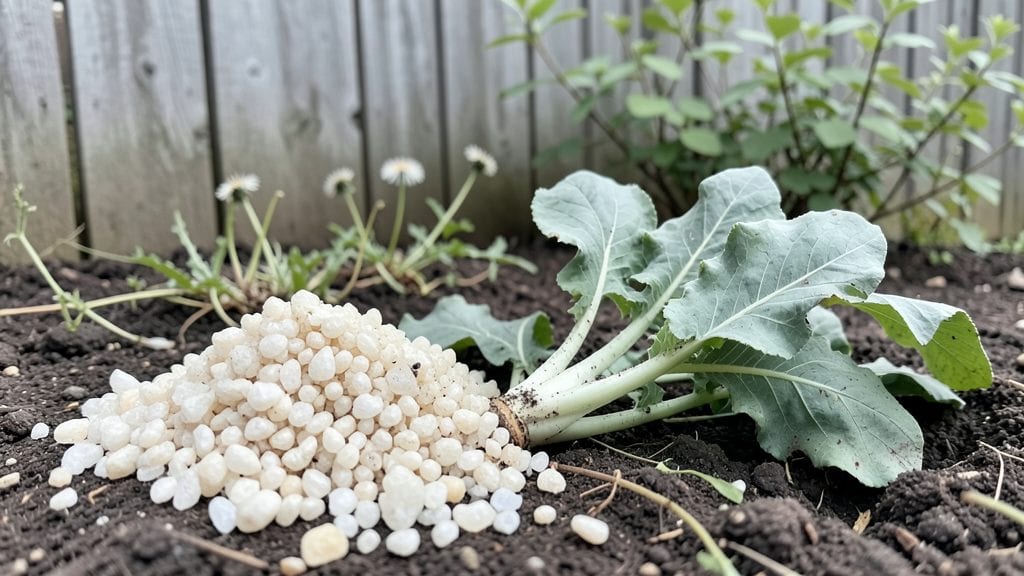
Spilled soda on your plants doesn’t mean they’re doomed—it just needs the right cleanup. I’ve saved more than a few struggling houseplants from sticky syrup disasters, and the process is simpler than you’d think. The key is acting fast before sugar and carbonation do real damage to roots or leaves.
You’ll need a damp cloth, lukewarm water, and maybe some fresh potting mix if the spill soaked deep. For leaves, wipe gently with a damp cloth to remove residue, while roots might need a rinse and repotting in clean soil.
The goal is to remove every trace of soda before it starts fermenting in the soil.
What you’ll end up with is a plant that looks no worse for the wear—no sticky leaves, no wilting roots, and no long-term damage. The sooner you clean it up, the better the chances of full recovery.
Even if the plant takes a few days to bounce back, you’ll avoid the slow decline that comes from ignored spills.
Prevention is easier than cleanup: keep drinks away from plant surfaces, and always blot spills immediately. For outdoor plants, a quick rinse with the hose can save the day before sugar attracts pests or encourages mold. Trust me, your plants will thank you.
📚 In This Guide
- What you need
- Instructions
- Tips and common mistakes
- Wrapping up and next steps
What you need
- ● Soda residue-affected plants – Any plants with sticky, crusty, or discolored soda buildup (e.g., succulents, herbs, or houseplants).
- ● Distilled or filtered water – 1 gallon (3.8 liters) per plant for rinsing (tap water may leave mineral deposits).
- ● Soft-bristle brush or sponge – A toothbrush, makeup brush, or microfiber cloth for gentle scrubbing.
- ● White vinegar – 1 cup (240 mL) per gallon of water (natural cleaner and pH balancer).
- ● Rubbing alcohol (70% isopropyl) – 1 tablespoon (15 mL) per gallon of water (for stubborn residue; test on a small area first).
- ● Spray bottle – 8–16 oz (240–480 mL) capacity for mixing solutions.
- ● Newspaper or paper towels – 2–3 sheets per plant for drying and absorbing excess moisture.
- ○ Gloves (optional but recommended) – Nitrile or latex-free to protect your skin from sticky residue.
- ● Hydrogen peroxide (3%) – 1 tablespoon per gallon of water (disinfects and breaks down soda grime).
- ● Dish soap (mild, plant-safe) – A few drops per gallon of water (e.g., Castile soap) for extra grease-cutting power.
- ● Hair dryer (cool setting) – Speeds up drying time (avoid hot air—it can stress plants!).
- ○ Plant-safe wax or sealant – Optional for protecting leaves post-cleaning (e.g., beeswax polish).
- ● Camera or phone – To document before/after results (because progress is satisfying!).
Instructions for safely cleaning soda spills on plants
Here’s how to restore your plants after soda spills without damaging their leaves or roots.
Act Fast to Prevent Staining
As soon as you notice soda on a plant, use a damp paper towel to blot—not rub—the spill. Soda’s sugar and carbonation can seep into leaves within minutes, causing sticky residue and potential fungal growth. Work gently to avoid tearing delicate foliage, especially on plants like ferns or succulents.
If the spill is on soil, scoop out the affected area with a spoon or small trowel. You’ll see the wet, darkened soil where the soda soaked in. Remove only the top ½ inch—deeper disturbance can harm roots. Discard the sodden soil immediately to prevent mold.
Rinse Affected Areas with Lukewarm Water
Fill a spray bottle with lukewarm water (never hot) and mist the soda-stained leaves thoroughly. Cold water can shock the plant, while hot water may scald tender surfaces. Hold the bottle 6-8 inches away and spray until the sticky residue runs off. For stubborn spots, dip a soft cloth in water and wipe gently.
Pay extra attention to undersides of leaves, where soda often pools. If the plant has fuzzy or waxy leaves (like lamb’s ear or hosta), avoid harsh scrubbing—stick to rinsing to preserve their natural protection. Let the plant air-dry in indirect light afterward.
Neutralize Sugar Residue with Vinegar Solution
Mix 1 part white vinegar with 3 parts water in a spray bottle. Vinegar’s acidity breaks down leftover sugar and neutralizes the soda’s alkalinity, which can harm soil pH over time. Lightly mist the rinsed areas, focusing on leaves and soil surface. Avoid over-saturating the soil—just enough to dampen the top ¼ inch.
For potted plants, pour ½ cup of the vinegar solution into the soil and let it drain through. This helps flush out any sugar that seeped into the roots. Rinse the pot’s drainage tray afterward to prevent vinegar buildup, which could harm future plants.
Monitor for Stress and Adjust Care
Watch the plant closely for 3-5 days after cleaning. Soda residue can stress leaves, causing them to yellow or wilt. If you notice wilting, trim any affected leaves with clean scissors and increase humidity around the plant by placing it on a tray of pebbles and water (ensure the pot isn’t sitting in water).
If the plant was in the ground, water it deeply to help flush out any remaining soda. Avoid fertilizing for 1-2 weeks—the plant’s roots may be sensitive, and fertilizer could burn them. Instead, focus on keeping the soil evenly moist and providing bright, indirect light.
Prevent Future Spills with Protective Measures
Keep drinks away from plants by placing them on trays or elevated surfaces. For outdoor plants, use a 6-inch-wide barrier of mulch or gravel around the base to create a spill-resistant zone. If you’re hosting, set up a designated drink area at least 3 feet away from potted plants.
For high-risk areas, like patios or balconies, consider using plastic plant saucers under pots. These catch spills before they reach the soil. If you accidentally spill soda on a plant’s soil, act immediately—even a small amount can alter soil chemistry and attract pests like fungus gnats.
Tips & tricks for safely cleaning soda spills on plants
Even the fastest clean-up can leave lasting damage if you don't handle soda spills just right. These simple tricks will help you save your plants while keeping their natural beauty intact.
Timing is Everything: The first 5 minutes after a soda spill are critical. I can't stress enough how quickly soda's sugar and carbonation damage plant cells. If you notice a spill, grab that damp paper towel immediately—don't wait for a better time. The longer you wait, the more the soda penetrates, making stains and damage much harder to reverse. Remember, soda's acidity starts working against your plant the moment it touches leaves or soil.
Gentle is the Key: When dealing with delicate plants like ferns or succulents, never rub the leaves—this can tear the protective coating and leave them vulnerable. Instead, blot gently with a damp paper towel, then rinse with lukewarm water from about 6-8 inches away. Think of it like washing a baby's face: you want to clean without causing any harm. For waxy leaves, avoid scrubbing entirely—stick to rinsing to preserve their natural protective layer.
Vinegar Solution Strength: The 1:3 vinegar-to-water ratio is perfect for breaking down soda residue without over-acidifying your soil. I've found that using white vinegar works best because its mild acidity is strong enough to neutralize soda but gentle enough for most plants. If you're working with particularly sensitive plants, you can even reduce the vinegar to a 1:4 ratio. Just remember to focus on the affected areas—don't drench the entire plant or soil.
Prevention Pays Off: The best way to handle soda spills is to avoid them in the first place. I've seen too many beautiful plants ruined by what could have been prevented with simple precautions. Create a 6-inch barrier of mulch or gravel around outdoor plants, and always place drinks on elevated surfaces or trays. For high-risk areas, plastic plant saucers are a game-changer—they catch spills before they reach the soil, giving you precious seconds to clean up before damage occurs.
Pro Tips for Soda And Plants
- Even the fastest clean-up can leave lasting damage if you don't handle soda spills just right.
- Timing is Everything: The first 5 minutes after a soda spill are critical.
- Gentle is the Key: When dealing with delicate plants like ferns or succulents, never rub the leaves—this can tear the protective coating and leave them vulnerable.
Frequently asked questions
Got questions about using soda on plants?
You’re not alone—many gardeners wonder about safety, methods, and alternatives. Below are answers to the most common queries to help you clean residue effectively while keeping your plants thriving.
Can I use any type of soda to clean plant pots?
Stick to clear, carbonated sodas like Sprite, 7-Up, or club soda—avoid dark colas or sugary drinks. The carbonation helps loosen grime, while the mild acidity (from phosphoric or citric acid) breaks down mineral deposits. Never use diet sodas with artificial sweeteners like aspartame, as they can harm plants long-term.
How long should I soak pots in soda before rinsing?
For light residue, 30–60 minutes in soda is enough. For stubborn buildup (like hard water stains), soak overnight (8–12 hours). Pro tip: Place pots in a sink or bucket, cover with soda, and let it fizz—no scrubbing needed! Always rinse thoroughly with water afterward to remove any leftover soda.
Will soda hurt my plants if residue gets on leaves?
Direct contact with soda can burn leaves or disrupt soil pH. Always rinse pots and tools completely before replanting. If soda accidentally spills on foliage, wipe it off with a damp cloth and water the plant well. Test a small area first to check for sensitivity.
What’s a safer alternative to soda for cleaning pots?
If you’re wary of soda, try these plant-safe options:
- White vinegar + water (1:1 ratio) – Dissolves mineral deposits and neutralizes odors.
- Baking soda paste – Mix with water to scrub tough stains (rinse well!).
- Lemon juice – Natural acidity breaks down grime (dilute for delicate plants).
- Commercial horticultural cleaners – Look for pH-neutral, plant-safe formulas.
My plant’s leaves turned yellow after using soda—what went wrong?
Yellowing leaves usually mean over-soaking or residue buildup. Flush the soil with plain water for 2–3 days to dilute any leftover soda. If the issue persists, repot with fresh soil and monitor for signs of stress. Prevent future problems by rinsing pots thoroughly and avoiding soda on soil or roots.
Can I reuse soda after cleaning pots?
No—once soda sits with dirt and grime, it becomes contaminated. Dispose of it properly (check local recycling rules) and use fresh soda for cleaning. Bonus tip: Save leftover soda in a sealed container for 1–2 weeks max to repurpose for other household tasks (like cleaning grout), but avoid using it on plants afterward.
Wrapping up and next steps
Removing soda residue from plants doesn’t have to be a stressful task—with the right tools and techniques, you can restore your greenery safely and effectively! 🌱 Whether you opt for vinegar, water, or commercial cleaners, the key is acting quickly and gently to avoid damaging your plants.
Now that you’re armed with knowledge, why not give it a try? Pick a plant in need of a refresh, gather your supplies, and turn that sticky mess into a clean slate for healthier growth.
And here’s your next step: Monitor your plants after cleaning to ensure they thrive! If you’re curious about other household hacks for plant care, explore more tips to keep your green friends happy and flourishing.