
Pests
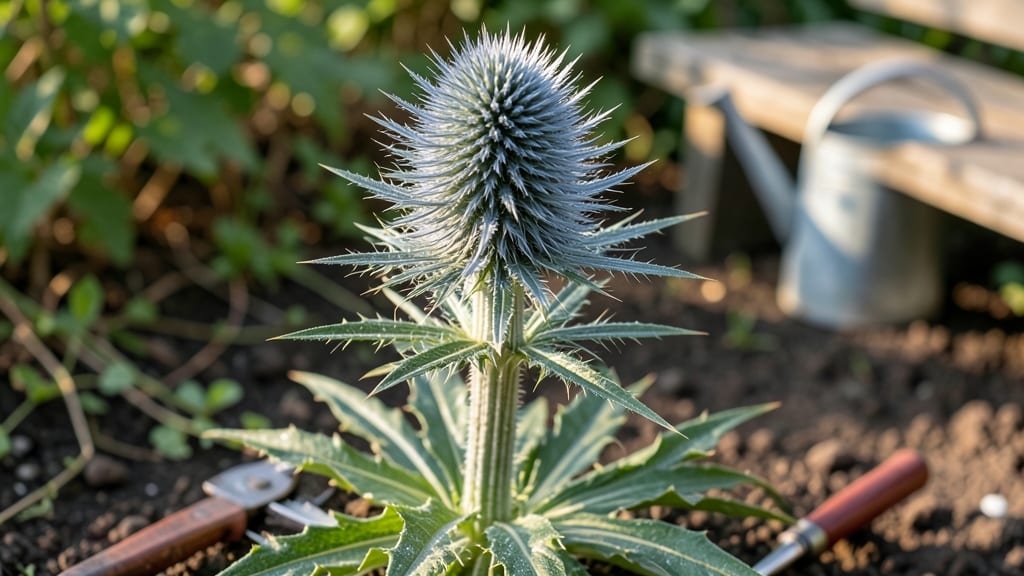
This squirrel tail plant—Pennisetum alopecuroides—turned my dry corner into a year-round showstopper with its feathery plumes and airy texture. This drought-resistant beauty thrives where other plants struggle, making it the perfect choice for sunny spots that need low-maintenance drama.
The secret lies in its love for well-draining soil and full sun—once established, it practically takes care of itself while adding movement to the garden.
Start with a site that gets at least 6 hours of sunlight daily and soil that drains quickly—this plant hates soggy roots. Plant in spring or early fall when temperatures are mild, spacing clumps 18-24 inches apart for that lush, trailing effect.
Water deeply after planting, then let the soil dry between waterings—overwatering is the fastest way to kill it. Within a season, you’ll see those signature feathery plumes swaying in the breeze, even through dry spells.
Pruning is where this plant gets its effortless charm: simply cut back dead fronds in early spring to encourage fresh growth. If it gets too leggy, a light trim after flowering keeps it compact without sacrificing its airy texture.
The best part? It’s deer-resistant and thrives in heat, making it a standout for sunny, low-water gardens. Once you’ve got one, you’ll wonder why you didn’t add more sooner.
For colder climates, mulch around the base in winter to protect roots—though established plants often bounce back without extra help. In windy areas, staking might be needed, but most gardens let it cascade naturally.
This isn’t just a filler plant; it’s the foolproof way to add texture, movement, and drought-proof beauty to any sunbathing corner of your yard.
📚 In This Guide
- What you need
- Instructions
- Tips and common mistakes
- Wrapping up and next steps
What you need
- ● Squirrel Tail Plant: 1 nursery-grown plant (3-5 gallons in container) with purple foliage (var. 'Purple Petticoats') or green (var. 'Green Petticoats').
- ● Well-draining soil: 50% native soil + 50% organic matter (compost, peat moss, or coconut coir). Test pH: 5.0–6.0 (acidic).
- ● Mulch: 2–3 inches of pine bark fines or pine straw to retain moisture and suppress weeds.
- ● Slow-release fertilizer: 1 lb of 10-10-10 NPK or azalea/camellia blend (high in iron for purple varieties).
- ● Drip irrigation or soaker hose: 10–15 ft (adjust based on planting size).
- ● Garden trowel or spade (for planting).
- ● Pruning shears (sharp, sterilized).
- ● Gloves (to protect from thorns on some varieties).
- ● Measuring tape or ruler (for spacing).
- ● Watering can or hose with adjustable nozzle (for post-planting care).
- ● Epsom salt (magnesium sulfate): 1 tbsp per gallon of water (monthly spray for purple foliage intensity).
- ● Copper fungicide: Ready-to-use spray (prevents leaf spot in humid climates).
- ● Container gardeners: 15–20 gallon fabric grow bag or glazed pot with drainage holes.
- ● Stakes or trellis: Lightweight (3–4 ft tall) for training vines in containers.
- ● Soil moisture meter (to monitor drought stress).
Step-by-step instructions for cultivating squirrel tail grass
Here’s how to coax this striking ornamental grass into thriving, sun-loving splendor with minimal fuss.
Select the Perfect Planting Site
Squirrel tail grass (Pennisetum alopecuroides) thrives in full sun—at least 6 hours of direct light daily—where its bottlebrush plumes can truly shine. I always choose a spot with well-draining soil, as this grass despises soggy roots. If your soil is heavy clay, amend it with 2-3 inches of coarse sand or perlite mixed into the top 12 inches before planting.
This grass tolerates dry conditions once established, but young plants need consistent moisture during their first growing season. If your garden has poor drainage, consider planting in a raised bed or mound to prevent waterlogging. The ideal soil pH ranges from 6.0 to 7.0, though squirrel tail adapts well to slightly alkaline conditions.
Plant at the Right Depth and Spacing
Dig a hole twice as wide as the root ball but only as deep as the container it came in—planting too deep suffocates the crown. Gently remove the plant from its nursery pot and loosen any circling roots with your fingers. Place it in the hole so the top of the root ball sits level with the surrounding soil—never buried.
Space plants 18-24 inches apart for a full, lush look. Closer spacing works for edging or small gardens, but give them room to spread if you want dramatic plumes. Backfill the hole with native soil, pressing lightly around the edges to eliminate air pockets. Water deeply right after planting to settle the soil and encourage root contact.
Water Deeply but Infrequently
For the first 2-3 weeks, keep the soil evenly moist—not soggy, but never bone-dry. Water deeply once a week during the first growing season, allowing 1 inch of water to penetrate the root zone. Once established (after 6-8 weeks), reduce watering to every 2-3 weeks, unless your summer is particularly brutal. This grass stores moisture efficiently and rebounds quickly after drought.
I avoid overhead watering after the first month, as wet foliage invites fungal issues. Instead, use a soaker hose or drip irrigation placed at the base of the plant. You’ll know you’re watering correctly when the soil 1-2 inches down feels slightly damp but not saturated.
Prune for Shape and Encourage New Growth
Cut back the entire plant to 2-3 inches tall in early spring, just as new shoots begin to emerge. This aggressive pruning removes dead foliage and stimulates fresh, vibrant growth. I always use clean, sharp pruners to avoid tearing the stems—rough cuts invite disease. Wear gloves if you’re sensitive to sap, though squirrel tail is generally non-irritating.
In late winter, you can also shear the plant into a neat mound for a formal look. If left unpruned, it grows into a 3-foot-tall fountain, but regular trimming keeps it compact. Remove any brown or damaged fronds throughout the year to maintain air circulation and prevent pest issues.
Fertilize Lightly for Optimal Plume Production
Feed squirrel tail grass once in early spring with a balanced, slow-release fertilizer (10-10-10 or similar). Apply ½ cup per 10 square feet of planting area, working it lightly into the top 2 inches of soil. Avoid high-nitrogen fertilizers, which promote leafy growth at the expense of those prized plumes. Over-fertilizing also weakens the plant’s drought tolerance.
Skip fertilization in fall or winter, as the grass enters dormancy. If your soil is particularly poor, a light top-dressing of compost in spring provides enough nutrients without risk of overfeeding. You’ll see the best plume production when the plant receives just enough to thrive, but not so much it becomes leggy or floppy.
Tips & tricks for cultivating squirrel tail grass
These insights will help you avoid common pitfalls and maximize the dramatic beauty of your squirrel tail grass—without the guesswork.
Sunlight Strategy: While the instructions specify full sun (6+ hours daily), I’ve found that morning sun with afternoon shade in hot climates actually preserves the vibrant green color longer. If your summers are intense, consider positioning plants where they receive morning sunlight and afternoon shade—this prevents the plumes from bleaching prematurely. The trade-off is slightly slower growth, but the color retention makes it worthwhile.
Soil Preparation Secret: The 2-3 inches of sand or perlite mentioned for clay soil is a game-changer, but I recommend going one step further for heavy soils. Mix in 1 cup of organic matter like compost or coconut coir with the sand—this improves moisture retention while maintaining drainage. The organic matter also provides a slow-release nutrient boost during the critical first growing season. Test your soil first; if it’s already well-amended, skip this step.
Watering Wisdom: The instructions emphasize deep watering once a week during the first 2-3 weeks, but timing matters just as much as quantity. Water in the early morning (6-8 AM)—this allows foliage to dry completely before evening, reducing fungal risks. I’ve seen squirrel tail grass develop brown tips when watered in late afternoon or evening, even with proper drainage. A simple rain gauge helps track your 1-inch weekly target without overwatering.
Pruning Precision: When cutting back to 2-3 inches in early spring, I recommend using a string trimmer or hedge shears for larger clumps—it’s faster and creates a cleaner cut than hand pruners. For smaller plants, clean pruners work perfectly. The key is to make cuts just above a node (the bump where leaves attach) to encourage new growth from that point. This technique produces denser foliage and more dramatic plumes later in the season.
Pro Tips for Squirrel Tail Plant
- These insights will help you avoid common pitfalls and maximize the dramatic beauty of your squirrel tail grass—without the guesswork.
- Sunlight Strategy: While the instructions specify full sun (6+ hours daily), I’ve found that morning sun with afternoon shade in hot climates actually preserves the vibrant green color longer.
- Soil Preparation Secret: The 2-3 inches of sand or perlite mentioned for clay soil is a game-changer, but I recommend going one step further for heavy soils.
Frequently asked questions
How fast does Squirrel Tail Plant grow, and when will I see trailing?
Squirrel Tail Plant grows at a moderate pace—expect 6–12 inches of growth per year under ideal conditions. Trailing typically begins in its second or third year, especially if given bright light and well-draining soil. Patience pays off—its cascading habit is worth the wait! Pro tip: Prune leggy stems in early spring to encourage bushier, more vigorous trailing.
Why is my Squirrel Tail Plant turning brown or crispy at the tips?
Brown, crispy tips usually signal underwatering or over-salty soil. This drought-resistant plant hates soggy roots, so let the soil dry completely between waterings. If you’re in a humid climate, improve airflow around the plant. Flaky or papery leaves? That’s normal—it’s a succulent-like adaptation to conserve water. Pro tip: Avoid cold drafts or temps below 50°F (10°C), which can also cause browning.
Can Squirrel Tail Plant survive in full sun, or does it need shade?
This plant is sun-loving but adaptable—it thrives in full sun (6+ hours/day) but tolerates partial shade, especially in hot climates. In intense afternoon sun, light afternoon shade prevents leaf scorch. Key sign: If leaves look pale or stretched, it’s craving more light. Pro tip: For a bushier look, rotate the pot occasionally to ensure even sun exposure.
What are some low-maintenance alternatives to Squirrel Tail Plant?
If you love the trailing, drought-tolerant vibe but want other options, try these easy-care plants:
- String of Turtles (Peperomia prostrata) – Compact, trailing, and thrives in bright indirect light.
- Hens and Chicks (Sempervivum) – Succulent with a ground-covering habit; loves full sun.
- Trailing Lantana (Lantana montevidensis) – Drought-resistant with colorful blooms (great for borders).
- Sedum ‘Angelina’ (Sedum rupestre) – Golden foliage that cascades beautifully in containers.
Are Squirrel Tail Plants prone to pests, and how do I prevent them?
Generally pest-resistant, but mealybugs or spider mites may appear if stressed (e.g., poor drainage or overcrowding). Preventative care:
- Inspect leaves monthly for white cottony spots (mealybugs) or fine webbing (mites).
- Wipe leaves with neem oil solution (1 tsp oil + 1 quart water) if pests strike.
- Avoid over-fertilizing—too much nitrogen attracts soft-bodied pests.
Wrapping up and next steps
The squirrel tail plant is a stunning, low-maintenance addition to any sunny garden, thriving with minimal water and maximum charm! 🌿 Whether you're battling pests, seeking drought resistance, or simply craving a cascading green accent, this trailing beauty delivers.
With the right care—like well-draining soil and occasional pruning—you’ll enjoy its lush, feathery foliage for years.
Ready to bring home this sun-loving star? Start by selecting a healthy plant from a trusted nursery, then plant it in spring or early summer for the best results. Happy gardening—your future squirrel tail oasis awaits! 🌞