
Landscaping
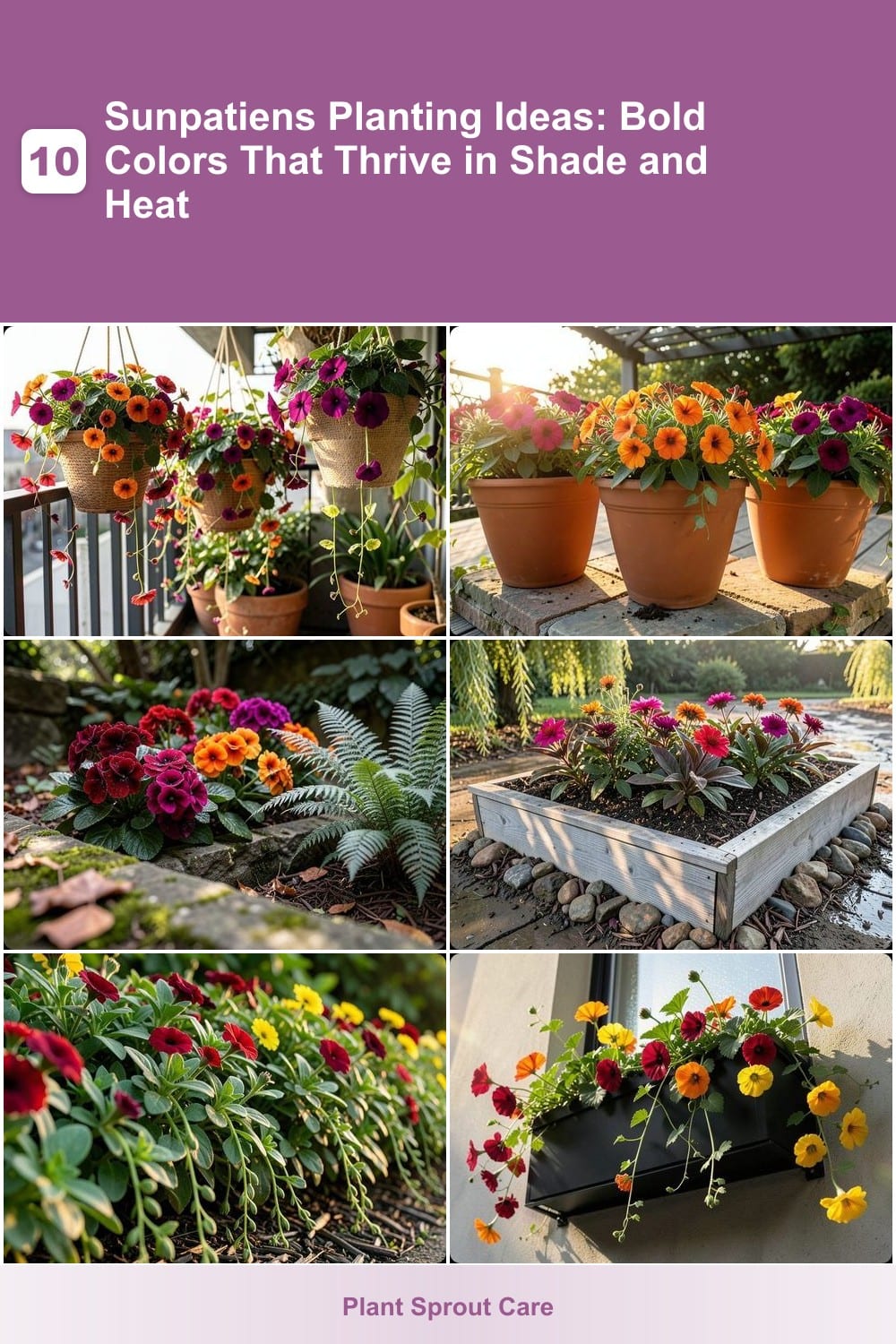
Sunpatiens bring vibrant color to gardens where other plants struggle—whether in deep shade or scorching heat. These 10 creative planting ideas showcase how to maximize their bold hues while ensuring thriving growth year after year.
Sunpatiens in Hanging Baskets for Vertical Gardens
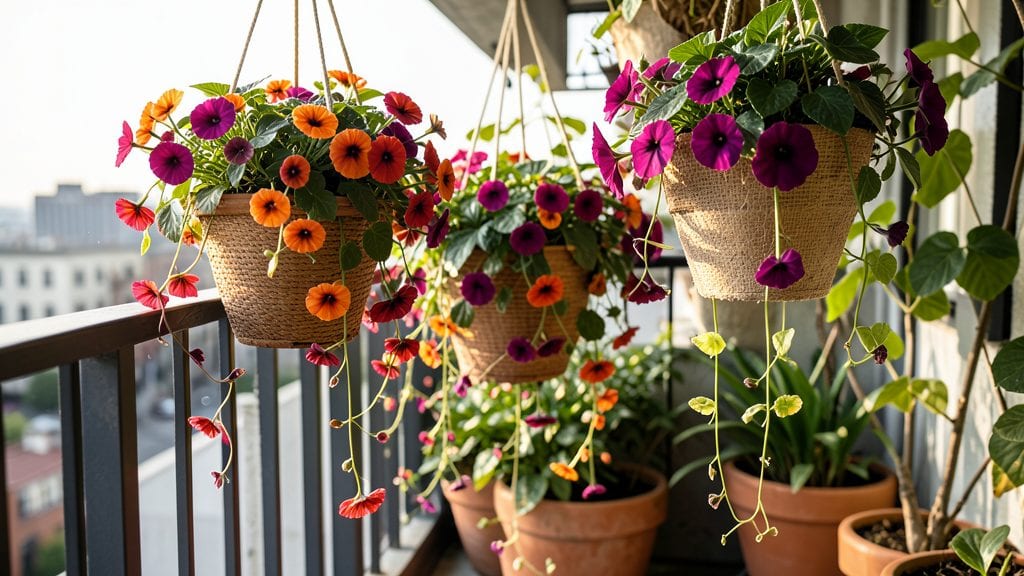
Turn your balcony or tiny patio into a vertical garden oasis with sunpatiens—their trailing vines spill over hanging baskets like nature’s own waterfall of color. This is the perfect solution for urban gardeners with limited square footage, offering instant visual drama without requiring a single square foot of ground space.
Choose terracotta or woven baskets (12-18 inches wide) for ideal drainage, and plant 3-5 sunpatiens per basket to create a lush, cascading effect. Position baskets where they’ll receive 4-6 hours of morning sun—this prevents leaf scorch while keeping blooms vibrant. Feed with a balanced liquid fertilizer every 4-6 weeks to encourage nonstop flowering from spring through fall.
This low-maintenance approach is ideal for renters, city dwellers, and busy gardeners who want color without the upkeep. Plus, the trailing habit softens harsh lines and adds movement to any space. 🌻
Sunpatiens as Container Garden Centerpieces
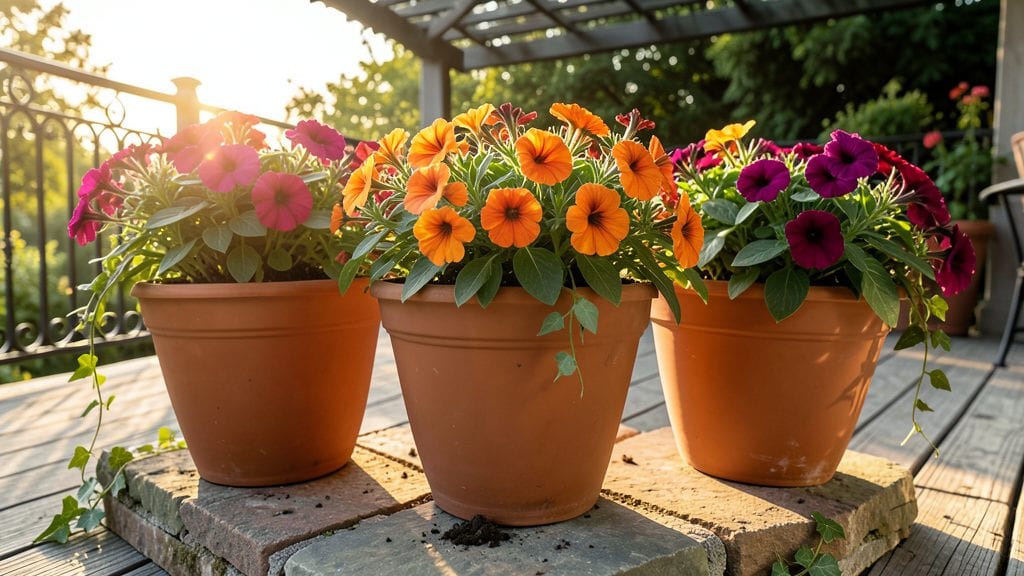
Transform your patio or porch into a year-round color show with sunpatiens as the star of large container gardens. Unlike ground plantings, container-grown sunpatiens let you rotate pots seasonally—moving them to fresh spots prevents disease buildup while keeping blooms vibrant. This simple trick extends their lifespan by up to 30% compared to static plantings.
Opt for oversized pots (18-24 inches wide) with drainage holes to accommodate their spreading roots, and pair them with silver or variegated foliage plants like dusty miller or heuchera for dramatic contrast. Place containers where they’ll receive morning sun and afternoon shade—this protects leaves from scorching while maintaining bloom intensity. Mulch with orchid bark to retain moisture and deter weeds between waterings.
This approach is perfect for renters, small-space gardeners, or anyone who loves seasonal refreshes. The mobility of containers also lets you experiment with color placements—swap out varieties every few months for a constantly evolving display. 🌷
Sunpatiens Mixed with Ferns for Shady Spots
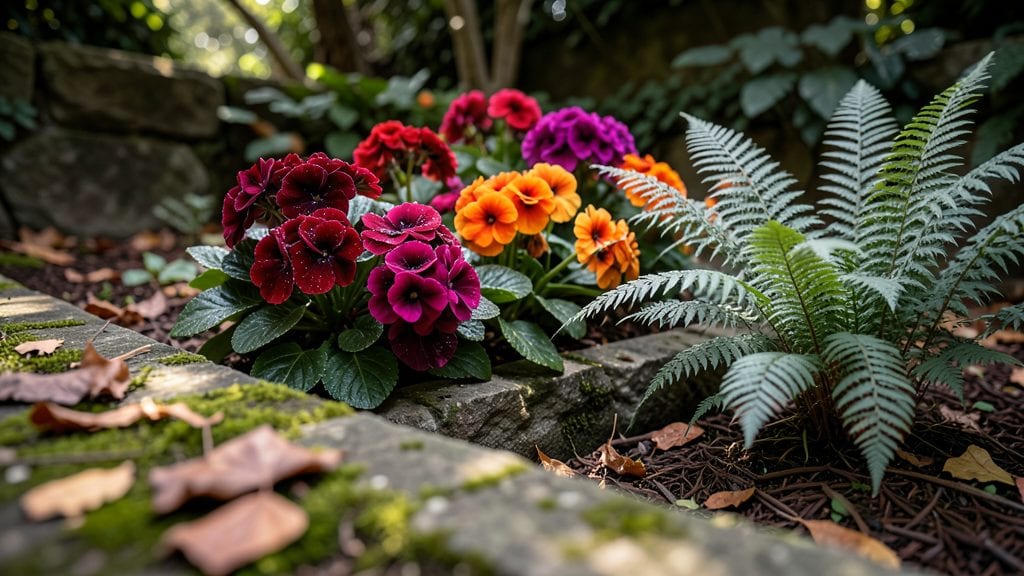
Turn underutilized shady garden corners into vibrant focal points by pairing sunpatiens with ferns—a dynamic duo that thrives where most plants falter. This combination leverages sunpatiens' ability to handle partial shade and heat while ferns provide lush, feathery texture that softens the space. The result? A low-maintenance, year-round display that stays vibrant even when other shade plants wilt.
Plant sunpatiens in clusters along the front of the bed, where their bright blooms (in shades of orange, pink, or purple) will pop against the deep green fronds of ferns like Boston or maidenhair varieties. Use well-draining soil mixed with compost to prevent root rot, and mulch with pine bark to retain moisture while suppressing weeds. For best results, place this combo in 3-6 hours of filtered sunlight daily—enough to keep sunpatiens blooming while protecting ferns from leaf scorch.
This pairing is ideal for shade gardeners, woodland enthusiasts, and urban dwellers with limited sun. The contrast between bold blooms and delicate ferns creates a textured, layered look that feels both wild and refined—perfect for borders, woodland gardens, or even as a backdrop for patios. 🌿
Sunpatiens in Raised Garden Beds for Heat Tolerance
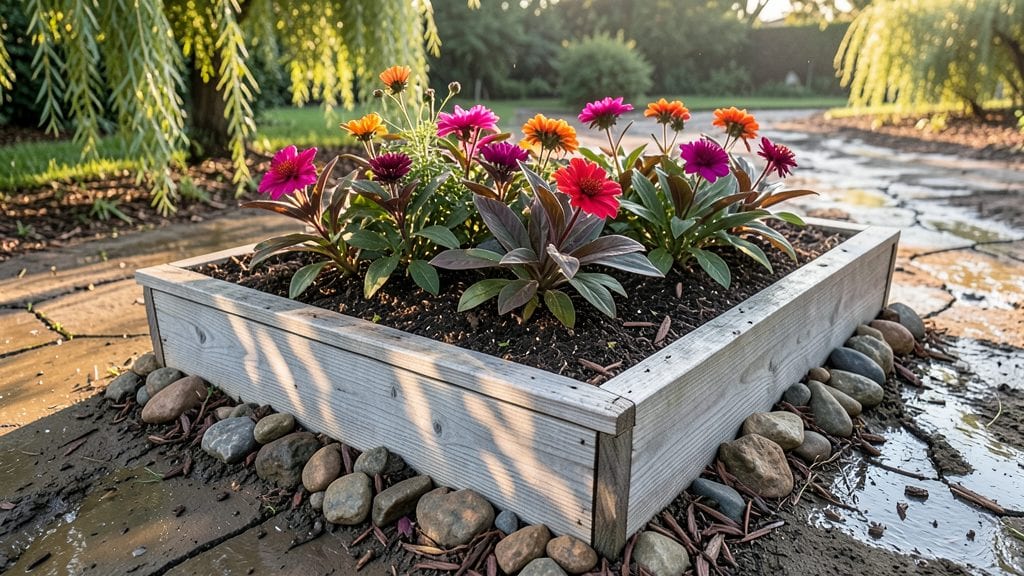
If your garden battles heat waves or heavy clay soil, raised beds are the secret weapon for growing sunpatiens that stay lush and blooming. Unlike ground plantings, elevated beds let you control soil quality and drainage—critical for sunpatiens whose roots can suffer in compacted or waterlogged conditions during summer's peak.
Fill beds with a mix of 50% peat moss, 30% compost, and 20% perlite to create a light, airy medium that mimics their native tropical environment. Space plants 10-12 inches apart to allow airflow, and top with 1-2 inches of mulch (like pine bark) to retain moisture while shielding roots from soil temperature fluctuations. This setup keeps sunpatiens thriving even when afternoon temps hit 90°F+.
This method is perfect for urban gardeners with poor soil or hot-climate regions where traditional in-ground planting fails. The elevated design also makes weeding and fertilizing easier—ideal for gardeners who want stunning blooms with less backbreaking work. 💪
Sunpatiens as Edging Plants for Garden Borders
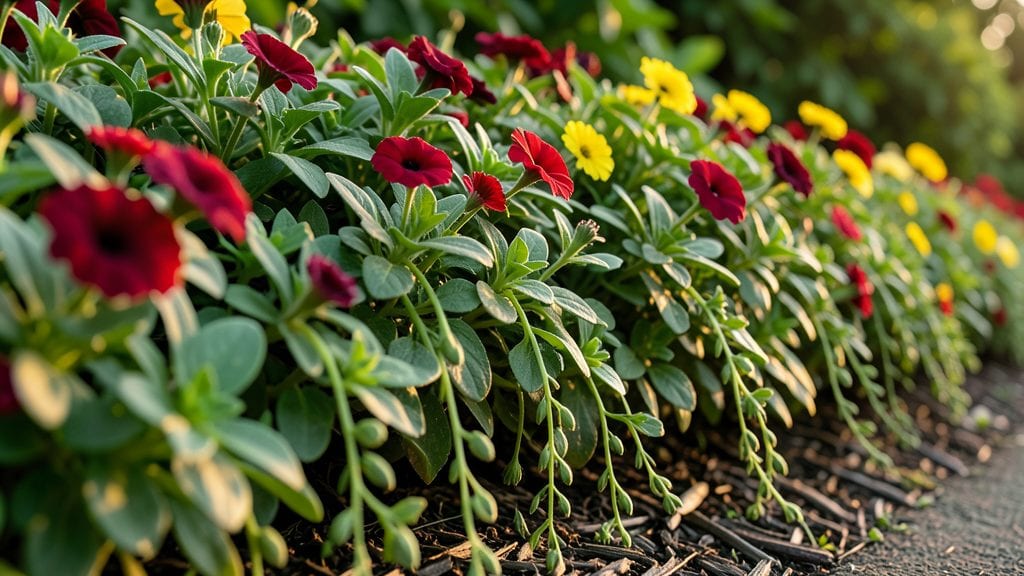
Tired of patchy, weedy garden borders that look unkempt even with regular maintenance? Sunpatiens solve this problem with their compact, trailing habit—creating clean, colorful edges that stay weed-free while requiring minimal trimming. Their dense foliage smothers weeds naturally, so you’ll spend less time pulling unwanted plants and more time enjoying your garden’s polished look.
Choose low-growing varieties like ‘Sunpatiens Discovered’ or ‘Sunpatiens Profusion’ for borders, spacing them 8-10 inches apart along pathways or bed edges. Plant in well-draining soil enriched with compost, and mulch with pine bark to retain moisture while keeping roots cool. Their year-round structure (even if flowers fade in winter) provides a tidy framework that holds up against seasonal changes—perfect for formal or cottage-style gardens alike.
This approach is ideal for homeowners with high-maintenance borders or landscape designers seeking low-fuss, high-impact solutions. The result? A crisp, vibrant edge that frames your garden like a professional’s touch—without the hours of upkeep. ✨
Sunpatiens in Window Boxes for Urban Gardens
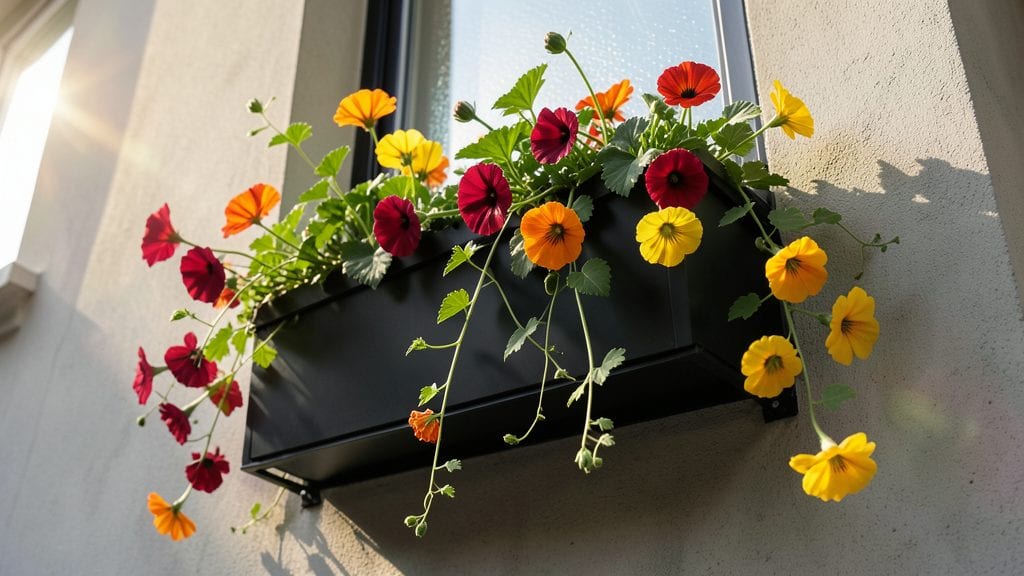
Bring the garden’s cheer indoors with sunpatiens in window boxes—a game-changer for urban dwellers who crave greenery but lack outdoor space. These trailing beauties transform blank walls into living art, their bright blooms reflecting sunlight back into rooms while requiring minimal care. Unlike traditional window box plants, sunpatiens thrive in partial shade to morning sun, making them perfect for north-facing windows or sheltered balconies.
Choose long, narrow window boxes (12-18 inches deep) with drainage holes to accommodate their trailing roots, and plant 3-5 sunpatiens per box for a lush, cascading effect. Use a lightweight potting mix (50% peat moss, 30% compost, 20% perlite) to prevent root rot, and water when the top inch of soil feels dry. For extra drama, pair them with silver-leaved plants like dusty miller or variegated ivy to create striking contrasts.
This setup is ideal for apartment renters, townhouse owners, or anyone who wants instant curb appeal without the upkeep of a full garden. The trailing habit softens urban lines while filling indoor spaces with natural light and color—proof that even small windows can host a thriving garden. 🌱
Sunpatiens with Succulents for Drought-Resistant Gardens
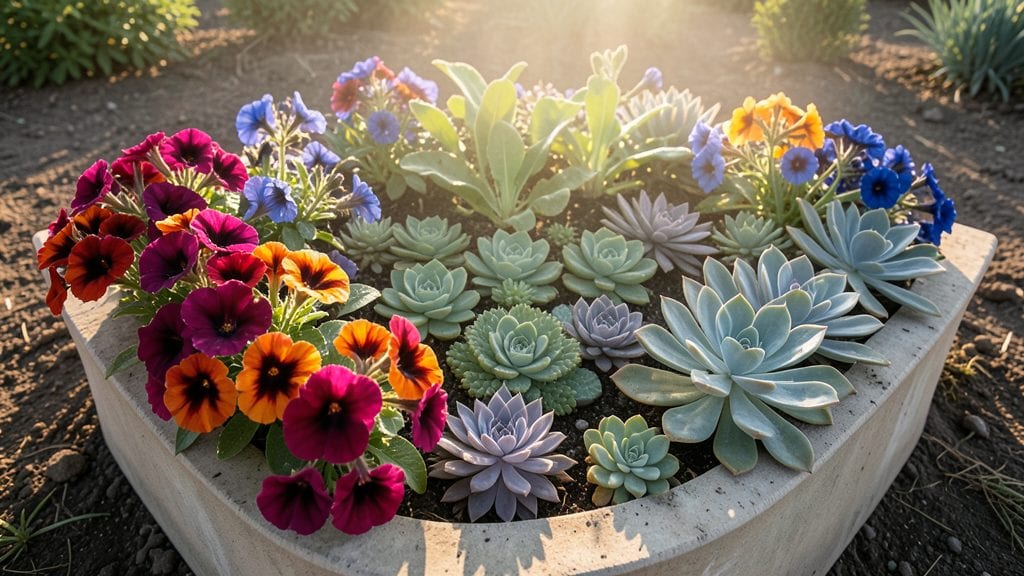
If you live in a hot, dry climate where water conservation is key, this drought-smart combo lets you enjoy sunpatiens' bold blooms without the guilt. The secret? Pairing their moisture-loving roots with succulents' water-storing leaves creates a self-regulating ecosystem that thrives on neglect—perfect for desert landscapes or low-water zones.
Plant sunpatiens in clusters along the front of the bed where they’ll receive morning sun and afternoon shade, while tucking sedum, echeveria, or sempervivum behind them. Use a fast-draining mix (60% cactus soil, 30% perlite, 10% compost) to prevent root rot in sunpatiens while satisfying succulents' needs. Water deeply once every 10-14 days—sunpatiens will signal thirst by wilting slightly, while succulents store moisture for lean periods. The contrast of bright sunpatiens blooms against blue-green succulent rosettes adds striking visual drama to arid spaces.
This pairing is ideal for xeriscapers, desert gardeners, or anyone tired of high-water bills. The sunpatiens provide seasonal color while succulents anchor the design with year-round structure—all while cutting water use by up to 70%. 🌻
Sunpatiens in Tiered Planters for Layered Displays
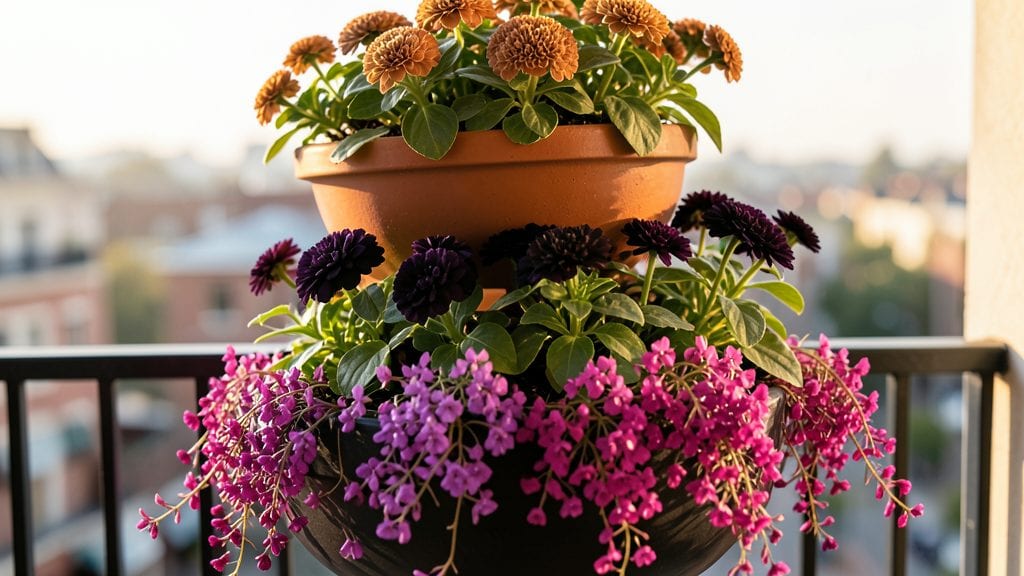
Want to turn a small patio or balcony into a dramatic, multi-level garden without sacrificing square footage? Tiered planters are the secret weapon for showcasing sunpatiens in a way that feels luxurious and intentional. This vertical approach lets you display their varied heights—from compact mounds to trailing varieties—while creating depth that flat containers simply can’t match.
Start with a three-tiered stand (wooden or metal) and plant the tallest varieties—like ‘Sunpatiens Profusion’—in the top tier, where they’ll spill over dramatically. Fill the middle with medium-height types (such as ‘Sunpatiens Discovered’) and the bottom with trailing varieties to soften edges. Use well-draining potting mix with added perlite to prevent waterlogging, and place the planter where it gets morning sun and afternoon shade for optimal bloom performance. Rotate the planter every few weeks to ensure even growth.
This setup is perfect for urban gardeners, small-space enthusiasts, or anyone who loves a polished, high-impact look. The layered display draws the eye upward, making even the smallest area feel like a curated garden masterpiece. 🌿
Sunpatiens with Hostas for Shaded Perennial Beds
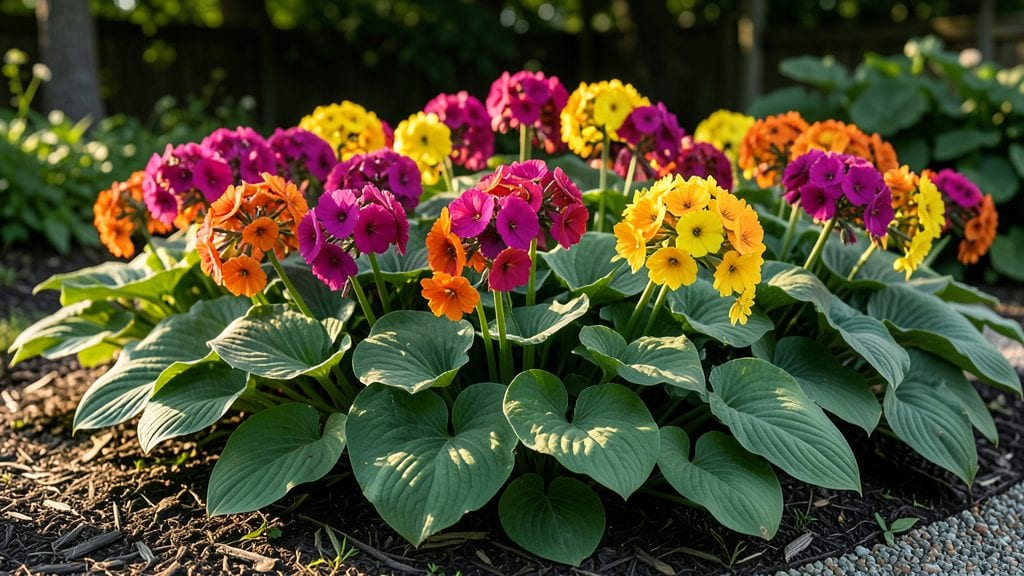
Struggling to find plants that thrive in partially shaded perennial beds? The sunpatiens and hostas combo solves this problem by blending heat tolerance with shade-loving resilience. This dynamic duo creates a year-round interest bed where sunpatiens provide vibrant blooms in summer while hostas offer lush foliage in winter.
Plant hostas (like ‘Blue Angel’ or ‘Halcyon’) in the back of the bed for their bold, textured leaves, then tuck sunpatiens (in shades of purple, pink, or orange) along the front or edges. Use well-draining soil mixed with compost and mulch with pine bark to retain moisture. This pairing thrives in 3-6 hours of dappled sunlight daily, making it perfect for under trees or along north-facing walls.
Ideal for shade gardeners, woodland enthusiasts, and low-maintenance lovers, this combination delivers four-season beauty with minimal fuss. The contrast between sunpatiens' bright blooms and hostas' deep green foliage creates a stunning, layered look that feels both wild and refined. 💚
Sunpatiens in Fire Pits Surround for Heat-Loving Gardens
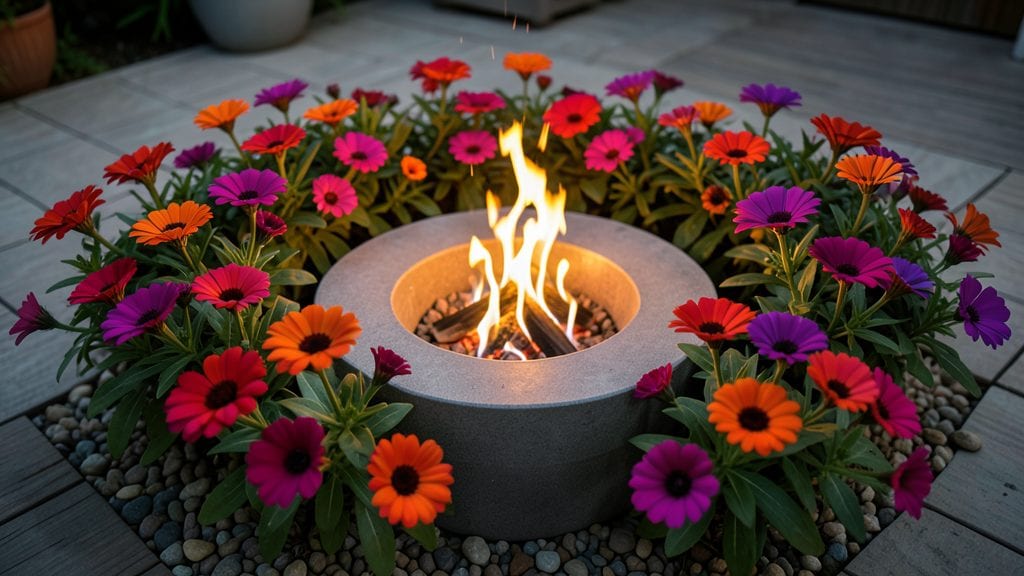
Create a heat-proof oasis around your fire pit where most plants would wither—sunpatiens thrive in the intense heat radiating from fire pits, offering bold color that stays vibrant even under scorching conditions. Their ability to handle reflected heat makes them the perfect choice for outdoor living spaces where other annuals would crisp and die.
Plant sunpatiens in clusters around the perimeter of your fire pit area, using well-draining soil mixed with compost to prevent heat stress. Choose heat-tolerant varieties like ‘Sunpatiens Profusion’ or ‘Sunpatiens Discovered’ for their ability to withstand afternoon sun exposure while still producing abundant blooms. Water deeply once or twice weekly (depending on your climate) to encourage strong root growth, and mulch with gravel or pine bark to insulate roots from extreme temperature fluctuations.
This approach is perfect for entertaining gardeners who want a lush, colorful backdrop that enhances evening gatherings. The combination of firelight and sunpatiens’ vibrant blooms creates a magical ambiance that lasts well into the night. 🌟