Size
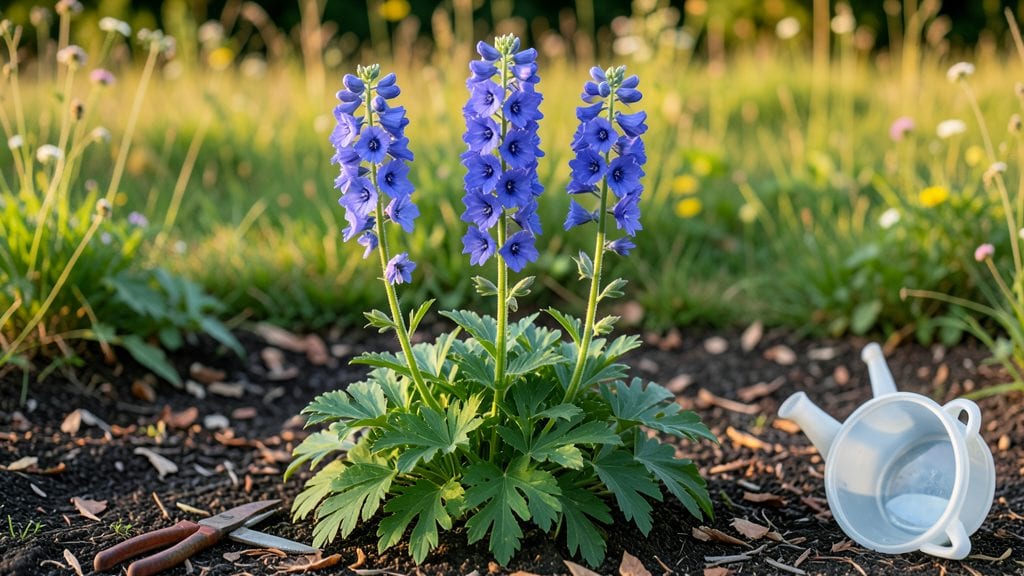
Creating a vertical privacy screen with tall garden plants in just three years is easier than you think—and it transforms your yard from an open space to a lush, secluded retreat.
I learned this the hard way after struggling with flimsy fences and invasive vines that took forever to fill out. Now my backyard feels like a hidden garden oasis, all thanks to the right mix of fast-growing, towering plants.
The secret lies in choosing plants that grow 6 to 12 feet tall and thrive in your climate, like bamboo, arborvitae, or sunflowers for seasonal height. You’ll need 3 to 5 plants per 4-foot section of fence or border, spaced about 3 feet apart to allow airflow and prevent disease.
Most of these plants start small but shoot up quickly—some even double in height within a single growing season.
By year three, you’ll have a living wall that blocks nosy neighbors, cuts wind, and adds drama to your landscape. Imagine morning coffee surrounded by rustling leaves instead of peering eyes—it’s a game-changer for outdoor comfort.
The best part? These plants also attract birds, butterflies, and beneficial insects, turning your privacy screen into a mini ecosystem.
Works for any yard size, from tight urban spaces to sprawling backyards. The key is picking the right plants for your sunlight and soil—here’s how to nail it without the guesswork.
📚 In This Guide
- What you need
- Instructions
- Tips and common mistakes
- Wrapping up and next steps
What you need
- ● Tall plants (3–6 ft mature height): 6–10 plants (depending on desired density; e.g., Bamboo, Arborvitae, or Holly)
- ● 1–2 Fast-growing varieties (e.g., Leyland Cypress) for quicker results
- ● Soil & amendments: 50 lbs High-quality garden soil or Potting mix (for containers)
- ● 10 lbs Compost or organic matter (to boost nutrients)
- ○ Optional: Slow-release fertilizer (e.g., 10-10-10, 1 lb per plant)
- ● Planting supplies: Garden gloves (1 pair)
- ● Trowel or spade (for digging)
- ● Watering hose or can (with adjustable nozzle)
- ● Mulch (e.g., Shredded bark or pine straw, 2–3 bags)
- ● Container gardening? 3–5 Large pots (15+ gallons each) with drainage holes
- ● Support structures: Trellises, stakes, or wire mesh (if training vines like Clematis)
- ● Erosion control: Landscape fabric (to suppress weeds under plants)
- ● Pruning tools: Bypass pruners or loppers (for shaping as plants grow)
- ● Decorative touch: Garden stakes or plant labels (for a polished look)
Instructions for designing a vertical privacy screen with tall garden plants
Here's how I create a lush, functional screen that grows taller each year while requiring minimal maintenance.
Select Fast-Growing, Privacy-Focused Plant Species
For a 3-year privacy screen, I choose a mix of evergreens and deciduous plants that grow 8-12 feet tall within that timeframe. Arborvitae (Thuja occidentalis) and Leyland cypress (× Cupressocyparis leylandii) are my go-to evergreens—they grow 3-4 feet per year and maintain dense foliage year-round. For deciduous options, I plant **river birch (Betula nigra) or sassafras (Sassafras albidum), which grow 2-3 feet annually and provide seasonal interest.
Spacing is critical—plant evergreens 4-6 feet apart and deciduous trees 6-8 feet apart to allow for mature width. I always sketch a layout first, marking each plant's mature height and spread to ensure full coverage. Avoid planting too close to sidewalks or driveways, as roots can disrupt hardscapes over time.
Prepare the Soil and Planting Sites
Before planting, I test the soil pH and amend it if necessary. Most tall privacy plants prefer slightly acidic to neutral soil (pH 6.0-7.0). If your soil is heavy clay, I mix in 2-3 inches of compost and a slow-release fertilizer (like 10-10-10) into the planting hole to encourage root establishment. For sandy soil, I add 1 part peat moss to 2 parts native soil to improve moisture retention.
Dig holes twice as wide as the root ball but only as deep as the container. This prevents burying the trunk too deeply, which can cause rot. Place each plant in the hole, ensuring the top of the root ball sits level with the surrounding soil. Backfill with native soil, tamping gently to remove air pockets. Water deeply to settle the soil around the roots.
Water and Mulch for Initial Establishment
After planting, I water each tree deeply for 10-15 minutes to encourage roots to spread into the surrounding soil. For the first 30 days, I water every 2-3 days to keep the soil moist but not soggy. Overwatering at this stage can suffocate roots, while underwatering stresses young plants. I check moisture by sticking my finger 2 inches into the soil—if it feels dry, it’s time to water.
Apply a 3-inch layer of mulch (like shredded bark or pine straw) around the base of each plant, keeping it 6 inches away from the trunk to prevent rot. Mulch conserves moisture, regulates soil temperature, and suppresses weeds. Replenish mulch annually in late winter to maintain its protective layer. Avoid using fresh wood chips, as they can draw nitrogen from the soil and stunt growth.
Provide Support and Prune for Structure
In the first year, I install stakes or tree guards for taller species like Leyland cypress to prevent wind damage. Use soft ties (like tree straps or old pantyhose) to secure the plant to the stake without girdling the trunk. Prune only to remove dead, diseased, or crossing branches—avoid heavy pruning in the first year, as it stresses young plants. I make cuts just outside the branch collar to promote faster healing.
For evergreens, I focus on shaping the top in the second year to encourage bushier growth. Trim back 1/3 of the new growth after the first flush of spring growth to stimulate branching. For deciduous trees, I prune in late winter or early spring before buds break to redirect energy into root and trunk development.
Monitor Growth and Adjust Care Annually
By the second year, your screen should show noticeable height gains—evergreens will fill in, while deciduous trees will develop a stronger canopy. I fertilize in early spring with a balanced, slow-release fertilizer to support rapid growth. For arborvitae, I use 1/2 pound of 12-12-12 per 100 square feet of planting area; for birch, I opt for organic compost tea to avoid salt buildup.
Watch for signs of stress, like yellowing leaves (often a watering issue) or sparse foliage (possible nutrient deficiency). Adjust care accordingly—evergreens may need more frequent watering in hot climates, while deciduous trees might benefit from a light application of iron sulfate if leaves appear pale. With consistent care, your screen will reach full privacy height in 3 years or less**.
Tips & tricks for perfect tall garden privacy screens
Creating a lush, functional privacy screen takes thoughtful planning—here are the key strategies that ensure your tall plants thrive and grow quickly to their full potential.
Plant Selection Strategy: When choosing between evergreens like arborvitae and deciduous options like river birch, consider your climate and sunlight exposure. Evergreens provide year-round privacy but may need slightly more frequent watering in hot summers, while deciduous trees offer seasonal interest and can handle drier conditions better. For maximum coverage, I recommend planting a mix—evergreens for the bottom 2/3 of your screen and deciduous trees for the top 1/3 where they'll develop their canopy.
Soil Preparation Insight: The 2-3 inches of compost and slow-release fertilizer you mix into heavy clay soil isn't just about nutrients—it's about creating the right texture for root expansion. Clay soil can become compacted, restricting root growth. The compost acts like a sponge, improving both drainage and moisture retention. For sandy soils, the peat moss-to-native soil ratio creates tiny pockets that hold water longer, which is crucial during those first 30 days of establishment when roots are most vulnerable to drying out.
Watering Technique: Those 10-15 minutes of deep watering after planting aren't just about hydration—they're about encouraging roots to spread outward rather than staying concentrated in the planting hole. I use a hose with a gentle spray attachment to avoid displacing soil while ensuring water penetrates at least 6 inches deep. The finger-check method for moisture (2 inches deep) is more reliable than relying on a schedule, as soil conditions vary dramatically by season and weather patterns.
Pruning Timing: The first-year pruning focus on dead or crossing branches might seem minimal, but it's absolutely critical. Removing just those problematic branches allows the plant to direct all its energy into establishing a strong root system and developing a sturdy trunk. In the second year, when you trim back 1/3 of the new growth on evergreens, you're actually stimulating bushier growth—this technique creates more branching points where foliage will develop, accelerating that 3-4 feet of annual growth you're aiming for.
Pro Tips for Tall Garden Plants
- Creating a lush, functional privacy screen takes thoughtful planning—here are the key strategies that ensure your tall plants thrive and grow quickly to their full potential.
- Plant Selection Strategy: When choosing between evergreens like arborvitae and deciduous options like river birch, consider your climate and sunlight exposure.
- Soil Preparation Insight: The 2-3 inches of compost and slow-release fertilizer you mix into heavy clay soil isn't just about nutrients—it's about creating the right texture for root expansion.
Frequently asked questions
Got questions about creating a lush, tall garden privacy screen?
You’re not alone! Here are some of the most common queries—and their answers—to help you get started with confidence.
How fast can tall garden plants grow to provide privacy?
Most fast-growing tall plants, like Bamboo or Leyland Cypress, can reach 6–12 feet in just 3–5 years. For quicker results, opt for hybrid varieties or layer plants of different growth rates (e.g., start with shrubs and add vines later). Patience pays off—consistent watering and soil care speed up the process!
Do tall garden plants need full sun, or can they grow in shade?
It depends! Sun-loving plants like Holly or Arborvitae thrive in 6+ hours of sunlight, while Hydrangeas or Ferns prefer partial shade. Check the plant tag for light requirements—mismatches can stunt growth. If your space is shady, choose shade-tolerant evergreens or climbers like Clematis for vertical appeal.
What’s the best alternative if I don’t want to plant trees or shrubs?
No problem! Try Fast-growing vines (e.g., Wisteria, Jasmine) on trellises or Tall ornamental grasses (like Pampas Grass) for texture. For a living wall, stack Herbs (e.g., Rosemary) or Succulents in planters. These options add height without the commitment of permanent plants.
How do I prevent tall plants from blocking sunlight to my yard?
Strategic placement is key! Space plants 3–5 feet apart to allow airflow and light penetration. Use Deciduous trees (like Silver Maple) if you want seasonal shade—leaves drop in winter, letting sunlight return. Trim overgrowth annually to maintain balance, and avoid planting dense screens directly against windows.
Will tall garden plants survive winter in cold climates?
Many evergreens (e.g., Pine, Boxwood) handle frost, but tender plants like Bamboo may need mulching or windbreaks. Research cold-hardy varieties for your USDA zone (e.g., Emerald Green Arborvitae tolerates down to -30°F). Wrap young plants in burlap if early frosts are expected—just remove it once growth resumes in spring!
Still unsure? Drop a comment below—we’re happy to help tailor your tall garden dream to your space!
Wrapping up and next steps
Transforming your yard into a lush, private oasis with tall garden plants is totally doable—even in just three years! 🌿 From fast-growing bamboo to elegant sunflowers, these vertical giants offer both beauty and functionality while keeping your space cozy and serene.
Whether you're a seasoned gardener or a beginner, the key is patience, planning, and a little creativity.
Ready to take the next step? Sketch your dream layout, gather your materials, and start planting—your future privacy screen is just a season away! 🌱 For extra inspiration, explore local nurseries or online plant communities to find the perfect tall companions for your garden.