
Landscaping
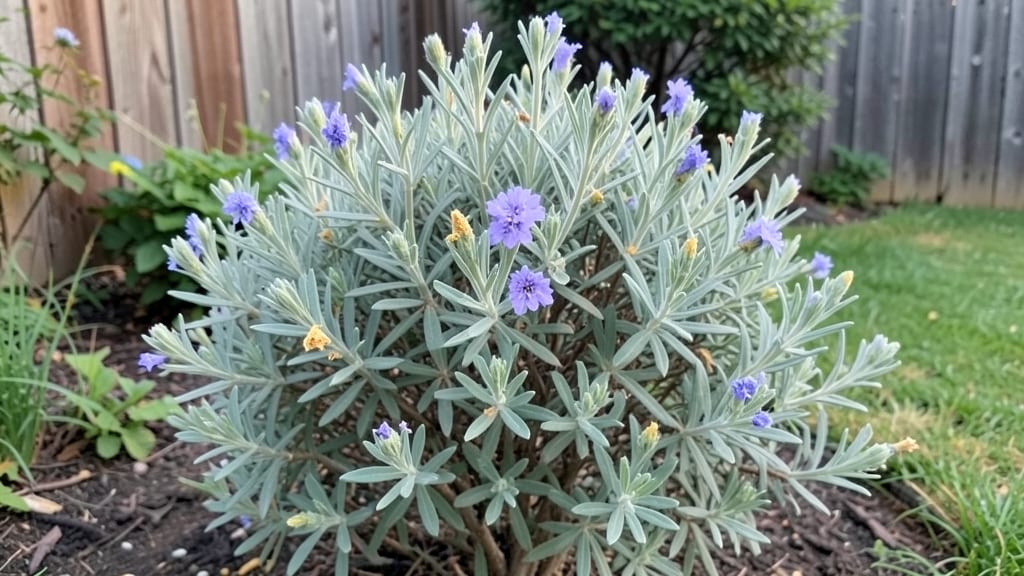
Texas native plants landscaping isn't just about surviving the heat—it's about creating a garden that looks stunning while barely needing water once established. 🌿 I remember my first attempt with non-native plants: wilting by July, dead by September. Swapping to native species changed everything.
These plants evolved to handle Texas’s brutal summers and unpredictable rains, so they demand less fuss and deliver more beauty. Think Texas sage with its purple blooms, yaupon holly for year-round structure, or blackfoot daisies that carpet the ground in white.
The right mix turns your yard into a low-water oasis that thrives even when others struggle.
You’ll end up with a landscape that stays lush through droughts, attracts pollinators, and cuts your water bill by up to 70%. The best part? Once planted, these gardens practically take care of themselves—no more weekly watering or chemical treatments.
Let’s make your yard the envy of the neighborhood without the work.
Works for any Texas climate—coastal, hill country, or urban heat islands. The key is matching plants to your microclimate, and I’ll show you exactly how to do it right the first time.
📚 In This Guide
- What you need
- Instructions
- Tips and common mistakes
- Wrapping up and next steps
What you need
- ● Texas Native Plants (5–10+ varieties): 1–2 Asclepias asperula (Antelope Horn Milkweed) – 3–5 plants
- ● 1 Bouteloua dactyloides (Buffalo Grass) – 50 sq. ft. sod or plugs
- ● 3–5 Salvia greggii (Autumn Sage) – 1-gallon pots each
- ● 2–3 Yucca rupicola (Spinless Yucca) – 3–5 gallon pots
- ● 1 Prosopis glandulosa (Honey Mesquite) – 1–2 small trees (15–20 ft. mature height)
- ○ Optional: Echinacea purpurea (Purple Coneflower) – 3–5 plants for color
- ● Soil Amendments: 50 lbs. compost (for enriching native soil)
- ● 20 lbs. mulch (cypress or cedar chips – 2–3 inches deep)
- ● Irrigation Supplies: 1–2 drip irrigation kits (with ¼" tubing and emitters)
- ○ 1 rain barrel (50+ gallons, optional but eco-friendly!)
- ● Sunlight & Soil: Test soil pH (aim for 6.0–7.5); most Texas natives thrive in full sun (6+ hours/day).
- ● Water Access: Ensure a water source for initial planting (drip systems reduce long-term needs!).
- ● Local Regulations: Check HOA rules or city ordinances on native plant landscaping (some areas offer rebates!).
- ● Season Timing: Plant in fall or early spring (avoid peak Texas heat!).
Step-by-Step guide to designing a Texas native plants landscape
Here’s how to create a low-maintenance, water-wise yard that celebrates Texas’ natural beauty.
🌱 Step 1: Assess Your Space and Sun Exposure
Start by mapping your yard into zones based on sunlight. Texas landscapes typically feature full sun (6+ hours), partial shade (3-6 hours), and full shade (less than 3 hours). Use a tape measure to mark boundaries and note where morning sun fades into afternoon shade—this determines where drought-tolerant plants like Texas sage or yucca will thrive.
Walk your property at different times of day (especially midday) to identify microclimates. A north-facing wall might stay cooler, allowing moisture-loving natives like eastern red columbine to flourish, while exposed west-facing areas need heat-loving blackfoot daisy or mexican feathergrass. Sketch your zones on paper—this ensures you’ll group plants with similar light needs together.
🌿 Step 2: Select Plants for Each Zone
Choose plants based on your mapped zones, prioritizing those with deep root systems to conserve water. For full sun areas, opt for Texas native grasses like buffalograss or blue grama, which require minimal irrigation once established. Pair them with shrubs like Texas mountain laurel or cenizo for year-round structure and wildflower color.
In partial shade, incorporate turk’s cap or crossvine for vibrant blooms and east Texas sedge for texture. For full shade, focus on Virginia creeper or Texas betony, which tolerate drier soils. I always include at least one pollinator magnet like bluebonnet or mexican hat to support local ecosystems—these plants also self-seed, reducing future maintenance.
💧 Step 3: Prepare Soil and Plant Strategically
Amend heavy clay soils with 2-3 inches of compost (available at local nurseries) to improve drainage without increasing moisture retention. Texas native plants evolved in lean soils, so avoid over-fertilizing—this encourages weak growth and attracts pests. Use a shovel to loosen soil to a depth of 12 inches in planting areas, breaking up compacted layers to encourage root penetration.
Plant in clusters of 3-5 rather than single specimens to mimic natural groupings. Dig holes twice as wide as the root ball but no deeper—this prevents stem burial, which can cause rot. Water each plant deeply before backfilling to eliminate air pockets. I space shrubs 3-5 feet apart and perennials 18-24 inches apart to allow airflow and reduce disease risk.
☀️ Step 4: Install Drip Irrigation and Mulch
Set up a drip irrigation system with emitters spaced 12-18 inches apart along planting beds. Run lines on the surface to avoid cutting roots later. Water deeply 2-3 times per week for the first 3 months to establish roots, then taper to once every 2 weeks once plants are established. Texas natives hate soggy feet—ensure your system has a timer to prevent overwatering.
Apply 2-3 inches of mulch (like cedar chips or native leaf litter) around plants, keeping it 2 inches away from stems to prevent rot. Mulch locks in moisture, regulates soil temperature, and suppresses weeds—critical in Texas’ intense summers. Replenish mulch annually as it breaks down, focusing on areas with high foot traffic or exposed roots.
✂️ Step 5: Maintain with Minimal Effort
Prune Texas mountain laurel and cenizo in late winter to shape and remove dead growth, but avoid heavy cuts—these plants bloom on old wood. For grasses like buffalograss, mow to 3-4 inches in late spring to encourage dense growth and drought resistance. Remove spent blooms from wildflowers like bluebonnet only after seeds have dispersed to support pollinators.
Fertilize only if leaves show nutrient deficiencies (like yellowing)—native plants rarely need supplements. Instead, top-dress with 1 inch of compost annually in early spring. Monitor for pests like aphids on new growth, but most Texas natives are pest-resistant. A strong spray of water usually dislodges them without chemicals.
Tips & tricks for perfect Texas native plants landscaping
Creating a thriving Texas native landscape takes more than just planting—it's about understanding the subtle details that make these plants truly resilient. Here's what I've learned to ensure your yard becomes a low-maintenance, water-wise masterpiece.
Light Mapping is Non-Negotiable: In Step 1, that 3-6 hour partial shade zone isn't just a suggestion—it's the difference between thriving Texas mountain laurel and struggling specimens. I've seen too many people eyeball shade areas only to discover their plants struggling by summer. Use a solar pathfinder tool or simply track sunlight patterns for a week. The afternoon sun in Texas is intense—position your moisture-loving plants like eastern red columbine where they'll get morning sun but afternoon shade.
Root Depth Matters More Than You Think: When preparing your soil in Step 3, don't just scratch the surface. Those 12 inches of loosened soil create the perfect environment for deep-rooted natives like cenizo to establish themselves properly. I've found that using a broadfork (a digging tool) instead of a shovel breaks up compaction more effectively while preserving soil structure. This single step dramatically improves water penetration and root growth.
Mulch Application Technique: The 2-3 inches of mulch in Step 4 isn't just for looks—it's a critical moisture barrier. The key is maintaining that 2-inch clearance from stems to prevent rot. I recommend using cedar chips not only for their moisture retention but because they naturally repel pests. For larger shrubs, create a donut-shaped mulch ring—this directs water to the root zone while keeping stems dry. Replenish annually, especially in high-traffic areas where mulch breaks down faster.
Watering Psychology: That 2-3 times per week schedule in Step 4 might seem excessive, but it's crucial for the first 3 months. The goal is to encourage deep root growth, not just surface hydration. I've seen many gardeners give up too soon, thinking their plants aren't thriving when they're actually just not getting enough water during their critical establishment period. Consider using a moisture meter to verify soil moisture—aim for the "damp but not soggy" zone.
Pro Tips for Texas Plants Landscaping
- Creating a thriving Texas native landscape takes more than just planting—it's about understanding the subtle details that make these plants truly resilient.
- Light Mapping is Non-Negotiable: In Step 1, that 3-6 hour partial shade zone isn't just a suggestion—it's the difference between thriving Texas mountain laurel and struggling specimens.
- Root Depth Matters More Than You Think: When preparing your soil in Step 3, don't just scratch the surface.
Frequently asked questions
Got questions about transforming your Texas yard with native, drought-resistant plants? You’re not alone! Here are answers to the most common queries to help you get started with confidence.
What are the easiest Texas native plants for beginners?
Start with low-maintenance stars like Texas Sage (Leucophyllum frutesens), Blackfoot Daisy (Melampodium leucanthum), or Buffalo Grass (Bouteloua dactyloides). These thrive in heat, require minimal water, and attract pollinators—perfect for first-timers!
When is the best time to plant Texas native landscaping?
Plant in early spring (March–April) or fall (September–October) to avoid extreme heat or cold. Avoid summer planting—Texas’ scorching temps can stress young plants. Fall is ideal for perennials and shrubs.
How much water do Texas native plants really need?
Once established (after 1–2 years), most natives need only 1 inch of water per week, including rainfall. During droughts, deep watering every 2–3 weeks keeps roots happy. Mulch (2–3 inches) locks in moisture and reduces evaporation.
Can I mix Texas natives with non-native plants?
Yes! Pair natives like Yaupon Holly (Ilex vomitoria) with drought-tolerant non-natives such as Lantana or Salvia. Just ensure all plants share similar water/sun needs. Avoid high-water users like fescus grass—they’ll compete with your natives.
What pests should I watch for in Texas native landscapes?
Common culprits include aphids, scale insects, and squirrels (they love acorns from live oaks!). Use neem oil or insecticidal soap for pests, and install mesh barriers for critters. Native plants are naturally resilient—pests rarely become a major issue!
Are Texas native plants more expensive than traditional landscaping?
Not necessarily! While some natives (like Texas Mountain Laurel) may cost more upfront, their low water/fertilizer needs save money long-term. Check local nurseries for affordable options—many sell native plants at lower prices than box-store alternatives.
How do I prepare my soil for Texas native landscaping?
Test your soil’s pH (most natives prefer 6.0–7.5) and amend with compost if needed. Avoid heavy fertilizers—natives thrive in poor soil. Loosen compacted areas and mulch to improve drainage and retain moisture.
Wrapping up and next steps
Transforming your Texas landscape with native plants isn’t just about beauty—it’s about creating a resilient, low-maintenance oasis that celebrates the Lone Star State’s unique charm. From hardy Texas Sage to vibrant Bluebonnets, these plants offer year-round appeal while conserving water and supporting local ecosystems. 🌵✨
Ready to dive in? Start small—pick one or two native plants to test in your yard, or sketch a rough layout inspired by the examples above. Before you know it, your outdoor space will be a thriving, drought-proof masterpiece that turns heads (and maybe even wins neighborhood bragging rights!).