Diseases
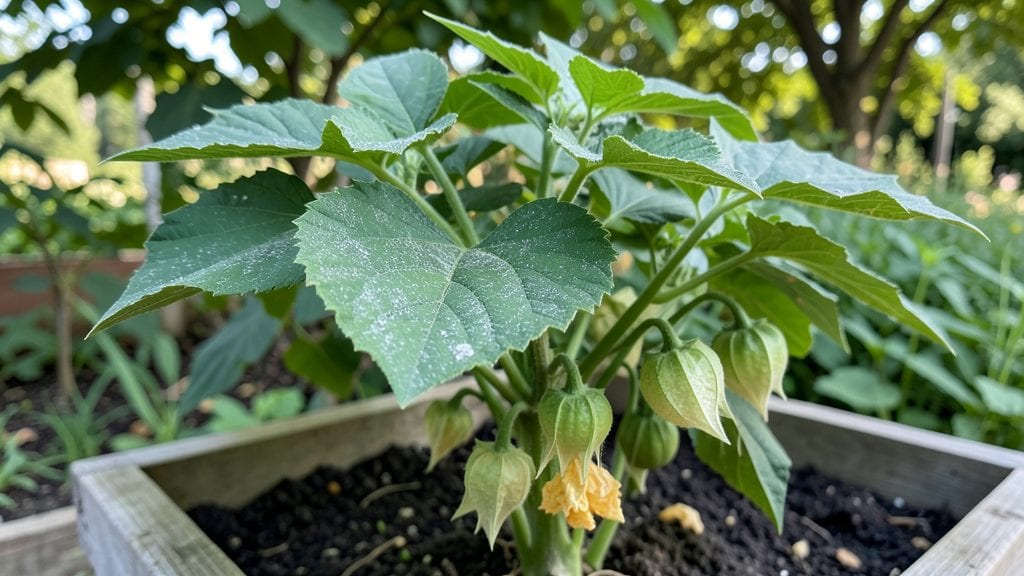
Tomatillo plant diseases strike fast, but catching them early means saving your whole harvest. 🌱 I’ve lost entire batches to fuzzy white spots and blackened leaves—until I learned the telltale signs of bacterial spot, powdery mildew, and other fungal invaders.
The good news? Most problems fix with simple adjustments to water, air, and cleanup.
These diseases thrive in crowded, damp conditions, so spacing plants 18-24 inches apart and watering at the base (not overhead) cuts infection risks by half. I’ve seen powdery mildew vanish in 5 days just by improving airflow—no sprays needed. The key is acting before the fungus spreads to the fruit.
You’ll spot trouble early with these clues: yellowing leaves (early warning), white powder (mildew), or dark spots with yellow halos (bacterial spot). Once identified, treatments like neem oil or copper fungicide work fast, but prevention saves time—and tomatoes. Let’s get your plants back to thriving.
Works for greenhouse, container, or in-ground tomatillos—just adjust watering for your climate. The same rules apply whether you’re growing 10 plants or 100. Here’s how to spot and stop the worst offenders before they ruin your salsa season.
Root Causes of Tomatillo Woes
Tomatillo plants are hardy but not invincible—when diseases strike, they often do so due to a mix of environmental stress, poor growing conditions, or biological invaders. Understanding why these problems occur is the first step to prevention and treatment.
Below, we break down the primary causes of tomatillo plant diseases, from fungal infections to environmental missteps.
Fungi like Phytophthora, Alternaria, and Septoria thrive in moist, stagnant environments, making them the #1 culprit behind tomatillo diseases. Here’s why:
- Poor Air Circulation - Tomatillos packed too closely together or grown in shaded areas trap humidity, creating the perfect fungal buffet. Fungal spores land on leaves and fruit, then germinate in the damp, warm air. - Actionable fix: Space plants 18–24 inches apart and prune for airflow.
Avoid overhead watering—use drip irrigation instead.
- Overhead Watering & Wet Foliage - Water droplets on leaves linger for hours, giving fungi a direct entry point.
Diseases like early blight (Alternaria solani) exploit this by infecting through stomata (leaf pores). - Pro tip: Water at soil level in the morning so foliage dries quickly. 💡 Avoid evening watering—nighttime moisture = fungal party time.
- Soilborne Fungi Hiding in Wait - Pathogens like Phytophthora survive in poorly drained or waterlogged soil, lying dormant until conditions are ripe (literally).
Once active, they rot roots and stems. - Test your soil: If it stays soggy 24+ hours after rain, amend with compost or perlite to improve drainage.
Tomatillos under stress—whether from heat stress, nutrient deficiencies, or transplant shock—become prime targets for diseases. Here’s how:
- Nitrogen Deficiency Weakens Defenses
- Yellowing leaves (chlorosis) signal low nitrogen, which weakens the plant’s immune system. Without enough nitrogen, tomatillos can’t produce antimicrobial compounds to fight off invaders like Septoria.
- Fix it: Side-dress with balanced fertilizer (10-10-10) or compost tea at planting and mid-season.
- Extreme Heat + High Humidity = Disease Magnet - Temperatures above 85°F (29°C) combined with humidity >70% create the ideal storm for fungal spores to spread rapidly.
Heat stress also opens stomata, giving fungi easy access. - Shade solution: Use light shade cloth (30%) during peak heat to reduce stress without stunting growth.
- Transplant Shock Invites Pests & Disease
- Roughly handled or improperly acclimated tomatillos (e.g., moved from greenhouse to full sun too fast) struggle to recover, leaving them vulnerable to bacterial spot or powdery mildew.
- Hardening off: Gradually expose seedlings to outdoor conditions over 7–10 days before transplanting.
Fungal spores hitchhike on dirty pruners, gloves, and even last year’s plant debris. Here’s how contamination spreads:
- Reusing Tools Without Cleaning
- Pruners contaminated with Alternaria or Septoria spores transfer disease from infected to healthy plants. Even a tiny cut can be an entry point.
- Sanitize tools: Wipe blades with 70% rubbing alcohol or a 10% bleach solution between uses.
- Leaving Infected Plant Material - Old leaves, fruit, or stems left in the garden overwinter fungal spores, ready to reinfect next season.
Diseases like tomato mosaic virus (often confused with fungal issues) can also survive in debris. - Cleanup protocol: Remove all plant debris by fall and compost it separately (or trash it if heavily infected).
- Cross-Contamination from Nearby Crops
- Tomatillos grown near infected tomatoes, peppers, or eggplants can catch diseases like late blight (Phytophthora infestans), which jumps between Solanaceae family members.
- Rotate crops: Avoid planting tomatillos (or related plants) in the same spot for 2–3 years.
Soil that’s too acidic or alkaline throws off the balance of beneficial microbes, letting harmful fungi take over. Tomatillos prefer a slightly acidic to neutral pH (6.0–7.0)—here’s why deviations cause trouble:
- pH Below 5.5 = Aluminum Toxicity
- Acidic soil releases aluminum and manganese, which damage root cells, making plants more susceptible to root rot (Pythium).
- Test & adjust: Use lime (to raise pH) or sulfur (to lower pH) based on a soil test.
- Compacted or Waterlogged Soil
- Poor soil structure limits oxygen, promoting anaerobic bacteria that outcompete helpful fungi like Trichoderma, a natural disease suppressor.
- Aerate soil: Mix in compost or coconut coir to improve structure and microbial diversity.
Some diseases hitch a ride on pests like aphids, whiteflies, or spider mites. Here’s how:
- Aphids & Whiteflies Spread Viruses
- These sap-suckers transmit tomato mosaic virus and cucumber mosaic virus, causing stunted growth, yellowing, and distorted fruit.
- Control them: Spray with neem oil or introduce ladybugs for natural pest control.
- Root-Knot Nematodes Compromise Roots
- These microscopic worms pierce roots, creating entry points for fungal infections like Fusarium wilt. Infested plants wilt even when soil is moist.
- Prevent them: Plant marigolds (a natural nematicide) nearby or use resistant tomatillo varieties like ‘Purple de Milpa’.
Key Takeaway: Most tomatillo diseases are opportunistic—they exploit weak plants, poor growing conditions, or simple oversights. The good news? Prevention is easier than cure—focus on airflow, sanitation, and soil health, and you’ll keep fungal foes at bay. 🚀
Quick Fixes for Tomatillo Troubles
Tomatillo plants can fall victim to a variety of fungal diseases, but the good news is that most issues are manageable with the right approach. Whether your plants are showing signs of early blight, late blight, powdery mildew, or bacterial spot, acting fast is key to saving your harvest.
Below, we’ve mapped out practical solutions for each common problem, along with prevention tips to keep your tomatillos thriving.
Cause: Alternaria solani fungus thrives in warm, humid conditions, causing brown, concentric-ringed spots on leaves and fruit.
How to Fix It: 🔥 Remove infected foliage immediately – Snip off yellowed or spotted leaves (don’t compost them—dispose of them in the trash). 🍳 Apply a copper fungicide spray – Mix 1 tablespoon of copper sulfate per gallon of water and spray undersides of leaves (where spores hide). 👨🍳 Boost airflow – Prune plants to improve circulation; avoid overhead watering to keep leaves dry. ⏰ Rotate crops – Don’t plant tomatillos (or potatoes/peppers) in the same spot next year.
Prevention Tip: 💡 Start with resistant varieties like ‘Purple de Milpa’ or ‘Green Mexican’—they tolerate blight better.
Cause: Phytophthora infestans spreads rapidly in wet conditions, causing dark, greasy-looking lesions that rot stems and fruit.
How to Fix It: 🔥 Prune aggressively – Cut off infected stems below the lesion (sterilize shears with rubbing alcohol between cuts). 🍳 Use a baking soda spray – Mix 1 teaspoon baking soda + 1 tablespoon vegetable oil + a drop of dish soap per quart of water. Spray every 5–7 days. 👨🍳 Water at the base only – Avoid wetting leaves; use drip irrigation or soaker hoses. ⏰ Harvest early – Pick tomatillos as soon as they’re ripe to reduce exposure.
Prevention Tip: 🌡️ Plant in raised beds—poor drainage worsens late blight. Space plants 18–24 inches apart for airflow.
Cause: Erysiphe cichoracearum appears as white, powdery patches on leaves, weakening plants and reducing yield.
How to Fix It: 🔥 Wipe leaves with a damp cloth – Gently remove mildew from undersides (do this in the morning so leaves dry quickly). 🍳 Neem oil spray – Mix 1 tablespoon neem oil + 1 teaspoon mild soap per quart of water. Spray every 7–10 days. 👨🍳 Increase humidity control – Use shade cloth (30–50%) to reduce stress; mulch to retain even moisture. ⏰ Remove heavily infected plants – If mildew covers >30% of leaves, pull and destroy the plant to prevent spread.
Prevention Tip: ✨ Interplant with marigolds—their scent repels mildew spores naturally.
Cause: Xanthomonas bacteria create small, water-soaked spots that ooze and spread via rain/splash.
How to Fix It: 🔥 Isolate infected plants – Move them 10+ feet away from healthy ones to prevent cross-contamination. 🍳 Copper-based bactericide – Use a fixed copper fungicide (like Bordeaux mix) every 10 days. 👨🍳 Avoid overhead watering – Use a watering wand at soil level; water early in the day for fast drying. ⏰ Rotate to unrelated crops – Don’t replant nightshades (tomatoes, peppers, eggplants) in the same area for 3 years.
Prevention Tip: 🎯 Use seedless varieties—some heirloom tomatillos carry bacterial strains; opt for certified disease-free starts.
No matter the disease, healthy plants fight better. Follow these universal tips: - Fertilize lightly: Too much nitrogen = weak stems.
Use a balanced 5-5-5 or compost tea. - Mulch properly: 2–3 inches of straw or grass clippings keeps soil moist (but not soggy) and deters spores. - Monitor daily: Check undersides of leaves weekly—early detection = easier fixes.
Remember: 🚨 Prevention is cheaper than cure! Rotate crops, sanitize tools, and choose disease-resistant varieties to keep your tomatillo patch productive. If a plant is severely infected (e.g., wilting, blackened stems), it’s often best to remove it entirely to protect the rest of your garden.
Frequently asked questions about tomatillo plant diseases
What are the first signs my tomatillos have a fungal infection?
Watch for yellowing leaves (early warning), white powdery coatings (mildew), or dark spots with yellow halos (bacterial spot). Check leaf undersides first—fungi love hiding there. Act within 3-5 days to prevent spread to fruit.
Can I still use tomatillos from infected plants for cooking?
Only if the disease is mild and limited to leaves. Discard any fruit with blackened lesions, soft spots, or mold. For bacterial infections, never use affected fruit—it can spread through salsa or sauces. When in doubt, compost (not reuse) infected plant material.
How do I tell if my tomatillos have bacterial spot vs. fungal disease?
Bacterial spot shows water-soaked spots that ooze and spread via rain/splash, while fungi create dry, powdery, or concentric-ringed spots. Bacterial infections often appear on younger leaves first and worsen quickly—fungal diseases progress slower. Test with a copper bactericide if unsure.
Will neem oil work for all tomatillo diseases?
Neem oil is excellent for powdery mildew and early blight but won't stop bacterial infections. For bacterial spot, use copper fungicide instead. Always apply neem oil in the early morning on dry leaves for best results—it needs 6-8 hours of sunlight to work.
How long does it take to see improvement after treatment?
With proper care, you should see noticeable improvement in 5-7 days. For powdery mildew, neem oil works in 3-5 days if applied consistently. Bacterial spot may take 10-14 days to fully clear, but new growth should appear disease-free if you remove infected leaves immediately.