
Advice
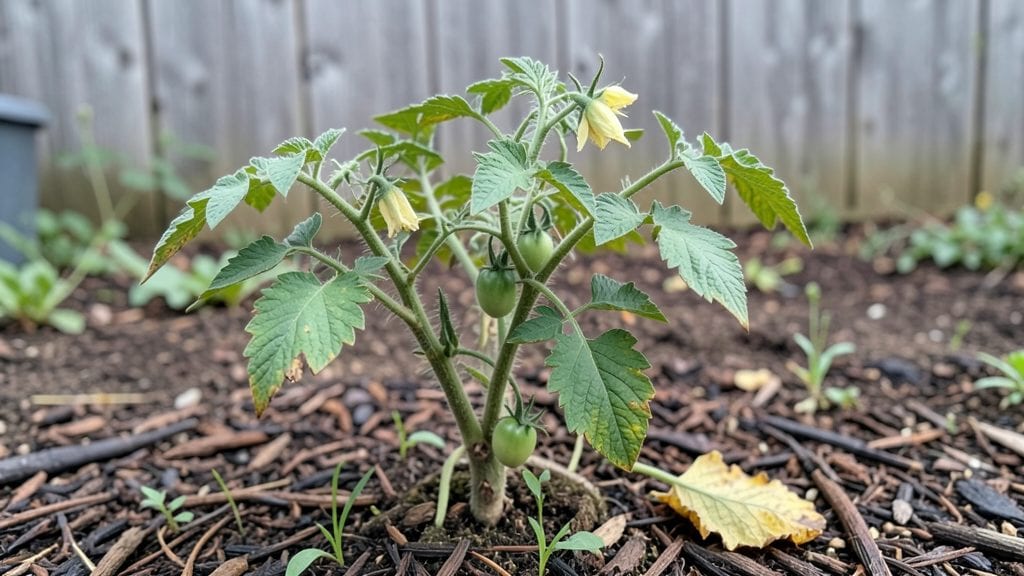
Your tomato plant stopped growing—and that’s a gut punch after all the hope you put into it. 🌱 I’ve seen this happen more times than I’d like to admit, usually when something small (like watering or sunlight) gets overlooked.
The good news? Most stunted growth fixes are quick once you spot the problem, and I’m sharing the exact steps that’ve saved my plants (and my sanity) every season.
Overwatering or underwatering tops the list, but pests, nutrient shortages, or even temperature swings can stall growth just as fast. The key is checking the basics first: soil moisture (stick your finger in—it’s the fastest test), leaf color (yellow? brown?), and stem strength (soft or mushy?).
My garden journal helps track patterns, but even without notes, you can diagnose 80% of cases by noon.
By the end of this, you’ll have your plant growing again—maybe even faster than before. We’re talking new leaves within days if it’s water or pests, or a full rebound in two weeks for nutrient issues.
The worst case? A simple prune to focus energy where it matters. Let’s get that plant back on track.
Works for backyard gardens, containers, or raised beds—no matter where your tomato’s struggling. Here’s how to turn that stunted growth around fast.
Root Causes Behind Stunted Growth
When your tomato plant hits a sudden growth pause, it’s often a cry for help from its roots, leaves, or even its very core. Understanding the science behind these issues can help you diagnose the problem faster and get your plant back on track.
Let’s break down the most common culprits—each with a clear explanation of why they derail your tomato’s upward momentum.
Your tomato plant’s roots are like its lifeline, and if the soil isn’t up to snuff, growth grinds to a halt. Here’s what’s likely going wrong:
- Compacted or Waterlogged Soil 💦 Roots need oxygen to thrive, but dense or soggy soil suffocates them. When soil compacts (often from foot traffic or heavy rain), water pools instead of draining, cutting off oxygen.
This triggers anaerobic conditions, where roots struggle to absorb nutrients and may even rot. Look for yellowing leaves or a foul smell near the base—classic signs of root stress.
- Nutrient Deficiencies 🧪 Tomatoes are heavy feeders, and if the soil lacks essential nutrients, growth stalls. The most critical deficiencies include: - Nitrogen (N): Leads to pale, yellowing leaves (chlorosis) and stunted stems.
It’s the building block of chlorophyll and plant proteins. - Phosphorus (P): Causes slow root development and purple-tinged leaves. It’s crucial for energy transfer in cells. - Potassium (K): Weak stems and poor disease resistance.
Potassium regulates water and nutrient movement. - Micronutrients (Zinc, Iron, Magnesium): Even tiny shortages can halt growth. For example, iron deficiency (common in alkaline soils) causes interveinal chlorosis (yellowing between leaf veins).
- Wrong pH Levels 📉📊 Tomatoes prefer a soil pH between 6.0 and 6.8.
Outside this range, nutrients become locked away: - Too acidic (pH < 6.0): Excess aluminum and manganese can poison roots. - Too alkaline (pH > 7.0): Iron, zinc, and manganese become unavailable, even if they’re in the soil.
Tomatoes are tough, but they’re not immune to environmental shocks. These factors can shock your plant into a growth standstill:
- Extreme Temperatures ❄️☀️ - Cold Snaps: Below 50°F (10°C), tomato growth slows dramatically. Roots stop absorbing water and nutrients, and new leaves may curl or fail to unfurl. - Heatwaves: Above 90°F (32°C), photosynthesis shuts down temporarily (a survival mechanism called heat stress).
Leaves may wilt or develop sunburn spots.
- Insufficient Sunlight 🌞➡️🌑 Tomatoes need 6–8 hours of direct sunlight daily. Without it:
- Leggy, weak stems develop as the plant stretches toward light.
- Chlorophyll production drops, leading to pale, weak growth.
- Fewer flowers/fruit since sunlight fuels the energy needed for blooming.
- Wind or Physical Damage 💨🌪️ Strong winds can break stems or desiccate leaves, forcing the plant to divert energy into repair instead of growth. Even gentle but constant wind can cause transpiration stress, drying out the plant faster than it can absorb water.
Hidden invaders can silently drain your tomato’s energy. Here’s how they sabotage growth:
- Root-Rotting Fungi (Phytophthora, Pythium) 🍄💀 These soil-borne pathogens thrive in wet, poorly drained soil and attack roots, cutting off water and nutrient uptake.
Signs include: - Wilting despite moist soil (the plant can’t absorb water). - Dark, mushy roots when pulled from the soil. - Stunted tops as the plant conserves energy.
- Aphids, Spider Mites, or Whiteflies 🐜🕷️ These sap-sucking pests inject toxins while feeding, causing:
- Curled, yellowing leaves (the plant’s stress response).
- Sticky residue (honeydew) that attracts sooty mold, further blocking sunlight.
- Reduced photosynthesis, leading to weak, stunted growth.
- Viral Infections (e.g., Tomato Mosaic Virus) 🦠 Spread by aphids or contaminated tools, viruses disrupt cell function, causing:
- Mosaic patterns on leaves (light/dark green patches).
- Stunted, distorted growth as the plant misallocates resources.
- Poor flowering/fruiting due to systemic damage.
Tomatoes need space to breathe—literally. When they’re packed too closely or compete with weeds, growth suffers:
- Root Competition 🌿🔄 Other plants (or even your own tomato’s sprawling vines) can steal water and nutrients. Overcrowded roots become entangled and starved, leading to:
- Slow, weak stems.
- Yellowing lower leaves (a sign of nutrient theft).
- Weed Pressure 🌱🚫 Weeds compete for sunlight, water, and nutrients. A single aggressive weed can reduce your tomato’s growth by 30% or more by shading it and depleting soil resources.
- Pruning Gone Wrong ✂️❌ Over-pruning (removing too many leaves or stems) reduces the plant’s ability to photosynthesize. While pruning is essential for airflow, aggressive cuts can shock the plant into a growth pause.
Water is the lifeblood of tomatoes, but too much or too little throws the plant into survival mode—not growth mode.
- Underwatering 💧🚰
- Wilting leaves (even in the morning) signal thirst.
- Dry, crispy edges on leaves mean the plant is conserving water.
- Stunted roots develop when the plant can’t absorb enough moisture to fuel expansion.
- Overwatering 🌧️💦
- Puffy, yellow leaves (a sign of blossom end rot or root rot).
- Waterlogged soil cuts off oxygen, leading to anaerobic stress and root death.
- Fungal infections thrive in soggy conditions, further weakening the plant.
- Inconsistent Watering 🔄💦 Tomatoes hate boom-and-bust watering. Uneven moisture levels cause:
- Cracked stems (from rapid expansion after drought).
- Blossom drop (stressed flowers abort).
- Poor nutrient uptake (water fluctuations disrupt root function).
Revive Your Tomato Plant Now
When your tomato plant hits a growth stall, the good news is that most issues have quick fixes—if you know where to look. Below, we’ll map the most common causes to practical, step-by-step solutions, plus pro tips to keep your plant thriving long-term. No green thumb required!
Signs: Slow growth, yellowing leaves, roots circling the pot’s edge. Fix: 🔥 Step 1: Check the roots – Gently remove the plant from its pot. If roots are tightly coiled or bursting out, it’s time to upgrade. 🍳 Step 2: Repot with fresh soil – Choose a container 2–3 inches larger in diameter (no need to go huge!). Use well-draining potting mix with compost or worm castings for nutrients. 👨🍳 Step 3: Trim tangled roots – Snip any gnarled or circling roots with clean scissors. This encourages new growth! 🥘 Step 4: Water deeply – After repotting, give it a thorough drink to help roots settle.
Prevention: ✅ Space plants 18–24 inches apart in the garden. ✅ Use self-watering pots to avoid root stress from inconsistent moisture. 💡 Pro Tip: If repotting isn’t an option, top-dress with compost to feed roots without disturbing them.
Signs: Wilting, crispy leaf edges (underwatering) or yellowing leaves, mushy stems (overwatering). Fix: 🌡️ For underwatering:
- Water deeply until it drains from the bottom. Stick your finger 1–2 inches into soil—if dry, it’s time.
- Mulch the soil with straw or shredded leaves to retain moisture.
- Move to partial shade temporarily to reduce evaporation.
🌧️ For overwatering: - Let the soil dry out before watering again.
Aim for 1 inch of water per week (adjust for rain/climate). - Improve drainage—add perlite or sand to heavy clay soil, or drill holes in pots. - Check for root rot—if stems feel mushy, trim blackened roots and repot in fresh, dry soil.
Prevention: ✅ Water in the morning so leaves dry by night (reduces disease). ✅ Use a moisture meter to avoid guesswork. 🎯 Pro Tip: Drip irrigation is better than overhead watering—it keeps foliage dry and roots happy.
Signs: Leggy, pale stems (not enough sun) or scorched leaves (too much). Fix: 🔄 For insufficient light:
- Move to a sunnier spot—tomatoes need 6–8 hours of direct sun daily.
- Use a grow light (12–16 hours/day) if indoors or in shade.
- Prune lower leaves to improve airflow and light penetration.
🌿 For too much sun (heat stress):
- Provide afternoon shade with a shade cloth (30–50% coverage).
- Mulch heavily to keep roots cool.
- Water at soil level (avoid wetting leaves to prevent sunburn).
Prevention: ✅ Plant in a location with afternoon shade in hot climates. ✅ Use reflective mulch (like white plastic) to bounce light upward. 🔥 Pro Tip: Yellow leaves on top but green on bottom? It’s a sunburn warning—act fast!
Signs: Purple stems (phosphorus), yellow lower leaves (nitrogen), or slow growth despite good care. Fix: 📊 Quick nutrient boosts:
- Nitrogen (yellow leaves): Add compost tea or a balanced fertilizer (10-10-10).
- Phosphorus (purple stems): Use bone meal or fish emulsion for root growth.
- Potassium (weak stems): Try wood ash or banana peel tea.
💪 Long-term feeding:
- Fertilize every 2–3 weeks during growing season with a tomato-specific fertilizer (high in potassium).
- Side-dress with compost mid-season for a slow-release boost.
Prevention: ✅ Test soil pH (aim for 6.0–6.8)—tomatoes hate acidic or alkaline extremes. ✅ Rotate crops to prevent nutrient depletion. 🌡️ Pro Tip: Epsom salt (1 tbsp/gallon) can fix magnesium deficiency (yellow patches between veins).
Signs: Chewed leaves (pests), spots/mold (disease), or sticky residue (aphids). Fix: 🔪 For pests (aphids, whiteflies, hornworms):
- Blast off with water (strong stream from hose).
- Spray neem oil (mix 1 tbsp/quart of water + dish soap).
- Handpick hornworms (they’re sneaky but easy to spot!).
🧴 For fungal diseases (blight, powdery mildew):
- Remove infected leaves immediately and dispose of them.
- Apply copper fungicide or baking soda spray (1 tsp baking soda + 1 quart water + soap).
- Improve airflow by pruning dense foliage.
Prevention: ✅ Rotate crops yearly to break disease cycles. ✅ Avoid overhead watering to keep leaves dry. ✨ Pro Tip: Plant basil or marigolds nearby—they repel pests naturally!
Final Reminder: Most stunted tomato plants bounce back in 7–14 days with the right care. Check daily for improvements, and don’t hesitate to adjust your approach if needed. Happy growing! 🍅🚀
Frequently asked questions
Why did my tomato plant suddenly stop growing after flowering?
This is often caused by nutrient exhaustion or water stress during fruiting. Tomatoes need extra phosphorus and potassium when setting fruit—add a balanced fertilizer (like 5-10-10) and water consistently at the base. If the soil is dry, roots struggle to absorb nutrients, halting growth. Check for blossom end rot (dark spots on fruit) too—it’s a calcium deficiency sign.
Can I still save my tomato plant if it’s completely stopped growing for 2+ weeks?
Yes! Start with a soil check: Dig 2 inches deep—if dry, water deeply; if soggy, let it dry out. Prune any yellow or diseased leaves to redirect energy. For severe cases, a foliar feed (like fish emulsion) can jumpstart growth in 5–7 days. If roots are rotting (mushy stems), repot in fresh soil immediately.
What’s the fastest way to tell if my tomato plant is underwatered vs. overwatered?
Stick your finger 1–2 inches into soil—if dry, it’s thirsty. For underwatering, leaves will be crispy at edges and wilt even in the morning. Overwatering shows as yellow, mushy leaves with foul-smelling soil. A moisture meter ($10) solves guesswork instantly. Adjust watering to 1 inch per week (more in heat).
Will pruning my tomato plant help it grow again?
Yes, but only if done right! Remove only yellow, diseased, or crossing branches—never more than 1/3 of the foliage. Pruning improves airflow, preventing pests/diseases and letting light reach lower leaves. Focus on suckers (side shoots)—they drain energy. Do this on a dry, sunny morning to avoid stress.
Could my tomato plant be stunted because of pests I can’t see?
Aphids, spider mites, or root-knot nematodes can silently drain energy. Check undersides of leaves for tiny webs or sticky residue (honeydew). For hidden pests, spray with neem oil (1 tbsp/quart water) or introduce ladybugs. If soil-dwelling pests are suspected, repot with fresh, sterile soil and add compost for resilience.