
Landscaping
Transform your property with these 10 fast-growing trees that deliver instant privacy, stunning landscapes, and seasonal beauty. Whether you need quick shade or a natural windbreak, these species offer year-round benefits with minimal wait time.
Thundercloud Leyland Cypress Trees
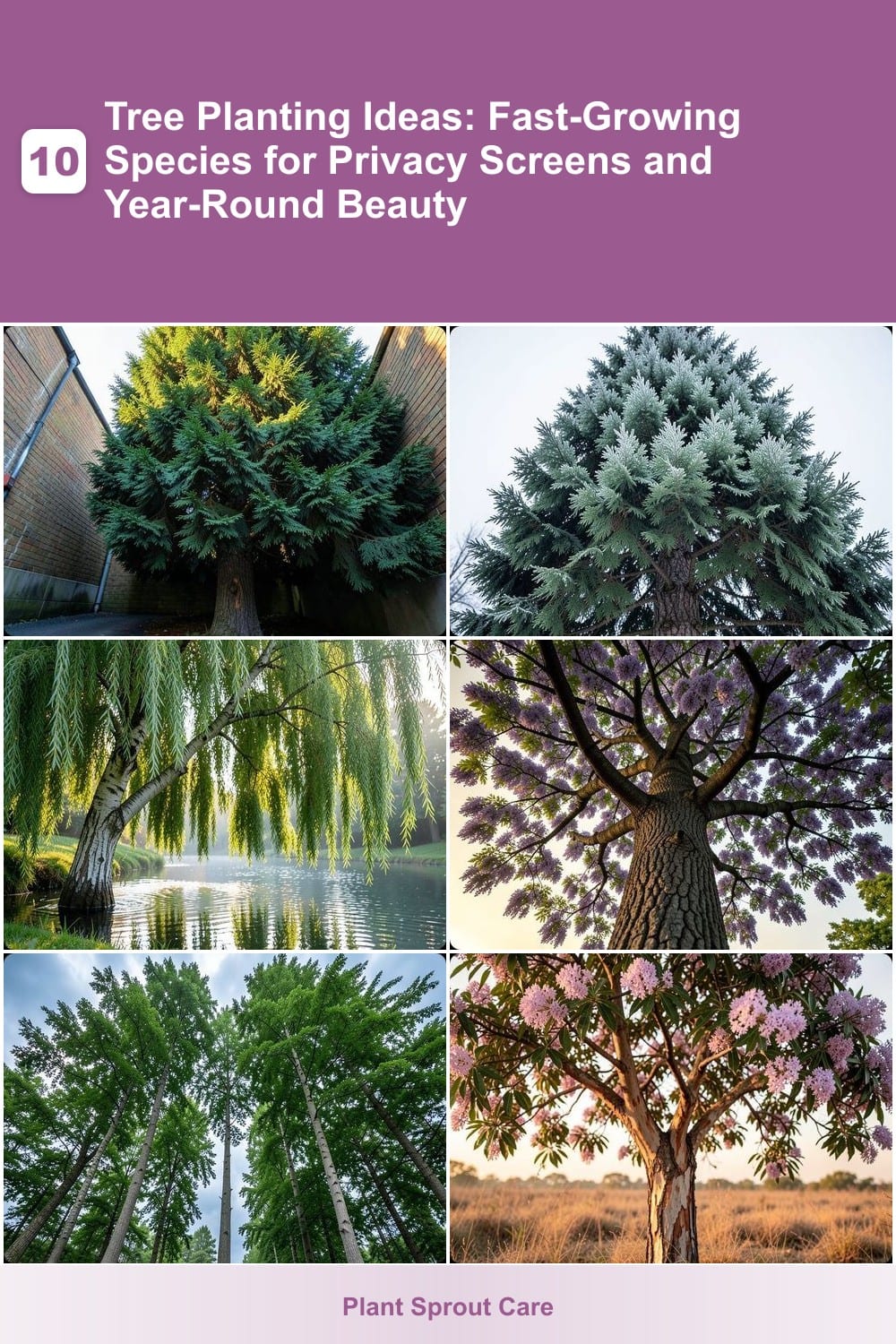
Need a privacy screen that grows faster than your patience for waiting? Thundercloud Leyland Cypress trees deliver 3-4 feet of vertical growth annually, making them the ultimate solution for narrow urban spaces or tight backyard corners.
These evergreen giants thrive in full sun to partial shade and tolerate a wide range of soil types, including clay or sandy loam. Plant them 10-15 feet apart for a dense hedge that blocks noise and wind while maintaining a manicured look. Just be sure to water deeply after planting and mulch to retain moisture—once established, they’re drought-tolerant.
Perfect for city dwellers or small yards, these trees offer year-round greenery with minimal upkeep. Their rapid growth means you’ll enjoy privacy in just a few seasons! 🌱
Green Giant Arborvitae Trees
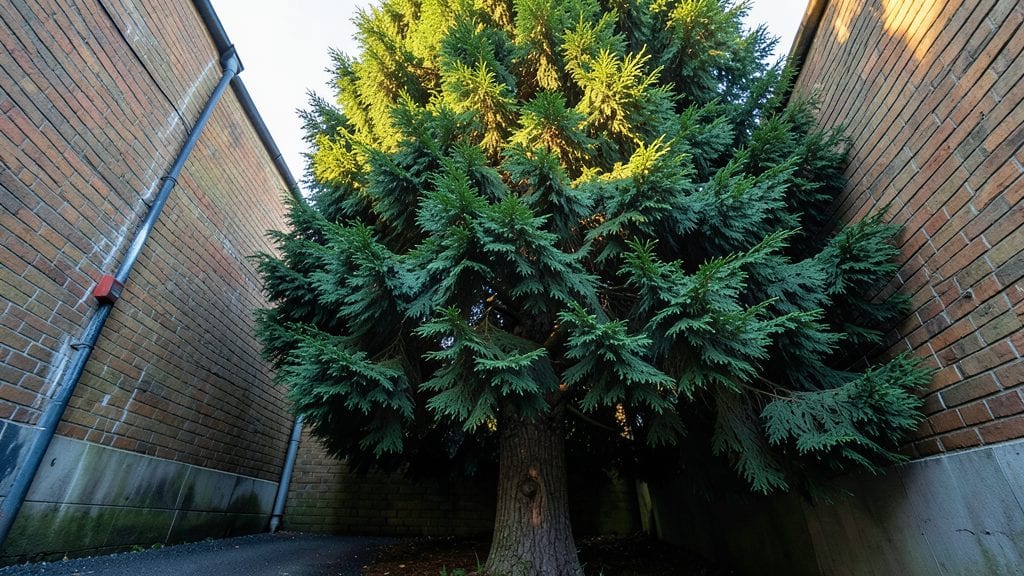
Tired of battling harsh winters or deer nibbling on your prized plants? Green Giant Arborvitae trees are the unsung heroes of northern climates, offering year-round privacy without the fuss. These cold-hardy evergreens thrive in USDA zones 3-8, making them perfect for regions where other trees struggle to survive.
With their deer-resistant foliage and minimal maintenance needs, these trees grow 3-5 feet annually, creating a lush, dense screen that blocks wind and noise. Plant them 10-15 feet apart for optimal coverage, and enjoy their vibrant green needles that stay vibrant through all four seasons. They tolerate a wide range of soil types and require little pruning once established.
Ideal for homeowners in snowy regions, these trees provide a low-maintenance solution for privacy and curb appeal. Their hardiness means fewer worries about winter damage or pest issues. 🌿
Weeping Willow Trees for Water Features
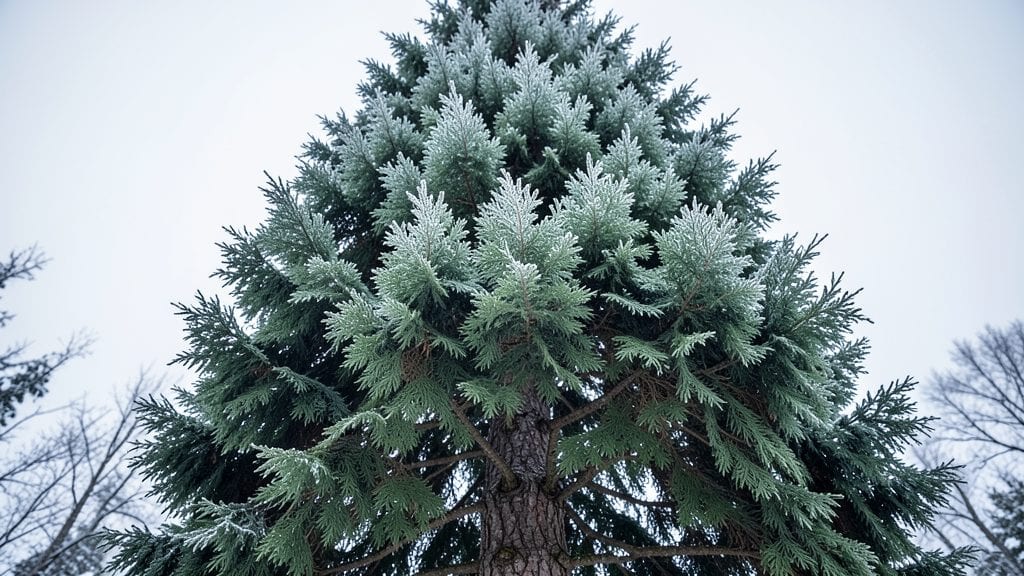
Want to turn your backyard pond or stream into a tranquil oasis? Weeping willow trees are the perfect choice, with their cascading branches and lush foliage that create instant drama. These fast-growing trees thrive near water, offering shade for aquatic life while adding a serene focal point to any landscape.
Their moisture-loving roots anchor beautifully along pond edges, while their graceful, drooping limbs reach up to 50 feet when mature. Plant them in full sun to partial shade with at least 30 feet of space to accommodate their sprawling growth. Prune lightly in late winter to maintain shape, and enjoy their golden autumn foliage that floats elegantly on water surfaces.
Perfect for gardeners who love wildlife-friendly spaces, these trees attract birds and provide shelter for fish. Their soothing presence transforms any water feature into a peaceful retreat. 🌿
Empress Tree for Quick Canopy Cover
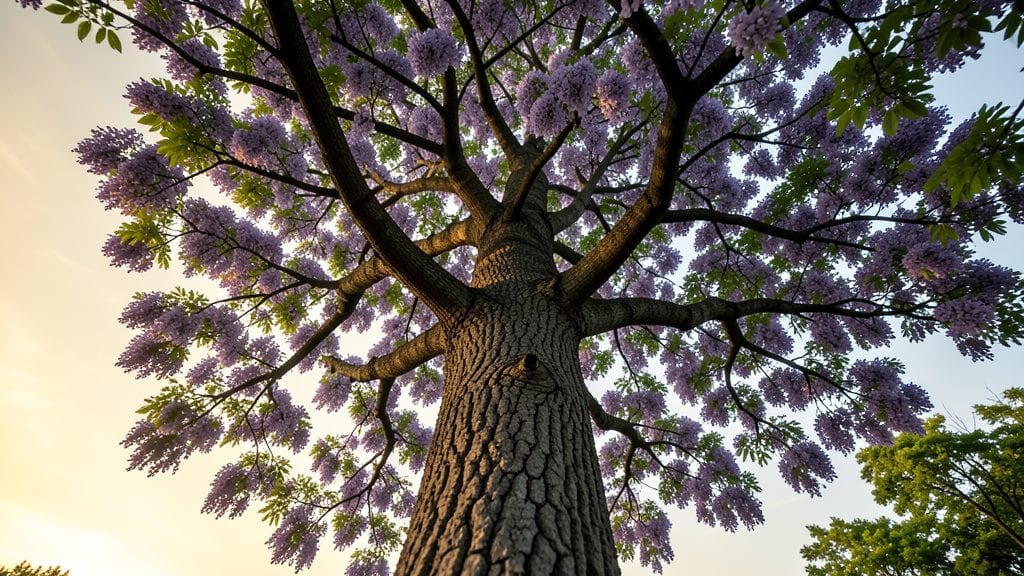
Looking for a tree that grows so fast it feels like magic? The Empress Tree (Paulownia tomentosa) shoots up 10+ feet annually, turning bare patches into lush shade in just a few seasons. Its lavender summer blooms add a touch of elegance while attracting hummingbirds, making it a dual-purpose powerhouse for large yards or farmland.
These deciduous giants thrive in full sun and well-drained soil, tolerating poor conditions once established. Plant them 30-50 feet apart to avoid root competition, and watch them transform your space into a cool, shaded retreat. Just be cautious—they produce thousands of lightweight seeds that spread easily, so consider removing seed heads if you prefer controlled growth.
Perfect for rural properties or expansive backyards, the Empress Tree delivers instant shade and wildlife value with minimal effort. Its rapid growth and dramatic presence make it a standout choice for those with space to spare. ✨
Hybrid Poplar Trees for Fast Windbreaks
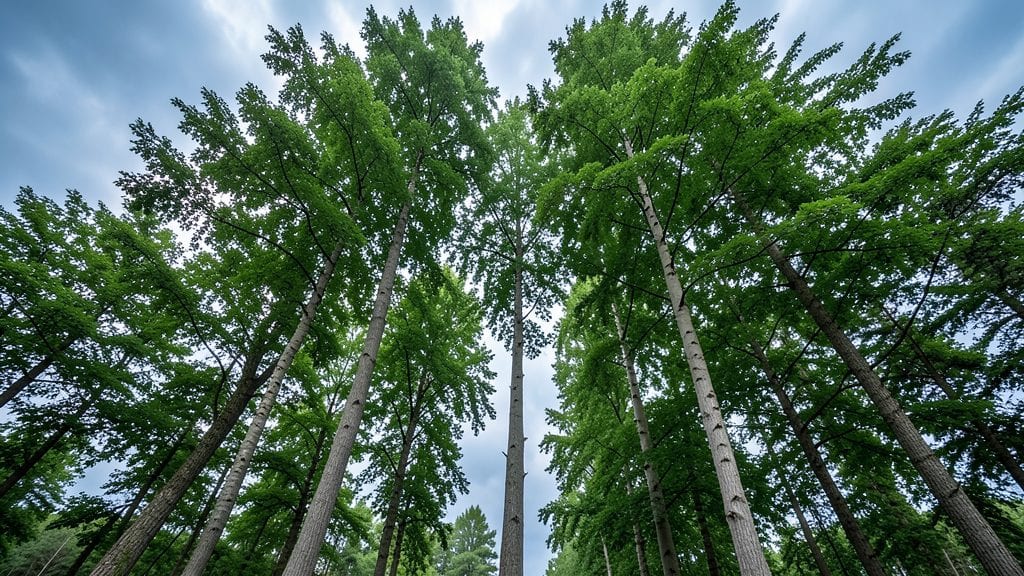
Looking to tame howling winds or muffle traffic noise without waiting decades? Hybrid poplar trees are the answer—these fastest-growing hardwoods can reach 60+ feet in just 10 years, creating a natural barrier that outpaces most other species. Their towering height and dense foliage make them ideal for open fields, farm borders, or rural properties where wind or noise is a nuisance.
Plant them in full sun with well-drained soil, spacing 20-30 feet apart for optimal windbreak effectiveness. While they thrive in most conditions, avoid waterlogged areas to prevent root rot. Prune lightly in late winter to maintain shape, but be prepared for their aggressive growth—they’ll quickly become the tallest trees in your landscape. Their golden autumn foliage adds seasonal beauty, too!
Perfect for farmers, homesteaders, or anyone with open land, these trees deliver instant results with minimal upkeep. Just be mindful of their spreading roots if planting near structures. 🌻
Crape Myrtle Trees for Year-Round Interest
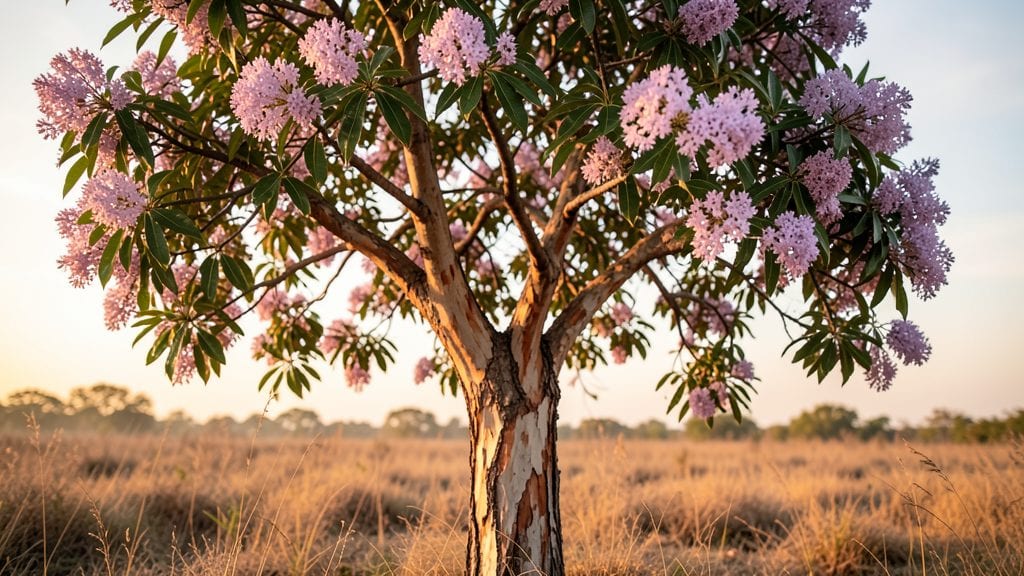
If you live in the southeastern U.S. where summer heat and humidity can wilt even the hardiest plants, crape myrtle trees are your secret weapon for year-round interest without the fuss. These drought-tolerant beauties thrive on neglect, offering striking exfoliating bark in winter, lavender or pink summer blooms, and golden fall foliage—all while requiring almost no water once established.
Plant them in full sun with well-drained soil (they hate soggy roots) and space 10-15 feet apart for a natural, low-maintenance hedge or specimen tree. Prune lightly in late winter to shape, but avoid "crape murder"—over-pruning removes next year’s blooms. Their heat tolerance and pest resistance make them ideal for urban landscapes, parks, or rural homesteads where reliability matters.
Perfect for gardeners who want color, texture, and resilience with minimal effort, crape myrtles reward patience with four seasons of visual appeal. 🌻
Silver Maple Trees for Urban Landscapes
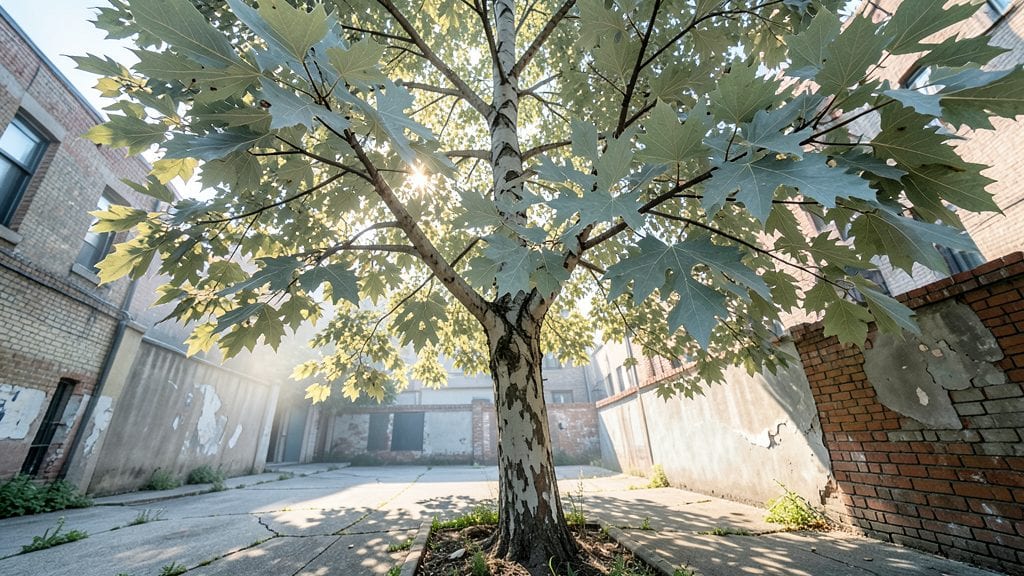
Struggling to find a tree that thrives in urban soil without the fuss? The silver maple is your go-to choice—it grows rapidly in compact spaces and tolerates pollution, poor soil, and even sidewalk cracks. This adaptable tree reaches 40-60 feet tall in just 15-20 years, offering dappled shade and a canopy that cools city heat islands.
Plant it in full sun to partial shade with minimal soil prep—it handles clay, compacted earth, or even slightly contaminated sites. Its brilliant fall foliage (red, orange, or yellow) turns heads in late autumn, while its semi-transparent leaves allow light to filter through for understory plants. Just be mindful of its aggressive roots—keep it 20+ feet from foundations or sidewalks to prevent damage.
Perfect for urban gardeners, city planners, or small backyard owners, silver maples deliver year-round structure with minimal care. Their fast growth and resilience make them a smart choice for transforming concrete jungles into livable green spaces. 🌟
Eastern Redbud Trees for Spring Color
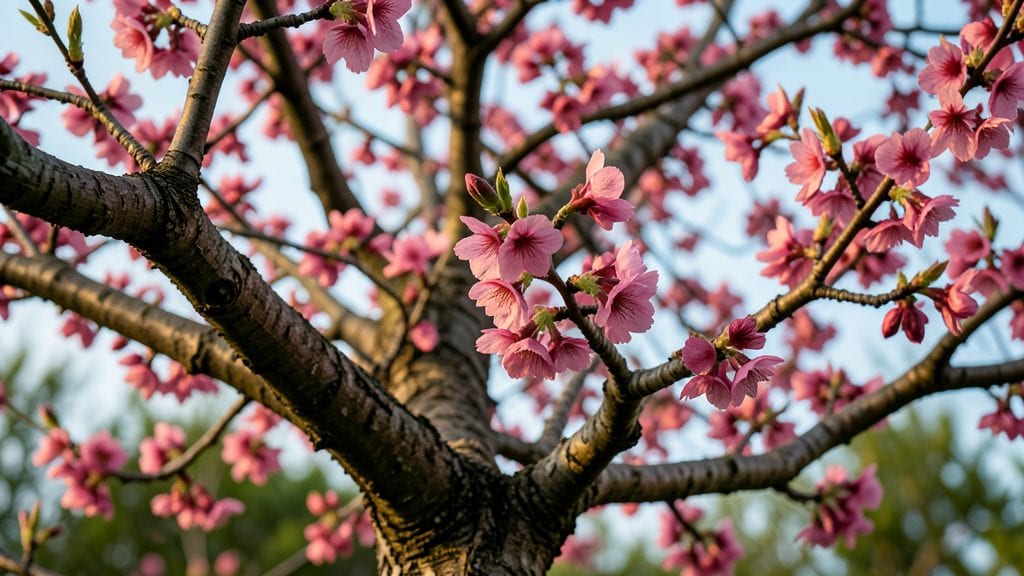
Craving a burst of color that arrives before the first leaves even unfurl? The Eastern redbud (Cercis canadensis) delivers vibrant pink blooms in early spring, often before its heart-shaped leaves emerge—a spectacle that turns any garden into a living painting. Unlike many trees that require full sun, this understory specialist thrives in partial shade, making it perfect for planting under taller trees or along woodland edges where sunlight is dappled.
Mature trees reach 20-30 feet tall but grow slowly (about 12 inches annually), so they won’t overwhelm small spaces. Their spring flowers attract pollinators, while their fall foliage shifts from green to yellow—adding seasonal interest. For best results, plant in well-drained soil and water deeply during the first year. Prune lightly after flowering to shape, but avoid heavy cuts that remove next year’s blooms.
Ideal for cottage gardeners, woodland enthusiasts, or anyone who wants low-maintenance beauty without the fuss of fast-growing giants, the Eastern redbud brings joy with minimal effort. Its delicate charm makes it a standout for small yards, park plantings, or as a focal point near patios. 🌷
Bald Cypress Trees for Wetlands
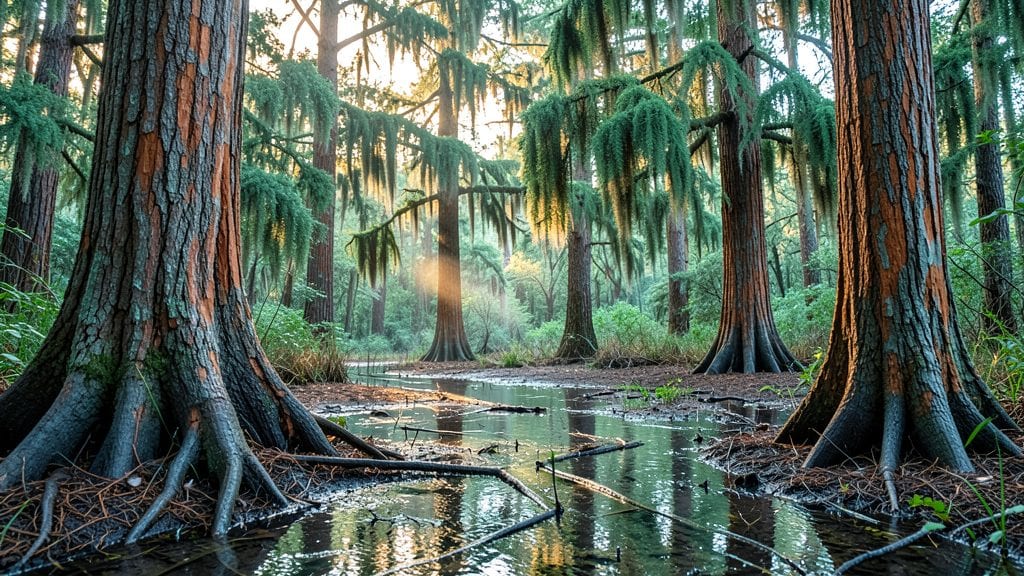
Turn that soggy corner of your yard into a stunning wetland oasis with bald cypress trees—the only evergreen conifer that not only survives but thrives in waterlogged soil. Their unique knobby knees (exposed roots) add architectural interest while filtering water naturally, making them perfect for rain gardens, pond edges, or low-lying areas where other trees would drown.
These hardy trees grow 3-4 feet annually in ideal conditions and tolerate full sun to partial shade, though they prefer moist soil. Plant them in groups of 3-5 for a natural, layered look, spacing them 10-15 feet apart. Their feathery foliage turns a golden bronze in fall, and they retain their year-round greenery even in winter. Mulch around the base to protect roots from temperature swings, and avoid overwatering once established—they’re surprisingly drought-tolerant once their roots take hold.
Perfect for eco-conscious gardeners or those with challenging wetland sites, bald cypress trees bring wildlife value (they host birds and butterflies) and low-maintenance beauty to areas most other trees avoid. 🌿
Dawn Redwood Trees for Ancient Beauty
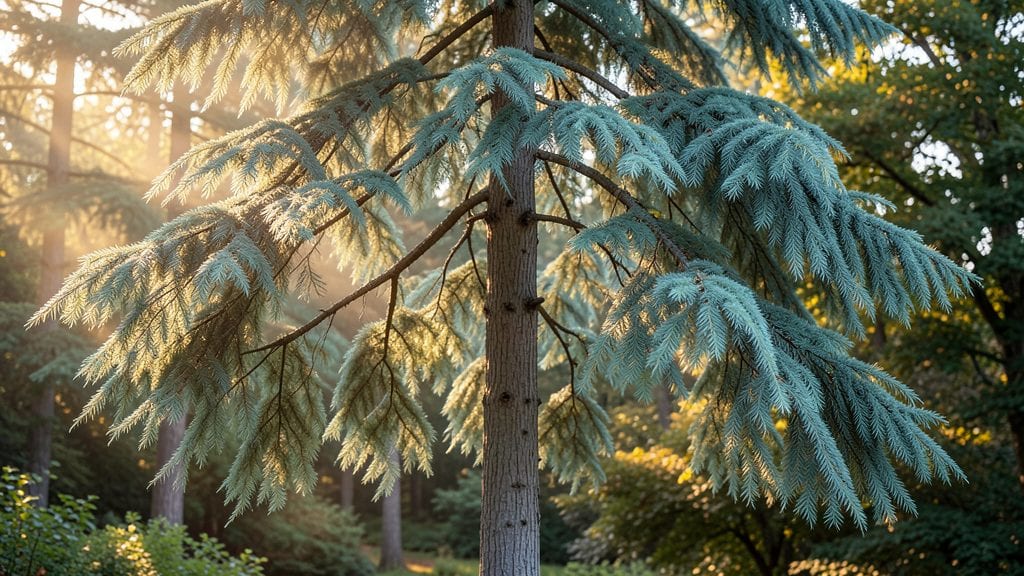
Step back in time with the Dawn Redwood (Metasequoia glyptostroboides), a living fossil that vanished from Earth 2 million years ago—until it was rediscovered in 1940s China. This fast-growing conifer (3-5 feet annually) brings prehistoric charm to modern gardens, with its feathery, blue-green foliage that turns golden in autumn and sheds gracefully in winter, unlike evergreens.
Thriving in full sun to partial shade and moist, well-drained soil, Dawn Redwoods adapt to USDA zones 4-8, making them versatile for both rural and suburban landscapes. Plant them 15-20 feet apart for a dramatic focal point or along property lines to create a natural screen. Their airy, almost tropical appearance contrasts beautifully with dense evergreens, while their non-invasive roots make them safer near foundations than many fast growers.
Perfect for gardeners who love storybook landscapes or want to spark curiosity, these trees grow into 60-foot giants over time, offering a mix of privacy, texture, and seasonal interest. Their rarity and ancient lineage make them a conversation starter—ideal for arboretums, large backyards, or even as a striking container specimen. 🌟