Pruning
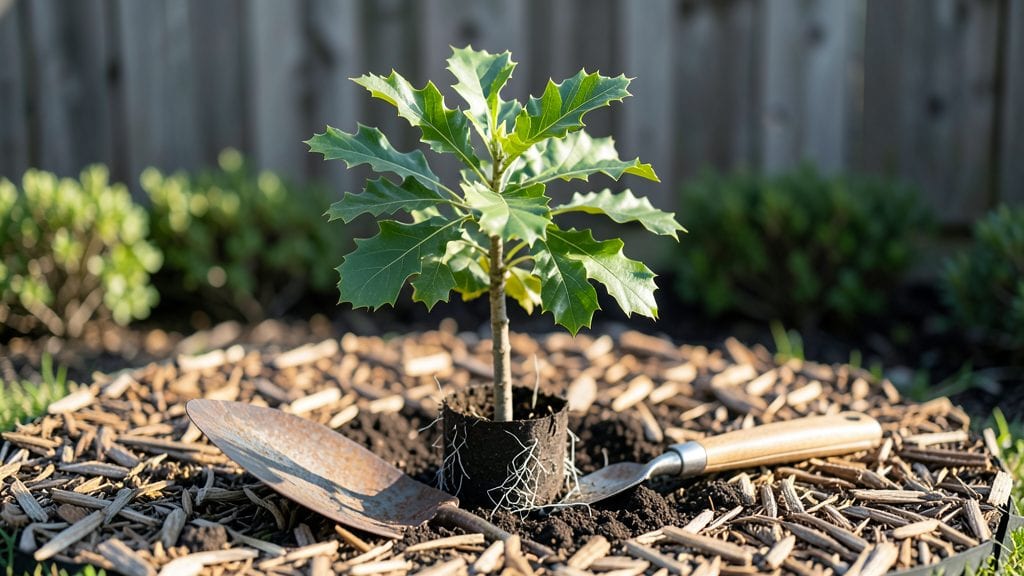
Planting trees in London isn't just about picking a sapling—it's about choosing species that thrive despite smog, compacted soil, and unpredictable winters.
I've learned the hard way that London Plane trees and Silver Birches handle the city's challenges better than most, with roots that dig deep and leaves that shrug off pollution. The right tree makes all the difference between a struggling plant and one that grows strong for decades.
Timing matters just as much as the tree itself. Autumn and winter are ideal because cooler temperatures mean less stress on roots as they establish. Dig a hole twice as wide as the root ball but no deeper—this gives roots room to spread without sinking.
Stake only if needed, and use a loose backfill to avoid compacting soil around the roots. London's clay-heavy soil drains poorly, so amending with compost helps, but don't overdo it—native soil is best for long-term health.
After planting, water deeply but infrequently to encourage deep root growth. A 3-inch layer of mulch keeps moisture in and weeds out, but keep it away from the trunk to prevent rot.
Urban trees face extra threats like salt spray from roads and air pollution, so a light foliar spray with seaweed extract once a month can help them bounce back. The first year is critical—protect young trees from foot traffic and curious pedestrians with temporary fencing if needed.
Before you dig, check London's Tree Preservation Orders—some areas require permits, and planting the wrong tree could violate local regulations. Native species like Field Maple or Hawthorn support local wildlife, while urban-friendly varieties like Hornbeam handle foot traffic.
With the right choices, your tree will grow into a resilient feature that cleans the air, cools the city, and lasts for generations. Ready to get started?
📚 In This Guide
- What you need
- Instructions
- Tips and common mistakes
- Wrapping up and next steps
What you need
- ● Tree saplings: Choose native species like oak, silver birch, or London planetree (1–3 per planting session, depending on space). Opt for bare-root or container-grown (1–2 ft tall for faster establishment).
- ● Soil amendments: Compost (1–2 bags, 50–70L each) for nutrient-rich soil.
- ● Mulch (organic wood chips, 5–10L) to retain moisture.
- ○ Garden lime (optional, 1–2 kg) if soil is acidic (test first!).
- ● Watering supplies: Hose with adjustable nozzle or watering can (5L+ capacity).
- ○ Drip irrigation kit (optional, for long-term care).
- ● Digging tools: Shovel (round-point or spade for digging holes).
- ● Trowel (for precision when planting small saplings).
- ● Safety gear: Gloves (gardening or work gloves for grip and protection).
- ○ Knee pads (optional but helpful for comfort).
- ● Support structures: Tree stakes (2–3 per tree, 6–8 ft tall) + soft ties (e.g., tree straps).
- ● Guards (plastic or metal) to protect young trees from animals.
- ● Location check: Verify if you’re planting on private land (no restrictions) or public space (check blank">London Borough guidelines or blank">City of London).
- ● Soil test: Use a DIY pH test kit (£5–£10) to assess soil health before planting.
- ● Weather prep: Plan for overcast days (saplings stress in direct sun) or bring a shade tarp.
- ○ Community support: Optional but encouraged! Partner with local groups like The Tree Council for sapling donations or workshops.
Step-by-Step instructions for planting trees in London
London’s climate demands careful planning, but with the right approach, you can establish trees that thrive year-round.
Choose the Right Tree for Your Location
London’s urban environment means you’ll need trees that tolerate pollution, compacted soil, and varying light conditions. Deciduous trees like silver birch or London plane handle city stress well, while evergreens such as holly or yew provide year-round structure. Check the mature height—some trees like horse chestnut can reach 30 feet, while smaller varieties like hawthorn stay under 15 feet. I always verify the tree’s hardiness zone compatibility with local nurseries, as London’s microclimates vary significantly between north and south.
Consider the planting spot’s sunlight exposure. Full sun areas (at least 6 hours daily) suit drought-tolerant species, while shadier spots benefit from moisture-loving trees like rowan or serviceberry. If planting near buildings, prioritize trees with non-invasive roots to avoid foundation damage. I recommend consulting the London Tree Officers’ planting guidelines for species best suited to your borough.
Prepare the Planting Site
Dig a hole twice as wide as the tree’s root ball but no deeper—this prevents water pooling around the roots. London’s clay-heavy soil drains poorly, so I always loosen the sides of the hole with a spade to encourage root spread. Mix the excavated soil with 2-3 inches of compost to improve drainage and nutrient content. Avoid adding fertilizer at planting; it can burn tender roots. If the soil is extremely compacted, consider adding a 1-inch layer of coarse sand to the bottom of the hole.
Test the hole’s depth by placing the tree’s root ball inside—it should sit 1-2 inches above ground level when finished. This slight elevation prevents water from pooling at the base, which can suffocate roots. I use a level to ensure the hole isn’t sloped, as uneven planting causes instability. If the site has poor drainage, create a small berm around the hole’s edge to direct water away from the trunk.
Plant the Tree Properly
Gently remove the tree from its container and loosen any circling roots with your fingers—these can strangle the tree as it grows. Place the root ball into the hole, ensuring the tree sits upright. Fill the hole with the amended soil, pressing lightly around the edges to remove air pockets. I use my hands to firm the soil gradually, checking for gaps that could trap air. Avoid compacting too firmly, as this restricts root growth.
Water the tree deeply right after planting to settle the soil and eliminate air gaps. Use 5-10 gallons of water, depending on the tree size, and let it soak in completely. Mulch the base with 2-3 inches of organic mulch, keeping it 6 inches away from the trunk to prevent rot. I always water again after mulching to help the mulch settle and retain moisture. This initial watering is critical—it ensures the tree’s first few weeks are stress-free.
Support and Protect the New Tree
Young trees in London’s urban areas often need staking to prevent wind damage, especially if planted near buildings or in exposed locations. Use two stakes positioned 18-24 inches apart, tied loosely to the tree with soft tree ties—never wire, which can cut into the bark. The stakes should support the tree without restricting movement, which encourages stronger trunk development. I check the ties every 4-6 weeks to ensure they’re not tightening as the tree grows.
Protect the tree from urban hazards like pedestrians or vehicles with a tree guard or temporary fencing. London’s pavement can damage young bark, so I always install guards for the first 1-2 years. Water the tree once a week during the first growing season, adjusting for rain—London’s unpredictable weather means checking soil moisture is key. The top 2-3 inches of soil should feel slightly damp but not soggy. Overwatering in clay soil leads to root rot, so I always err on the side of less water.
Monitor and Maintain for Long-Term Health
Inspect the tree monthly for signs of stress, such as yellowing leaves, wilting, or unusual growth patterns. London’s air pollution can stress trees, so I spray the leaves with water once a week during dry spells to help wash away pollutants. Prune only dead or diseased branches in the first year—avoid heavy pruning, as it weakens the tree. If you notice pests like aphids or vine weevils, treat with an organic insecticidal soap, which is safer for London’s ecosystems.
After the first year, reduce watering to every 2-3 weeks, depending on rainfall. London’s clay soil retains moisture well, so the tree will need less frequent watering as its roots establish. Fertilize lightly in early spring with a balanced, slow-release fertilizer, but avoid heavy feeding in the first year—it can encourage weak, fast growth that’s vulnerable to wind and disease. I always mark the tree’s location with a permanent stake to avoid accidental damage from future construction or maintenance work.
Tips & tricks for perfect tree planting in London
London’s unique climate and urban environment mean planting trees requires extra attention to detail. These practical tips will help you avoid common pitfalls and give your trees the best start possible.
Tree Selection Wisdom: When choosing a tree in Step 1, pay special attention to its mature height and root system. For instance, a silver birch might reach 30 feet but has non-invasive roots perfect for urban planting, while a horse chestnut grows just as tall but has more aggressive roots. I always check the tree's hardiness zone compatibility with local nurseries—London's temperature variations between boroughs can make a difference. Consider the tree's leaf type too; evergreens like holly provide year-round structure, while deciduous trees offer seasonal interest and better air filtration.
Soil Preparation Secrets: In Step 2, don't skip the soil amendment process. London's clay-heavy soil drains poorly, so mixing in 2-3 inches of compost is absolutely critical. I've seen too many trees fail because homeowners skipped this step. For extremely compacted soil, that 1-inch layer of coarse sand at the bottom of the hole makes a world of difference. And here's what nobody tells you—after planting, gently press the amended soil around the roots with your hands rather than using a shovel. This creates better soil-to-root contact without compacting too firmly.
Watering Strategy: The initial deep watering in Step 3 is where most people go wrong. Using 5-10 gallons of water is essential, but timing matters just as much. I always water immediately after planting, then again after mulching to help the mulch settle properly. The key is to let the water soak in completely—you should see it disappearing into the soil rather than pooling on the surface. For the first few weeks, I check soil moisture by inserting my finger about 2 inches deep. If it feels dry, it's time to water again.
Long-Term Maintenance: In Step 5, that monthly inspection routine is crucial for catching problems early. I've noticed that London's air pollution often manifests as yellowing leaves or stunted growth in the first year. The weekly leaf spray I mentioned helps wash away pollutants, but don't forget to check the undersides of leaves where pests often hide. And when you do fertilize in early spring, use a slow-release fertilizer—it's gentler on young trees and prevents the rapid growth that makes them vulnerable to wind damage.
Pro Tips for Tree Planting London
- London’s unique climate and urban environment mean planting trees requires extra attention to detail.
- Tree Selection Wisdom: When choosing a tree in Step 1, pay special attention to its mature height and root system.
- Soil Preparation Secrets: In Step 2, don't skip the soil amendment process.
Frequently asked questions
Got questions about planting trees in London’s unique climate? You’re not alone! Here are answers to the most common concerns—from timing to troubleshooting—to help you grow thriving greenery year-round.
When is the best time to plant trees in London?
The ideal window is late autumn to early spring (October–March), when soil is moist but not frozen. Summer planting is possible with extra watering, but avoid extreme heat. London’s mild winters mean you can plant bare-root trees even in December—just protect them with mulch!
How often should I water newly planted trees?
Water deeply once a week for the first year, aiming for 10–15 liters per tree. In London’s unpredictable weather, check soil moisture weekly—droughts or heavy rains can stress roots. Mulch (wood chips or bark) helps retain moisture and regulate temperature.
What are the best tree species for London’s urban climate?
Opt for hardy, pollution-tolerant varieties like:
- London Plane Tree (resists disease, urban grit)
- Silver Birch (fast-growing, drought-resistant)
- Hawthorn (supports wildlife, low-maintenance)
- Cherry Plum (compact, great for small gardens)
Why is my newly planted tree wilting or turning brown?
Common causes include:
- Underwatering (or overwatering—roots need air!)
- Poor soil drainage (amend clay soil with compost)
- Pest damage (check for aphids or vine weevils)
- Root girdling (if roots circle the trunk, loosen gently)
Can I plant a tree in a small London garden or balcony?
Choose container-friendly species like Dwarf Japanese Maple or Columnar Apple Trees. Use large pots (minimum 15 gallons) with drainage holes and erica compost for acid-loving plants. For balconies, ensure 6+ hours of sunlight and secure pots to prevent wind damage.
Wrapping up and next steps
Planting trees in London isn’t just about greening the city—it’s a climate-smart investment that benefits future generations. 🌳 From selecting the right species to maintaining them year-round, every step counts toward a healthier, cooler urban landscape.
Whether you’re a homeowner, community group, or eco-conscious individual, your efforts make a real difference.
Ready to take action? Start small—plant a single tree or join a local initiative—and watch your impact grow! 🌱 Your next step: research native species or connect with London’s tree-planting programs to begin your journey today.