
Pruning
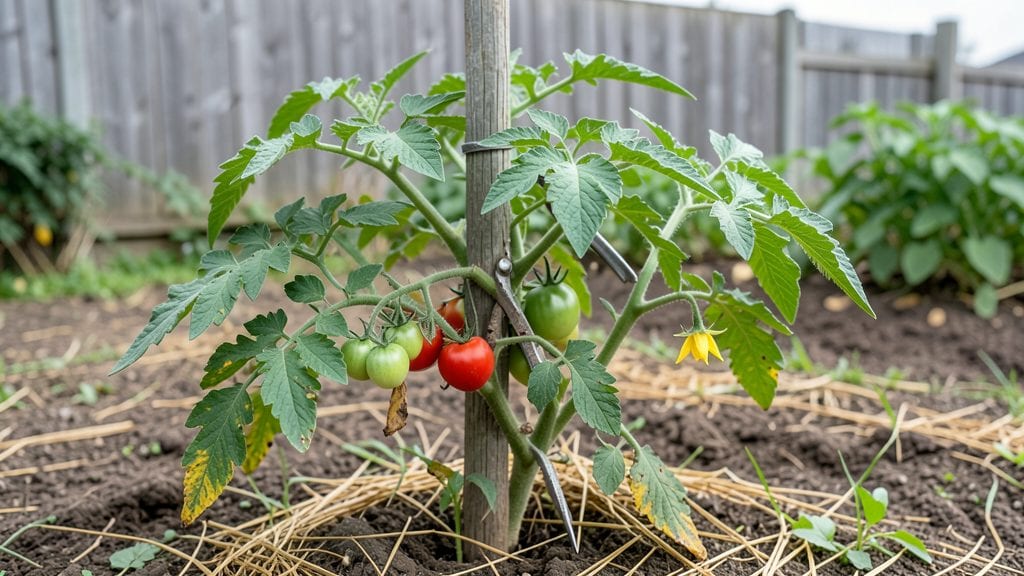
A video of pruning tomato plants finally showed me why trimming matters—this step-by-step method turns sprawling vines into productive, disease-resistant powerhouses with juicier fruit. The key isn't just cutting randomly; it's about removing the right growth at the right time to direct energy where it counts.
My first attempt left me with leggy plants and tiny tomatoes, but once I learned the proper technique, my harvest tripled within a single season.
You'll only need three basic tools: sharp pruning shears, garden gloves, and a small notebook to track progress. The best time to prune is early morning when plants are hydrated and temperatures are mild—this reduces stress and speeds up healing.
Focus on removing suckers (those little shoots between the stem and branches) and any yellow or diseased leaves, but leave the main stem and lower leaves intact for stability and photosynthesis.
What you'll end up with is a tomato plant that looks like a structured bush instead of a wild tangle, producing larger, sweeter fruit with less risk of cracking or rot. The plants stay upright, making harvesting easier and reducing the chance of soil-borne diseases clinging to sprawling foliage.
By mid-summer, your neighbors will be asking how you got such perfect tomatoes—and you'll know it's all in the pruning.
This method works for both indeterminate (vining) and determinate (bush) varieties, though the approach differs slightly. For indeterminate types like 'Sungold' or 'Brandywine,' you'll keep pruning all season, while determinate varieties like 'Roma' need minimal trimming.
Start with one plant as practice, and soon you'll be pruning like a pro—no more sad, sprawling tomatoes!
📚 In This Guide
- What you need
- Instructions
- Tips and common mistakes
- Wrapping up and next steps
What you need
- ● Pruning shears or scissors: Sharp, clean bypass pruners (avoid anvil pruners—they crush stems). A pair with 5-inch blades works best for most tomato varieties.
- ● Gloves: A pair of gardening gloves (nitrile or leather) to protect your hands from thorns and dirt.
- ○ Disinfectant (optional but recommended): A small bottle of rubbing alcohol (70% or higher) or bleach solution (1 part bleach to 9 parts water) to sterilize tools between cuts and prevent disease spread.
- ● Gardening twine or soft ties: 10-15 feet of jute or plastic-coated twine (¼-inch width) to support stems as you prune.
- ● Stakes or cages: If your tomatoes aren’t already staked, grab 6-8 foot wooden stakes or 5-foot tomato cages for support.
- ● Bucket or bag: A small 5-gallon bucket or heavy-duty trash bag to collect pruned debris.
- ● Hand pruners with a loop: Makes it easier to trim without dropping tools.
- ● Knee pad: For comfort if you’re working on the ground.
- ● Spray bottle with water: To mist cuts and encourage faster healing.
- ● Garden journal: To track pruning dates and plant progress!
Step-by-step trimming for maximum tomato yield
Watch your tomato plants thrive by mastering the art of strategic pruning—this method boosts fruit production while keeping plants healthy.
Identify the Main Stem and Suckers
Begin by locating the main stem, which is the central vertical shoot running from the base to the top of the plant. This is your plant’s primary structure, and all other growth will branch from it. Look for small, leafy shoots growing in the crotch between the main stem and a branch—these are called suckers, and they compete with fruit production for energy.
Use your fingers to gently feel along the stem rather than relying solely on sight. Suckers often hide behind leaves, so a light touch helps you spot them early. The key is to remove suckers when they’re still small—about 1-2 inches long—before they drain too much energy from the plant. If you wait too long, you’ll be pruning larger growth, which stresses the plant unnecessarily.
Prune Suckers Correctly to Avoid Damage
Pinch or snip suckers off cleanly at their base, where they meet the main stem. Never leave a stub—this prevents disease from entering the wound. I use clean, sharp pruning shears for larger suckers and my fingers for smaller ones. If you’re working with indeterminate varieties (which grow continuously), you’ll need to prune suckers regularly throughout the growing season.
Be deliberate with your cuts. A jagged or uneven snip can invite pests or rot. Hold the stem steady with one hand while making the cut with the other. For stubborn suckers, twist gently rather than pulling—this reduces the chance of tearing the main stem. Always work in the morning when the plant is dry, as wet foliage can spread disease more easily.
Thin Overcrowded Branches for Better Airflow
Once the main stem and primary branches are established, focus on thinning out overcrowded areas. Too many leaves or branches block sunlight and airflow, creating a humid environment that encourages fungal diseases like blight. Aim to space leaves about 6-8 inches apart on each branch, removing smaller or weaker leaves that shade the fruit.
Start at the bottom of the plant and work your way up. Remove leaves that touch the soil, as they can rot and harbor pests. For determinate varieties (which grow to a fixed size), prune only to improve airflow—don’t remove too much foliage, as these plants rely on their leaves for fruit production. Indeterminate varieties, however, can handle more aggressive pruning since they produce fruit along the main stem.
Support and Train the Plant as It Grows
As your tomato plant grows taller, use stakes, cages, or trellises to guide its upward growth. Tie the main stem to the support with soft plant ties or strips of fabric, ensuring it stands upright without bending. This prevents the stem from breaking under the weight of heavy fruit and keeps branches from sprawling, which makes pruning easier.
For indeterminate varieties, you may need to prune the top of the plant once it reaches your desired height—usually 6-8 feet—to redirect energy into fruit production rather than vertical growth. This step is called "topping," and it encourages the plant to produce more lateral branches. Always use clean tools and sanitize them with rubbing alcohol between cuts to prevent the spread of disease.
Monitor and Adjust Pruning Through the Season
Pruning isn’t a one-time task—it requires ongoing attention. Check your plants weekly for new suckers, especially during peak growing months. Early morning is the best time to prune, as the plant is turgid (full of water) and less likely to be stressed. Remove any yellowing or diseased leaves immediately to prevent the issue from spreading.
Watch for signs of over-pruning, such as stunted growth or excessive wilting. If your plant looks stressed, scale back on aggressive trimming and focus on maintaining airflow and support. The goal is balance: enough pruning to maximize fruit production without weakening the plant. Keep a small notebook nearby to track your pruning schedule—consistency is key to a bountiful harvest.
Tips & tricks for perfect tomato plant pruning
Avoid these common pitfalls to ensure your tomato plants thrive and produce abundant fruit throughout the season.
Timing is Everything: Early morning is the absolute best time to prune, as the plant's cells are fully hydrated and less prone to stress. The dew has evaporated, but the foliage remains dry, reducing the risk of disease transmission through open wounds. I've learned this the hard way after noticing increased fungal issues when pruning in the afternoon humidity.
Tool Selection Matters: Always use clean, sharp pruning shears for larger suckers and your fingers for smaller ones. Dull tools crush stems, creating larger wounds that invite infection. I keep a small bottle of rubbing alcohol handy to sanitize my shears between cuts—this simple habit has dramatically reduced my plants' susceptibility to bacterial diseases.
Visual Cues for Pruning: When removing suckers, aim for clean cuts at the base where they meet the main stem. For indeterminate varieties, look for the first set of leaves above the sucker—this is your natural pruning line. The key is to remove the sucker completely without leaving any stubs that could rot or attract pests. Remember, these plants are like athletes: you want to remove the competition cleanly and efficiently.
Seasonal Adjustments: Your pruning frequency should change as the season progresses. During peak growing months, check your plants weekly for new suckers. However, as temperatures drop in late summer, reduce pruning to allow the plant to harden off for fall. This gradual reduction prevents shock and helps the plant focus its remaining energy on ripening existing fruit rather than new growth.
Pro Tips for Video Of Pruning Tomato Plants
- Avoid these common pitfalls to ensure your tomato plants thrive and produce abundant fruit throughout the season.
- Timing is Everything: Early morning is the absolute best time to prune, as the plant's cells are fully hydrated and less prone to stress.
- Tool Selection Matters: Always use clean, sharp pruning shears for larger suckers and your fingers for smaller ones.
Frequently asked questions
Got questions about pruning tomato plants?
You’re not alone! Here are answers to the most common queries to help you trim like a pro and boost your harvest.
When is the best time to prune tomato plants?
Prune your tomato plants early and often—start when they’re 12–18 inches tall and continue throughout the growing season. For indeterminate varieties (like cherry tomatoes), prune regularly to encourage bushier growth. Determinate varieties (bush tomatoes) need minimal pruning—just remove suckers and damaged leaves. Morning is ideal to avoid evening moisture, which can invite disease.
How do I know if I’m pruning correctly?
You’re on the right track if you’re removing suckers (the small shoots in the "V" between the stem and a branch) and lower leaves touching the soil. Stop pruning when you leave just a few leaves above the top flower cluster (for indeterminate types) to ensure energy goes to fruit production. Over-pruning can stress the plant—never remove more than 1/3 of the foliage at once!
What happens if I don’t prune my tomato plants?
Unpruned tomatoes may still produce fruit, but you’ll likely get smaller yields and fewer harvests. Without pruning, plants waste energy on excessive foliage instead of fruit. You might also face disease risks (like blight) from poor airflow and sunburned fruit if leaves block sunlight. Pruning improves air circulation, sunlight exposure, and overall plant health—worth the effort!
Can I prune tomato plants in hot or cold weather?
Avoid pruning during extreme heat or cold—stick to mild, overcast days (60–80°F). Pruning in hot weather stresses plants, while cold snaps slow recovery. If you must prune in heat, do it early morning or late evening and water deeply afterward to help the plant recover. Wait until soil is warm (spring) before pruning early-season plants.
Are there alternatives to pruning tomato plants?
If pruning feels overwhelming, try these low-maintenance alternatives:
- Let them grow wild: Some gardeners skip pruning and accept smaller yields—great for beginners or determinate varieties.
- Use cages or stakes: Proper support improves airflow naturally, reducing disease risks.
- Focus on disease prevention: Remove only yellow/damaged leaves to keep plants healthy without full pruning.
- Choose pruning-resistant varieties: Some heirloom or hybrid tomatoes (like ‘Roma’ or ‘Celebrity’) tolerate minimal pruning.
Pro tip: Even a little pruning beats none—just start small!
Wrapping up and next steps
Pruning tomato plants might seem intimidating at first, but with the right techniques and a little practice, you’ll be well on your way to a bountiful harvest! Watching a video of pruning tomato plants can make the process even clearer, helping you trim with confidence and precision. 🌱
Now that you’re armed with knowledge, grab your shears and get ready to give your tomato plants the care they deserve. Start small—even a few well-placed cuts can make a big difference—and don’t forget to observe your plants regularly for optimal growth. Happy pruning!