
Pests
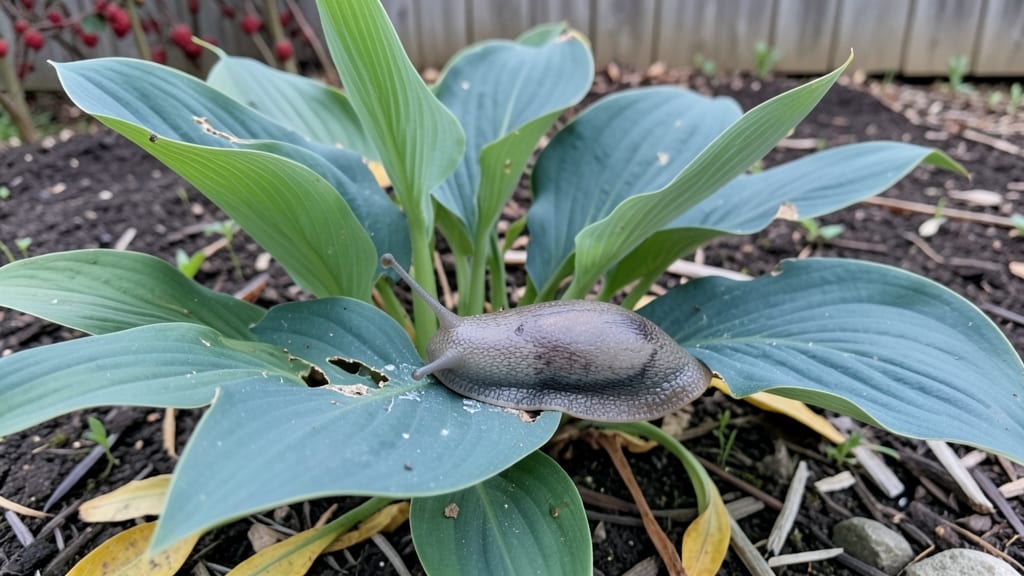
Wondering what eats hosta plants? Deer, slugs, and snails are the usual suspects—here’s how to protect your prized leaves from becoming slime trails or lace by dawn. stop them. The damage isn’t just unsightly; it’s the first sign your hostas are under siege.
Deer and rabbits tear into hostas like they’re all-you-can-eat buffets, while slugs and snails leave behind telltale slime and ragged edges. Even voles and mice burrow near the roots, gnawing on crowns when the soil stays damp.
The good news? Most of these pests have predictable patterns—and once you recognize their damage, you can outsmart them before they ruin your garden.
You’ll learn to identify the specific damage each pest leaves behind, from deer’s clean-cut edges to slugs’ slimy trails. Then, we’ll cover organic barriers like copper tape, natural repellents like garlic spray, and cultural fixes like proper mulching to make your hostas less appealing.
No more waking up to a chewed-up shade garden!
Works for backyard gardens, container plantings, and even community garden plots. The key is acting fast—once the pests find your hostas, they’ll keep coming back. Let’s get your plants protected before next season’s onslaught.
Behind The Bites: Root Causes
Hosta plants may seem like a garden’s quiet, leafy guardian—but they’re actually a buffet for hungry critters. Understanding why these pests target hostas is the first step to protecting your prized foliage.
From chemical cues to seasonal triggers, the reasons behind the munching are as varied as the culprits themselves. Let’s break down the science behind the snacking.
Hostas emit volatile organic compounds (VOCs) that act like dinner bells for pests.
These aromatic molecules—like benzyl alcohol and linalool—are naturally released by the plant’s leaves and roots, signaling to herbivores that a meal is nearby. Deer, for instance, rely heavily on scent to locate food, especially in low-visibility conditions (like dawn or dusk).
Slugs and snails, meanwhile, follow chemical trails called slime markers, which they deposit as they explore. The softer, more tender hosta leaves release higher concentrations of these compounds, making them especially appealing.
Pro Tip: 💡 Mulch with aromatic herbs like thyme or rosemary near hostas—their strong scents can mask the plant’s natural VOCs, confusing pests.
Hostas are nutritional powerhouses for herbivores, packed with:
- High moisture content: Their thick, fleshy leaves retain water, making them hydrating snacks for slugs and snails.
- Moderate protein: Deer and rabbits seek out hostas during spring and fall when their diet needs a protein boost.
- Low fiber: Unlike tough grasses, hosta leaves are easy to digest, requiring minimal chewing effort.
- Rich in alkaloids: Some hosta varieties contain mild toxins (like allantoin), which can deter pests—but others lack these defenses, making them prime targets.
In early spring, when hostas are young and tender, their nutrient density peaks, drawing in ravenous slugs and deer fawns. Late summer brings another surge in activity as pests prepare for winter and seek out calorie-rich greens.
Pest activity isn’t random—it’s tied to circadian rhythms, weather patterns, and habitat conditions. Here’s when hostas become high-risk:
| Pest Type | Peak Activity Times | Why It Happens |
|---|---|---|
| Deer | Dawn, dusk, and night | They graze when predators (like coyotes) are least active. Moonlight also enhances their ability to spot hostas. |
| Slugs & Snails | Night, after rain, or in high humidity | They avoid dry conditions—90% humidity or higher triggers their feeding frenzies. Rain dilutes their slime, making movement easier. |
| Rabbits | Twilight hours (just before sunrise/sunset) | They follow crepuscular (dawn/dusk) patterns, aligning with their natural predator avoidance instincts. |
Pro Tip: ⏰ Install motion-activated lights near hosta beds—deer and slugs hate sudden illumination, which disrupts their feeding patterns.
Your garden’s layout can accidentally create a hosta buffet. Pests thrive in environments with:
- Shady, moist microclimates: Hostas love shade, but so do slugs. Dense mulch and poor drainage turn your garden into a slug hotel.
- Ground cover proximity: Pests use nearby plants (like ivy or ferns) as highways to reach hostas. A 3-foot gap between hostas and other greenery can reduce slug traffic by 50%.
- Lack of natural predators: Birds, frogs, and ground beetles keep pest populations in check. Removing these predators (e.g., by using pesticides) leaves hostas vulnerable.
- Water sources nearby: Slugs need hydration—drip irrigation or birdbaths near hostas can turn your garden into a slug magnet.
Even organic matter (like fallen leaves or compost piles) provides hiding spots for slugs, allowing them to ambush hostas during the day.
Pro Tip: 🌡️ Space hostas 18–24 inches apart to improve airflow—dry conditions deter slugs and reduce fungal diseases that weaken plants, making them easier targets.
By recognizing these triggers, you can outsmart pests before they strike. The key? Disrupt their cues—whether it’s masking scents, altering timing, or redesigning their access routes. Your hostas will thank you with lush, unblemished leaves!
How to Protect Your Hostas
Now that you know what’s munching on your hostas, it’s time to take action! 🛡️🌱 Whether it’s deer, slugs, snails, or other garden pests, these practical solutions will help you safeguard your plants—without breaking the bank or the environment.
Below, we’ve mapped out the best fixes for each common culprit, along with prevention tips to keep your hostas thriving.
Deer are the heavy hitters when it comes to hosta destruction, and they’re not picky eaters. If you’ve spotted ragged edges or completely devoured leaves, here’s how to deter them:
🔥 Install Physical Barriers
- Fencing: A 6- to 8-foot tall fence is the gold standard. Deer can jump surprisingly high, so don’t skimp on height! 🏗️
- Pro Tip: Use t-posts and wire mesh for a budget-friendly option.
Bury the bottom 6 inches deep to prevent digging. - Netting: For smaller gardens, floating row covers (sturdy netting) can work temporarily. Secure them tightly to avoid gaps.
🍳 Use Repellents (Natural or Commercial)
- Spray Repellents: Products like Deer Out® or Liquid Fence® contain putrescent eggs (rotten egg smell) or garlic, which deer despise.
Reapply after rain. 🥬 - Homemade Spray: Mix 1 gallon of water + 1 cup rotten eggs + 1 tbsp cayenne pepper. Spray leaves and soil—reapply weekly. - Soap Barricade: Place bar soap or Irish Spring soap around the garden’s perimeter. The scent confuses deer.
👨🍳 Plant Deer-Resistant Alternatives (As a Distraction)
Deer avoid strongly scented plants like lavender, Russian sage, or daffodils. Plant these near your hostas to redirect their attention. 🌼
⏰ Timing Matters: Scare Tactics
- Motion-Activated Sprinklers: Devices like ScareCrow® spray water when deer approach—startling them away. ☔️
- Reflective Tape or Old CDs: Hang shiny objects to create movement and noise, which deer find confusing.
These slimy invaders leave silver slime trails and holey leaves. Here’s how to evict them:
🔪 Manual Removal (Old-School but Effective)
- Handpick at Night: Slugs are most active after dark. Use gloves and a flashlight, then drop them in soapy water. 🌙
- Beer Traps: Bury a shallow dish filled with beer near hostas.
The yeast attracts slugs, and they drown. 🍺 - Pro Tip: Replace beer every few days—it loses effectiveness quickly.
🌡️ Create Unfriendly Conditions
- Diatomaceous Earth (DE): Sprinkle food-grade DE around plants. It’s a natural abrasive that dehydrates slugs. Reapply after rain. 💧
- Coffee Grounds: Sprinkle used coffee grounds near hostas—the caffeine is toxic to slugs.
- Copper Barriers: Install copper tape around garden beds.
The slight electric charge repels slugs. ⚡
🎯 Preventative Planting
- Avoid Mulch Piles: Slugs love hiding in thick mulch. Keep it thin and loose.
- Plant Traps: Surround hostas with lettuce or cabbage—slugs will feast on these instead.
If you’re dealing with smaller critters like aphids or earwigs, these fixes will help:
💡 For Aphids & Soft-Bodied Bugs
- Soapy Water Spray: Mix 1 tsp mild soap + 1 quart water and spray directly on pests. 🧼
- Ladybugs & Lacewings: Introduce beneficial insects—they eat aphids naturally. 🐞
- Neem Oil: A natural insecticide that disrupts aphid life cycles.
Spray in the evening to avoid harming bees.
🔥 For Earwigs & Grubs
- Traps: Roll up newspaper soaked in beer and place near plants.
Earwigs crawl inside and drown. 📰 - Wood Ash: Sprinkle wood ash around hostas—earwigs avoid it. - Beneficial Nematodes: For grubs, use microscopic nematodes (like Heterorhabditis bacteriophora) to kill larvae in the soil. 🐛
- Keep Your Garden Healthy:
- Strong, well-watered hostas are less appealing to pests. 💦
- Rotate plants to avoid overcrowding, which attracts slugs and insects.
- Maintain Cleanliness:
- Remove debris, fallen leaves, and weeds—they harbor pests. 🧹
- Encourage Natural Predators:
- Birds, frogs, and toads love snacking on slugs and insects. Install a small birdbath to attract them. 🐸
- Rotate Solutions:
- Pests adapt to repellents. Mix up methods (e.g., barriers one season, traps the next).
By combining physical barriers, natural repellents, and smart gardening habits, you can keep your hostas safe and enjoy their lush foliage all season long. 🌿✨ Don’t wait until the damage is done—start protecting your plants today!
Frequently asked questions
What are the most common signs that deer are eating my hostas?
Look for clean, jagged edges on leaves where deer have taken bites. Deer typically graze from the top down, leaving stubbly stems behind. Their damage is often large-scale—they don’t nibble, they feast! You’ll also notice tracks or droppings near your plants if deer are frequent visitors.
How do I tell if slugs or snails are attacking my hostas?
Slugs and snails leave behind silver slime trails on leaves and soil, plus irregular holes with smooth edges. Check the undersides of leaves for tiny black droppings (they look like tiny pepper flakes). Active trails appear at night or after rain, so inspect your hostas in the morning.
Can rabbits actually kill a hosta plant?
Yes! Rabbits don’t just nibble—they can devour entire plants down to the ground. Look for neat, 1-inch-wide cuts at the base of stems or leaves. Unlike deer, rabbits prefer young shoots and tender leaves, often stripping plants completely. A single rabbit can destroy a hosta in one night if unchecked.
Are there any hosta varieties that pests avoid?
Some varieties have higher alkaloid content, making them less appealing. Try 'Blue Angel', 'Halcyon', or 'Patriot'—these have tougher leaves and bitter tastes. However, no variety is completely pest-proof. Pair resistant varieties with physical barriers for best protection.
Will coffee grounds really keep slugs away?
The caffeine in used coffee grounds acts as a natural slug repellent. Sprinkle a thick layer (½ inch) around hosta bases, but avoid direct contact with plant roots. Reapply after rain or every 2-3 weeks. For extra protection, mix with crushed eggshells—the sharp edges deter slugs too.