
Plants
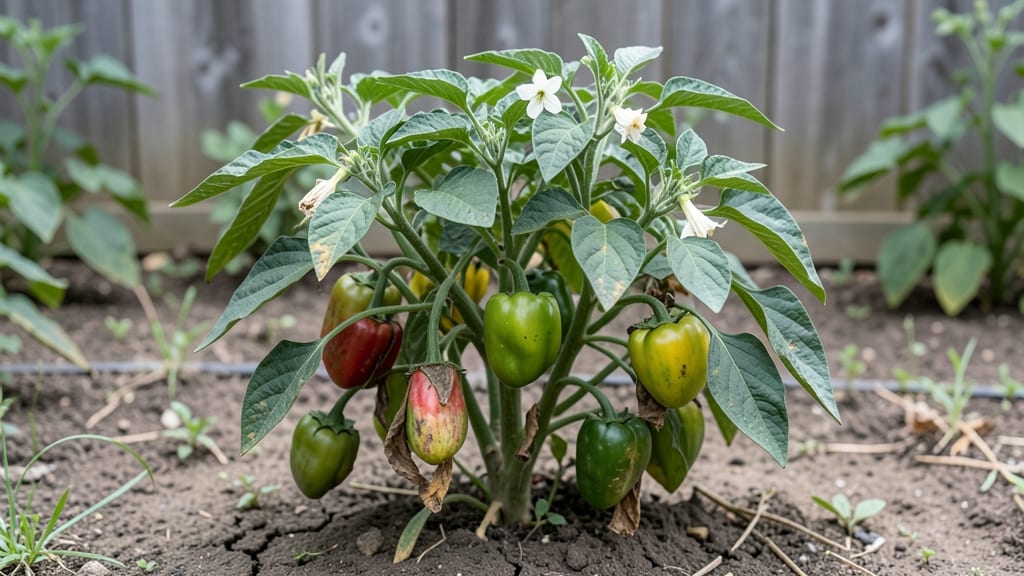
A wilted pepper plant isn’t always a death sentence—it’s often a cry for help. 🌱 I’ve nursed back more drooping vines than I can count, and the key is spotting the right clues: Are the leaves yellowing from the bottom up?
Crispy at the edges? Or just sad and limp after a hot day? Each symptom points to a different fix.
The most common culprits are simple but sneaky: underwatering that leaves soil bone-dry, overwatering that drowns roots, or sudden heat stress when temps hit 90°F. Pests like aphids or fungal diseases can also sneak in when plants are already stressed.
The good news? Most problems reverse with a few targeted tweaks—like adjusting watering, trimming damaged leaves, or moving the plant to shade.
You’ll have your peppers perking up within days if you catch the issue early. I’ve seen plants go from wilted to bushy green again after just one deep watering and a trim.
The secret is acting fast—before the vines give up completely. Let’s figure out what’s wrong and get those peppers back in fighting shape.
This works for all pepper varieties—jalapeños, bell peppers, even chiles—no matter your growing setup. Whether you’re dealing with a container plant or a garden bed, the same principles apply. Here’s how to diagnose and fix it for good.
Root Causes Of Wilting Peppers
Understanding why your pepper plants are wilting is the first step to bringing them back to life. Wilting often signals stress, and the root causes can range from environmental factors to underlying health issues. Let’s break down the most common reasons—so you can diagnose and fix the problem fast.
Pepper plants thrive in well-draining soil, and when they sit in soggy conditions, their roots suffocate. Overwatering or compacted soil (like clay) traps excess moisture, cutting off oxygen to the roots.
Without oxygen, roots can’t absorb water or nutrients efficiently, leading to wilting despite wet soil—a condition called waterlogged stress.
Key signs:
- Yellowing leaves (especially lower ones)
- Mushy, dark stems or roots
- Soil that stays damp for days after watering
Why it happens: Pepper plants (Capsicum annuum) are drought-tolerant but hate soggy feet. Their roots need aeration to function. When soil stays waterlogged, beneficial microbes die off, and harmful pathogens (like Phytophthora, a water mold) move in, rotting roots faster than you can water.
Pepper plants are tropical at heart—they love warmth but wilting can be a survival tactic to reduce water loss when soil is bone-dry. If the top inch of soil is dry, roots struggle to pull up moisture, causing leaves to droop as a protective measure.
Key signs:
- Crispy, dry leaf edges
- Soil pulling away from pot edges (if container-grown)
- Wilting that worsens in the afternoon heat
Why it happens: Peppers have shallow roots that spread wide, not deep. When soil dries out, osmotic pressure in plant cells drops, and guard cells on leaves close stomata (pores) to conserve water. This causes wilting, even if the plant isn’t dead—it’s just conserving energy. Prolonged drought can lead to permanent damage as cells collapse.
Peppers are sensitive to both heat and cold. Sudden temperature drops (below 50°F/10°C) or scorching heat (above 95°F/35°C) disrupt cellular function. Cold stress causes chilling injury, where cell membranes break down, while heat stress leads to protein denaturation—basically, the plant’s enzymes stop working properly.
Key signs:
- Wilting after a cold snap or frost
- Brown, scalded patches on leaves (heat stress)
- Stunted growth despite regular watering
Why it happens: Peppers originate from Central and South America, where nights are warm but not extreme. When temperatures drop, water uptake slows, and cells lose turgor pressure (the "plumpness" that keeps leaves upright). Heat stress, meanwhile, forces plants to transpire faster than roots can replace water, leading to rapid wilting.
Hidden pests (like aphids, spider mites, or root-knot nematodes) or fungal diseases (e.g., Fusarium wilt) can disrupt the plant’s vascular system. Wilting may start in one branch or appear uneven, as pests or pathogens block water transport in the xylem (the plant’s "straws").
Key signs:
- Sticky residue on leaves (aphids)
- Fine webbing (spider mites)
- Wilting that spreads upward (vascular diseases)
Why it happens:
- Pests pierce cells to feed, causing plasma leakage and cell collapse.
- Diseases like Fusarium or Verticillium clog xylem vessels with fungal spores, preventing water flow—even if roots are healthy.
- Root damage from grubs or nematodes reduces water absorption, triggering wilting.
Wilting can also stem from imbalanced soil chemistry. Too much salt (from fertilizers or tap water), lack of potassium, or magnesium deficiency disrupt cellular processes, including water regulation.
Key signs:
- Yellowing between leaf veins (magnesium deficiency)
- Brown leaf tips (potassium deficiency)
- Crusty soil surface (salt buildup)
Why it happens:
- Potassium regulates stomata and cell turgor—without it, leaves wilt easily.
- Magnesium is central to chlorophyll; deficiency weakens the plant’s ability to photosynthesize, reducing energy for water transport.
- Salt toxicity (from over-fertilizing or poor-quality water) burns root tips, limiting water uptake.
Accidental root injury—from transplant shock, rough handling, or even overzealous weeding—can sever root hairs critical for water absorption. Even a 10% loss of root mass can cause wilting.
Key signs:
- Wilting immediately after repotting or disturbance
- Roots that appear black or mushy (trauma + disease)
- Slow recovery despite ideal conditions
Why it happens: Roots are delicate. When damaged, mycorrhizal fungi (beneficial soil partners) that help absorb water are disrupted. New root growth takes time, leaving the plant vulnerable to wilting until the damage heals.
Use this quick checklist to narrow down the cause:
- Check soil moisture – Stick your finger 1–2 inches deep. Dry? Underwatering. Soggy? Overwatering.
- Inspect leaves – Yellowing + mushy stems = overwatering. Brown edges + crispy = underwatering.
- Look for pests – Shake leaves over a white sheet; check undersides for bugs.
- Test drainage – If water pools in saucers or runs out drainage holes immediately, your soil is too dense.
- Monitor weather – Recent temperature drops or heatwaves? That’s your culprit.
Pro Tip: 💡 Wilting isn’t always fatal—act fast! Most peppers recover if you address the root cause within 24–48 hours. For vascular diseases (like Fusarium), unfortunately, wilting may be irreversible, but you can save other plants by sterilizing tools and soil.
Revive Your Pepper Plants Today
A drooping pepper plant can feel like a setback, but with the right care, you can bring it back to life—often faster than you think! Below are targeted solutions for the most common causes of wilting, along with prevention tips to keep your peppers thriving.
Let’s tackle this step by step.
Signs: Yellowing leaves, mushy stems, or soil that stays soggy for days.
How to Fix It: 🔥 Stop Watering Immediately – Let the top 1–2 inches of soil dry out completely before watering again. 🍳 Check Your Pots – If your pepper plant is in a container, ensure it has drainage holes. If not, repot it ASAP. 👨🍳 Improve Soil Aeration – Mix in perlite, vermiculite, or coconut coir to help excess water escape. 🥘 Repot if Necessary – If roots are rotting, trim away the black/mushy sections with sterilized scissors, then repot in fresh, well-draining soil. ⏰ Monitor Watering Schedule – Pepper plants prefer 1–1.5 inches of water per week, but adjust based on heat and humidity.
Prevention Tips: ✨ Use a moisture meter to avoid guesswork. 🌡️ Water deeply but infrequently—better to underwater slightly than drown them.
Signs: Crispy leaf edges, wilting that worsens in the afternoon, or soil pulling away from pot edges.
How to Fix It: 💦 Water Thoroughly at the Base – Soak the soil until water runs out the drainage holes (about 10–15 minutes). 🌿 Mulch to Retain Moisture – Spread 2–3 inches of straw or shredded leaves around the base (keep it 2 inches away from the stem). 🌳 Provide Afternoon Shade – If temps exceed 90°F (32°C), use shade cloth (30–50%) or move pots to a morning-sun spot. 🍅 Mist Leaves (Temporarily) – Lightly misting can help cool the plant during extreme heat (do this early in the day to avoid fungal risks).
Prevention Tips: 🎯 Group plants together to create a microclimate that retains humidity. 💡 Self-watering pots can automate moisture control for busy gardeners.
Signs: Yellowing between leaf veins (nitrogen deficiency), stunted growth, or burnt leaf tips (too much salt).
How to Fix It: 📊 Flush the Soil – If over-fertilized, water heavily for 10–15 minutes to leach out excess salts. 🥗 Feed with the Right Mix – Use a balanced fertilizer (10-10-10 or 5-5-5) or a pepper-specific formula (high in phosphorus for fruiting). 🍎 Add Compost or Worm Castings – Mix 1–2 cups of compost into the top 6 inches of soil for slow-release nutrients. 🔄 Wait Before Fertilizing Again – If leaves are burnt, hold off for 2–3 weeks to let the plant recover.
Prevention Tips: ✨ Test your soil every 2–3 years to avoid deficiencies or toxic buildup. 💪 Use organic fertilizers like fish emulsion or banana peels (for potassium) in moderation.
Signs: Holes in leaves, sticky residue (aphids), white powder (powdery mildew), or sudden wilting with no other cause.
How to Fix It: 🔪 Isolate the Plant – Move it away from healthy peppers to prevent spread. 🍳 Spray Neem Oil Solution – Mix 1 tsp neem oil + 1 tsp mild soap + 1 quart water, spray early morning/evening for 3–5 days. 🌿 Remove Infested Parts – Snip off yellowed or chewed leaves and dispose of them (don’t compost!). 💧 Improve Airflow – Prune nearby plants to reduce humidity around your pepper.
Prevention Tips: 🎯 Inspect leaves weekly—catch pests early! 🌡️ Water at the base (not overhead) to discourage fungal growth.
Signs: Roots circling the pot, stunted growth despite good care, or wilting that happens after heavy watering.
How to Fix It: 🌱 Repot Immediately – Choose a container 2–4 inches larger in diameter with fresh, well-draining soil. 🔄 Loosen Roots Gently – If roots are circling, tease them apart before repotting to encourage outward growth. 💧 Water Lightly After Repotting – Avoid heavy watering for 3–5 days to let roots establish.
Prevention Tips: 💡 Repot every 1–2 years or when roots exceed the pot size. 🌱 Use fabric pots for better root health and easier transplanting.
If your pepper plant is completely limp (not just drooping):
- Trim dead foliage to redirect energy to healthy growth.
- Submerge the pot in water for 10–15 minutes to rehydrate roots (if soil is bone-dry).
- Move to a shady, humid spot (like a bathroom or greenhouse) for 3–5 days to recover.
Pro Tip: 🌟 Patience is key! Pepper plants can bounce back in 1–2 weeks with proper care. Keep an eye on them, adjust as needed, and soon you’ll be harvesting plump, juicy peppers again!
Frequently asked questions
Why does my pepper plant wilt in the afternoon but recovers at night?
This is classic heat stress. Pepper plants close their stomata (pores) during extreme afternoon heat to conserve water, causing wilting. The plant recovers overnight when temperatures drop and moisture returns. Provide afternoon shade with 30–50% shade cloth or move pots to a cooler spot until temps stabilize below 90°F (32°C).
Can I save a pepper plant with completely black, mushy stems?
Unfortunately, this indicates root rot or fungal disease (like Phytophthora), which is often irreversible. However, you can sterilize tools and soil to save other plants. Cut back healthy growth and repot in fresh, sterile soil—but expect new growth to be minimal. For future plants, ensure well-draining soil and avoid overwatering.
How often should I water my pepper plant to prevent wilting?
Pepper plants prefer 1–1.5 inches of water per week, but frequency depends on your climate. Check soil moisture by sticking your finger 1–2 inches deep—water when dry. In containers, water when the top inch feels dry. Overwatering is more dangerous than underwatering, so err on the side of less frequent, deeper watering.
Will pruning help a wilting pepper plant recover faster?
Yes! Pruning damaged or yellow leaves reduces stress on the plant by redirecting energy to healthy growth. Use sterilized scissors to trim back to a healthy leaf node. Avoid heavy pruning—focus on removing only the most affected foliage. This improves airflow and helps the plant recover more quickly from underlying issues like pests or disease.
Can I use coffee grounds to fix a wilting pepper plant?
Coffee grounds are high in nitrogen, which can help with mild deficiencies, but they’re not a fix for wilting. Overuse can raise soil acidity or attract pests. Instead, mix 1–2 cups of compost into the soil for balanced nutrients. For wilting, focus first on watering adjustments and soil drainage—those are the root causes in 80% of cases.