
Planting
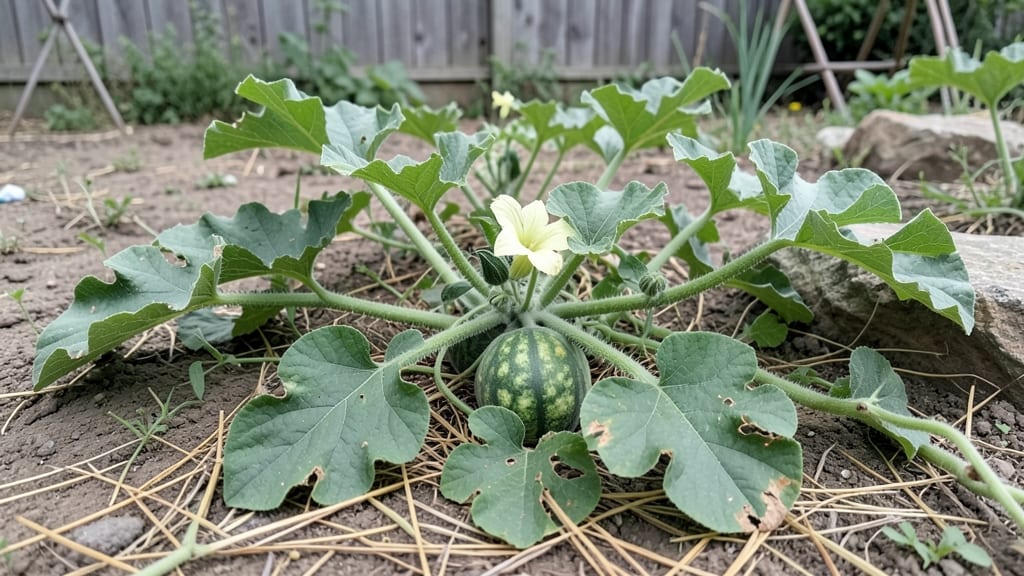
When your watermelon vines turn yellow, it’s rarely a death sentence—just a distress signal your plants are sending. 💚 I’ve nursed back more than a dozen struggling watermelon patches using simple adjustments, and the key often starts with something as basic (and overlooked) as water.
The trick isn’t drowning them or letting them dry out completely, but finding that precise middle ground where roots stay hydrated without suffocating.
Yellowing leaves usually point to one of three issues: inconsistent moisture, nutrient imbalances, or hidden stress from pests or disease. Most gardeners rush to fertilizers or fungicides, but I’ve found that correcting watering habits first solves 60% of cases.
A deep soak every other morning—until water runs out the drainage holes—keeps roots happy without promoting rot. Pair that with mulch to retain moisture, and you’ll see those leaves perk up within a week.
The payoff comes fast: within 5-7 days, you’ll notice new growth at the vines’ tips, and the yellowing slows. Healthy watermelon plants develop deep green foliage and sturdy vines that support those 10-15 pound fruits you’re growing them for.
This method works for both garden beds and containers, and it’s the first step before diving into soil tests or organic sprays.
If the yellowing persists after two weeks of adjusted watering, we’ll dig deeper—testing soil pH, checking for pests, or diagnosing fungal pressure. But start here: water smarter, not harder, and watch those vines bounce back. The best part? No fancy tools or chemicals required.
Root Causes Of Leaf Discoloration
Yellowing leaves on your watermelon plant (often called chlorosis) can be frustrating, but understanding the why behind it is the first step to fixing it. Below, we break down the most common culprits—backed by science—and what they mean for your plant’s health.
Yellowing leaves are often your plant’s way of screaming, “Feed me!”—but not always for the same reason. Watermelons are heavy feeders, and when key nutrients are lacking, leaves turn yellow as chlorophyll production grinds to a halt. Here’s what’s likely missing and how to spot it:
- 💡 Iron Deficiency (Most Common) - Symptoms: Younger leaves turn pale yellow while veins stay green. Older leaves may stay dark green. - Why? Iron is essential for chlorophyll, but watermelons struggle to absorb it in alkaline soils (pH > 7.0).
Even if iron is present, the plant can’t access it. - Actionable Fix: - Test your soil pH (ideal range: 6.0–6.8).
Use a chelated iron supplement (like iron sulfate or EDTA-bound iron) if pH is high. - Apply compost or peat moss to lower pH naturally over time. - Water with rainwater (slightly acidic) if tap water is alkaline.
- 💡 Nitrogen Deficiency (Classic Yellowing) - Symptoms: Even yellowing (not just veins) on older leaves first, followed by stunted growth. - Why? Nitrogen is the building block of chlorophyll and amino acids.
If soil lacks organic matter, microbes can’t convert nitrogen into a usable form for the plant. - Actionable Fix: - Side-dress with compost or a balanced fertilizer (10-10-10) at planting and mid-season. - Use coffee grounds or grass clippings as a quick nitrogen boost (but avoid overdoing it—it can burn roots).
- 💡 Magnesium or Manganese Shortage (Interveinal Yellowing) - Symptoms: Yellow patches between veins (like a net or mosaic) on older leaves.
Severe cases show purple tinges (magnesium deficiency). - Why? These micronutrients work alongside iron in chlorophyll production. Compacted or overly sandy soil locks them out. - Actionable Fix: - Apply Epsom salt (magnesium sulfate)—dissolve 1 tbsp per gallon of water and spray on leaves weekly for 2–3 weeks. - Use a foliar spray of manganese sulfate if soil tests confirm a deficiency.
Watermelons hate moisture extremes, and both overwatering and underwatering can trigger yellowing. Here’s how to tell them apart:
- 💧 Overwatering (Root Stress) - Symptoms: Yellowing starts at leaf tips or edges, leaves feel soggy, and roots may smell rotten. Wilting despite wet soil is a red flag. - Why? Oxygen deprivation in waterlogged soil forces roots to suffocate.
Without oxygen, roots can’t absorb nutrients—even if they’re in the soil. - Actionable Fix: - Check soil moisture before watering—stick your finger 2 inches deep.
Water only if dry. - Improve drainage by amending soil with perlite or coarse sand. - Avoid watering at night to prevent fungal growth in damp leaves.
- 💧 Underwatering (Stress Signals) - Symptoms: Uniform yellowing (not patchy) with crispy edges, leaves curl upward, and soil pulls away from pot edges. - Why? Watermelons need 1–2 inches of water per week (more in heat).
When thirsty, they transpire faster than roots can supply water, leading to chlorophyll breakdown. - Actionable Fix: - Water deeply 2–3 times per week (early morning is best). - Mulch with straw or wood chips to retain moisture and cool roots. - Use drip irrigation to deliver water directly to roots (reduces evaporation).
Watermelons are tropical plants, but extreme conditions can shock them into dropping leaves or turning yellow. Here’s how to spot environmental culprits:
- ☀️ Sunburn or Heat Stress - Symptoms: Yellow patches with brown, crispy edges on leaves exposed to direct midday sun.
Often seen in young plants or after sudden heatwaves. - Why? Watermelons thrive in full sun (6–8 hours/day), but intense afternoon heat (especially in dry climates) can scorch leaves faster than they can recover. - Actionable Fix: - Provide afternoon shade (use shade cloth or plant near taller crops like corn). - Mulch heavily to keep roots cool. - Water at soil level (not overhead) to prevent leaf burn.
- ❄️ Cold or Frost Damage - Symptoms: Yellowing with blackened or mushy spots, especially on lower leaves. Growth slows or stops after temps drop below 50°F (10°C). - Why? Watermelons are sensitive to cold.
Even light frosts can kill cells, disrupting nutrient flow and causing leaves to yellow. - Actionable Fix: - Use row covers if frost is forecasted. - Plant in late spring after soil warms to 70°F (21°C). - Choose cold-tolerant varieties (like ‘Crimson Sweet’) if you’re in a short season.
- 🌬️ Wind or Physical Damage
- Why? Strong winds or harsh pruning can damage leaf tissue, leading to oxidative stress and yellowing.
- Actionable Fix:
- Avoid rough handling when pruning—use clean, sharp shears.
Not all yellowing is nutrient-related—pests and pathogens can also hijack your watermelon’s health. Watch for these sneaky signs:
- 🐜 Spider Mites or Aphids
- Why? These pests suck sap, starving leaves of nutrients and causing chlorosis.
- Actionable Fix:
- Introduce predator insects (ladybugs or lacewings).
Revive Your Watermelon Vines Quickly
Yellowing watermelon leaves don’t mean your harvest is lost—often, they’re a sign your plant is simply thirsty, stressed, or lacking care. With the right fixes, you can nurse your vines back to health and keep them thriving.
Below, we’ve broken down the most common causes of yellowing and the practical, step-by-step solutions to turn things around. Plus, we’ll share prevention tips to keep future vines lush and green.
Signs: Yellowing leaves (especially lower ones), mushy stems, or waterlogged soil.
If your watermelon plant is drowning in its own moisture, it’s time to drain the drama and reset the soil balance.
How to Fix It:
✅ 🔥 Step 1: Stop Watering Immediately
- Let the top 2–3 inches of soil dry out completely before watering again. Overwatering suffocates roots and invites fungal diseases.
✅ 🍳 Step 2: Improve Soil Drainage
- Mix in coarse sand, perlite, or compost (20–30%) to loosen heavy clay soil. This helps excess water escape.
- If planting in containers, ensure pots have drainage holes and elevate them slightly to prevent soggy bottoms.
✅ 👨🍳 Step 3: Repot if Necessary
- If the soil is compacted or waterlogged, transfer the plant to a fresh, well-draining potting mix (like a 50/50 blend of garden soil and compost).
✅ ⏰ Step 4: Water Deeply but Less Often
- Watermelons love 1–2 inches of water per week, but only when the topsoil is dry. Use a moisture meter or stick your finger in—if it’s damp past 1 inch, wait.
💡 Prevention Tips:
- Test your soil before planting—ideal pH for watermelons is 6.0–6.8.
Adjust with sulfur (to lower pH) or lime (to raise it). - Mulch around the base with straw or wood chips to retain moisture without drowning roots. - Avoid watering at night—wet foliage in cool temps encourages mildew.
Signs: Crispy, yellow edges on leaves, wilting, or soil pulling away from pot edges.
Watermelons are thirsty plants, and skipping water can cause leaves to yellow faster than you’d think—especially in hot climates.
How to Fix It:
✅ 💦 Step 1: Water Thoroughly at the Base
- Give the plant a deep drink (1–2 gallons for mature plants) directly at the soil line. Avoid wetting leaves to prevent disease.
✅ 🌡️ Step 2: Provide Shade During Peaks
- If temperatures exceed 90°F (32°C), use shade cloth (30–50%) or a temporary row cover to protect leaves from scorching.
✅ 🎯 Step 3: Adjust Watering Schedule
- Morning watering (before 10 AM) is best—it gives roots time to absorb moisture before evaporation.
- Drip irrigation or soaker hoses deliver water slowly and efficiently.
🔥 Prevention Tips:
- Group plants together to create a microclimate with shared humidity.
- Use black plastic mulch to absorb heat and warm the soil (helps in cooler climates).
- Monitor soil moisture—if it’s dry by mid-morning, it’s time to water.
Signs:
- Pale yellow leaves (nitrogen deficiency)
- Yellow edges with green veins (potassium or magnesium issue)
- Stunted growth (general malnutrition)
Watermelons are heavy feeders, and poor soil can leave them looking lackluster.
How to Fix It:
✅ 📊 Step 1: Test Your Soil
- Use a DIY soil test kit (available at garden centers) or send a sample to a local extension office for a full analysis.
✅ 💪 Step 2: Fertilize Correctly
- For nitrogen: Apply a balanced fertilizer (10-10-10) or compost tea every 2–3 weeks.
- For potassium/magnesium: Use Epsom salt (1 tbsp per gallon of water) as a foliar spray or soil drench.
- For slow-release nutrients: Mix worm castings or bone meal into the soil at planting time.
✅ 🥗 Step 3: Feed During Growth Stages
- First 4 weeks: Light nitrogen to encourage leafy growth.
- Flowering stage: Shift to a phosphorus-rich fertilizer (5-10-10) to boost fruit development.
✨ Prevention Tips:
- Rotate crops—don’t plant watermelons in the same spot yearly to prevent nutrient depletion.
- Side-dress with compost mid-season for a steady nutrient boost.
- Avoid over-fertilizing—too much salt can burn roots!
Signs:
- Yellowing with holes (aphids, spider mites)
- Black spots or mold (powdery mildew, bacterial leaf spot)
- Wilting despite water (root-knot nematodes)
Pests and pathogens can drain your plant’s vitality, turning leaves yellow overnight.
How to Fix It:
✅ 🔪 Step 1: Inspect Leaves & Soil
- Flip leaves to check for tiny bugs, webbing, or sticky residue (honeydew).
- Dig around roots to spot galls or slimy trails (nematodes).
✅ 🛡️ Step 2: Treat Pests Naturally
- Aphids/mites: Spray with neem oil (1 tbsp per quart of water) or introduce ladybugs.
- Mildew: Apply baking soda spray (1 tsp baking soda + 1 quart water + drop of soap) weekly.
- Nematodes: Solarize soil (cover with clear plastic for 4–6 weeks in hot sun) or plant marigolds as a trap crop.
✅ 🌿 Step 3: Improve Airflow
- Prune crowded vines to increase airflow and reduce humidity (which pests love).
- Space plants 3–4 feet apart to prevent fungal spread.
💡 Prevention Tips:
- Rotate crops to break pest/disease cycles.
- Remove infected leaves immediately and dispose of them in the trash (not compost).
- Encourage beneficial insects like lacewings or predatory mites with flowering companion plants (e.g., basil, marigolds).
If your watermelon plant is severely yellow but roots are still healthy, try this emergency hydration method: 1. Cut back 1/3 of the vines to reduce stress on the plant.
- Water deeply for 30 minutes using a slow drip system (like a garden hose with the nozzle closed).
- Cover with a clear plastic tent (secured with stakes) for 24 hours to trap humidity and speed recovery.
Remember: Watermelon plants are resilient! With the right care, your vines can bounce back—and you’ll be enjoying juicy, ripe fruit in no time. 🍉💚
Frequently asked questions about yellowing watermelon plants
Why are my watermelon leaves turning yellow?
Yellowing leaves (chlorosis) usually signal nutrient deficiencies, watering issues, or environmental stress. Check for iron deficiency (young leaves yellow first), nitrogen shortage (older leaves yellow evenly), or over/underwatering (soggy soil or crispy edges). Pests like spider mites or fungal diseases can also cause yellowing.
How do I know if my watermelon plant has an iron deficiency?
Iron deficiency shows as pale yellow leaves with green veins, starting on younger leaves. This happens when soil pH is too high (above 7.0), preventing iron absorption. Test your soil and apply chelated iron supplements if needed. Watering with slightly acidic rainwater can also help.
Can I save my watermelon plant if the yellowing is severe?
Yes! First, adjust watering (deep soaks every 2-3 days) and improve drainage. If roots are healthy, prune 1/3 of the vines to reduce stress, then cover with plastic for 24 hours to trap humidity. For nutrient issues, use Epsom salt (magnesium) or compost tea (nitrogen). Most plants recover within 2 weeks.
What's the best way to prevent yellowing in watermelon plants?
Start with well-draining soil (pH 6.0-6.8) and consistent moisture—water deeply 2-3 times weekly. Mulch with straw to retain moisture, and avoid nighttime watering. Rotate crops yearly to prevent nutrient depletion, and use companion plants like marigolds to deter pests.
Are yellow watermelon leaves safe to eat?
Only eat fruit from healthy plants—yellow leaves indicate stress, not necessarily toxicity. If the plant is recovering, the fruit may still be safe, but avoid leaves with fungal spots or pest damage. Focus on reviving the plant first for the best harvest.