
Diseases
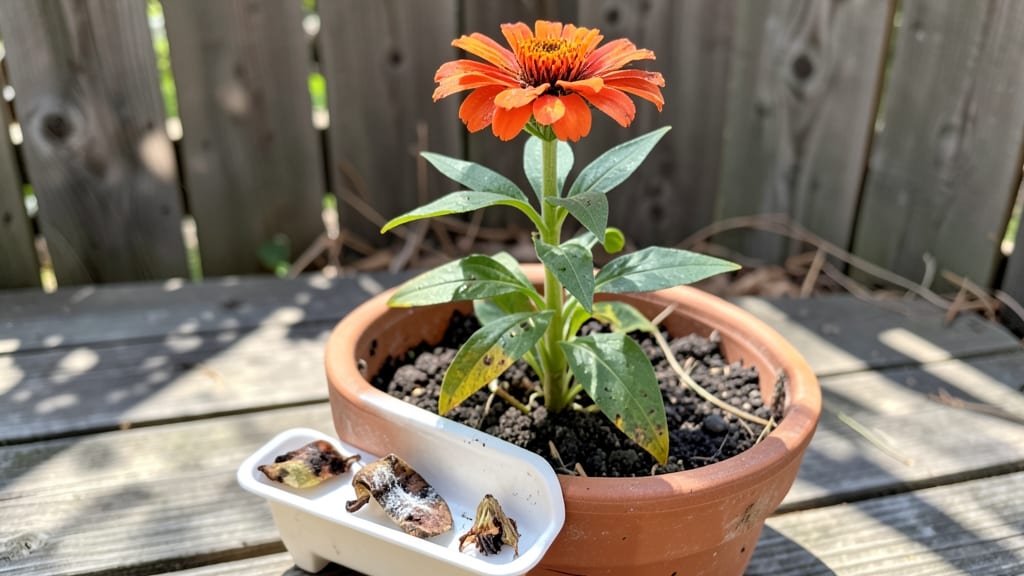
Zinnia plant diseases like powdery mildew and bacterial leaf spot can turn your vibrant blooms into sad, spotted messes—fast. 🌿 I’ve watched zinnias go from showstopping to sad in just a few days, and I’ll show you how to spot the warning signs before they spiral out of control.
The worst offenders—fungal infections and bacterial spots—love warm, humid conditions, which means your summer garden is basically their playground. But here’s the good news: catching them early means you can often save your plants with simple fixes, like pruning infected leaves or applying a copper fungicide spray.
You’ll learn to recognize the telltale signs—powdery white residue, dark spots, or yellowing leaves—and how to treat them without harsh chemicals. The key is acting fast: once the disease spreads, even the hardiest zinnias can’t bounce back.
Whether you’re dealing with a single plant or a whole bed, this guide gives you the tools to diagnose, treat, and prevent future outbreaks. Let’s get those zinnias back to their glory days!
Why it happens
Zinnia plants, with their vibrant blooms and cheerful presence, can quickly become a gardener’s nightmare when struck by disease. But why do these issues pop up in the first place?
Often, it’s a mix of environmental stress, poor cultural practices, and the relentless presence of pathogens waiting for the perfect opportunity to strike. Let’s break down the key reasons zinnia diseases take hold—and how you can prevent them before they start.
Zinnias thrive in warm, sunny conditions, but when the weather turns too humid or rainy, their defenses weaken. Fungal diseases like powdery mildew and septoria leaf spot flourish in these conditions because:
- High humidity (above 75%): Creates a damp, moist environment that fungal spores love. Spores land on leaves, germinate, and spread rapidly when water isn’t allowed to evaporate.
- Poor air circulation: Crowded plants or dense foliage trap moisture, giving pathogens a cozy home. Bacterial leaf spot, for example, thrives in stagnant, wet conditions.
- Temperature swings: Cool nights followed by hot days stress zinnias, making them more susceptible to infections. Downy mildew often strikes when temperatures drop below 70°F (21°C) at night.
💡 Pro Tip: Space zinnias 12–18 inches apart to improve airflow, and water in the early morning so leaves dry quickly. Avoid overhead irrigation—stick to drip systems or soaker hoses!
A zinnia fighting for survival is an easy target for diseases. Weak plants with nutrient deficiencies or physical damage have thinner cell walls, making it easier for pathogens to invade. Common triggers include:
- Nitrogen deficiency: Leads to pale, yellowing leaves (chlorosis), weakening the plant’s immune response. Fungal infections like rust exploit this vulnerability.
- Over-fertilization with phosphorus or potassium: While essential, excess nutrients can disrupt the plant’s natural defenses, making it more prone to bacterial wilt.
- Physical trauma: Damaged leaves or stems (from hail, pests, or rough handling) create entry points for bacteria and fungi. Alternaria leaf spot often enters through these wounds.
📊 Actionable Fix: Conduct a soil test to check pH and nutrient levels (zinnias prefer 6.0–7.0). Use a balanced fertilizer (e.g., 10-10-10) and avoid heavy-handed feeding. Mulch with straw to protect stems from soil-borne pathogens.
Diseases don’t appear out of thin air—they’re carried by spores, bacteria, or contaminated tools. Here’s how zinnias get infected:
| Pathogen | How It Spreads | Prevention |
|---|---|---|
| Powdery Mildew (Erysiphe cichoracearum) | Windborne spores from infected plants or nearby weeds (e.g., marigolds, cosmos). | Remove mildewed plants immediately and sterilize pruners with 70% rubbing alcohol. |
| Bacterial Leaf Spot (Xanthomonas campestris) | Water splashing from infected leaves or contaminated garden tools. | Water at the base, not overhead, and rotate crops annually to break the cycle. |
| Fusarium Wilt (Fusarium oxysporum) | Survives in soil for years; enters through roots from contaminated water or tools. | Disinfect pots and tools with bleach solution (1 part bleach to 9 parts water). |
✨ Key Insight: Many pathogens overwinter in soil or plant debris. Practice crop rotation and sanitation to starve them out.
Zinnias packed too closely together create a perfect storm for disease:
- Reduced airflow: Humidity lingers, and spores can’t dry out. This is a magnet for powdery mildew and rust.
- Soil contamination: Overwatered or poorly drained soil breeds root rot (e.g., Phytophthora), which weakens the plant systemically.
- Weed competition: Weeds harbor diseases and pests, acting as a bridge to your zinnias.
🔥 Quick Fix: Thin out seedlings to 12–18 inches apart and remove weeds within a 3-foot radius. Improve drainage by amending soil with compost or perlite.
How to Fix Zinnia Troubles
Zinnias are resilient, but when diseases strike, quick action can save your garden. Below are practical, step-by-step solutions for the most common fungal and bacterial threats—plus prevention tips to keep your zinnias thriving. Let’s get your blooms back to their vibrant best!
1. Powdery Mildew: Scrub and Spray
**🔥 Cause: White, powdery coating on leaves (from Erysiphe cichoracearum). 🍳 Fix It: - Remove infected leaves immediately—don’t compost them!
Toss in the trash to prevent spores from lingering. - Wipe leaves with a neem oil solution (1 tbsp neem oil + 1 tsp mild soap per quart of water).
Use a soft cloth or sponge to gently scrub the undersides where mildew hides. - Spray fungicide (baking soda spray: 1 tsp baking soda + 1 quart water + few drops of soap) every 7–10 days until symptoms disappear. - Improve airflow by spacing plants 12–18 inches apart and pruning crowded foliage.
💡 Prevention Tip: Plant zinnias in full sun (6+ hours/day) and water early in the day so leaves dry quickly. Avoid overhead sprinklers!
2. Rust: Prune and Protect
**🔥 Cause: Orange pustules on leaves (from Puccinia fungi). 🍳 Fix It: - Prune infected leaves with sterilized shears (wipe with rubbing alcohol between cuts).
Destroy debris—do not leave it in the garden. - Apply copper fungicide (follow label instructions) every 10–14 days for 3–4 weeks to stop spores. - Rotate crops next season—don’t plant zinnias (or susceptible plants like marigolds) in the same spot for 2 years.
💡 Prevention Tip: Water at the base (not the leaves) and mulch to reduce soil splashes that spread rust spores.
3. Gray Mold (Botrytis): Dry It Out 🔥 Cause: Gray fuzzy patches on stems/flowers (from Botrytis cinerea). 🍳 Fix It:
- Remove all infected plant parts—including stems and buds—immediately. Sterilize tools between cuts.
- Space plants wider (18+ inches apart) to improve airflow.
Thin out crowded stems. - Water in the morning and avoid wetting foliage. If you must water leaves, use a drip system or soaker hose. - Apply hydrogen peroxide spray (3% solution, 1:1 with water) every 5–7 days to kill spores.
💡 Prevention Tip: Deadhead spent blooms regularly to reduce moisture buildup in the center of the plant.
4.
Bacterial Leaf Spot: Sterilize and Spray **🔥 Cause: Dark spots with yellow halos (from Xanthomonas or Pseudomonas). 🍳 Fix It: - Cut off and dispose of spotted leaves. Do not compost—sterilize pruners with bleach (1:10 ratio) between cuts. - Spray copper fungicide (like Copper Soap) every 7–10 days until new growth appears. - Avoid overhead watering—use a watering wand at the base instead.
💡 Prevention Tip: Rotate crops and plant disease-resistant varieties like ‘Benary’s Giant’ or ‘Crystal’.
5.
Stem Rot: Dig Deep for Solutions **🔥 Cause: Soft, mushy stems at the base (from Pythium or Phytophthora). 🍳 Fix It: - Pull up the plant and remove all roots from the soil. Do not replant zinnias in that spot for at least 1 year. - Disinfect the soil with a 10% hydrogen peroxide solution (1 part peroxide to 9 parts water) if the area is small. - Improve drainage by amending soil with compost and perlite (aim for 50% organic matter). - Water less frequently—zinnias prefer moderate moisture, not soggy soil.
💡 Prevention Tip: Raise beds or plant zinnias in containers if your garden has poor drainage.
- Boost plant health with a balanced fertilizer (10-10-10) after treating diseases to help zinnias recover.
- Encourage beneficial insects like ladybugs and lacewings by planting marigolds or dill nearby—they prey on pests that weaken plants.
- Rotate plant families—zinnias are in the Asteraceae family, so avoid replanting them in the same spot for 2–3 years.
✨ Pro Tip: If diseases keep recurring, test your soil pH (ideal: 6.0–7.0 for zinnias). Too acidic or alkaline soil can stress plants, making them more susceptible to infections.
With these fixes, your zinnias will bounce back stronger—and you’ll be armed to prevent future outbreaks! 🌼💪
Frequently asked questions
Why do my zinnias develop white powdery spots even when I water them properly?
That’s likely powdery mildew, a fungal disease thriving in humid conditions. Even proper watering can’t prevent it if air circulation is poor. The white powder spreads when spores land on leaves and find damp conditions. Improve airflow by spacing plants 12–18 inches apart and watering early in the day so leaves dry quickly.
Can I save zinnias with brown, crunchy leaves that look like they’ve been burned?
Those symptoms suggest bacterial leaf spot or Alternaria leaf spot. Prune infected leaves immediately with sterilized tools (wipe with rubbing alcohol), and avoid overhead watering. Apply a copper fungicide spray every 7–10 days until new growth appears. Remove all infected plant debris to stop the spread.
My zinnias have orange pustules on the undersides of leaves—what’s wrong?
Those are signs of rust disease, caused by Puccinia fungi. Prune infected leaves with sterilized shears and destroy them (don’t compost). Apply copper fungicide every 10–14 days for 3–4 weeks, and rotate crops next season—don’t replant zinnias in the same spot for 2 years.
Is it safe to use baking soda spray on zinnias for fungal diseases?
Yes! A homemade baking soda spray (1 tsp baking soda + 1 quart water + a few drops of mild soap) is effective against powdery mildew and gray mold. Spray it on both sides of leaves every 7–10 days until symptoms disappear. For severe infections, combine it with neem oil (1 tbsp per quart) for better results.
How do I prevent zinnias from getting diseases in the first place?
Focus on proper spacing (12–18 inches apart), good airflow, and watering at the base (not overhead). Plant in full sun (6+ hours/day), deadhead regularly, and rotate crops every 2–3 years. Use disease-resistant varieties like ‘Benary’s Giant’ or ‘Crystal’ for extra protection.