
How To
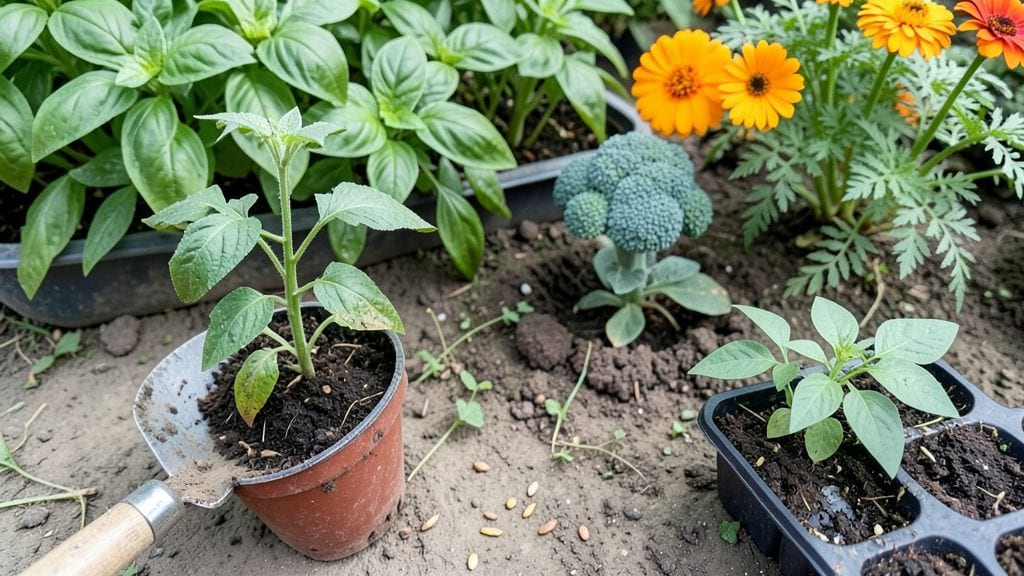
A 7A planting schedule follows USDA Zone 7A frost dates to maximize your garden's potential, planting cool-season crops like spinach in late February and warm-season crops such as peppers in late April after the last frost. Local conditions can shift these windows by 2-3 weeks.
A 7A planting schedule isn't just about dates—it's about understanding your garden's unique rhythm. 🌱 The USDA Zone 7A range spans from 10°F to 20°F, but your actual frost dates depend on elevation and nearby water bodies.
For example, urban areas often warm up faster than rural spots, while higher elevations may delay spring planting by 1-2 weeks. I always check my local cooperative extension service for 10-year averages—this helps me adjust my timeline when we get an unusually early or late frost.
What makes this schedule work is balancing cool-season and warm-season crops. Early spring brings hardy greens like kale and peas, while summer thrives with tomatoes and basil.
The key is succession planting: after harvesting your first crop, replant with fast growers like radishes or lettuce to keep your garden productive all season. Container gardening also helps extend your growing window—just place pots near south-facing walls to capture extra warmth.
💡 In This Article
- Understanding 7A Frost Dates and Microclimates
- Best Plants for 7A Seasonal Planting Success
Understanding 7A frost dates and microclimates
Calculating frost dates in Zone 7A starts with historical averages from your local cooperative extension service. These records typically show the last spring frost occurs around April 15 and the first fall frost around October 15, but your exact dates can vary by 10-14 days depending on location.
For precision, use the 30-year average data—this accounts for natural climate fluctuations better than short-term records. The key mechanism here is how cold air pools in low areas at night, creating frost pockets that can hit your garden even when nearby weather stations show warmer temperatures.
Elevation shifts frost dates dramatically: every 1,000 feet gain in altitude typically delays spring planting by 3-5 days and advances fall frost by similar margins. This happens because air cools 3.5°F per 1,000 feet—so a mountain garden at 2,000 feet might experience frost 7-10 days later than valley gardens.
Urban heat islands work in reverse, often creating 5-10°F warmer microclimates that extend growing seasons by 2-3 weeks. I've seen basil thrive in downtown planters when rural areas still need row covers.
For practical timing, use the 50% probability rule: plant warm-season crops when only 50% of years experience frost after your target date. This accounts for variability while minimizing risk.
Historical data shows that in Zone 7A, May 10 is the safest date for planting tomatoes—earlier plantings risk 20% chance of frost damage. The USDA's Plant Hardiness Zone Map provides a baseline, but local weather stations give the real story.
Microclimates create dramatic variations even within small areas. A south-facing slope warms up 2-3 hours faster than north-facing ground, while bodies of water can delay frost formation by 7-10 days through heat retention.
I've mapped my garden and found that the area 20 feet from my pond stays frost-free 5 days longer than the high ground. These variations explain why some gardeners in the same zip code have wildly different success rates.
Advanced gardeners use degree-day calculations to predict growth stages. Most plants need 1,000-1,500 growing degree days (above 50°F) to mature—this helps explain why tomatoes planted May 1 in low areas might ripen 2 weeks earlier than those at higher elevations.
The National Oceanic and Atmospheric Administration (NOAA) provides free tools to calculate these values for your specific location.
Remember: your garden's microclimate is unique. Start with official frost dates as a guide, then observe your own space for 3 years to identify patterns. That's how you'll develop your own precision planting schedule that outperforms generic recommendations. 🌿