
How To
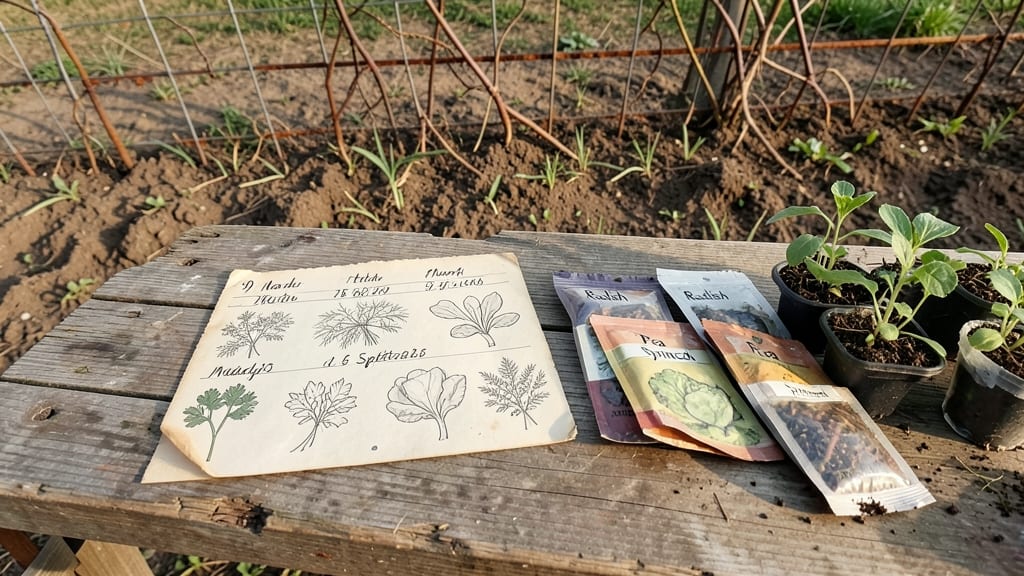
The 9B planting calendar helps Southern Florida gardeners time their plantings perfectly by aligning warm-season crops like tomatoes and peppers with March, while cool-season greens such as lettuce flourish in October. The region’s frost-free winters and high humidity create ideal conditions for year-round growing, with strategic planting schedules to maximize harvests and continuous yields.
The 9B zone’s subtropical climate means you can grow almost anything year-round, but timing matters.
Warm-season crops like okra and eggplant need the soil to reach 70°F+ before planting, while cool-season crops like kale tolerate 50-60°F temperatures. 🌱 This calendar isn’t just about months—it’s about heat, humidity, and even rainfall patterns.
For example, summer planting requires shade cloths to protect seedlings from intense sun, while fall plantings benefit from natural rainfall without needing extra irrigation.
Pro tip: Use a soil thermometer to check temperatures before planting—this is especially critical for warm-season crops. Many gardeners in 9B also practice succession planting, where they stagger seeds every 2-3 weeks to ensure a continuous harvest.
This works particularly well for leafy greens and herbs, which can handle partial shade and cooler temperatures.
💡 In This Article
- Understanding 9B Climate and Planting Seasons
- Monthly 9B Planting Checklist for Beginners
Understanding 9B climate and planting seasons
Florida's 9B zone thrives in a subtropical climate where average winter lows rarely drop below 40°F, creating a frost-free environment that extends growing seasons. This unique climate allows gardeners to cultivate crops year-round, but the key lies in understanding how temperature fluctuations and humidity influence plant development.
Unlike northern zones that experience harsh winters, 9B's mild winters and hot summers create distinct planting windows for heat-tolerant and cool-season crops.
The region's high humidity—often exceeding 70% relative humidity—also plays a crucial role in plant growth, requiring careful water management to prevent fungal diseases while maintaining optimal soil moisture.
The difference between 9B and neighboring zones like 9A (north Florida) or 10A (south Florida) becomes clear when examining temperature thresholds.
While 9A may experience occasional light frosts that can damage tender plants, 9B's consistent warmth means warm-season crops like tomatoes and peppers can be planted as early as February-March when soil temperatures reach 65-70°F.
In contrast, 10A's even warmer climate allows for earlier plantings, but also requires more aggressive heat management during summer months. The science behind this involves plant hardiness zones, which are based on average annual minimum temperatures—9B's 25-30°F minimum means most vegetables can grow year-round with proper timing.
Humidity in 9B creates both opportunities and challenges. The high moisture levels accelerate plant growth but also increase susceptibility to pests and diseases. For example, fungal issues like powdery mildew thrive in these conditions, making proper spacing and airflow critical.
The solution often involves using shade cloths during peak summer months to reduce leaf temperatures while maintaining adequate humidity levels. This balance is particularly important for leafy greens and herbs, which can bolt (flower prematurely) when exposed to intense heat.
Understanding these dynamics helps gardeners choose appropriate varieties—like heat-tolerant okra or drought-resistant rosemary—that thrive in 9B's specific climate conditions.
Temperature fluctuations create another layer of complexity. While summer months can see afternoon highs exceeding 90°F, nighttime temperatures often drop to 75-80°F, creating a diurnal range that benefits certain crops.
This pattern explains why many gardeners in 9B focus on succession planting during spring and fall when temperatures are more moderate.
The strategy involves planting small batches of crops every 2-3 weeks to ensure continuous harvests, which works exceptionally well for fast-growing vegetables like lettuce and radishes that can handle the transitional seasons between extreme heat and mild winters.
What most gardeners don't realize is how these climate factors interact with soil conditions. The sandy soils common in southern Florida drain quickly but retain little moisture, requiring regular irrigation during dry periods.
This is why many 9B gardeners incorporate organic matter like compost to improve water retention while maintaining good drainage.
The result is a planting schedule that's not just about months but about creating the right microclimate for each crop—whether that means providing afternoon shade for seedlings or choosing heat-resistant varieties that can withstand summer's intensity.
Consider these key climate characteristics when planning your garden:
- Temperature ranges: Warm-season crops need 70°F+ soil temps; cool-season crops thrive at 50-65°F
- Humidity impact: High moisture speeds growth but increases disease risk—space plants properly
- Seasonal transitions: Spring/fall offer ideal planting windows with moderate temperatures
- Soil management: Sandy soils require organic amendments for moisture retention
The 9B zone's climate creates a gardening paradise for those who understand its nuances. By working with—not against—the natural patterns of temperature, humidity, and seasonal transitions, you can create a productive garden that yields harvests throughout the year.
The secret lies in observing these patterns and adapting your planting schedule accordingly. 🌿