
How To
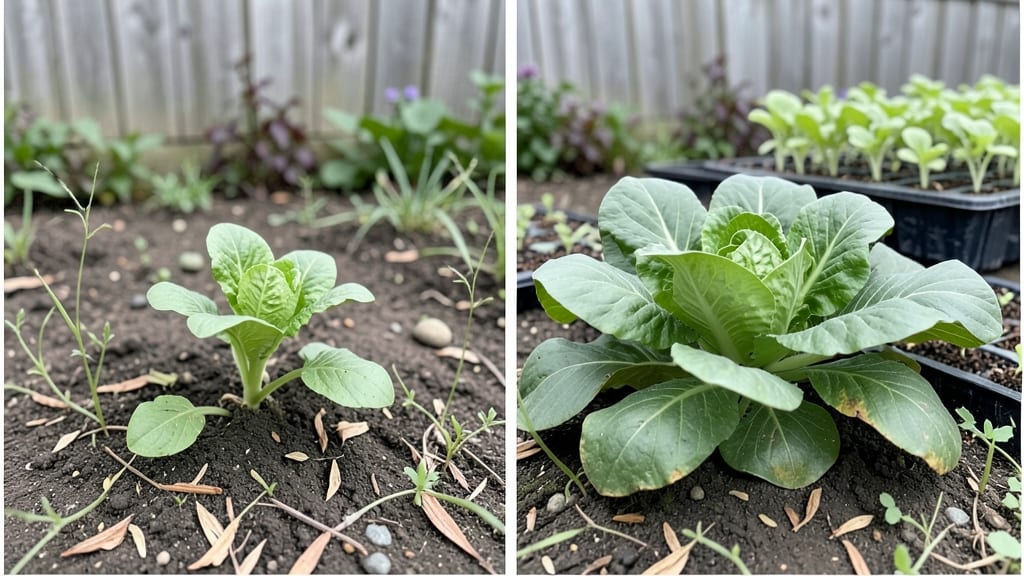
Your veggie planting schedule could mean the difference between a garden that thrives and one that struggles—especially when you match each crop to its perfect window.
I learned this the hard way after planting tomatoes too early in my first spring, only to watch them bolt before producing a single fruit. The secret isn’t just knowing what to plant, but when—and that timing depends entirely on your hardiness zone.
Cool-season crops like spinach and peas need to go in as soon as the soil is workable, often 2-4 weeks before your last frost date, while warm-season crops like cucumbers and peppers wait until after the danger of frost has passed.
My zone 6 garden, for example, starts tomatoes in late May, but in zone 9, they can go in as early as February. Succession planting—adding new rows every 2-3 weeks—keeps harvests coming all season long, whether you’re growing lettuce or beans.
By following this schedule, you’ll end up with a garden that produces earlier, more abundant harvests—no more sad, half-grown zucchinis or bitter greens.
The key is tracking your frost dates, adjusting for microclimates (like a sunny south-facing wall), and sticking to a simple rule: plant cool crops early, warm crops late, and never rush the season.
This works for backyard plots, raised beds, or even container gardens—just scale the spacing. The payoff? A kitchen stocked with fresh veggies from June through October, no matter where you live. Let’s get those seeds in the ground at the right time.
📚 In This Guide
- What you need
- Instructions
- Tips and common mistakes
- Wrapping up and next steps
What you need
- ● Seeds or seedlings: Choose zone-specific varieties (e.g., cold-hardy greens for Zone 3, heat-loving tomatoes for Zone 9).
- ● Quantity: 1–2 packets per veggie type (e.g., 50–100 tomato seeds or 25–50 pepper plants).
- ● Garden beds or containers: Raised beds (4’x8’ recommended) or pots (minimum 5-gallon size for tomatoes/peppers).
- ● Soil: High-quality potting mix or compost-amended garden soil (avoid clay-heavy soil).
- ● Tools: Hand trowel, pruners, and garden fork.
- ● Watering can (with a fine rose) or hose with adjustable nozzle.
- ○ Gloves (optional but highly recommended for thorny plants like raspberries!).
- ● Sunlight assessment: Measure daily sunlight in your garden (most veggies need 6–8 hours of sun).
- ● Frost dates: Check your USDA Plant Hardiness Zone for last/first frost timelines.
- ● Weather prep: Row covers or cold frames for early/late plantings.
- ● Mulch (straw or shredded leaves) to retain moisture.
- ● Organic fertilizer (e.g., compost tea or balanced 10-10-10).
- ● Plant markers (sticks or labels) for tracking varieties.
- ● Trellis or cages for vining plants (e.g., cucumbers, beans).
Instructions: create your Zone-specific veggie planting schedule
Here's how to align your planting with your climate for a garden that thrives all season long.
Determine Your Planting Zone and Last Frost Date
First, locate your USDA Planting Zone by entering your ZIP code into the USDA Plant Hardiness Zone Map online. This tells you your average last frost date—critical for timing. For example, Zone 5 typically sees its last frost around April 15, while Zone 9 may not experience frost until December 15. Write this date down; it’s your starting point.
Next, calculate your first frost date by counting backward from your last frost date. Most zones experience about 240 days between first and last frost. This helps you plan cool-season crops like spinach or peas that can’t survive summer heat. I always double-check with local gardeners or extension offices—they often have more precise data than general zone maps.
Group Vegetables by Seasonal Needs
Divide your veggies into three categories: cool-season, warm-season, and year-round. Cool-season crops like lettuce, broccoli, and carrots thrive in 50-65°F soil and can handle light frosts. Warm-season plants such as tomatoes, peppers, and cucumbers need 60-85°F soil and won’t germinate until after your last frost. Year-round crops like kale or Swiss chard tolerate a wide range but perform best in moderate temperatures.
Make a simple chart listing your favorite vegetables under their respective categories. For example, under "cool-season," note "spinach (plant 4-6 weeks before last frost)" and under "warm-season," write "tomatoes (plant after last frost, when soil is 60°F)." This keeps your schedule organized and prevents overwhelm. I always start with the crops I love most—it makes the process feel personal and rewarding.
Calculate Planting Windows for Each Crop
Now, use your last frost date to set planting windows. Cool-season crops should go in 4-6 weeks before your last frost, giving them time to mature before summer heat. For example, if your last frost is April 15, plant lettuce by March 1. Warm-season crops like tomatoes and peppers need to wait until 2 weeks after your last frost—so in Zone 5, that’s around April 30. Some crops, like beans and squash, are heat-tolerant and can be planted later, even up to June 1 in cooler zones.
For a second harvest, plan a fall planting of cool-season crops 120-135 days before your first frost. In Zone 5, that’s August 15-September 1 for spinach or radishes. I like to mark these dates on a calendar with sticky notes so I don’t forget. Pro tip: Succession planting—sowing small batches every 2 weeks—keeps a steady supply of crops like lettuce or radishes all season.
Adjust for Microclimates and Soil Conditions
Your yard isn’t uniform—some spots stay cooler or warmer due to sun exposure, wind, or nearby structures. Observe your garden over a week to note these differences. For example, the north side of your house might stay 5-10°F cooler than the south side, delaying planting there by 1-2 weeks. Use this to your advantage: plant heat-loving crops like peppers in cooler microclimates later in the season.
Soil temperature matters just as much as air temperature. Use a soil thermometer to check—most seeds need soil at least 50°F to germinate. In cooler zones, use black plastic mulch or row covers to warm the soil 2-3 weeks earlier. I’ve seen this trick add 10-14 days to the growing season for crops like onions or carrots. If your soil drains poorly, amend it with compost or sand before planting to prevent waterlogged roots.
Build Your Planting Calendar and Track Progress
Transfer your notes into a planting calendar, either digital or on paper. Include key dates like last frost, soil warming goals, and succession planting reminders. For example, my Zone 6 calendar notes "plant peas March 15, tomatoes May 15, lettuce August 1 for fall harvest." I also add reminders for tasks like fertilizing or mulching—these keep the garden thriving once planting starts.
Set phone alerts or use a garden app to remind you of upcoming plantings. I swear by a simple spreadsheet where I track what’s planted, when it’s due for harvest, and any issues like pests or slow growth. This helps me adjust on the fly—like moving a struggling tomato plant to a sunnier spot if the calendar shows it’s not getting enough light. The key is flexibility: weather can always throw a curveball, so stay observant and ready to adapt.
Tips & tricks for perfect Zone-specific veggie planting
Creating a successful veggie planting schedule takes more than just following the basics—it’s about understanding your unique growing conditions and making smart adjustments. Here’s how to optimize your planting for maximum success.
Local Knowledge is Key: While USDA zones provide a great starting point, your actual last frost date can vary by 1-2 weeks depending on elevation and microclimates. I’ve found that checking with your local cooperative extension office often reveals more precise data than the general zone map. For example, a Zone 6 area might actually experience its last frost around May 1 rather than the typical April 15, which could delay your warm-season planting by nearly a month.
Soil Temperature Testing: Don’t rely on air temperature alone—soil temperature is what truly matters for seed germination. Use a soil thermometer to verify when your soil reaches at least 50°F before planting cool-season crops. In my experience, soil warms 2-3 weeks later than air temperature in spring, so planting too early based on air temp alone can lead to poor germination. For warm-season crops, wait until soil hits 60°F or higher—this is especially critical for tomatoes and peppers that won’t germinate in cooler conditions.
Microclimate Mapping: Your garden isn’t one uniform environment—some areas get more sun, others stay cooler, and wind patterns vary. I recommend spending a week observing your yard before planting. Mark areas that stay 5-10°F cooler (like north-facing spots) and note where heat collects (south-facing areas). This helps you strategically place heat-loving crops like peppers in cooler microclimates later in the season when other areas become too hot.
Calendar System Flexibility: While your planting schedule should be precise, always leave room for weather surprises. I’ve learned to add 10% buffer time around key dates—like extending the cool-season planting window by an extra week. This accounts for unexpected cold snaps or warm spells. Digital calendars with reminders work well, but I still keep a physical garden journal where I can jot down observations like "north bed stayed cool after May 1 frost" to refine next year’s schedule.
Pro Tips for Veggie Planting Schedule
- Creating a successful veggie planting schedule takes more than just following the basics—it’s about understanding your unique growing conditions and making smart adjustments.
- Local Knowledge is Key: While USDA zones provide a great starting point, your actual last frost date can vary by 1-2 weeks depending on elevation and microclimates.
- Soil Temperature Testing: Don’t rely on air temperature alone—soil temperature is what truly matters for seed germination.
Frequently asked questions
Got questions about timing, spacing, or troubleshooting your veggie garden? You’re not alone!
Here are answers to the most common queries to help you plan like a pro.
When is the best time to start planting in my zone?
Your USDA Hardiness Zone determines your planting window. For cool-season crops (like lettuce or peas), plant 4–6 weeks before your last frost date. Warm-season veggies (tomatoes, peppers) go in 2–3 weeks after frost. Check your zone’s local frost dates for precision!
Can I plant vegetables year-round, or do I need to wait?
Year-round planting depends on your climate! In mild zones (8–11), you can grow veggies almost anytime, but cooler months may need row covers. In colder zones, focus on successive planting—sow fast-growing crops (radishes, spinach) every 2–3 weeks for continuous harvests.
What if my soil is too cold or too hot for planting?
Soil temperature matters! Use a soil thermometer—most veggies thrive in 60–70°F soil. If it’s too cold, wait or use black plastic mulch to warm it. If it’s scorching, plant in shade cloth or opt for heat-tolerant varieties like okra or sweet potatoes.
How do I adjust my schedule for container gardening?
Containers warm up faster than soil, so plant 2–4 weeks earlier than ground planting. Choose compact varieties (like bush beans or cherry tomatoes) and ensure pots have drainage. Monitor moisture—containers dry out quicker!
My seedlings look weak or wilted—what went wrong?
Common culprits: overwatering (check soil moisture), underwatering (wilted leaves), or pests (inspect for holes or chewed leaves). Harden off seedlings gradually by exposing them to outdoor conditions for 1–2 weeks before transplanting.
Wrapping up and next steps
Creating a veggie planting schedule tailored to your USDA Plant Hardiness Zone is the first step to a thriving garden! 🌱 Whether you’re a seasoned gardener or just starting, understanding the right timing for each crop ensures a bountiful harvest with minimal stress.
Now that you’re armed with zone-specific insights and practical tips, it’s time to roll up your sleeves and get planting!
Your next step? Pick 2-3 easy veggies to start—like lettuce, tomatoes, or green beans—and mark their planting dates on your calendar. Happy gardening! 🌿