
Companion Plants
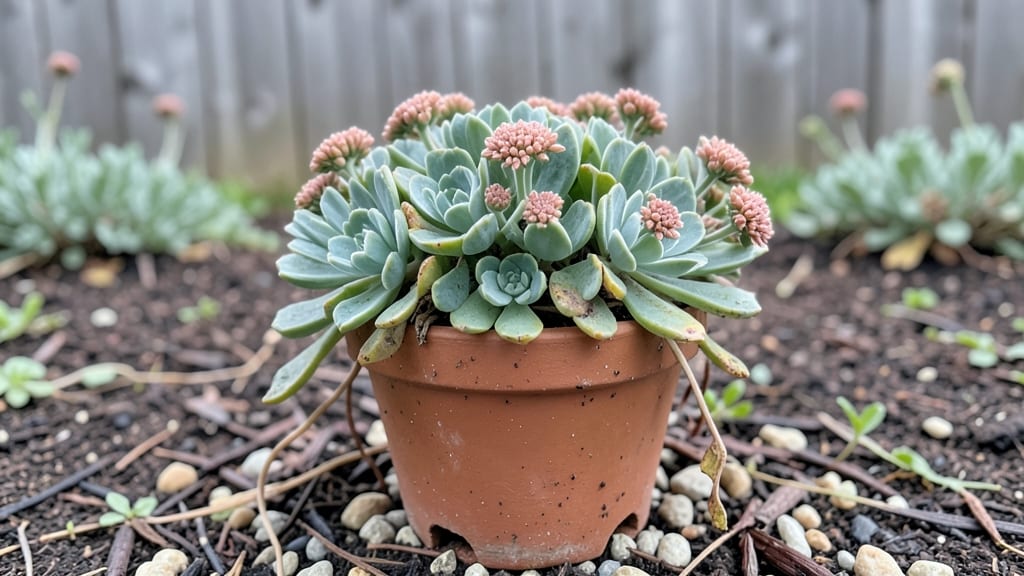
Apartment patio plants don’t need much space to shine—just the right choices and a little creativity. 🌿 I’ve turned my 6-foot balcony into a lush retreat by focusing on compact, high-impact plants that thrive in containers.
The secret isn’t complicated: pick plants that fit your space, love the light you have, and won’t outgrow their pots in a season.
Start with a mix of herbs like thyme and parsley—they’re tough, fragrant, and happy in small pots. Add a trailing plant like sweet potato vine for instant vertical interest, and toss in a dwarf citrus tree or bromeliad for year-round color.
Most of these need just sunlight, water, and occasional fertilizer—no fancy setups required.
By summer, you’ll have a patio that feels like a mini garden escape—vibrant foliage, sweet scents, and maybe even fresh herbs for cooking. The best part? These plants keep growing without taking over, so you can rearrange, expand, or even move them indoors when seasons change.
Whether you’re working with a railing, a tabletop, or wall pockets, the key is layering heights and textures for maximum impact. Let’s pick your perfect lineup!
📚 In This Guide
- What you need
- Instructions
- Tips and common mistakes
- Wrapping up and next steps
What you need
- ● Containers: 3–5 space-saving pots (8–12 inches in diameter) with drainage holes. Opt for lightweight, durable materials like: Terracotta (breathable, classic)
- ● Fiberglass (lightweight, weather-resistant)
- ● Plastic (budget-friendly, versatile)
- ● Potting Mix: 1–2 bags (10–20 lbs) of high-quality, well-draining companion plant mix (e.g., 60% peat/coir, 30% perlite, 10% compost). Avoid garden soil—it compacts and drains poorly!
- ● Drainage Layer: Small pebbles, hydroponic clay pellets, or crushed gravel (1–2 cups per pot).
- ● Slow-Release Fertilizer: 1–2 packets of organic fertilizer (e.g., 10-10-10 or fish emulsion) for nutrient-dense soil.
- ● Mulch: 1 bag of organic mulch (e.g., shredded bark or coconut coir) to retain moisture.
- ● Self-watering planters (for busy schedules).
- ● Decorative trays or saucers (to catch runoff and add style).
- ● Plant labels (to track varieties and care needs).
- ● Portable grow lights (if your patio lacks sunlight).
- ● Hanging planters or vertical garden panels (to maximize vertical space).
- ● A balcony or patio with at least 4–6 hours of sunlight daily (or a grow light setup for shade lovers).
- ● Access to water (a hose or watering can with a long spout).
- ● Basic gardening knowledge (or willingness to learn—no pressure!).
- ● Check your lease or building rules for pet-friendly plants (if you have pets) or restrictions on containers.
Instructions for designing a stunning apartment patio garden
Here’s how to transform limited space into a lush, functional retreat with plants that thrive in tight quarters.
🪴 Step 1: Select Containers and Optimize Space
Choose containers that maximize vertical and horizontal real estate—think hanging baskets, tiered shelves, and wall-mounted planters for herbs and trailing plants. I prefer 6-12 inch pots for most plants, but deeper 14-inch containers work best for root crops like radishes or small fruiting plants. Use self-watering pots if you travel often—they keep soil consistently moist without the guesswork.
Arrange containers in layers: place taller plants like dwarf citrus or ornamental grasses at the back, mid-height plants like basil or peppers in the middle, and trailing varieties like sweet potato vine or nasturtiums at the edges. This creates visual depth while using every inch efficiently. Avoid overcrowding—3-4 plants per 12-inch pot is ideal for most herbs and flowers.
🌱 Step 2: Choose the Right Plants for Small Spaces
Focus on compact varieties and fast-growing annuals that won’t outpace your space. Herbs like thyme, oregano, and chives thrive in tiny pots, while lettuce, radishes, and bush beans grow well in 5-6 inch containers. For color, petunias, pansies, and calibrachoa spill beautifully over edges without taking up floor space.
I always include one or two statement plants—like a dwarf Meyer lemon tree or a miniature olive tree—to anchor the space. These add height and drama while staying manageable. Avoid heavy feeders like tomatoes or corn unless you’re committed to succession planting in small batches.
☀️ Step 3: Master Light and Microclimates
Most apartment patios have hot spots and shaded corners—use this to your advantage. Place sun-lovers like succulents, rosemary, and peppers in the brightest areas, while shade-tolerant plants like ferns, impatiens, or parsley thrive in cooler spots. If your space gets less than 4 hours of sun, opt for low-light varieties like peace lilies or cast iron plants.
Rotate containers quarter-turn weekly to ensure even growth—plants naturally lean toward the light, and this keeps them compact and symmetrical. For south-facing patios, provide afternoon shade in summer to prevent wilting. A lightweight shade cloth draped over a frame works perfectly.
💧 Step 4: Water Wisely in Limited Space
Group plants with similar water needs together to simplify care. Succulents and herbs need deep but infrequent watering, while leafy greens and flowers prefer consistent moisture. Use a self-watering system or drip irrigation to avoid overwatering—nothing kills patio plants faster than soggy soil in small containers.
Check soil moisture by sticking your finger 1 inch deep—if it’s dry, water until it runs out the drainage holes. Mulch with 1-2 inches of shredded bark to retain moisture and suppress weeds. For hanging baskets, water from the top and bottom to ensure even saturation.
✂️ Step 5: Prune and Maintain for Long-Term Growth
Regular pruning keeps plants compact and encourages bushier growth. Pinch back leggy stems on herbs and flowers to promote branching, and trim trailing plants every few weeks to control sprawl. Deadhead spent blooms on annuals to prolong flowering—this is especially important for petunias and geraniums, which reward consistent care with nonstop color.
Fertilize every 4-6 weeks with a balanced liquid fertilizer (like 10-10-10) during the growing season. I avoid granular fertilizers in small pots—they can burn roots if not watered in properly. In fall, reduce watering and cut back dead foliage to prep plants for dormancy if they’re not evergreen.
Tips & tricks for perfect apartment patio plant arrangements
A few clever strategies will help you maximize every square inch of your balcony while keeping your plants thriving—here’s what I’ve learned after years of trial and error.
Container Layering Secret: When arranging your containers in Step 1, use a mix of heights to create visual interest without taking up extra space. I like to place my 14-inch containers on sturdy plant stands or stacked cinder blocks to elevate them slightly—this creates the illusion of more depth while keeping everything accessible. For trailing plants like sweet potato vine, anchor them to lightweight trellises that attach to the sides of your pots, allowing them to cascade without sprawling across your patio.
Plant Pairing Strategy: In Step 2, group plants with similar care needs together to simplify maintenance. Pair your sun-loving herbs like rosemary and thyme with drought-tolerant succulents in the same 12-inch pot—they’ll all thrive with the same infrequent watering schedule. For your shade-tolerant plants like ferns and impatiens, combine them with leafy greens that prefer consistent moisture. This "neighborhood" approach makes watering and fertilizing a breeze while preventing overcrowding in individual containers.
Light Rotation Hack: The quarter-turn weekly rotation in Step 3 is non-negotiable for even growth, but here’s a pro tip: mark the front of each container with a small piece of masking tape before rotating. This helps you remember which direction each plant was facing originally—critical for plants like dwarf citrus that develop uneven growth when rotated too frequently. I also recommend using a small laser level or even a smartphone app to check for true vertical alignment before placing taller containers in the back.
Watering System Upgrade: For Step 4, consider investing in a simple DIY drip irrigation system using clear vinyl tubing and a basic timer. You can run the tubing along the edges of your patio, connecting it to each container’s drainage hole. This delivers water directly to the roots without the mess of hand-watering, and the timer ensures consistency even when you’re away. For hanging baskets, I’ve found that placing a small saucer underneath catches any runoff, preventing water damage to your balcony furniture.
Pro Tips for Apartment Patio Plants
- A few clever strategies will help you maximize every square inch of your balcony while keeping your plants thriving—here’s what I’ve learned after years of trial and error.
- Container Layering Secret: When arranging your containers in Step 1, use a mix of heights to create visual interest without taking up extra space.
- Plant Pairing Strategy: In Step 2, group plants with similar care needs together to simplify maintenance.
Frequently asked questions
Got questions about transforming your apartment patio into a lush green haven? Here are some of the most common queries—and their answers—to help you get started!
What are the best low-maintenance plants for small apartment patios?
Look for hardy, drought-tolerant varieties like succulents (snake plant, jade plant), herbs (basil, thyme), or compact shrubs (boston fern, dwarf olive tree). These thrive in containers with minimal fuss and adapt well to urban environments. Pro tip: Choose plants with similar watering needs to simplify care!
How do I maximize space for plants on a tiny balcony?
Use vertical gardening (wall planters, trellises), stackable pots, and foldable furniture with built-in planters. Opt for trailing plants (pothos, ivy) to add greenery without taking up floor space. Hang pots from railings or use pegboard organizers to create a customizable green wall!
When is the best time to plant on an apartment patio?
For most plants, spring (after the last frost) is ideal, but container plants can be added anytime if your patio has shelter. Herbs and succulents tolerate heat better, so they’re great for summer starts. If planting in winter, choose cold-hardy varieties (rosemary, pansies) and protect them from wind.
How often should I water patio plants in containers?
Check soil moisture daily in hot weather—containers dry out fast! Most plants need water when the top inch of soil feels dry. Morning watering reduces evaporation, and self-watering pots can help maintain consistency. Overwatering is a common mistake—always ensure pots have drainage holes!
What do I do if my patio plants get pests or diseases?
Start with neem oil or insecticidal soap for pests like aphids or spider mites. Isolate affected plants to prevent spread. For fungal issues (e.g., powdery mildew), improve airflow and avoid overhead watering. Regularly inspect leaves and remove damaged foliage to keep plants healthy!
Can I grow edible plants on an apartment patio?
Try herbs (mint, parsley), leafy greens (lettuce, kale), or compact veggies (cherry tomatoes, peppers). Use deep containers (at least 6–12 inches) for root crops like radishes. Rotate crops seasonally to maximize yield and avoid soil depletion.
Wrapping up and next steps
Transforming your apartment patio into a lush green oasis is easier—and more rewarding—than you think! With the right space-saving plants, you can bring life, color, and freshness to even the smallest balcony.
Whether you’re drawn to herbs, succulents, or trailing vines, the key is choosing plants that thrive in limited space while aligning with your care routine.
Ready to take the next step? Start small—pick one or two plants to begin, experiment with containers, and watch your patio bloom! 🌱 For extra inspiration, sketch a simple layout or browse plant communities for more ideas. Your balcony garden awaits—happy planting!