
Aphids
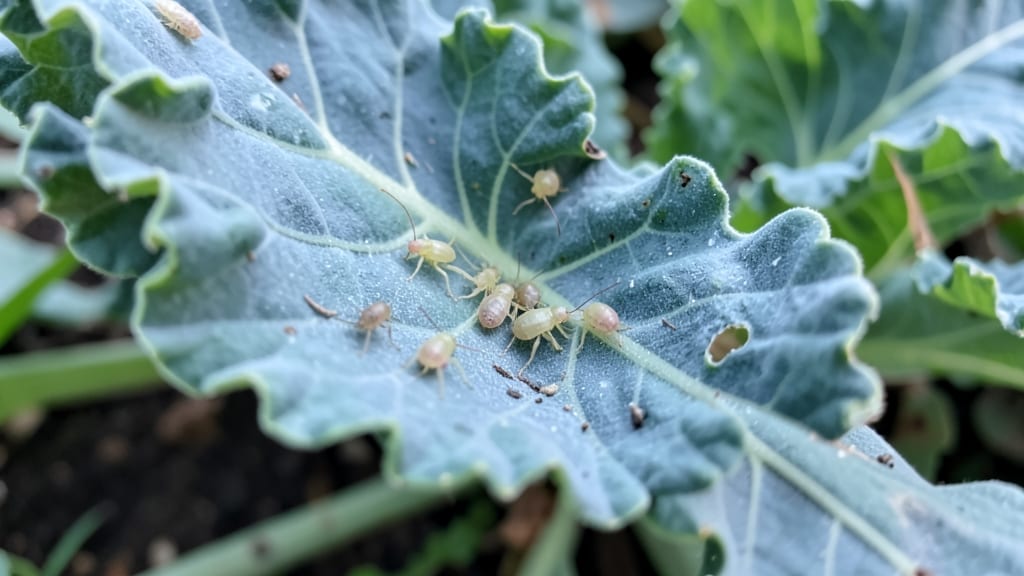
Aphids on kale plants can turn your crispy harvest into a sticky mess faster than you can say "pesto." I’ve watched these tiny green invaders multiply overnight, leaving behind a trail of honeydew and wilted leaves—until I discovered this 24-hour organic spray that actually works.
The key isn’t just slathering on neem oil (though that helps), but combining it with the right timing and garden ecology to knock them out for good.
Here’s the thing—aphids love kale because it’s tender and sweet, but they hate the right mix of disruption. My spray uses food-grade ingredients you can find at the grocery store or garden center, and it’s gentle enough for edible greens but tough enough to stop an infestation in its tracks.
No harsh chemicals, no waiting weeks for results—just a quick shake and spray that gives you back your plants by morning.
By lunchtime the next day, you’ll see aphids dropping like flies (literally), and your kale will start bouncing back with fresh, crisp edges instead of curled, sticky leaves. The best part?
This method also attracts beneficial insects like ladybugs, which become your new pest patrol. Once you try it, you’ll wonder why you ever reached for chemical sprays.
Works for backyard gardens, raised beds, or even container-grown kale—just adjust the spray volume based on plant size. And if you’re growing other brassicas (like cabbage or broccoli), this same spray tackles those pests too. Let’s get those leaves clean and your harvest back on track.
Common Causes of Kale Infestations
Aphids on kale aren’t just a random nuisance—they’re drawn to your plants for very specific reasons. Understanding these triggers is the first step to preventing (or quickly eliminating) their unwelcome presence. Let’s break down the science behind why these tiny pests target your kale in the first place.
Aphids are opportunistic feeders, and stressed or weakened kale plants are their favorite buffet. When your kale is struggling—whether from poor nutrition, disease, or environmental stress—its natural defenses drop, making it an easy target.
- Nutrient Deficiencies: Kale thrives on a balanced diet of nitrogen (N), phosphorus (P), and potassium (K), but deficiencies (especially in nitrogen) weaken its leaves, making them softer and more attractive to aphids.
Aphids also love new growth, which is often nitrogen-rich and tender. - Overcrowding: When kale plants are too close together, air circulation suffers, leading to humidity buildup and fungal diseases (like powdery mildew).
Weakened leaves become aphid magnets. - Water Stress: Both overwatering (root rot) and underwatering (drought stress) weaken plants. Aphids detect these signals and flock to compromised leaves for easy feeding.
💡 Pro Tip: Healthy kale = tougher leaves. Rotate crops, space plants properly (18–24 inches apart), and mulch to retain moisture and nutrients.
Aphids aren’t picky, but they do have preferences—especially when it comes to sap-rich, tender leaves and specific plant signals.
- High Sugar Content: Kale with excess nitrogen (common in over-fertilized soil) produces sweeter sap, which aphids love.
Think of it like a sugar rush for these pests. - Volatile Organic Compounds (VOCs): Plants under stress (from drought, pests, or damage) release chemical signals that aphids can detect from up to a mile away.
It’s like a dinner bell for them! - Young, Soft Growth: Aphids prefer new leaves and shoots because they’re easier to pierce and packed with nutrients. That’s why you’ll often see them clustered on the tips of kale stems.
✨ Science Note: Aphids have special sensory organs on their antennae that detect these chemical cues—almost like a built-in GPS for weak plants.
Aphids aren’t just about the plants—they’re also influenced by temperature, humidity, and wind patterns.
- Warm, Still Conditions: Aphids thrive in temperatures between 60–80°F (15–27°C).
Warmth speeds up their reproduction (they can multiply exponentially in ideal conditions), while calm air prevents natural predators (like ladybugs) from hunting them. - Humidity and Rain: While aphids dislike heavy rain (which can wash them off), high humidity creates a perfect environment for their growth.
Additionally, sudden temperature shifts (like cold nights followed by warm days) can stress plants, making them more vulnerable. - Windbreaks and Sheltered Areas: If your kale is planted near fences, walls, or dense foliage, aphids may gather there because these spots provide protection from wind and predators.
🌡️ Quick Fix: If you notice aphids moving in after a warm spell, act fast—spraying with water or introducing beneficial insects (like lacewings) can disrupt their cycle.
Once aphids find a host, they don’t stay put. Here’s how they turn a single plant into a full-blown invasion:
- Asexual Reproduction: Many aphid species (like the green peach aphid) can reproduce without mating, giving birth to clones every 7–10 days.
A single female can produce hundreds of offspring in weeks! - Ant "Farming": Some aphids (like black aphids) form mutualistic relationships with ants, which protect them in exchange for their honeydew (a sugary waste product).
This creates a safe haven for aphids to multiply unchecked. - Wind and Water Dispersal: Aphids (or their eggs) can hitch rides on wind currents, rain splashes, or garden tools, spreading to nearby kale plants in no time.
🚨 Warning Sign: If you see ants crawling on your kale, they’re likely "herding" aphids—time to intervene before the infestation explodes.
Sometimes, well-meaning gardening practices actually invite aphids. Here’s how:
- Over-Fertilizing with Nitrogen: While nitrogen helps kale grow, too much makes leaves softer and sweeter, signaling aphids to feast. - Ignoring Pest Early Signs: Small aphid clusters are easy to miss, but by the time you notice sticky honeydew or curled leaves, the infestation is often severe. - Monocropping Kale: Planting only kale (or other brassicas) in one area makes it a aphid buffet.
Crop rotation disrupts their life cycle.
🎯 Prevention Hack: Interplant kale with strong-scented herbs (like basil or dill) to mask its attractiveness to aphids.
Quick Fixes for Kale Aphid Infestations
Aphids on your kale plants can feel like a tiny, sticky nightmare—but don’t panic! With the right approach, you can tackle these pests fast and keep your greens thriving.
Below, we’ve mapped out practical, organic solutions tailored to the most common causes of aphid outbreaks, plus prevention tips to stop them before they start.
Aphids love weak, crowded plants because they’re easier to feed on and hide in.
How to Fix It:
- 🌱 Prune & Space Out Plants Thin out overcrowded kale by snipping off lower leaves or transplanting seedlings to give them 6–12 inches of space between plants. Better airflow = fewer aphid hideouts.
- 💦 Boost Plant Health with Water Aphids thrive on stressed plants. Water deeply at the base (avoid wetting leaves) 2–3 times a week to keep roots hydrated. Mulch with straw or grass clippings to retain moisture.
- 🌿 Feed with Compost Tea Aphids hate strong, healthy plants! Brew a compost tea (steep 1 cup compost in 5 gallons water for 24 hours) and spray on leaves. The nutrients act like armor against pests.
Aphids target tender new leaves because they’re juicy and undefended.
How to Fix It:
- 🔥 Blast Them Off with Water Grab a hose with a gentle spray nozzle and blast aphids off leaves for 10–15 seconds. Repeat every 2–3 days until they’re gone. (Works best in the morning so leaves dry fast.)
- 🍳 Make a Soapy Water Spray Mix 1 tsp mild castile soap (like Dr. Bronner’s) or 1 tbsp insecticidal soap with 1 quart water. Spray directly on aphids (avoid beneficial insects). Reapply after rain.
- 👨🍳 Introduce Ladybugs or Lacewings These natural predators eat aphids like candy. Buy them online or attract them by planting dill, fennel, or yarrow nearby.
Aphids spread fast from weeds like dandelions, clover, or other brassicas (cabbage, mustard greens).
How to Fix It:
- 🔪 Remove Weeds & Debris Pull weeds within 10 feet of your kale—aphids use them as a launching pad. Check under leaves for egg clusters (tiny yellow ovals) and squish them.
- 🌡️ Solarize the Soil (For Severe Cases) If aphids keep coming back, cover the soil with clear plastic for 4–6 weeks in hot sun. The heat kills eggs and larvae.
- 🎯 Use Row Covers Early Install floating row covers (lightweight fabric) over kale before planting to block aphids entirely. Remove when flowers appear to allow pollinators.
Once you’ve kicked them out, lock them out for good with these habits: - 🌱 Plant Resistant Varieties – Try ‘Winterbor’ or ‘Red Russian’ kale; some varieties repel aphids better. - 🌿 Interplant with Aphid Repellents – Grow garlic, chives, or mint nearby; their strong scents deter pests. - 🔍 Inspect Weekly – Check undersides of leaves and new growth every 3–4 days.
Early action = less work later. - 🍂 Clean Up Fallen Leaves – Aphids hide in debris over winter. Rake and compost old plant material.
Pro Tip: 💡 If aphids return after treatment, they might be resistant to soap sprays. Switch to neem oil (1 tbsp per gallon of water, spray at dusk) or kaolin clay (a natural barrier).
With these fixes, your kale should bounce back aphid-free in days—and stay that way with a little prevention! 🚀
Frequently asked questions
How do I tell if my kale has aphids before they become a big problem?
Check the undersides of leaves and new growth for tiny green, black, or yellow clusters. Look for sticky residue (honeydew) on leaves or nearby surfaces—this is aphid waste. Curled or yellowing leaves are another red flag. Act fast: a strong spray of water can knock them off before they multiply!
Will neem oil really work on aphids, and how often should I apply it?
Yes! Mix 1 tablespoon neem oil with 1 quart water and 1 teaspoon mild soap (to help it stick). Spray at dusk for 3–4 consecutive days, then repeat weekly if needed. Neem disrupts their life cycle but won’t kill eggs instantly—patience is key. Avoid spraying when bees are active.
Can I still eat kale leaves if aphids are present?
Yes, but rinse leaves thoroughly under cold water to remove aphids and honeydew. The biggest concern is honeydew attracting mold or ants. Young, tender leaves are safest to eat, while heavily infested ones may taste bitter. For severe cases, harvest outer leaves first and treat the plant to protect future growth.
Why do aphids keep coming back even after I treat them?
Persistent aphids often mean hidden eggs or nearby hosts (like weeds or other brassicas). Check under leaves and stems for egg clusters (tiny yellow ovals) and remove them. Also, treat weeds within 10 feet—they’re aphid breeding grounds. Rotate treatments (e.g., soap spray one week, neem oil the next) to prevent resistance.
What’s the best time of day to spray for aphids?
Spray in the early morning or late evening when temperatures are cooler. This reduces plant stress and avoids harming beneficial insects like ladybugs. Avoid midday—heat can burn leaves, and aphids may hide deeper in foliage. Always spray until leaves are damp but not dripping.