
Pests
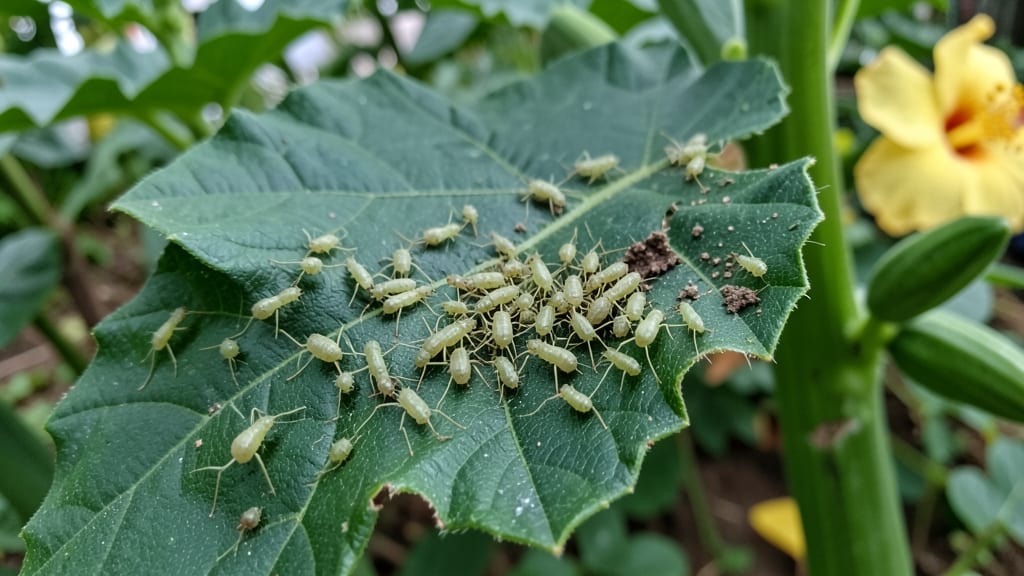
When aphids attack your okra plants, those tiny green invaders can stunt growth and leave sticky residue behind—unless you act fast. ✨ I’ve battled these pests on my own okra patch, and the key is catching them early with organic methods that don’t harm your plants or the soil.
The first sign is curled leaves or a shiny film on stems, but aphids multiply fast, so don’t wait. A strong spray of water or neem oil disrupts their life cycle, while ladybugs and lacewings eat them naturally.
My plants bounce back within days if I intervene before the infestation spreads.
You’ll see new, healthy leaves emerging within a week, and the okra pods will grow straight and strong. The best part? These methods keep your garden thriving long after the aphids are gone—no harsh chemicals needed.
Works for any garden size, from containers to full plots. Let’s get those okra plants back on track!
The hidden triggers behind aphids
Aphids on your okra plants aren’t just random visitors—they’re drawn by a mix of environmental, biological, and even human factors. Understanding these triggers is the first step to preventing infestations and protecting your crop. Let’s break down the key reasons aphids target okra and how they exploit your garden’s weaknesses.
Aphids thrive when okra plants are stressed—whether from poor nutrition, disease, or genetic vulnerabilities. Here’s why:
- Nitrogen Deficiency: Aphids detect plants with low nitrogen levels (a key building block for healthy foliage). When okra lacks nitrogen, its sap becomes sweeter and more appealing to these pests. Look for yellowing leaves or stunted growth—classic signs aphids will exploit.
- Overcrowded Plants: Dense okra foliage traps moisture and reduces airflow, creating a aphid-friendly microclimate. Shady, humid conditions slow plant recovery, making them easier targets.
- Young or Damaged Leaves: New growth is richer in sugars and softer, making it a buffet for aphids. Even minor damage (from wind, hail, or pests) signals to aphids that the plant is vulnerable.
Pro Tip: 💡 Boost plant resilience by applying a balanced organic fertilizer (like compost tea or fish emulsion) and pruning to improve airflow. Healthy okra = less aphid temptation!
Aphids are cold-sensitive but love warmth—especially in protected spots. Your okra garden might be unknowingly hosting the perfect aphid nursery:
- Greenhouse-Like Conditions: Aphids multiply rapidly in temperatures between 55–85°F (13–29°C). If your okra is near fences, walls, or thick mulch, these surfaces radiate heat, creating a warmth trap.
- Undersides of Leaves: Aphids prefer the shady, humid environment under leaves, where they’re hidden from predators (like ladybugs) and rainfall. Check for sticky honeydew residue—a dead giveaway.
- Drought Stress: While aphids need moisture, chronically dry soil weakens okra’s defenses. Plants under water stress produce more sugars in their sap, making them a tastier snack.
Pro Tip: ✨ Disrupt their comfort zone by:
- Watering deeply at the base of plants (not overhead) to avoid creating damp leaf surfaces.
- Using reflective mulch (like silver plastic) to repel aphids with light.
- Avoiding late-season planting—aphids peak in summer’s heat.
Aphids are not the top of the food chain—they’re prey. When their predators vanish, populations explode. Here’s why your okra might be aphid-free in theory but swarming in reality:
- Pesticide Overuse: Even organic sprays can kill beneficial insects like ladybugs, lacewings, and parasitic wasps that hunt aphids. A single broad-spectrum spray can wipe out 90% of predators for weeks.
- Monoculture Planting: Gardens with only okra offer no diversity for predator insects. Aphids’ natural enemies need a variety of plants to survive (e.g., dill, fennel, or marigolds attract beneficial bugs).
- Urban or Isolated Gardens: If your garden is far from wild areas, migratory predators (like hoverflies) may never arrive to keep aphids in check.
Pro Tip: 🎯 Turn your garden into an aphid buffet for predators by:
- Planting companion flowers (e.g., cosmos, yarrow) near okra to attract ladybugs.
- Avoiding neonicotinoid pesticides (even organic ones) that harm pollinators.
- Installing bee baths or predator-friendly habitats (like brush piles).
Aphids aren’t picky—they’ll feast on any okra plant showing signs of decline. Here’s what makes your crop a magnet:
- Fungal or Bacterial Infections: Plants with powdery mildew, downy mildew, or bacterial leaf spot exude stress compounds that aphids detect. These pests prefer infected tissue because it’s easier to penetrate.
- Overripe Pods or Flowers: Mature okra pods and spent flowers release volatile organic compounds (VOCs) that aphids use to locate weak plants. Prune these promptly to remove the "calling card."
- Root-Knot Nematodes: These microscopic worms damage roots, starving the plant above ground. Aphids detect the chemical distress signals and swarm the aboveground parts.
Pro Tip: 🔥 Remove the invitation by:
- Inspecting leaves daily for fungal spots and treating with neem oil or baking soda spray at the first sign.
- Harvesting okra before pods mature to avoid attracting pests.
- Rotating crops annually to break nematode cycles.
By addressing these root causes, you’re not just reacting to aphids—you’re starving their strategy. The next step? Turn your okra into a fortress they’ll avoid. 🚀
Quick Fixes for Aphid-Infested Okra
Aphids may seem like a tiny nuisance, but their damage adds up fast—sticky residue, stunted growth, and even disease risks. The good news? You don’t need harsh chemicals to reclaim your okra plants.
Below are practical, organic solutions tailored to the root causes of aphid infestations, from immediate action to long-term prevention.
When aphids strike, act quickly to prevent spread. These methods work within hours to days for visible results.
💦 Water Blast Attack
Aphids hate high-pressure water—it dislodges them and washes away their sticky honeydew.
- How to do it:
- Use a strong garden hose nozzle (or a spray bottle for small plants).
- Direct the stream directly at aphid clusters (especially undersides of leaves).
- Repeat every 2–3 days until no more aphids appear.
- Pro tip: 🌡️ Time it right—blast in the early morning or late evening to avoid shocking the plant (aphids are less active in heat).
🕷️ Natural Predators: Let Nature Do the Work
Encourage aphid-eating allies to move into your garden:
- Ladybugs (release 1–2 per plant) 🐞
- Lacewings (their larvae devour aphids)
- Parasitic wasps (like Aphidius colemani)
- Birds & spiders (install birdhouses or avoid pesticides to keep them around).
- How to attract them:
- Plant dill, fennel, or yarrow nearby (they love these flowers).
- Avoid broad-spectrum insecticides—they kill beneficial bugs too.
🧼 Soap & Oil Sprays: Non-Toxic Knockouts
Homemade sprays disrupt aphids’ protective wax layer while being safe for your plants.
- Insecticidal Soap Recipe:
- Mix 1 tbsp mild castile soap + 1 quart water in a spray bottle.
- Spray directly on aphids (avoid blooming okra to prevent harm).
- Reapply every 3–5 days until aphids vanish.
- Neem Oil Solution (Stronger):
- Combine 1 tbsp neem oil + 1 tsp mild soap + 1 quart water.
- Shake well and spray evenly on leaves (test on a small area first).
- Bonus: Neem also deters future aphids.
- ⚠️ Warning: Always test sprays on a single leaf first—some okra varieties are sensitive.
Prevention is your best weapon. These strategies reduce aphid populations naturally and keep your okra thriving.
🌿 Companion Planting: Aphid Repellents
Certain plants confuse aphids or mask okra’s scent:
- Marigolds (release limonene, which aphids dislike).
- Basil (plant near okra—its strong aroma deters pests).
- Garlic & Onions (their sulfur compounds repel aphids).
- Aloe Vera (crush a leaf and rub on stems—aphids avoid it).
🌱 Healthy Soil = Stronger Plants Weak okra is aphid magnet.
Boost plant resilience with: - Balanced fertilizer (high in phosphorus & potassium—aphids target nitrogen-heavy plants). - Compost or worm castings (improves root health and natural pest resistance). - Mulch with straw or grass clippings (keeps soil moist and aphids away).
🕯️ Traps & Barriers: Keep Them Out
- Yellow Sticky Traps:
- Hang yellow cards coated with petroleum jelly near okra.
- Aphids are attracted to yellow and get stuck.
- Row Covers:
- Use fine mesh fabric over young okra plants to block aphids entirely.
- Reflective Mulch:
- Cover soil with aluminum foil or silver plastic—aphids dislike the glare.
🔄 Regular Scouting: Catch Them Early
- Inspect plants 2x weekly, focusing on:
- New growth (aphids love tender leaves).
- Undersides of leaves (their favorite hiding spot).
- Remove heavily infested leaves immediately (drop them in soapy water, not compost).
- ❌ Avoid overwatering—aphids thrive in damp, crowded conditions.
- ❌ Don’t use systemic pesticides (like neonicotinoids)—they harm bees and beneficial insects.
- ❌ Skip the cleanup—old plant debris is a breeding ground for aphids.
💡 Pro Tip: Combine 2–3 methods for best results. For example:
- Morning: Water blast + release ladybugs.
- Evening: Spray neem oil + check sticky traps.
With consistent effort, your okra will bounce back stronger and aphid-free in 1–2 weeks. 🚀
Frequently asked questions
How do I know if my okra plants have aphids?
Look for tiny green, black, or yellow insects clustered on new growth or leaf undersides. You’ll also spot a shiny, sticky residue called honeydew on leaves or soil below. Check for curled or yellowing leaves—these are classic signs aphids are feeding.
Will aphids kill my okra plants?
While they won’t kill mature okra outright, severe infestations can stunt growth, reduce yields, and spread sooty mold from honeydew. Young plants are most vulnerable. Act fast with water blasts or neem oil to prevent long-term damage.
Can I use store-bought insecticides on okra?
Chemical sprays like pyrethrin can work, but they also kill beneficial insects. For organic gardens, stick to neem oil, insecticidal soap, or horticultural oil. Always test sprays on a small leaf first—some okra varieties are sensitive.
How often should I check for aphids?
Inspect your okra plants 2-3 times weekly, focusing on new growth and leaf undersides. Early detection is key—aphids multiply rapidly, especially in warm, humid conditions. A quick morning check prevents small problems from becoming big ones.
What’s the best long-term solution to prevent aphids?
Combine healthy soil practices (compost, balanced fertilizer) with companion planting (marigolds, basil). Encourage natural predators like ladybugs by avoiding broad-spectrum pesticides. Healthy plants and diverse ecosystems naturally repel aphids over time.